Aid-station “quick grabs” fail when the form is vague, not when the runner is tired. If you wait until race day to figure out where to reach, what to grab, and how to drink while moving, you will lose momentum and create avoidable chaos.
Practice the exact station actions you will repeat in the race: locate each aid stop early, decide what you will take at every one, and rehearse grabbing and sipping at the effort you will actually run. The goal is simple, clean movement that feels automatic, so you do not slow down to think in the middle of the crowd.
Use race-matching nutrition during practice, keep your hands ready before you enter the station, and commit to the choice the moment you point and reach. When you treat aid stations like a skill, you get faster drinks with fewer disruptions, and you can handle a missed grab calmly instead of panicking and stopping.
Stop Treating Aid Stations Like Optional Breaks
If you want quick grabs without disruption, you cannot treat the aid station as a surprise stop. It is a planned phase of the race, with the same discipline as the climb or the tempo push. When you walk through it mentally, you pay for it physically.
Here is the uncomfortable truth: most time loss is not from drinking. It is from hesitation, crowd negotiation, fumbling, and last-second decisions. You do not need “luck” to fix that. You need repeatable how to practice aid-station form efficiently until your hands and eyes move before your brain catches up.
Study Each station Like A Micro Course Map
Before you practice anything, you need a mental layout. Where does the line start? Where do you enter? Where do you reach first? Where can you safely pass? Aid stations fail people because they walk in blind, then try to improvise in the busiest meter of the course.
Go to the course or watch it on video. Then take notes that you can use while running. Identify at least one “clean side” of the station where you can arrive with space, and one side where you expect congestion. Ask yourself: where will your body be one second after you spot the table or volunteer?
Pre-Decide Every Grab Before You Enter The Crowd
The most expensive habit is deciding mid-stream. If you enter the station and think, you slow down. If you slow down, you get boxed in. If you get boxed in, you spill or miss or stop. That chain is predictable, so why pretend it is fate?
Decide the order ahead of time. For example, gel first if you use it, then drink, then move. If there are choices like water versus sports drink, pre-commit to one per stop. Your goal in practice is simple: enter, execute, exit. No debating, no scanning for the “best” option in the moment.
Match Your Training Fuel To Race-Day Fuel
Efficiency breaks when your hands and stomach disagree. If you will drink from paper cups on race day, practice with paper cups during training. If you will grab a bottle, rehearse the bottle style you will actually see. This is not preference. It is compatibility between your body and the packaging.
Timing matters too. If you use gels or bars, take them before you enter the station so you arrive with both hands free and fewer steps needed at the table. Your practice should mimic the real constraint: same product, same texture, same grip, same speed.
Drill Retrieval At Race Effort Until The Movement Becomes Automatic
You do not get quick grabs without disruption by walking through the station once. You get it by drilling retrieval at realistic effort, so your heart rate, breathing, and coordination match the race. Run slightly under control, then near race pace. Your goal is repeatability under stress.
During drills, focus on clean mechanics. Identify the station early, keep your stride moving into it, and reach without stopping your feet. Pinch or grab the cup near the top for fast sips, then move on. If you must stop, step fully out of the flow so collisions are not part of your strategy.
Build A Volunteer And Placement Plan You Can Execute
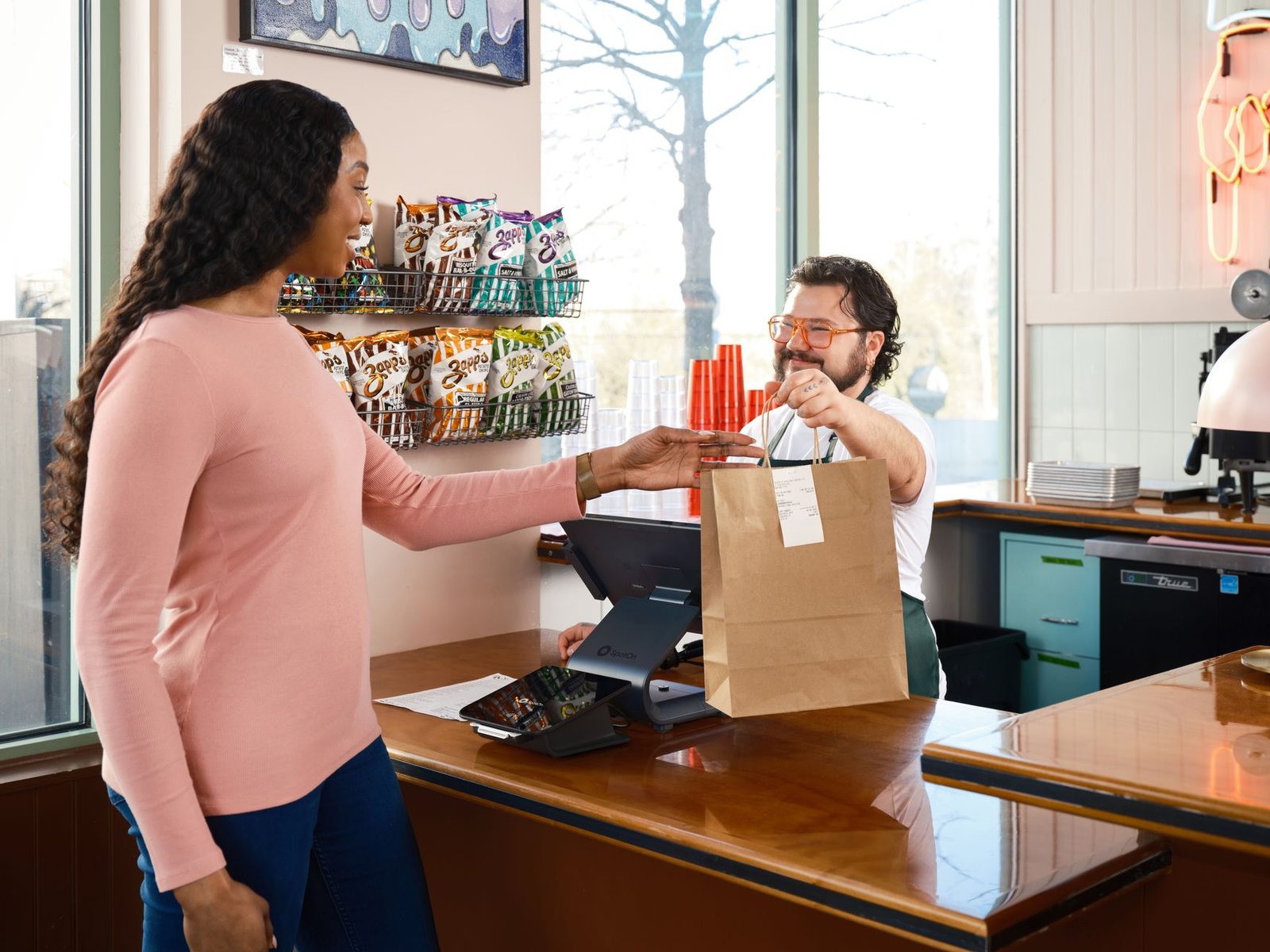
Aid stations are crowded choreography. You can reduce chaos by picking your target before you arrive, including which volunteer you will take and where you will grab from. This is why rehearsing “where to stand,” “who to choose,” and “how to commit” matters as much as the drinking technique.
| Station Choice | Action Under Speed | Measurable Target |
|---|---|---|
| Less Congested Side | Enter with space | 1 clean approach |
| Front Volunteer | Eye contact then point | 2 seconds to grab |
| Cup Table Lane | Reach while moving | No full stop |
| Bottle Option | Quick handoff grip | Steady drink |
| Overflow Exit | Move through immediately | Leave within 3 strides |
Some people argue that this kind of planning is “extra.” But the race does not care about your feelings. It cares about friction. When you enter with a plan, you waste fewer steps and you spend more time moving forward. If you need a reminder that these tactics show up in real runners’ routines, you can find practice tips that echo the same core rule.
Use One-Word Commands That Remove Confusion
Communication should be fast and simple. You are not hosting a conversation; you are coordinating a grab. Pick one-word cues you can say without slowing down, like “Water!” “Lots!” “Perform,” or “Coke,” and use them consistently so the volunteer knows what you want instantly.
If you hesitate because you feel awkward, you lose seconds and you risk grabbing the wrong item. Eye contact and a point help, but your job is to make the decision easy for the person holding the cup or bottle. Practice this in training so it feels automatic at race pace.
Practice The No-Stop Flow Through The Station Lane
The best aid-station form is the one that keeps your momentum. That means identifying the station early, arriving with controlled speed, and committing to the grab once you choose a volunteer. If you change your mind at the last second, you slow your body and you confuse your target.
In practice, train your feet and hands as a unit. Reach for the cup or bottle without stopping, take quick sips, then move on immediately. If the cup lands poorly, do not freeze. Decide quickly whether you can recover while staying safe, or whether you should proceed and use the next stop as your reset.
Train Drinking While Running So Spills Stay Rare
Aid-station efficiency collapses when you drink like you are standing still. You need to practice “drink while running” until your mouth, grip, and stride match. That is why your drill should include real cups and real effort, not just dry runs with empty hands.
Slow only slightly before the station to execute cleanly. Moving too fast leads to spills and slippery clutter. Moving too slow turns the station into a traffic jam you have to re-enter. Aim for smooth reduction, quick intake, and immediate acceleration out.
Build A Drop-Miss Recovery Plan That Keeps You Moving
Even with perfect practice, sometimes a grab misses. The difference between a wasted minute and a minor hiccup is how quickly you reset. If you drop a cup, stay calm. Then decide based on two factors: your hydration need and the distance to the next stop.
For recovery drills, practice a “quick fallback” behavior. You can hold your hand ready as a target and aim for an easy retrieval area near the front. That way, if the first grab fails, you have an immediate option without turning the station into a stop-and-search.
Stop Negotiating With Your Gut In The Moment
Race-day fueling anxiety ruins form. You start thinking about whether you “should” take something, whether you took enough earlier, whether the next stop is far. Those questions are training tasks, not station-time tasks.
Decide your fueling rhythm before the start. Then execute the same pattern at every stop. Consistency reduces cognitive load, and reduced cognitive load means less slowing, fewer collisions, and more quick grabs without disruption. Your hands follow your plan. Your plan beats your panic.
Run Your Rehearsal Like A Test, Not A Hope
Practice should be measurable. Use the same routes, the same station setup, and the same effort levels you will see on race day. If you cannot grab and drink cleanly while moving at near race pace, you are not ready, even if you “feel fine” during easy jogging.
When rehearsal includes realistic effort, cup or bottle form, decision-free fueling, and recovery for misses, the station becomes routine. On race day, that routine is speed. The aid station stops being a threat and starts being a rhythm you already own.
Practice Aid-Station Form Efficiently for Quick Grab-and-Go Without Disruption
How Do You Rehearse Aid-Station Actions At Race Effort So Quick Grabs Stay Smooth?
Rehearse the exact steps you will repeat on race day at realistic effort, and identify each aid station early so you already know where to move and what you will do when you arrive.
How Do You Pre-Plan Quick Grab-and-Go Choices So You Avoid Decisions in the Crowd?
Decide in advance what you will take from every stop and practice with the same nutrition products you plan to use on race day so fueling choices do not happen under pressure.
How Can You Drill Aid-Station Form So You Grab and Drink While Running Without Stopping?
Practice grabbing and drinking while running at race pace, using the same drink format you will use on the course, so the motion becomes automatic instead of a pause-and-decide routine.
How Do You Practice Clean Cup or Bottle Grabs and Quick Handoffs Without Disrupting Others?
Use paper cups for practice and drill reaching early, grabbing near the top for quick sips, then moving onward immediately, and if you do handoffs, aim for an easy retrieval spot with a ready hand.
How Do You Reduce Spills and Keep Aid-Station Form Efficient During Entry Into the Station?
Slow only slightly as you enter, keep your hands controlled, and step fully out only if you must stop to prevent collisions, then thank volunteers and keep your flow moving.
What Should You Do If You Miss a Quick Grab or Drop a Cup During an Aid Station?
Stay calm, then decide right away whether to circle back or proceed based on your hydration needs and the distance to the next stop, and practice taking gels or bars before the station so you keep both hands free.
Train Your Aid Station Form for Clean Quick Grabs
If you want how to practice aid-station form efficiently, quick grabs without disruption, rehearse the full grab-and-go routine at race effort, decide exactly what to take from each stop before you reach it, and drill grabbing and drinking while moving so you execute without hesitation. Practice until it feels automatic, then race like it is already done.

I am Ozan, a London-focused running writer and marathon enthusiast with a passion for helping people discover the city’s best races, running routes, walking trails, and fitness events. I research and write practical, up-to-date guides covering marathons, race preparation, training tips, running gear, and everything related to staying active in London.
My goal is to create reliable, easy-to-follow content that helps runners and walkers of all experience levels explore London with confidence, whether they’re preparing for their first 5K or their next marathon.