If you lose lateral control on BMX “London corners,” the fix is not a better brake habit or more speed. The fix is core stability that keeps your hips tracking while the bike leans hard, and then drills that force you to notice the exact moment you start to drift.
Start on an oval, figure-eight, or circle and run short corner segments, about 15 seconds each. Use four progressions: a stand-up feet-and-knees drill with tight posture and minimal braking, a seated drill with both feet on the pegs while you reverse direction to spot imbalances, a one-handed drill with a hand on your abdomen to catch technical mistakes, and finally a normal drill that practices smooth sitting-to-standing transitions so your balance stays consistent as the bike angle changes.
Then back it up off the bike with side planks held 30 to 40 seconds per side, building toward 60 to 90 seconds before you add torso rotations. Follow with side bridges and side presses for lateral force control, plus windmills to train hip-driven movement that matches what your body has to do during a sweeping left or right. Do this consistently, and your cornering stops feeling like luck and starts feeling like control.
Lateral Control Begins Inside Your Trunk
If you struggle with London corners, stop blaming the turn radius or the bike setup. Your problem starts with trunk stability. When your torso floats, your hips lag, and the bike has to do the job your core should do. That mismatch is what turns a smooth hard left or hard right sweeping turn into a fight for balance.
Here is the stance: lateral control is a core behavior expressed through feet, knees, and hip tracking. That is why the right training is not random abdominal work. It is simple core stability drills for better lateral control on london corners paired with on-bike footwork that forces your trunk to stay solid while the bike leans.
Train the trunk to behave when the bike leans. Then the bike finally stops feeling like the boss.
The Braking Habit Ruins the Lesson
Many riders add rear braking because it feels safe. But on London corners, braking often becomes a crutch that hides footwork errors. If you keep dragging speed with your brake hand and your legs go passive, you are not learning lateral control. You are learning how to survive uncertainty.
Use minimal braking. Prefer a small front brake only if you must slow for safety. The point is simple: your feet and knees should guide the turn, not the brake. When you remove the “escape route,” imbalances show up fast. Would you rather keep guessing, or fix the mechanism that causes the twitchy lean?
Progressions Must Expose, Not Comfort
Train in a sequence that makes failure visible. A comfort-based workout feels good for ten minutes and teaches nothing for ten weeks. The drills below are built to reveal common faults like hip drifting, elbow collapse, and weak bracing under throttle changes.
The method is practical. You run short sets in a controlled corner segment, often around 15 seconds, then you switch direction and repeat. Reversing matters because your body will betray your weaker side. If you only train one direction, you do not correct asymmetry. You freeze it.
That is also why these routines fit into a real BMX schedule. They are core drills with an on-bike job description, not gym theater.
Stand-Up Footwork To Lock Knees And Elbows
The stand-up drill forces tight feet and knees back while the bike leans into the sweeping turn. Choose an oval, figure-eight, or circle course and keep braking minimal. Focus on one cue: inside elbow stays up. If the elbow drops, your torso rotates and your hips stop tracking.
Run it as a corner segment, then reverse direction to expose imbalance. You should feel your abs brace like a belt when the bike tips. If you feel your balance slipping, you do not need more speed. You need clean trunk stiffness while the bike leans.
- Small front brake only if required to control entry speed
- Short sets around 15-second corner segments
- Inside elbow stays up, feet stay tight and active
Seated Peg Drill To Reveal Hip Drift
Seated turns are tougher than they look because you lose some freedom in the upper body and the bike’s lateral forces get louder. Put both feet on the pegs, keep your abs tight, and practice reversing direction. This is where many riders discover their hips do not track laterally the same way each side.
The goal is not to look stable. The goal is to feel stable through the core. When your bracing is real, the seated position becomes a platform instead of a wobble trap. If one side collapses, treat that side as the curriculum.
Counterpoint Some riders argue seated drills are “for later” because they feel restrictive. That sounds reasonable until you realize that London corners punish restriction the moment you lose bracing. Train the restriction on purpose and the corner stops surprising you.
One-Hand Abdomen Catch To Police Your Squared Thorax
The one-handed drill is simple and brutally effective. Place one hand on your abdomen so you can “catch” technical mistakes in real time. If your abs brace fades during throttle control or your torso twists, you will feel it immediately.
Keep both feet on pegs if that fits your current level, or keep the setup consistent with your prior drill. Use direction reversal and re-grip so you do not compensate with a chicken-wing elbow that steals stability.
| What You Practice | How Much | What To Watch |
|---|---|---|
| Abs brace under lean | 8 to 12 reps | Hand pressure stays steady |
| Thorax stays squared | 8 to 12 reps | No twist during throttle |
| Elbow stays disciplined | 8 to 12 reps | Inside elbow not dropped |
| Knees guide the bike | 8 to 12 reps | Knee line stays consistent |
| Direction reversal | 4 sets each way | Same bracing on both sides |
After each short set, ask one question: did your abdomen stay braced when the bike leaned into the turn? If the answer is fuzzy, your “normal riding” will always feel like a gamble.
Normal Drill With Smooth Sit to Stand Transitions
Now bring it into a more realistic dynamic. Stay with both feet on the pegs and practice smooth transitions sitting to standing during the corner. This is not about adding drama. It is about managing balance while the support changes under you.
There is a reason riders who train cornering footwork talk about transitions as a skill, not a vibe. That is why cornering footwork drills keep showing up in good coaching. You are teaching the brain to keep bracing while the body position changes.
Objection “I do transitions in real riding, so I do not need to drill them.” That is like saying you do not need sprint starts because you already run. Real riding is chaotic. Drilling isolates the exact moment where stability is won or lost.
Side Planks Train the Core For Side Forces
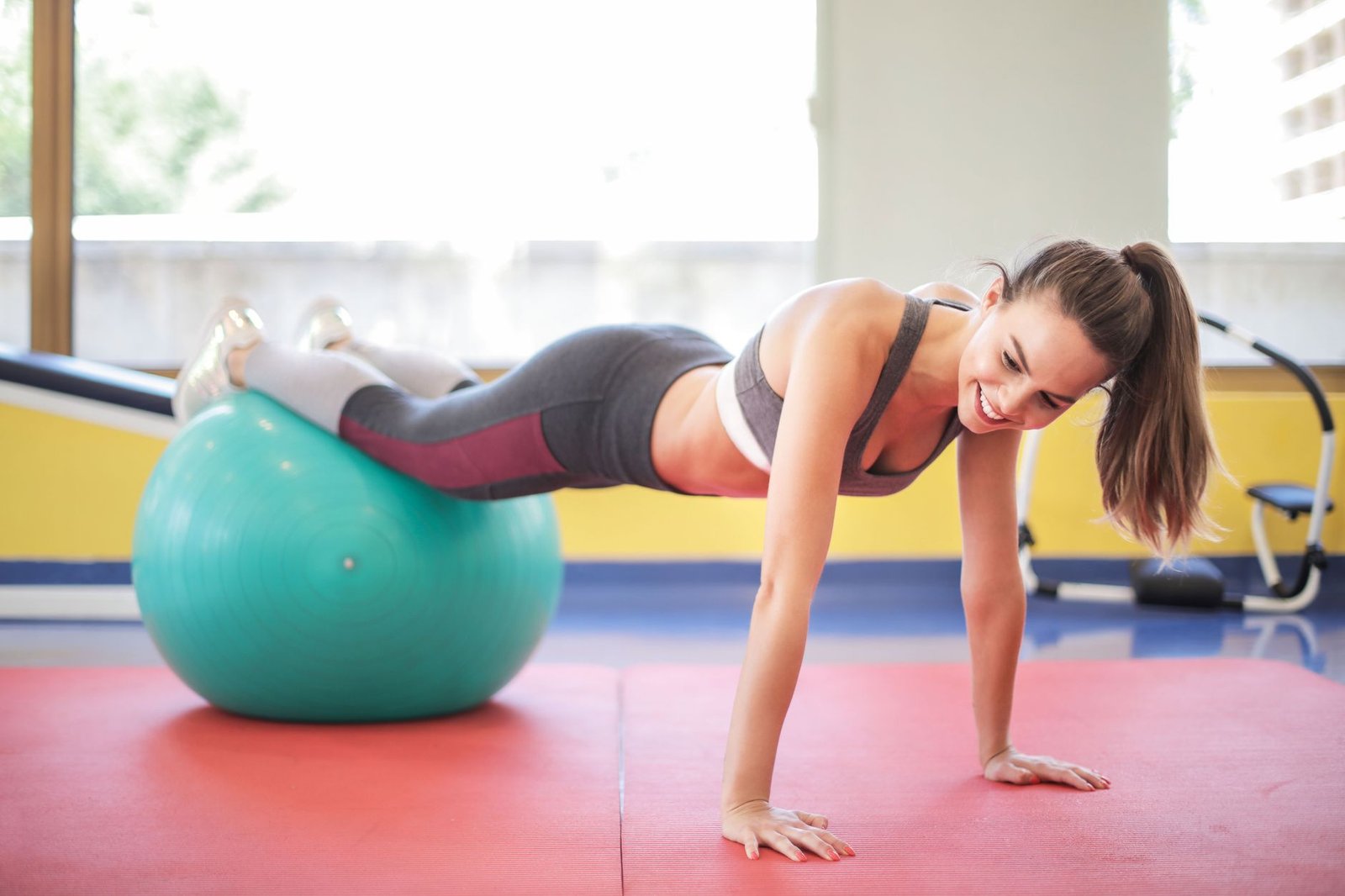
Off the bike, side planks build the foundation for lateral control. Start with 30 to 40 seconds per side, then progress toward 60 to 90 seconds. Only add torso rotations after your side plank stays crisp. Rotations too early turn a stability drill into a balance trick.
Set up like this: hips stacked, shoulder stable, ribs pulled down, and your body stays one line. If you feel your lower back take over, shorten the hold and restart. London corners demand control, not compensations.
Side planks also give you a simple progress metric. When you can hold time with the same form on both sides, you are ready to trust your bracing during hard left and hard right turns.
Lateral Body Bends From the Hips
If your hips do not move laterally with intent, your trunk will overwork to compensate. Train lateral body-bend work driven from the hips. The motion should start at the hip hinge and pelvis control, not the spine flopping sideways.
Why does this matter on London corners? Because the corner’s sweeping arc creates a lateral force that wants to torque your midsection. Hip-driven lateral control helps your torso stay more aligned while the bike leans and your feet adjust underneath.
Keep it clean and repeatable. You should feel tension in the side line, with your ribs staying managed. If the movement feels like a scramble, reduce range and own the hip start.
Side Bridges To Stabilize Under a Leaning Body
Side bridges give you a short, focused way to connect the side plank idea to real strength. Hold briefly at the top, then reset with control. The aim is not to suffer through wobble. The aim is to lock the side and make it dependable.
Do them after your first core strength work so your form stays honest. When side bridges improve, you will notice fewer torso adjustments mid-turn. Your body stops searching and starts repeating.
- Brief hold at the top
- Controlled reset
- Repeat on the weaker side with equal discipline
Side Presses Turn Core Tension Into Steering Support
Side presses build the ability to press while you manage the lateral bend. Use a dumbbell and bend from the hips, then time the hip drive to return upright. This is a strength-control pairing, not a pure cardio burn.
On the bike, your steering and throttle moments demand tension that travels. Side presses teach your core to produce force through a side angle without collapsing. That directly supports the stability you need during hard sweeps.
Counterargument Some riders think these presses are “gym work” that does not transfer. But the transfer is mechanical: you train lateral tension and hip timing, the same inputs your torso must deliver during London corners.
Windmills For Hip Timing And Square Body Position
Windmills sharpen hip drive timing under a controlled overhead-to-side movement. Start with feet turned away from the dumbbell side, slide the free hand down while you watch the dumbbell, then drive your hips back under you.
This drill matters because London corners are about sequencing. Your hips must track laterally before the torso goes. When hip timing improves, your bracing becomes more automatic instead of reactive.
Keep your tempo smooth. If your back takes over or you rush the setup, scale the range. The best windmills feel controlled, not acrobatic.
Build A Simple Weekly Plan And Track Side-To-Side Truth
Training works when it stays consistent and measurable. Schedule the on-bike corner segments with short sets, then support them with off-bike core sessions that reinforce the same lateral demands. You are aiming for better lateral control on london corners, not random variety.
Use direction reversal every time. If your left hand instinctively drops during turning, that is your cue to drill that side’s bracing until it matches. Track a few numbers: side plank hold time, side-bridge quality, and how many clean corner segments feel stable without heavy braking.
- On-bike segments around 15 seconds each, reverse direction every set
- Side planks progress from 30 to 40 seconds toward 60 to 90 seconds
- Off-bike work emphasizes side stability before adding rotations
When you stop treating core training as generic abs and start treating it as lateral control, your London corners stop feeling like improvisation. They become repeatable. And that is the only kind of “simple” that matters.
Simple Core Stability Drills for Better Lateral Control on London Corners
Does Core Stability Improve Lateral Control on London Corners?
Yes, a stronger braced core helps your trunk stay quiet as the bike leans, so your hips track laterally through hard left and right “London corners” with less wobble and fewer corrections.
Which Bike Footwork Drills Help Keep Your Trunk Stable While the Bike Leans?
Practice short sets on an oval, figure-eight, or circle and focus on tight feet and knees back while using minimal braking, so your body stays squared and your hips follow the turn instead of drifting.
How Do Seated Peg Drills Improve Side-to-Side Lateral Control?
Stay seated with both feet on the pegs, keep your abs tight, and reverse direction each run to expose imbalance, then repeat until left and right feel equally controlled.
What One-Hand Abdomen Check Drill Improves Bracing During Throttle Control?
Use one hand to lightly touch your abdomen and keep the other hand normal, reversing direction each attempt, so you notice when your torso twists, your hips slide, or your elbow drops into a “chicken wing.”
Which Off-Bike Side Plank and Side Bridge Work Builds Lateral Strength for London Corners?
Hold a side plank for about 30 to 40 seconds per side, then progress toward longer holds, and add side bridges or side presses with a brief top pause to train force transfer from hips to trunk.
How Should You Progress Core Work Into Smooth Stand and Seated Transitions on Corners?
Start with controlled seated laps, then add smooth standing to seated transitions while keeping both feet on the pegs, so your balance changes are handled by steady core bracing and quiet footwork.
Make Lateral Control The Priority
For BMX “London corners” to feel predictable, you do not need more tricks, you need cleaner body mechanics under lean, and that starts with simple core stability drills for better lateral control on london corners that keep your trunk braced while your hips track laterally. If you train the corner like a balance problem and you repeat it with tight footwork and focused side strength, your line choices get smoother and your turns get faster, because stability becomes automatic instead of accidental.

I am Ozan, a London-focused running writer and marathon enthusiast with a passion for helping people discover the city’s best races, running routes, walking trails, and fitness events. I research and write practical, up-to-date guides covering marathons, race preparation, training tips, running gear, and everything related to staying active in London.
My goal is to create reliable, easy-to-follow content that helps runners and walkers of all experience levels explore London with confidence, whether they’re preparing for their first 5K or their next marathon.