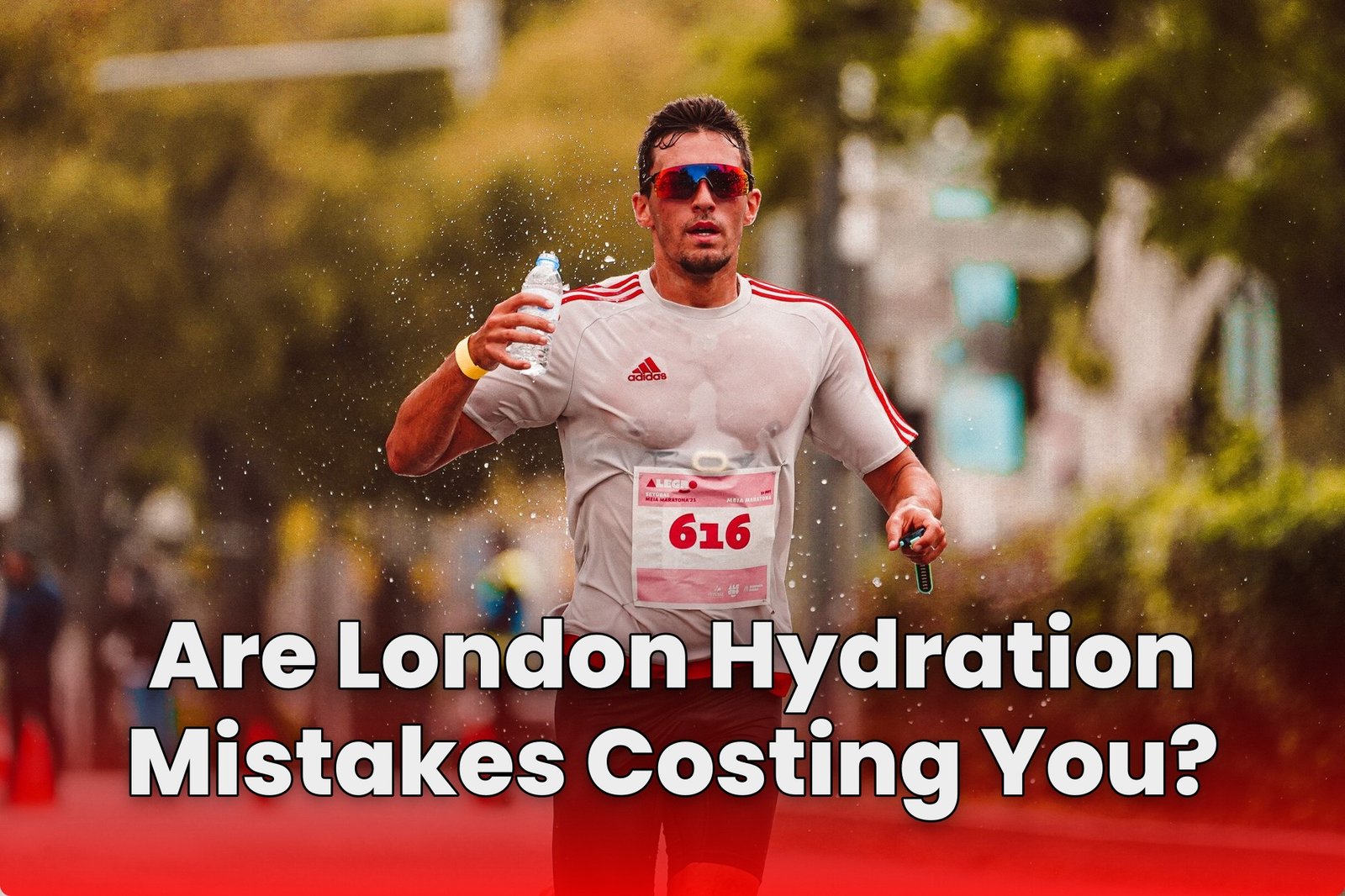
Aid stations are where races are won, and guessing is how you lose time and calories. This article answers how to plan your aid-station strategy for spacing and timing, because the fastest runners do not just “fuel on the run,” they fuel on purpose. You should be choosing when you take in water, electrolytes, and calories based on what the course offers, not reacting to every line of cups like it is roulette.
If your spacing plan is vague, your timing will be chaotic, and your stomach will pay the price. Aim to know, ahead of time, how far apart stations are and what each stop provides, then map your intake to the moments you actually need it most. The key opinion here is simple: you should pre-decide what you will take at each station and when you will take it, even if you plan to adjust on the fly when conditions or crowds change.
Plan for efficiency, not perfection. That means rehearsing your station routine during long runs, deciding where you might “run through” versus briefly pause, and keeping your cup handling fast and repeatable. When spacing and timing are aligned with your body and the course, aid stations stop feeling like interruptions and start feeling like momentum.
Stop Treating Aid Stations Like Luck
If you do not plan your aid-station strategy for spacing and timing, you are choosing uncertainty on purpose. You are betting that you will hit the right hydration, the right fuel, and the right pace while your stomach, temperature, and course conditions are changing every mile.
Here is the uncomfortable truth: most “failures” at aid stations are planning failures. People arrive unprepared, then react in the moment. That reaction costs time, creates sloppy intake, and often turns a small shortfall into a late-race collapse.
The goal is simple. You should know what will be available, when it will be available, and what you will take at each stop before the first mile ever happens.
Confirm spacing and timing for Your Exact Race
Do not borrow spacing assumptions from a friend’s marathon or a random training plan. Confirm the official spacing and timing for your specific race. Half marathons often have ~2 to 6 stations, road marathons commonly place them about every ~2 miles (about 3.2 km) with roughly 8 to 12 total, and ultramarathons may place checkpoints about every ~6 miles (about 10 km).
If you want a practical checklist to sanity-check what you receive in your packet, use an aid station strategy guide as a cross-check rather than relying on memory.
Ask yourself one question before race day: Can I name the next stop, the timing of the next stop, and what it typically means for my fueling plan? If you cannot, you are not ready.
List What Each Stop Offers Before You Ever Race
Spacing is only half the story. Timing without product knowledge is how you get to the cup with the wrong expectations. Use the race website or email to record exactly what each station offers, including water, electrolytes or sports drinks, gels, and solid food.
Then translate offerings into what you can actually use while moving. Is the sports drink something you tolerate in heat? Are the gels the same brand and flavor you trained with? Will solid food be cut, messy, and slow to eat, or clean and portable?
Your plan must match the menu. Not the other way around.
Write a Station-by-Station Decision Sheet
Planning works when it becomes executable. Create a simple sheet that matches every aid-station location to your intake decision. Do not write “drink water.” Write what amount and what purpose.
For each stop, decide whether your primary need is fluid, electrolytes, carbohydrate, or a deliberate skip. This prevents the most common mistake: grabbing everything because you feel behind, then feeling worse 15 minutes later.
- Station number and approximate time
- What you will take and why it matters at that point
Would you drive with a map if it told you only “turn soon”? A decision sheet is the map you need.
Skip Early Stations When You Are Actually Well-Fueled
Many runners waste time at the first aid stations because they treat them as mandatory. If you start well-fueled and you are not yet behind on hydration or calories, the first stops often function as noise.
How early is “early”? As a rule of thumb, consider skipping very early stations when they occur within the first ~10 minutes and you are already well fueled. That is not negligence. That is tempo. It reduces stoppage time and prevents unnecessary stomach work.
Counterargument: “But what if it gets hot?” Fine. Your plan should include a conditional adjustment. Skip the early stop unless conditions trigger your hydration threshold.
Change Your Balance Mid-Race, Not Randomly
Hydration and fuel should not follow the same pattern for the entire race. Early on, you can build a base. Later, you must maintain carbohydrate availability while preventing electrolyte dilution and dehydration.
The most reliable approach is to match nutrition timing to how long you have been running. For example, start gel intake around ~30 minutes and emphasize fluid and electrolytes in the second half. Then keep your pairing logic consistent, such as taking gels with ~150 to 250 mL of plain water and using sports drink later if desired.
| Race Phase | Timing Cue | Primary Goal |
|---|---|---|
| Start to 30 min | Early pace settles | Light hydration |
| 30 to 60 min | Gel window opens | Carb rhythm |
| 60 to 90 min | Second rhythm phase | Electrolytes + water |
| Final third | GI sensitivity rises | Steady calories |
| Last mile or two | Near-finish approach | Minimal disruption |
When you balance mid-race, your intake stops feeling like a series of guesses. It becomes a controlled process.
Optimize Station Handling So You Lose Seconds, Not Minutes
Aid stations are won and lost in micro-actions: approach speed, cup handling, and decision speed. You are not just eating. You are executing under fatigue.
Approach with a checklist ~10 to 20 minutes prior so the station is not a surprise. Then pre-decide your “run through” versus “brief walk” rule. For many recreational runners, ~5 to 10 seconds of walking for solids or tricky intakes can be worth it, while gels and quick sips can be handled with ~10 to 15 seconds of intake.
Streamline cup handling: communicate to volunteers what you need, pinch the cup top for controlled sipping, and avoid fiddling. The fastest plan is the one you execute the same way every time.
Practice the Exact Fueling Protocol on Long Runs
Your race-day aid-station strategy is not proven until you rehearse it under real conditions. Practice the exact fueling protocol in the final weeks on long runs, using the same products, similar timing, and the same intake amounts you will use on race day.
During practice, simulate the station behavior. If you plan to “run through,” practice getting the gel and water without breaking posture. If you plan to step briefly, rehearse where you step and how fast you return to pace.
Consistency beats intensity. One perfect station plan in training is better than ten aggressive changes you have never tested.
Plan for Crowding and GI Distress Before It Happens
Even the best spacing plan fails if you refuse to plan for friction. Stations get crowded. Lines compress. Someone spills. A gel hits your throat at the wrong moment. You need contingencies.
Map a response for common scenarios. If stations are crowded, default to quick sips and gels rather than solids. If your stomach is unhappy, adjust temporarily by shifting toward water-only or smaller sips for a few stations, then resume carbs when you stabilize.
Would you enter a storm without a plan for visibility? GI distress is your storm. Treat it with the same respect.
Coordinate Crew Moves and Drop Bags Like Logistics
Many races rely on crew and drop bags, especially for longer events or when gaps are large. Your aid-station plan must connect to your gear changes and your backup fuel.
Coordinate with your crew early. Make sure they know where you will need supplies and what you will not finish on course. Also account for items that affect intake speed, like gloves for cold weather, extra wipes for sticky gels, or a clean pairing of bottles and cups.
This is not glamour planning. It is how you protect momentum when you are far from help.
For Ultramarathons, Engineer the Gaps Between Stops
Ultramarathons punish assumptions. When checkpoints can be spaced about every ~6 miles (10 km), you must plan for real fuel and hydration coverage between aid-station moments. Do not wait for the next stop to solve a problem that started at mile one.
Carry extra supplies for wide gaps when needed. Depending on course and conditions, gaps can stretch to 15 to 25 miles between reliable options. That means your plan must include what you eat and drink even if the checkpoint is late, smaller than expected, or missing a specific item.
Your aid-station strategy is part of an overall fuel system, not a checklist you hope will rescue you.
Make Timing Decisions Using Real Time Cues, Not Feelings
Feelings are unreliable because fatigue changes your perception. Timing decisions work better when you anchor them to real cues. Use elapsed time and distance markers to trigger “now I take the next gel” or “now I switch to electrolytes” rather than waiting for a vague urge.
If your plan says gel intake should begin around ~30 minutes, then the station decision should follow your schedule. If you are running behind due to conditions, adjust amounts carefully rather than grabbing random extra items that your stomach cannot handle.
Consistency is how you keep remote pacing steady, even when the course demands constant adaptation.
Finish Strong by Stacking Your Last Two Stops
The final portion of the race is not the time to improvise. In many events, your best efficiency comes from planning the last near-finish station, often within about ~2 km, so you can save seconds and avoid unnecessary handling when you are close to the finish.
Decide whether you need last-minute fluid, electrolytes, or a final controlled carbohydrate dose. If you are already on track, you may take less to reduce disruption. If you are not, you take what you planned, quickly, and you trust the earlier work you did.
When your last two stops are stacked intentionally, your final surge is not a gamble. It is the payoff for planning spacing, timing, and execution all along the course.
How Do You Plan Your Aid-Station Strategy for Spacing and Timing?
How do you confirm official aid-station spacing and timing for your race?
Check the race website, athlete guide, or email for the confirmed station locations and approximate spacing, then note any special timing rules like early-only or late additions so your plan matches the actual course.
What should you take at each aid station to balance fueling and hydration?
Decide in advance what you will grab at every stop, such as water, electrolytes or sports drink, gels, and any solid options, then align each item with your goal to keep hydration steady without oversaturating or slowing your run.
When should you skip early stations or use the last near-finish stop?
If you start well-fueled, you can often skip very early stations to save time, and using the final near-finish station when it’s close can help top off fluids or calories quickly for a stronger finish.
How can you time your run-through versus stop-and-sip at aid stations?
Create an execution routine—approach with a quick mental checklist, then choose run-through for small intakes or a brief stop for larger needs, using efficient cup handling so you reduce seconds lost without missing your target portions.
How do you schedule gel and fluid timing across the course?
Start your gel routine early enough to avoid a fuel deficit, then shift emphasis toward consistent fluid and electrolytes as you move into the second half, using practiced pairings like gel with water followed by sports drink if it suits your stomach.
How do you plan for crew support and long gaps between checkpoints?
Map what you will do at every station, coordinate with a crew or drop bags for any gear and fueling changes, and carry extra supplies for races with wide checkpoint gaps, rehearsing your exact race-day protocol on long runs.
Make Every Aid Station Count
Race day rewards preparation, so focus on how to plan your aid-station strategy for spacing and timing by locking in the official station intervals, pre-deciding exactly what you will take at each stop, and rehearsing a fast, repeatable routine for grabbing and consuming fuel without panic. When your plan matches the course and your stomach, you stop guessing, you move smoothly, and you keep your engine strong all the way to the finish.

I am Ozan, a London-focused running writer and marathon enthusiast with a passion for helping people discover the city’s best races, running routes, walking trails, and fitness events. I research and write practical, up-to-date guides covering marathons, race preparation, training tips, running gear, and everything related to staying active in London.
My goal is to create reliable, easy-to-follow content that helps runners and walkers of all experience levels explore London with confidence, whether they’re preparing for their first 5K or their next marathon.