
How to choose a london half marathon tune-up that improves your marathon is simple, and most runners make it complicated. A good tune-up is not a fun add-on; it is a rehearsal that teaches your body what race day effort feels like, then lets you recover. When you pick the wrong event or the wrong timing, you do not build confidence, you borrow fatigue.
Choose the London half-marathon tune-up as a “real race” in the final weeks before your marathon, usually about 4 to 6 weeks out and before your taper fully kicks in. Treat it like a dress rehearsal: use the same shoes and race-day gear, test your chafing prevention, and try to match the conditions if you can. For distance, think around half the marathon length, and decide pacing based on your goal, whether that means running close to marathon pace to practice holding the effort or going harder only if recovery still fits your plan.
After the race, recovery matters more than the result. Use what you learn about start-line execution, fueling timing, pacing realism, and any late-race gear issues to adjust how you approach London marathon day. If you want to estimate your marathon goal, use race equivalency tools carefully, then remember that endurance buildup and day-to-day conditions can shift the final outcome.
Start With the Date, Not the Distance
If you want your London half marathon tune-up to improve your marathon, you pick the date first. The window matters more than the badge. A tune-up run that lands about 4 to 6 weeks before marathon day is far more likely to sharpen you than drain you.
Why? Because that timing usually lands inside the period where you can absorb intensity, then still complete the freshening-up period before your taper ends. Push the race too close to the marathon, and your body spends the final weeks recovering from the tune-up instead of rehearsing the marathon rhythm.
Some runners chase a “bigger” effort too late because it feels confident. Confidence built on fatigue is still fatigue. Make the calendar your first training partner.
Choose the Right Kind of Race Day Effort
The best tune-up is a “real race” effort or a solo equivalent that is timed and controlled enough to teach your body how marathon stress feels. It should create specificity: warm-up habits, start-line focus, and pacing discipline under pressure.
A properly placed half marathon can deliver tune-up race benefits when it is treated like rehearsal, not a declaration of peak fitness.

Don’t confuse the goal. Your goal is execution practice and confidence, not heroics. If the effort teaches you to hold pace cleanly, it improves your marathon. If it teaches you to “survive,” it might steal the lesson you actually need: staying composed late.
Distance Should Match Your Marathon Needs
Use a benchmark that forces the right training stimulus: about 50% of the marathon length for a half-marathon tune-up. That typically means a 10 to 15K practice race for some runners when a true half is unavailable, or a half when it is the right logistics fit.
This distance ratio is practical. Too short leaves you underprepared for marathon effort management. Too long turns your tune-up into a second hard cycle, and then your taper becomes recovery instead of sharpening.
So ask yourself a simple question: Do I want a dress rehearsal or a re-run of long-run suffering? Choose the answer that protects your legs.
Treat Gear Testing Like a Performance Requirement
Your tune-up is where you solve problems that would otherwise show up at mile 18 or mile 20. Shoes, socks, lube, and pacing accessories are not details. They are performance variables.
Wear and test the exact shoes and race-day gear you plan for London, including chafing prevention. Test your lubricant in real heat and friction, not just in a calm household setting. If possible, practice with the same fueling style too, because gastrointestinal surprises are rarely “random.”
Even small issues snowball under marathon fatigue. A shoe that feels fine in training can become distracting when your form shortens. Your tune-up should remove that uncertainty before it becomes a late-race distraction.
Pace With Purpose, Not Guesswork
Pick a pacing strategy that matches what you are training for. If you are using the half marathon as a marathon tune-up, you have two defensible choices: run near planned marathon pace to rehearse holding that effort, or race the half at full effort if you still allow adequate recovery afterward.
Without a plan, most runners revert to the same mistake: starting too fast because race adrenaline feels like fitness. Then the middle miles become damage control. You can avoid that by deciding the first-mile behavior before race day.
Great tune-ups feel controlled early and still feel steady when your legs ask for mercy.
Conditions That Mimic London Decide the Upgrade
A tune-up improves your marathon when it teaches you how your pace and comfort respond to conditions. London has its own weather patterns, typical ground feel, and crowd energy. You cannot replicate it perfectly, but you can make the effort informative.
Use a decision snapshot to target similarity. Here is a quick checklist to compare your tune-up race to marathon reality.
| Attribute | Target for the Tune-Up | What It Predicts |
|---|---|---|
| Timing | 4 to 6 weeks out | Fresh legs for taper |
| Distance | About 50% of marathon | Effort management practice |
| Footwear | Same shoes and socks | Friction and comfort outcomes |
| Pacing reference | Near marathon pace or controlled race effort | Late-mile stability |
| Weather | Closest match to London conditions | Fuel and fluid tolerance |
What if conditions differ? Then you adjust expectations, not effort. If it is hotter, you race the plan by effort, not by GPS. If it is colder, you start slightly warmer and still protect your first-mile discipline.
Fueling Practice Belongs in the Tune-Up
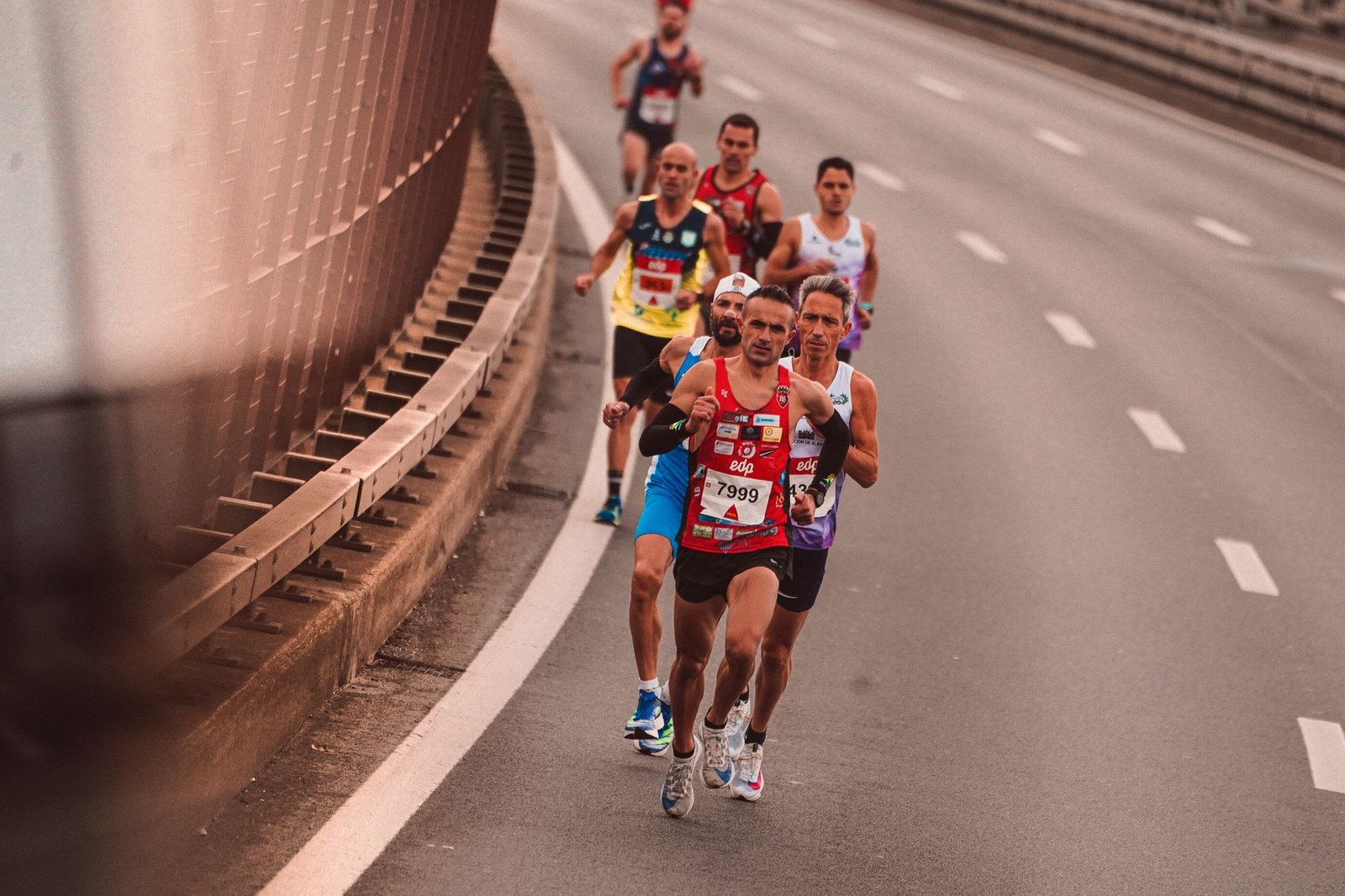
Remote from marathon day, you can experiment. Close to marathon day, you standardize. A half marathon tune-up is where your fueling timing becomes real data, because the duration is long enough for gut stress to appear.
Plan your carbohydrate intake to match what you will use for London: gel timing, drink frequency, and any caffeine approach. Then practice exactly how you will manage it while moving. If you fumble packets, you do not “gain” speed. You lose time and focus.
Some runners insist fueling should be saved for long runs. Yet race nerves and steady effort change digestion. The tune-up lets you rehearse the marathon fueling system under realistic pressure.
Arrival and Logistics Protect Fresh Legs
You can do everything right in training and still ruin it with logistics. Travel distance, sleep disruption, warm-up timing, and how you manage pre-race food and hydration can decide whether you feel sharp or flat.
Arrive early enough to control your warm-up. Run the same routine you plan for London: easy jog, dynamic prep, a few controlled pickups, then settle. If the venue is unfamiliar, walk the course in your head. Where will you be when you need to focus on pace?
Logistics are not glamorous, but they are repeatable. Treat them like a workout component. The best tune-up still fails if your race-day execution collapses before the gun.
Avoid the Common Trap of Overreaching
The biggest threat to marathon improvement is turning the tune-up into a peak that is too aggressive. When runners go out hard, they often chase a number instead of protecting the next training block. That usually shows up as sluggish tempo sessions after the half, and then the taper becomes a scramble.
So decide the maximum intensity you can absorb. If you race the half at full effort, you must build in recovery afterward. If you run it at marathon pace, you still watch fatigue signals like soreness that lingers, form breakdown, and sleep disruption.
But what about those “proof” runs that feel heroic? Heroic feels good right up to the point when marathon training cannot progress because your body is busy repairing damage.
Measure What Worked and Convert It to Marathon Planning
A tune-up that improves your marathon leaves you with actionable answers. Your questions are simple: Were you able to hold target effort? Did fueling land on time? Did your heart rate drift faster than expected? Did you fade earlier than your training suggests?
Then convert those answers into marathon planning. You can use race equivalency tools like VDOT-style calculators to estimate a marathon goal, but only after you interpret what the race actually tested. Endurance limitations and day-to-day conditions can distort simple math.
Be honest about what the half marathon revealed. If pacing was stable but fueling was chaotic, your goal pace might be reachable while your strategy needs revision.
Use a Solo Equivalent When Entries Fight Back
Not every runner can secure a convenient “A-minus” half marathon. If entries are closed or timing is wrong, a solo or virtual equivalent can still improve your marathon when it is treated like a controlled test rather than a casual run.
Run it on a measured route or with a reliable GPS watch, then rehearse the same race behavior: shoes, socks, start routine, fueling timing, and pacing discipline. You want the body to learn how effort feels when you are committed, not how it feels when you can quit early.
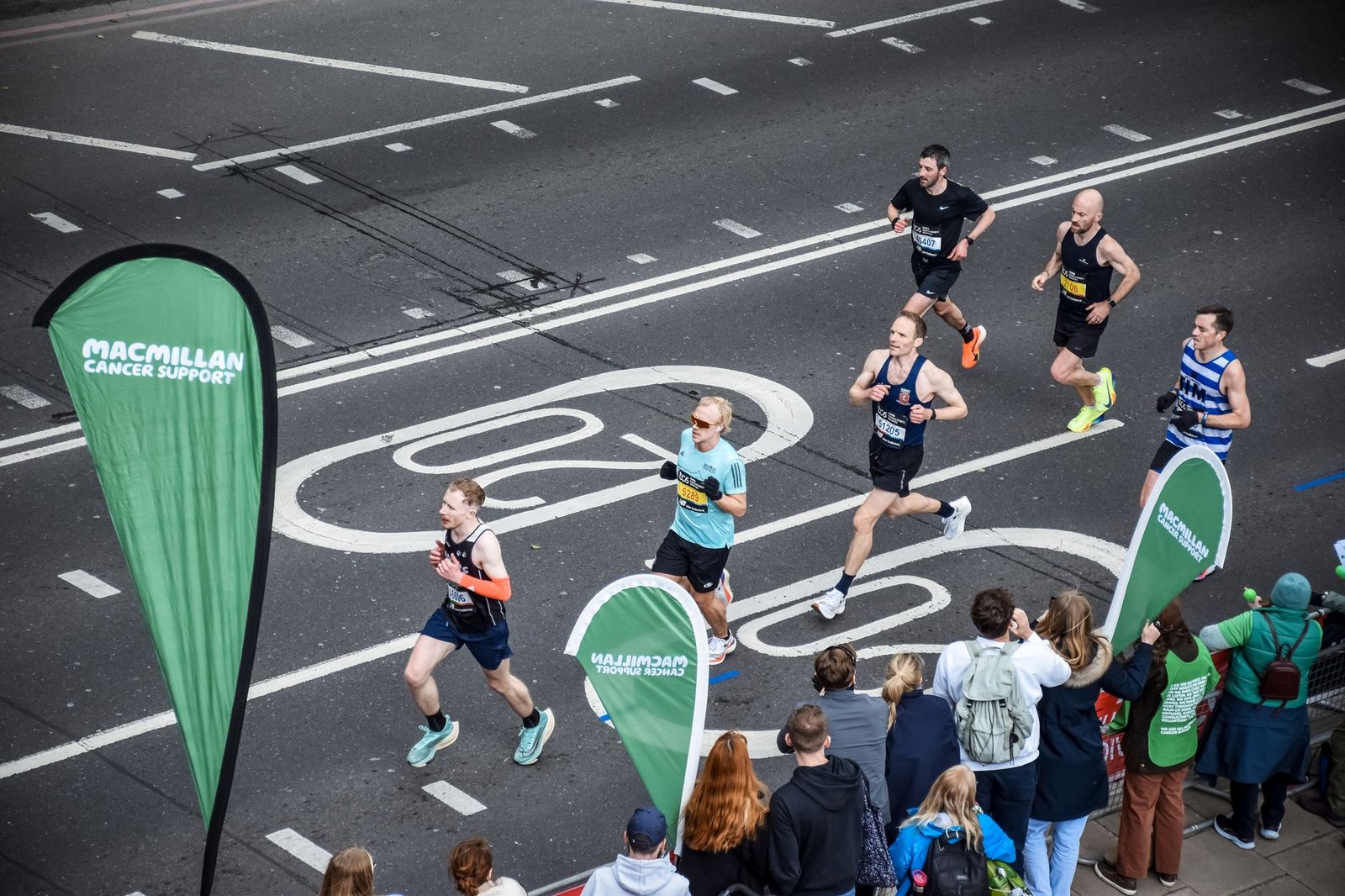
The point is not the bib. The point is the timed effort that matches the marathon training window and teaches pacing under fatigue.
Your Best Tune-Up Improves Execution, Not Just Fitness
Here is the hard truth: remote confidence and stopwatch pride do not win marathons. Execution wins marathons. The right London half marathon tune-up improves your marathon because it rehearses execution on the one day your plan will be tested by crowds, pressure, and timing uncertainty.
Choose the right date, match the distance, test your gear, pace with purpose, and practice fueling. If you do that, you walk into London with a plan your body already understands.
So ask yourself what your next half marathon tune-up will teach: clean pacing and calm decision-making, or chaos you will have to unlearn at mile 20?
How To Choose A London Half Marathon Tune-Up That Improves Your Marathon
How Do You Choose The Right Timing For A London Half Marathon Tune-Up Before Your Marathon?
Aim to race the half marathon about 4 to 6 weeks before your marathon, ideally while you still have enough time to recover and start tapering without hurting your freshening-up period.
What Half Marathon Distance And Effort Should You Use As A Marathon Tune-Up Benchmark?
Use a distance close to about half your marathon length, such as a 10 to 15K effort as a smaller option, and treat the race as a dress rehearsal with controlled, marathon-relevant effort.
How Can You Make Your London Half Marathon Tune-Up Feel Like Marathon Day?
Wear and test the exact same shoes and race-day gear you plan to use in London, including socks and chafing prevention, and if possible choose similar weather and course conditions.
How Should You Pace A London Half Marathon Tune-Up To Improve Your Marathon Fitness?
If the half marathon is your tune-up, you can run it around your planned marathon pace to practice holding that effort, or run it at full half-marathon race effort while still leaving room for extra recovery after the race.
What Recovery Plan Helps After A London Half Marathon Tune-Up So You Arrive Fresh For Marathon Day?
After the half, schedule extra easy days, reduce intensity quickly, and give yourself time to absorb the workout so fatigue and injury risk stay low when marathon training turns toward the taper.
How Can You Use Your London Half Marathon Result To Set Marathon Strategy And Goals?
Use what you learn from the race, such as pacing accuracy, fueling timing, and any late-race shoe or gear issues, and consider a race-equivalency calculator to estimate a marathon goal and adjust your plan.
Choose the Right Tune Up and Protect Your Marathon
Your answer to how to choose a london half marathon tune-up that improves your marathon is timing plus realism: race it 4 to 6 weeks out, treat it like a dress rehearsal in the same shoes and gear, and pace it to rehearse your marathon effort while still leaving room to recover before taper. If you nail that balance, the half marathon sharpens your execution instead of stealing your freshness.

I am Ozan, a London-focused running writer and marathon enthusiast with a passion for helping people discover the city’s best races, running routes, walking trails, and fitness events. I research and write practical, up-to-date guides covering marathons, race preparation, training tips, running gear, and everything related to staying active in London.
My goal is to create reliable, easy-to-follow content that helps runners and walkers of all experience levels explore London with confidence, whether they’re preparing for their first 5K or their next marathon.