Most people sprint themselves into bad mechanics at the finish. They panic, reach for speed too late, and then wonder why their shoulders hunch and their cadence slows. How to plan your finish-line sprint without overrunning your form is really about timing effort, not forcing it.
Start the “gear-up” before the last few steps and build toward near race pace in the final stretch. Instead of going all-out at the line, use a controlled pickup, like a two-thirds rule: pick up speed when you still have about one-third of the work left. Keep your posture tall, jaw and shoulders relaxed, and your steps quick and smooth so you do not overstride.
Protect form with one simple cue at a time, such as “smooth” for turnover or “tall” for alignment, and reset immediately when fatigue shows up through hunching or dropping cadence. Finish strong by training the habit too: add a controlled fast-finish push for the last 5 to 10 minutes on easy-long runs, then use short relaxed strides to practice speed with control. If discomfort hits, treat it as information, not permission to fall apart.
Your Finish Starts Before It Feels Like One
Ask yourself a hard question: why do so many runners overrun their form in the final minutes? Because they wait for the finish line to feel urgent, and urgency hijacks technique. Your sprint does not begin at the stripe. It begins when you decide that speed will come from controlled mechanics, not frantic compensation.
That is the real answer to how to plan your finish-line sprint without overrunning your form. You plan earlier, so your body is not forced to invent new movement patterns on tired legs.
Gear-Up Is the Anti-Overrun Strategy
The best finish is the one you already set up. Start the gear-up before the last few steps, when you can still find rhythm instead of scrambling for it. In practice terms, that means gradually moving toward near race pace in the final stretch rather than going all-out at the line.
Overrunning happens when the legs chase speed faster than the form can keep up.
Think of the final minutes as a transition, not a switch. You protect posture early, then you let the pace rise while your mechanics stay familiar. That is how you keep the finish from turning into a controlled fall forward.
Effort Without Form Collapse
It is tempting to treat the finish as a single all-or-nothing decision. That mindset forces a choice between speed and technique, and technique almost always loses late in the race. If you want a strong finish, you must protect form while you increase effort.
So you use pacing rules that prevent the last minutes from becoming a sprinting panic. Aim to build into speed, not launch into chaos. When fatigue arrives, you make the effort harder while keeping the movement efficient: relaxed jaw, shoulders down, “run tall,” and smooth turnover.
Try this mental model. If your cadence drops and your stride length stretches, your form is already paying interest on the debt of an early surge.
The One-Cue Rule Wins Under Stress
In the final stretch, your brain gets busy. Stress multiplies cues, and then you get none of them done well. That is why one-cue coaching works: pick a single form cue, and repeat it until it shows up in your stride.
Use cues like smooth, tall, or one more step. If you hunch or your cadence slips, you reset with a short reminder such as “run tall, faster feet,” or drive the arms harder and let the legs follow. Keep the cue simple enough that you can say it while you breathe.
Pacing Math Beats Heroics
You do not need motivational slogans. You need a plan that respects physiology. A common pacing method is a conservative first part of the race, then a controlled push in the final third. The “two-thirds rule” fits that logic: pick up speed when you still have roughly one-third left in the tank.
If you want a structure that keeps you smooth, use finish-line pacing rules as a reference point when you set your target effort.
- Early control preserves cadence for the last 5 to 10 minutes.
- Late acceleration is gradual enough that posture can hold.
The finish should feel like momentum, not like a rescue mission.
Cadence Over Panic at the Line
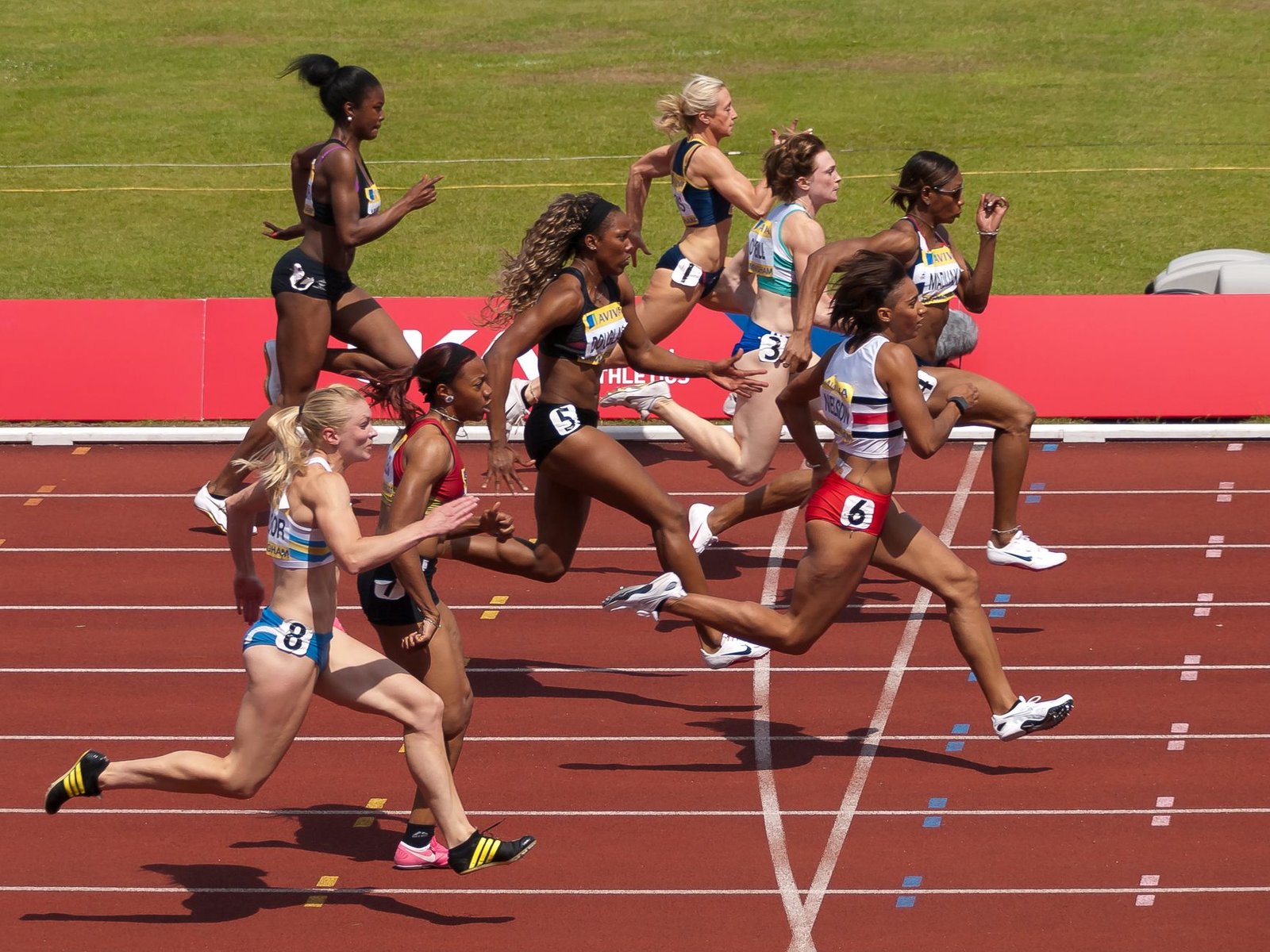
Overrunning is often a cadence problem before it becomes a power problem. When you sense discomfort, you may reach for speed by stretching your stride. That is the fastest path to hunching, pounding, and a technical collapse.
Here is a simple checkpoint grid you can rehearse in your mind so your body keeps cycling cleanly when the finish gets close.
| Distance Remaining | Effort Goal | Form Focus |
|---|---|---|
| 10 min | Controlled build | Run tall |
| 8 min | Near race pace | Faster feet |
| 6 min | Rhythm push | Relax shoulders |
| 3 min | Controlled intensity | Smooth turnover |
| 1 min | Strong finish kick | Eyes forward |
If you notice your steps getting longer, intervene immediately. Tell yourself “one more step,” then restore the cadence with smoothness, not force. Your goal is speed with mechanics still intact.
Tall Posture and Arm Drive When Legs Sag
Running tall is not an aesthetic preference. It is a mechanical advantage that keeps your stride from turning into a stumble. When fatigue hits, the body wants to fold. Your job is to prevent the fold by using posture cues and arm drive.
Keep the jaw relaxed, shoulders down, and arms active. When fatigue arrives, your legs follow your arms. So you do not wait for legs to recover. You change what your upper body is doing, and you let that information travel downward.
Use Discomfort as Data, Not Permission to Die
Panic masquerades as urgency in the final stretch. It tells you to grab speed by any means, and those means usually break form. Instead, treat discomfort as information. Where exactly is the failure showing up: cadence, posture, breathing, or coordination?
Then adjust one lever at a time. If cadence drops, cue faster feet. If you hunch, cue tall and reset your shoulders. If you lose smoothness, return to a single cue like “smooth” for a few seconds and rebuild rhythm.
The finish becomes controllable when you stop reacting and start diagnosing.
Build the Skill on Long Runs
Finishing well is a trained skill, not a lucky moment. If you want a controlled fast-finish in the last 5 to 10 minutes of a long run, practice it. Do not reserve the skill for race day, because race day has distractions and fatigue you cannot replicate cleanly later.
On your long runs, add a controlled fast-finish push in the final stretch. Keep it controlled enough that your form stays quiet. Then you learn what “hard but clean” feels like while your body still has some ability to respond.
Finish Easy Runs With Strides That Teach Control
Easy running should still leave you faster. Finish your easy runs with 4 to 6 relaxed strides of about 80 to 100 meters at roughly 85 to 90 percent max speed. They are short on purpose: you practice mechanics, not suffering.
On each stride, focus on tall posture, quick smooth turnover, and eyes forward. If you feel yourself overreaching, pull back immediately. Strides train form under speed, and they work only if you keep them clean.
Training Sessions That Replicate the Last Minutes
To plan your finish sprint without overrunning your form, your workouts must rehearse the conditions of the finish. That means sessions that improve speed while keeping mechanics stable under fatigue.
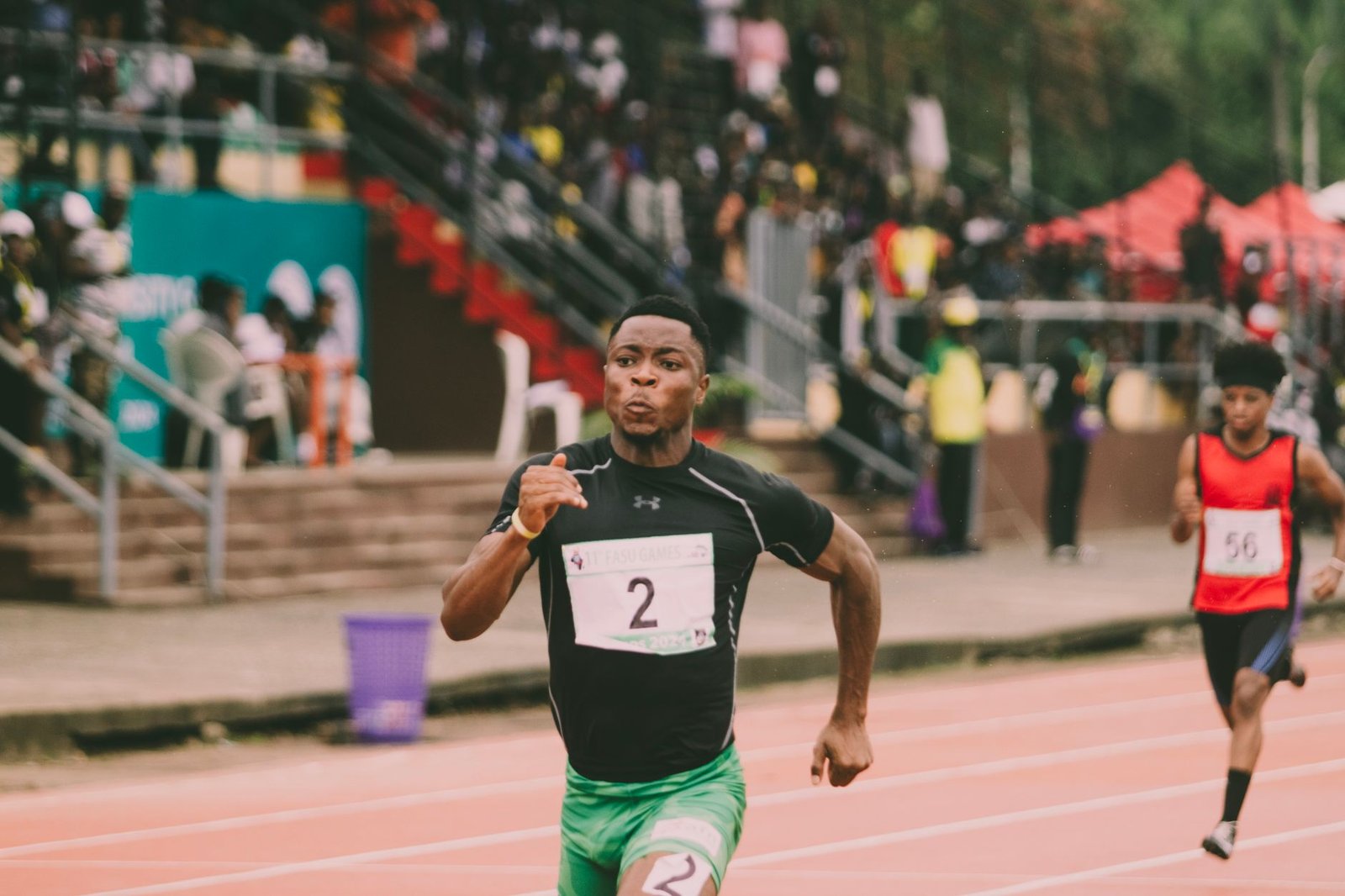
Good examples include ladder sprints and short hill sprints. Ladder sprints like 60 to 80 to 100 meters, then back down, teach acceleration without sudden form breakdown. Hill sprints of 10 to 15 seconds on a moderate incline build power with an easier posture for many runners.
In both cases, the rule is simple: focus on good form rather than maximum effort. If you try to win the workout with collapse, you will carry that collapse into races.
Your Plan Beats Your Gut Feeling
Race day does not reward improvisation when technique is on the line. You do not “feel your way” into a clean finish. You execute a plan that you practiced when your form could still obey you.
Set your pacing rule, start the gear-up early, keep one cue ready, and protect cadence over stride length. Then, when the final minutes arrive, you will not overrun your form. You will run through the finish with speed that still looks like you.
How to Plan Your Finish-Line Sprint Without Overrunning Your Form
When Should You Start Your Gear-Up for the Finish-Line Sprint?
Start the gear-up before the last few steps, typically 5 to 10 minutes from the end, so you can add speed gradually while your form still feels automatic.
How Can You Increase Speed in the Last Minutes Without Going All-Out at the Line?
Move toward near race pace during the final stretch instead of sprinting fully at the exact finish, then keep effort controlled by easing into the fastest part only as you still have enough strength to stay tall and smooth.
What Form Cues Help You Keep Efficient Mechanics During Your Sprint?
Use one cue at a time such as “run tall,” “smooth,” or “faster feet,” keep your eyes forward on a target, relax your jaw and shoulders, and aim for quick, even turnover instead of reaching with long strides.
How Do Pacing Rules Like the Two-Thirds Rule Protect Your Form?
Pick up speed when you still have about one-third of the finish stretch left, then apply a steady, controlled push rather than a sudden spike, so your arms can drive and your cadence stays consistent.
What Should You Do if Your Cadence Drops or You Hunch Near the Finish?
When you notice your posture tipping forward or your rhythm slowing, reset immediately with a short cue reminder like “run tall, faster feet,” or refocus on strong arm drive so your legs follow your upper body.
How Can You Train Finish-Line Sprint Control So It Feels Relaxed on Race Day?
Practice controlled fast-finish pushes on your last 5 to 10 minutes of long runs, then finish easy runs with a few relaxed fast strides, and build form-focused speed with sessions like ladder sprints or short hill sprints.
Plan The Finish Sprint The Right Way
To nail how to plan your finish-line sprint without overrunning your form, start the gear-up before the final few steps and treat the last minutes as a controlled push, not a panic all-out. Keep tall posture, quick smooth turnover, and one simple cue at a time, then finish faster when there is still enough form in the tank. If you cannot hold cadence, you are sprinting too soon, so adjust and practice the fast-finish work that makes this feel automatic.

I am Ozan, a London-focused running writer and marathon enthusiast with a passion for helping people discover the city’s best races, running routes, walking trails, and fitness events. I research and write practical, up-to-date guides covering marathons, race preparation, training tips, running gear, and everything related to staying active in London.
My goal is to create reliable, easy-to-follow content that helps runners and walkers of all experience levels explore London with confidence, whether they’re preparing for their first 5K or their next marathon.