
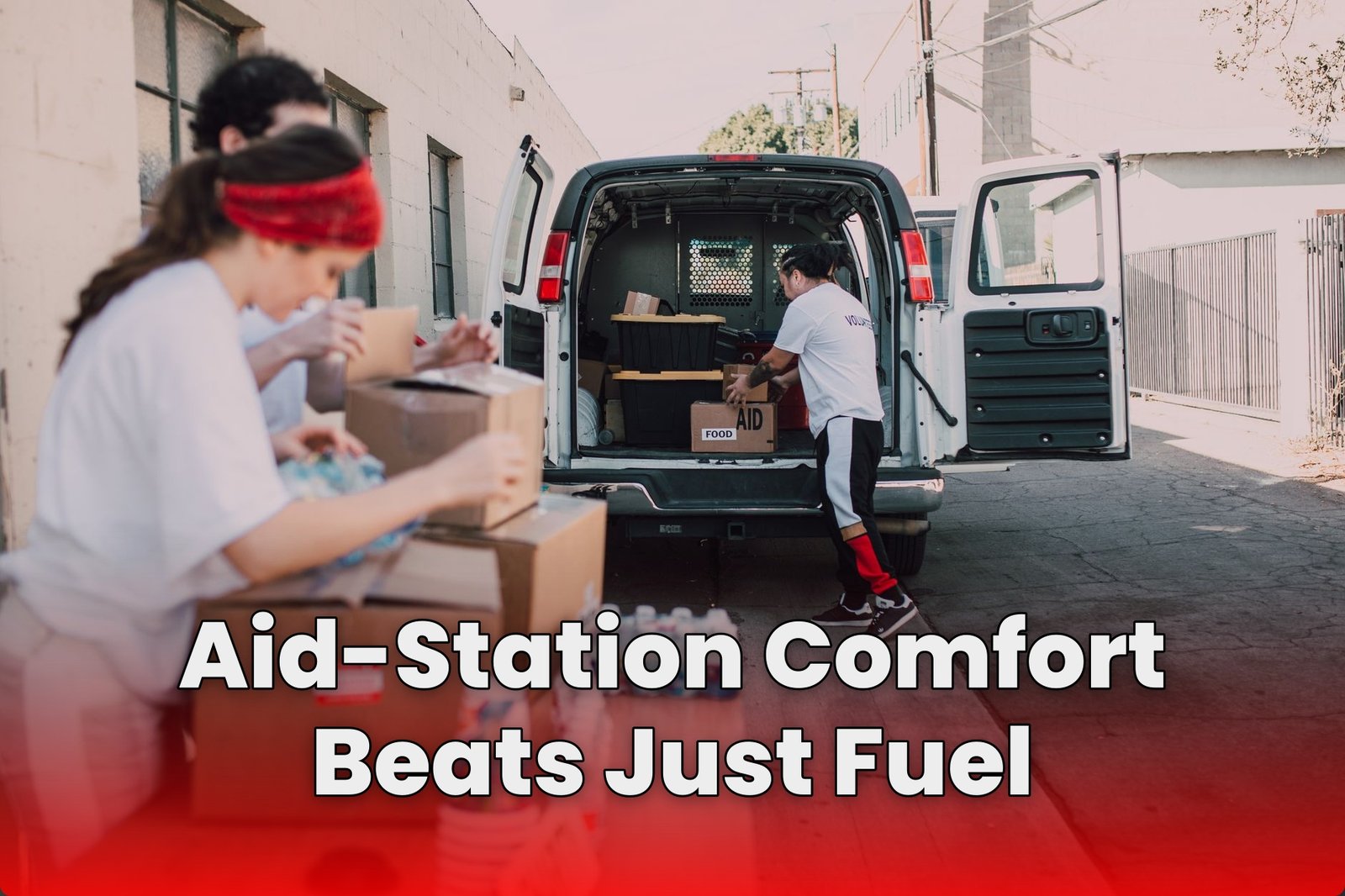
Endurance days are won by how steady you feel, not just by how many calories you carry. When you plan for aid stations only as refuel points, you ignore the uncomfortable truth: hydration and carbs matter, but so does how fast you can cool down, sip, and keep moving with confidence.
Comfort planning means making the station flow easier on race day. That is why many athletes bring a lightweight, non-spill handheld bottle for longer efforts in warm conditions, so sipping feels effortless instead of awkward. It also helps to choose storage-friendly setups, like a bottle that lets you grab gels or extra carbs quickly without rummaging, because small delays turn into mental friction.
If you want the practical edge, treat comfort as part of your fueling system. Communicate clearly with volunteers, stay aware of where you are on course, and use ice and cooling in the most convenient spots you will actually access while moving. Then test your exact “comfort at aid stations” plan repeatedly in training, so race day feels predictable rather than improvised.
Comfort Is a Performance Strategy, Not a Luxury
Endurance athletes obsess over fuel because it is measurable. But what to pack for comfort at aid stations, not just fuel is what protects your rhythm when the course stops feeling friendly. If you cannot drink, cool down, and move on without friction, the “perfect nutrition plan” becomes a theoretical exercise.
Comfort affects speed through second-order effects: how steady your breathing stays, how calmly you navigate crowds, and how quickly you reset your legs. Ask yourself a blunt question. If your hydration goes in but your hands, stomach, or skin feels miserable for 10 minutes, did you really win?
Supporters of minimalism argue that packing extra items is slower and more complicated. That sounds reasonable until you realize the real cost is time lost to fumbles, missed refills, and preventable discomfort later in the race.
Pack a Bottle You Can Hold One-Handed
A lightweight, non-spill handheld bottle is the backbone of aid-station comfort because it reduces uncertainty. Instead of waiting for tiny course cups or rationing sips, you can refill quickly and drink in a way that feels natural while you stay in motion.
For longer efforts, especially in hotter conditions around the mid-70s °F or higher, this matters even more. When thirst rises, you need a reliable way to respond immediately. A bottle you can comfortably sip and securely hold turns hydration from a gamble into a routine.
If you rely only on cups, you force yourself into awkward moments: stopping too long, reaching too far, or misjudging how much you actually drank. Comfort is not softness. It is control under pressure.
Choose storage So Fuel Stops Feeling Like Work
Fuel is not only about calories. It is about the mental load of managing it at the exact point you are most overloaded. A handheld bottle with storage, like a gel pocket or pouch, lets you grab what you need without digging through pockets while your form collapses.
When fuel access is automatic, you stay calm at the station and leave faster. Consider filling that bottle with a high-carb drink mix rather than starting with only water and electrolytes. Then gels become a supplement, not a rescue plan.
But won’t extra storage clutter slow you down? The opposite is true when the system is consistent. One organized pocket beats three frantic searches while you stand in line.
Ice Belongs in Your Plan Before It Belongs on Your Skin
Cooling is comfort with a job description. Ice is not just for relief. It can prevent overheating from turning every station into a fight for composure. Many athletes stash ice in ways that keep it accessible, such as stuffing it into a hat brim or a tri-suit location where it stays put.
Pack for repeatability. If you only think about ice once, you will still be scrambling each time your temperature climbs. A simple approach helps: keep a predictable cooling method and practice getting it on quickly.
And yes, you should consider the downsides. If ice delivery is inconsistent for your event, plan backup comfort like a spare cap strategy or extra fluid carry so you are not relying on one cooling option alone.
Use Volunteers Like a System, Not a Lottery
Aid stations run on flow. If you treat them like a random encounter, you will lose time and feel stressed. If you treat them like a system, you can refuel quickly even without a support person. Eye contact and clear gestures as you approach make volunteers faster and more accurate with refills.
For athletes who have relied on course cups, this is the moment to change habits. When you communicate clearly, the station becomes grab-and-go instead of a stop-and-guess routine. At events like Ironman, station navigation and fuel habits are often described in practical terms, including guidance such as aid-station navigation that helps you move efficiently.
Could you just wing it with no preparation? You can. But why gamble your calm when a few rehearsed cues and a reliable bottle make the station feel predictable.
Bring the Small Tools That Prevent Big Detours
Comfort failures rarely start as emergencies. They start as tiny annoyances: sticky hands, sweat stinging your eyes, or a cloth that would have stopped chafing from worsening. That is why the best pack list includes small tools that remove friction, not just hydration.
Think in terms of station operations. A compact towel or wipe can reduce stickiness quickly. Anti-chafe backup prevents irritation from escalating right when you can least afford it. Even a simple way to dry and reset your grip can help you handle bottle refills without slipping.
The opposing view says you should keep everything minimal. But minimalism that ignores comfort turns into a later penalty. A 30-second fix now can save 15 minutes of self-management later.
Pack One Clean Exit Plan for Trash and Rules
Aid stations feel chaotic because athletes stop mid-traffic, toss items wherever there is space, and then try to re-enter the course like nothing happened. That is not only messy. It is how you risk penalties and lose momentum while others glide past.
Your packing must include an exit plan. Know where your bottle/trash-drop area is and how you will discard items without hesitation. A dedicated pocket or quick-release approach makes cleanup automatic so you do not hold up your movement.
Is this overly strict? It is not. It is the difference between leaving the station with confidence and leaving it with regret, extra cleanup, or a rule problem you never meant to create.
Hydration Timing Beats Hope, Use Targets You Can Hit
Comfort at aid stations depends on consistency, and consistency depends on targets. You do not need perfection. You need a workable intake pace so you do not swing between underdrinking and frantic catch-up sips. A station becomes easier when you already know what you are trying to accomplish.
Use these as practical reference points for remote work productivity-style discipline applied to racing, where outcomes matter more than drama. Then adjust based on sweat rate, heat, and how your gut responds.
| Segment or Situation | Target Carbs | Target Fluid |
|---|---|---|
| Bike, warm conditions | 60-90 g per hour | 26-30 oz per hour |
| Run, steady effort | 40-50 g per hour | 20-24 oz per hour |
| Hot weather mid-70s plus | 60-80 g per hour | 28-32 oz per hour |
| Cooler conditions | 50-70 g per hour | 24-28 oz per hour |
| GI distress response | 30-40 g per hour | 20-24 oz per hour |
Here is the key counterargument to the “just drink when you feel like it” crowd. You can feel like it right up until you cannot. Targets create a buffer so the station serves your plan, not your panic.
Chafe and Blisters Belong in Your Bag, Not Your Regret
Comfort packing is injury prevention. Aid stations are where minor skin issues worsen because you are sweaty, moving awkwardly, and distracted. If you wait until you feel burning before you act, you often act too late.
A small blister or chafe kit can be decisive. Include what you personally need: anti-chafe balm, a few bandages or blister covers, and something to reset irritated areas quickly. Keep it accessible so you can solve the problem in a short window rather than carrying it for the next hour.
Some athletes assume “I will tough it out.” That is not toughness. It is avoidable suffering.
Plan for Porta-Potties Without Losing Your Head
Bathroom stops are part of long races, whether you like it or not. The comfort advantage comes from preparation: you are not guessing timing or struggling with logistics while fatigue makes decisions slower.
Pack essentials that make sanitation and privacy practical. If facilities allow, plan quick transitions so you can rejoin with a steady cadence. Even if the station provides what you need, having your own comfort items reduces stress when conditions are busy.
But won’t bathroom breaks ruin pacing? Not if they are planned and brief. If you go when you feel forced, you lose more time than you would with disciplined timing.
Test Everything in Training, Especially Comfort Items
Nutrition gets the spotlight, but comfort gear has its own rules. A new drink mix might bother your stomach, but a new lotion, a different gel pouch, or an unfamiliar bottle shape can create chafing or reduce grip. Race day is not the place to learn.
Test your full aid-station routine repeatedly. Practice approaching volunteers, refilling quickly, and taking your preferred sequence. Then confirm that the items you packed are actually comfortable while you are tired, not just comfortable when you are fresh.
Comfort comes from familiarity. The athletes who refuse experimentation are not being cautious. They are being efficient.
Hot and Cold Both Change the Packing List
Conditions shape comfort. In heat, you need cooling options and fluid reliability. In cooler weather, you might need protection that keeps you from losing too much warmth after stopping briefly. Even if the race environment changes slowly, aid stations create micro-climates because you slow down, sweat changes, and airflow shifts.
Pack with flexibility in mind. If you know the course can swing through different phases, plan a comfort kit that can handle heat stress and brief stops. That means predictable cooling access and dependable hydration delivery so you are not improvising under fatigue.
The minimalist response is to pack less. The smarter response is to pack adaptable comfort, so the station feels usable no matter what the weather decides.
The Real Win Is Staying Calm While You Refuel
Comfort at aid stations is not a side quest. It is how you keep your body and mind coordinated when everything else is pulling you apart. When you bring the right items, you do not just consume fuel. You maintain rhythm, reduce friction, and leave each station with your posture intact.
So build your pack list around repeatable comfort: a handheld bottle you enjoy using, organized access to gels, tactical cooling, small tools for skin and hands, and a clear plan for exits and refills. Then apply intake targets consistently and adjust only based on real feedback.
If you want to race better, stop treating comfort as optional. The best athletes do not “power through” stations. They arrive prepared, act calmly, and move forward while others are still figuring out what they forgot.
What Should You Pack for Comfort at Aid Stations, Not Just Fuel?
What comfort items help you feel better at aid stations during long endurance events?
Pack small, purpose-built comfort items like an easy-to-sip handheld bottle, a way to cool down (ice in your hat or tri suit), and practical snacks you can eat on the move, such as gels, bananas, or pretzels, so you reduce stops and keep yourself settled for the next stretch.
How can a handheld non-spill bottle improve comfort and reduce uncertainty at aid stations?
A lightweight, non-spill handheld bottle lets you sip continuously and refill quickly, which reduces anxiety about missing tiny course cups and helps you maintain steady hydration in hot conditions for better comfort.
Should you pack storage for gels or extra carbs at aid stations, not just water and electrolytes?
Yes—choosing a bottle or setup with convenient storage (like a pouch or gel pocket) helps you stay organized while you grab gels or mix extra high-carb intake, so you can meet fueling goals without fumbling through multiple pockets.
If you don’t have a support person, how do you communicate with volunteers for quick refills?
Use clear, early communication as you approach—eye contact, simple hand gestures, and confirming what you need—so volunteers can fill bottles fast and you can keep moving without creating safety risks or delays.
What grab-and-go foods and cooling supplies should you expect at aid stations like IRONMAN?
Many aid stations offer water, electrolytes, energy gels, and solid options such as bananas, orange slices, pretzels, or broth, plus ice for cooling; having a plan for what you’ll take helps you stay comfortable even when options feel busy or unpredictable.
How should you plan aid-station timing and station flow to stay comfortable without stopping mid-race?
Practice your station routine in training and avoid trying new nutrition on race day; aim for realistic intake targets per hour, and follow the station flow by riding through or stopping only at the end if you must, so you stay comfortable and reduce the risk of lost time or missed fueling.
Pack for Comfort, Not Just Calories
If you want better outcomes on race day, you need to rethink what to pack for comfort at aid stations, not just fuel, because the goal is steady hydration, faster intake, and fewer mental and physical interruptions. Bring a non-spill handheld bottle you can hold comfortably, add storage for grab-and-go calories, plan for cooling with ice where it matters, and set yourself up to move through stations smoothly instead of guessing in the moment. Train your exact setup ahead of time, then commit to it, because comfort is what keeps your fueling plan working when conditions get tough.