Blisters are preventable, and the moment you feel a hot spot from a seam or friction, you should treat it like an emergency. Waiting until the skin breaks is what turns a minor irritation into days of pain, awkward walking, and higher infection risk.
The winning strategy is simple: cushion and shield immediately. Cover the area right away with tape, a gel or hydrocolloid blister bandage, or moleskin to reduce ongoing rubbing and shear. Then fix the root cause by changing the fit, switching to moisture-wicking socks, and avoiding the offending shoes or equipment until the skin has fully healed.
Once covered, keep the blister clean and dry, and if the “roof” is still intact, leave it in place because it acts like natural protection. If it bursts, gently wash with soap and water, pat dry, avoid peeling loose skin, and use a nonstick dressing; watch closely for infection signs like spreading redness, increasing warmth, worsening pain, swelling, pus, or unusual discoloration.
Spot The Hot Spot Before The Skin Breaks
Here is the real truth behind how to manage blister hot spots from seams and friction: by the time a blister is fully formed, you are already late. The smartest move is to treat heat and tenderness as an alarm, not as something you should tolerate until later.
If you feel a sharp burn, “hot” pressure, or a localized sting at a seam, the problem is friction plus shear. Seams concentrate force into tiny contact points, and repeated rubbing quickly overwhelms the skin’s ability to stay intact.
Don’t wait for a blister. Treat the moment your body tells you friction has started winning.
Stop Pressure And Shear Immediately
Why do so many people end up with painful, fluid-filled blisters? Because they keep walking, running, or wearing the offending clothing long after the hot spot appears. Friction does not pause just because you are “close to the finish line.”
When the sensation hits, reposition or stop the activity right then. Even a short break reduces cumulative rubbing enough to prevent the skin from splitting. Then adjust fit or change what is touching the area so force is no longer concentrated at the same point.
Ask yourself a simple question: if the spot is already burning, what do you hope to gain by continuing?
Cover First Then Cushion The Spot
Once you have a hot spot, your job is to create a barrier and a buffer. Covering right away prevents direct friction against vulnerable skin and reduces irritation from ongoing micro-movements.
Use tape, a gel or hydrocolloid blister bandage, or moleskin to protect the area immediately. The goal is not decoration. The goal is to stop rubbing, spread pressure, and keep the area from being repeatedly re-injured.
In high-friction zones like soles, consider padding that supports the pressure around the spot rather than stacking more pressure directly on it.
Pick The Right Material For The Right Stage
Not all blister treatments are interchangeable. Hydrocolloid blister bandages are designed to manage friction blisters with a protective environment, while moleskin and tape are more about mechanical cushioning and friction reduction.
When skin is still intact but angry, hydrocolloid can help protect and cushion. When the issue is concentrated rubbing from a seam edge, moleskin with padding or a relief hole can reduce shear at the center while keeping contact from continuing to bite.
What matters most is the match between the stage (hot spot versus broken skin) and the mechanism (cushioning versus barrier versus pressure redistribution).
Fix Shoes, Socks, And Seams The Same Day
Protection is temporary. If you ignore the source, you are just buying pain relief time. For friction from seams, that usually means either changing footwear conditions or modifying how the seam contacts the skin.
Switch to properly fitting shoes, and avoid pressure points caused by tight toe boxes, narrow widths, or worn soles that let the foot slide. Choose moisture-wicking socks so damp skin does not increase friction. If a seam is the culprit, use padding or repositioning so the seam no longer travels over the same exact spot.
Don’t underestimate shear. Two hours of rubbing can do more damage than one dramatic impact.
Control Moisture So Friction Has Less Power
Wet skin is softer and more vulnerable, and it increases the likelihood that a hot spot escalates into a blister. Moisture can come from sweat, rain, or even just trapped humidity between sock layers and footwear.
If you want a practical plan, this quick decision table turns moisture control into actionable steps.
| Situation | Best Friction Strategy | Timing Target |
|---|---|---|
| Hot spot starts with heat | Cover and cushion | Within minutes |
| Skin still intact and painful | Hydrocolloid protection | Leave up to 5 days |
| Dressing becomes loose or wet | Replace dressing | Within 24 hours |
| Moisture keeps building | Change socks and dry | As soon as damp |
| Risk factors are present | Lower your tolerance for delay | Same day advice |
Moisture control is not a luxury. It is part of the treatment. If dampness is continuing, your dressing may protect for a while, but the hot spot can still return.
Keep The Roof On When Skin Is Intact
When a blister is present but the skin “roof” is still intact, your best default is to leave it alone. That top layer acts like natural protection against infection and helps guard the sensitive tissue underneath.
If the skin is intact, cover it with a padded or soft dressing. A nonstick pad plus cushioning on high-friction areas works well, especially on soles where pressure and shear are constant.
For reliable first-aid guidance, blister care basics emphasize protecting the area and monitoring for infection.
If The Blister Bursts, Clean Gently And Cover
Accidents happen. If the blister bursts, do not peel loose skin. That discarded layer may be gone, but the remaining skin still matters, and aggressive peeling can create new raw areas.
Gently wash with soap and water, pat dry, and cover with a nonstick bandage. This reduces friction against the open wound and lowers the chance of further damage while you move.
Then shift your mindset from “protect the roof” to “protect the wound bed.” Your job is to keep it clean, covered, and as friction-free as possible.
Drain Only When Discomfort Is Severe
Most friction blisters heal with simple protection and time. The impulse to “relieve it” by draining can backfire if you break the wrong layer or contaminate the wound.
If a blister is extremely uncomfortable or likely to rupture on its own, drainage may be considered. But do it only with clean, sterilized tools, washed hands, and careful technique, ideally in a setting that can provide proper hygiene and follow-up. After drainage, leaving the overlying skin in place when possible helps preserve protection.
Yes, some people will argue that drainage speeds healing. In practice, the bigger risk is introducing infection or tearing tissue during a home procedure.
Change Dressings Smartly And Track Progress Daily
Dressings are not “set and forget.” If the bandage becomes loose, soaked, or contaminated, friction resumes and your progress resets.
Change your dressing regularly, keep the area clean and dry, and monitor daily for improvement. Look for decreasing pain and stable or improving redness, not widening irritation.
If the spot is still hot after a day, you likely have not fully addressed the source of friction. The dressing can reduce damage, but it cannot cancel the mechanics of rubbing.
Recognize Infection Early And Treat It Like Urgent Care
Infection is what you are preventing from the start. Watch for spreading redness or warmth, increasing pain or swelling, pus, red streaks, or dark discoloration. These are not “normal healing bumps.”
If you notice infection signs, seek medical care promptly. Delaying turns a manageable problem into something harder to treat, and blister wounds are already compromised skin.
Redness that expands beyond the blister area is especially concerning. So is warmth that keeps intensifying while you rest.
Extra Caution For Diabetes And Poor Circulation
If you have diabetes, poor circulation, or a history of frequent or recurrent blisters, you should act earlier and take wound care more seriously. Healing can be slower, and the risk of complications is higher.
That means you should not “test your luck” with a wait-and-see approach. Cover early, keep dressings clean, limit friction aggressively, and reach out to a clinician sooner rather than later.
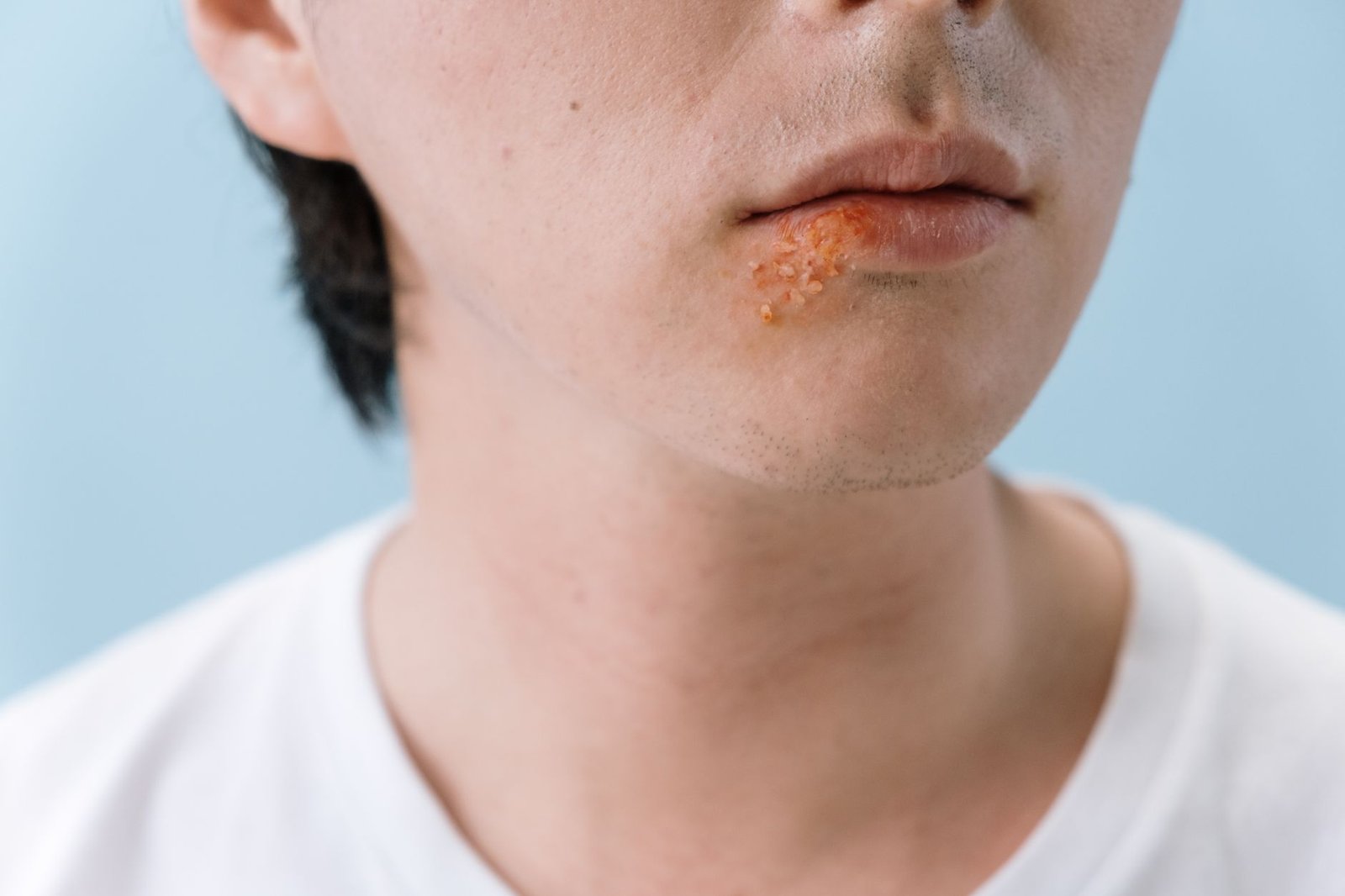
Opponents of early care sometimes say it is overreaction. But when sensation or healing is compromised, the cost of being wrong is far greater.
Prevent The Next Hot Spot With Better Fit And Targeted Fixes
The final goal is not just relief. It is a setup that prevents seams and friction from creating a repeat performance. After the immediate issue is managed, evaluate the cause: shoe fit, sock friction, seam placement, and foot movement within the shoe.
Make targeted adjustments. Replace worn footwear, try different sock fabrics or seams, use padding where pressure concentrates, and consider footwear lacing changes so the foot does not slide and grind against the same point.
If you can stop the friction pattern, you stop the hot spots. And once you do that, “treatment” becomes prevention, which is exactly how it should be.
How to Manage Blister Hot Spots from Seams and Friction
How do I stop blister hot spots from forming from seams and friction?
Address hot spots early by protecting the area immediately with a cushioning layer, then stop or adjust the activity and gear that caused the rubbing so pressure and shear reduce right away.
What supplies should I use when I feel a blister hot spot starting?
Use tape, moleskin, or a hydrocolloid (gel) blister bandage to cushion and reduce friction, and consider a padding layer to keep the seam from contacting the skin.
How can I prevent blisters by adjusting shoes and clothing for friction control?
Choose better-fitting shoes, smooth or remove irritating seams, and wear moisture-wicking socks so the skin stays drier and less prone to rubbing.
Should I leave the blister roof on when the skin is still intact?
If the blister skin is intact, keep the “roof” in place because it helps protect against infection, and cover it with a soft, non-adherent dressing or gauze that won’t stick to the area.
What should I do if a blister bursts from seam friction?
Gently wash with soap and water, pat dry, avoid peeling loose skin, and cover with a nonstick bandage while you keep friction-causing footwear or equipment off until healing.
When should I get medical care for infected blister hot spots or recurrent friction blisters?
Seek medical care promptly if redness spreads, warmth increases, pain or swelling worsens, pus develops, or the skin changes color, especially if you have diabetes, poor circulation, or frequent/recurrent blisters.
Act Fast and Protect Hot Spots
How to manage blister hot spots from seams and friction is simple: treat the moment you feel the sting, cushion immediately with tape or a hydrocolloid blister bandage, and fix the cause by adjusting footwear and moisture-wicking socks so pressure and shear stop. Leave the blister roof in place when skin is intact, keep it clean and dry, and cover with a nonstick dressing to prevent infection. When you do this consistently, those recurring “hot spots” stop becoming full blisters, and recovery becomes the exception, not the rule.

I am Ozan, a London-focused running writer and marathon enthusiast with a passion for helping people discover the city’s best races, running routes, walking trails, and fitness events. I research and write practical, up-to-date guides covering marathons, race preparation, training tips, running gear, and everything related to staying active in London.
My goal is to create reliable, easy-to-follow content that helps runners and walkers of all experience levels explore London with confidence, whether they’re preparing for their first 5K or their next marathon.