Overdrinking is an avoidable mistake, and it can backfire fast through a problem people casually call “slosh.” The fix is not to drink less water forever, but to taper hydration in a controlled rhythm so your body absorbs what it needs without flooding your system.
If you’ve ever gulped “just to be safe” during heat or intense exercise, you’ve probably experienced the dull reality of sloshing and bloating, even when you feel like you should be helping yourself. Instead, pace your intake, sip regularly, and let thirst guide you, because speed and volume matter more than total good intentions.
You can also reduce risk by replacing what sweat takes, especially sodium, rather than only adding more plain water. Watch for early warning signs like nausea, headache, weakness, confusion, or unusually pale or colorless urine, and if symptoms appear, stop drinking and seek medical advice, because severe water intoxication is not something to “push through.”
Taper Hydration Is Not Water Loading
Taper hydration is about staying functional, not stuffing yourself with water. The goal in the final days before a race or hard training block is to prevent dehydration while keeping your body chemistry stable. If you chase a bigger number on the scale by drinking constantly, you are not improving performance, you are gambling with it.
Many athletes believe that “more fluid” equals “better recovery.” But recovery is driven by training adaptation, sleep, and nutrition, not by how full your stomach feels. In fact, overdrinking can backfire by diluting sodium and increasing the risk of “slosh” or water intoxication.
If your plan is mainly about avoiding thirst instead of managing intake, how long before that fear turns into overhydration?
Pace Your Thirst Instead of Chugging
Here is the simple rule that most people ignore: drink reasonably frequently, and let thirst guide you. Chugging is not hydration, it is speed. Even a good habit becomes dangerous when you force large volumes before your body can process them.
Thirst is not perfect, but it is your body’s real-time feedback loop. On taper days, you often feel less sweaty and less stressed, so your thirst can soften. That is exactly when people overcorrect and keep drinking “just in case.”
Don’t top up to chase comfort. Sip, pause, and adjust based on how you feel and what your urine looks like later.
Speed Turns “Safe” Into Slosh
Learning how to avoid overdrinking and slosh starts with one blunt truth: rate matters. Your kidneys can handle large volumes under normal conditions, but the risk rises when you consume water faster than your system can regulate it.
Think of it like this. You can pour a lot of water into a cup, but if you pour it too fast, it overflows. Your body has a similar limit for balancing fluids and electrolytes, especially when you also have heavy sweating or limited sodium intake.
Slow down the pour. If you catch yourself repeatedly finishing full cups in quick succession, you are likely creating the very conditions you are trying to prevent.
Color and Symptoms Should Guide You
Urine color is a practical tool because it reflects hydration status over time. Light yellow, often described as “lemonade,” generally suggests you are in a safe zone. Colorless urine is a warning sign that you may be overdoing it.
But the bigger issue is what happens with symptoms. If you develop nausea, bloating, headache, weakness, confusion, or loss of coordination, treat it as urgent, not as a minor inconvenience. water intoxication risks can appear before you realize you have been overhydrating.
Your hydration plan should respond to your body, not override it. When symptoms show up, stop drinking and seek medical care.
Replace Sweat Sodium, Not Just Water
Hydration fails when electrolytes do not keep pace with fluid shifts. If you sweat heavily or train long enough that sodium losses matter, plain water can dilute the remaining sodium in your body. That is how a “healthy” hydration habit becomes a problem.
You do not need constant electrolyte drinks, but you do need a strategy. A simple approach is to use electrolyte-containing drinks or salted foods when training is long, hot, or sweat-heavy. If your diet already supplies enough sodium, you may not need sports drinks for every short session.
The point is control. Don’t replace sweat with water alone, and don’t treat sodium as a villain.
Build a Simple Day Plan With Meals and Sips
On taper days, you want consistency without chaos. The safest pattern for most people is drinking moderate amounts with meals and smaller drinks between meals. That rhythm reduces the urge to chug and keeps your body from swinging between underhydrated and overhydrated.
| Time Window | Hydration Choice | Target Volume |
|---|---|---|
| With breakfast | Water or light electrolyte | 8–12 oz (250–350 ml) |
| Mid-morning | Water | 4–6 oz (125–180 ml) |
| Between meals | Small sips | 6–8 oz (180–250 ml) |
| Pre-activity or warmup | Water in small amounts | 4–6 oz (125–180 ml) |
| Evening | Water with a normal meal | 8 oz (250 ml) |
After that, stop guessing. Check your urine later in the day and adjust the next window. This is boring on purpose. Boring is where safety lives.
If you need a system to avoid overdrinking and slosh, this is it. A plan beats willpower every time.
Respect the One Liter Per Hour Ceiling
A useful benchmark is that it is generally too much to drink more than about 32 oz (1 liter) per hour. Even with normal kidney function, the risk of water intoxication rises when you push volume too fast, especially with impaired kidney function or large losses of sweat electrolytes.
This is not a challenge to “test your limits.” Taper weeks are already about reducing training stress. The best performance mindset is to protect your physiology from avoidable mistakes.
When in doubt, slow down. If you feel you “should” drink more, ask yourself whether you are responding to thirst or to anxiety.
Measure Body Weight to Replace What You Lost
If you want precision without overcorrection, use body weight. For longer workouts or hot conditions, weigh yourself before and after. For many people, each 1 lb (about 0.5 kg) of weight loss corresponds roughly to 16 oz (about 1 pint) of fluid lost.
This method prevents both extremes. It stops you from underdrinking because you feel “fine,” and it stops you from overdrinking because you feel “parched.” You replace what you lost, not what you fear.
During taper, this is especially valuable because sweat rates can change as intensity drops. Your hydration should change too, not just your habits.
Sports Drink Hype Won’t Fix Poor Timing
Many athletes think the solution to hydration risk is to switch to a sports drink and drink freely. That is a mistake. Electrolytes help, but they do not give you permission to ignore fluid volume and drinking speed.
In other words, you can still overdrink on sports drinks. The safer approach is moderation and timing. Use electrolyte drinks when they match the scenario, like longer sessions, heavy sweating, or limited access to salted food.
Hydration quality is not the same as hydration quantity. Respect both and you will stop turning “recovery” into “risk.”
Heat and Duration Change the Rules Midstream
Taper does not eliminate sweat. It often reduces it, but weather can flip the script. Heat increases fluid loss through sweat, and high-intensity efforts can amplify sodium loss. If you treat a hot day like a cool one, you may underhydrate or, ironically, overcompensate.
So adapt. For workouts approaching about 60 minutes or more in heat, you may need electrolyte-containing options and a more structured fluid plan. If you are not sweating much and your taper sessions are short, you likely do not need frequent large drinks.
Why would you keep one hydration script for every climate?
Kidney Health and Medical Risk Require Extra Discipline
For people with impaired kidney function, the margin for error is smaller. That is when the “drink moderately and pace your thirst” advice becomes non-negotiable. If your kidneys cannot clear excess water efficiently, overdrinking can move from uncomfortable to dangerous more quickly.
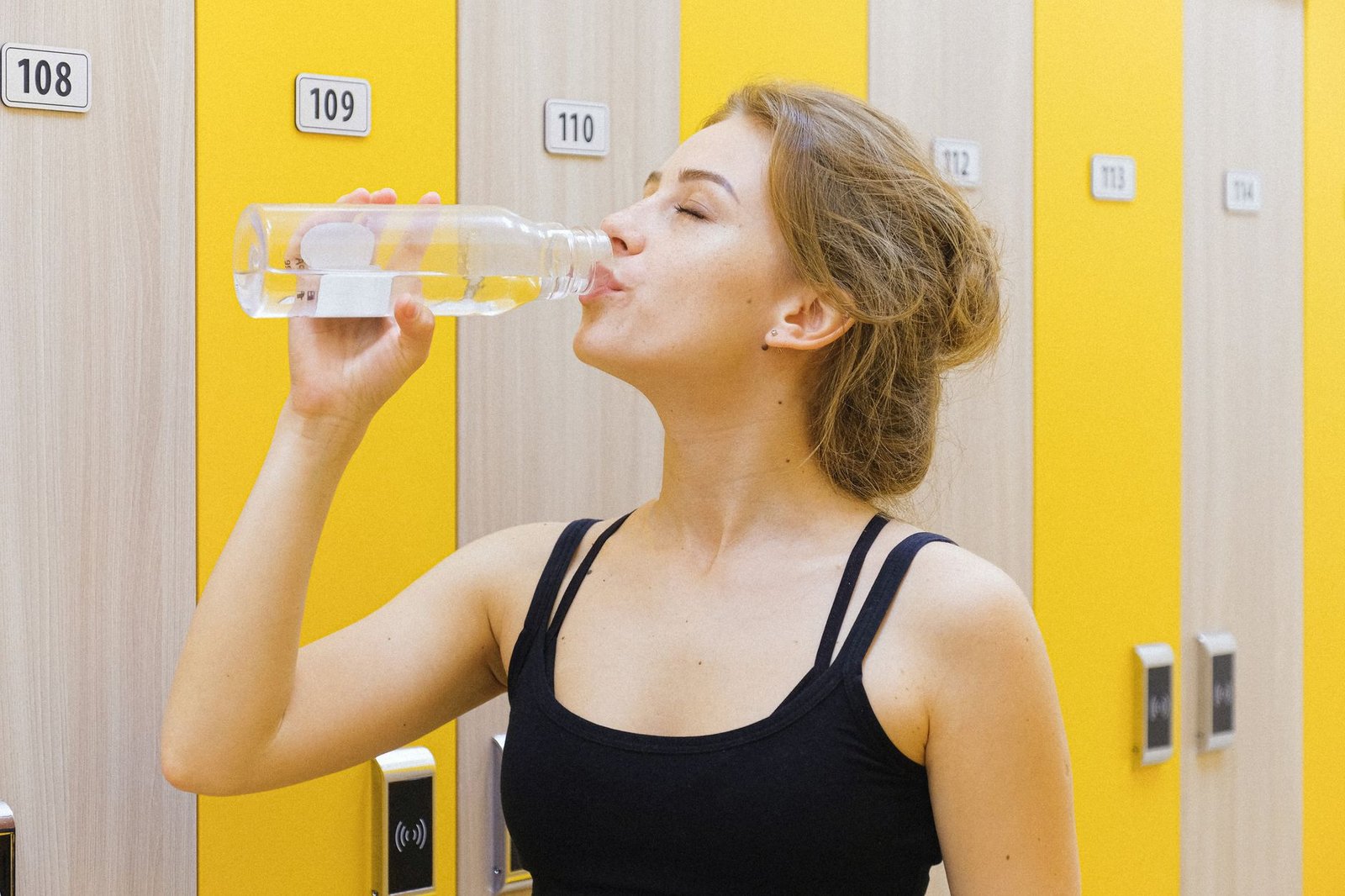
Also consider medications and medical conditions that affect fluid balance. If you have a history of hyponatremia or a clinician has warned you about fluid restriction, follow that guidance even if it conflicts with trendy hydration advice.
Don’t outsource safety to the crowd. Your physiology is not everyone else’s physiology.
Stop Treating Thirst as a Failure Signal
Thirst is not a personal weakness. It is a measurement of need, and it changes with activity, temperature, and your own sweat rate. During taper, the urge to drink constantly often comes from wanting certainty, not from needing water.
Adopt a posture of restraint: sip during the day, take planned fluids with meals, and avoid “catch-up” chugging. If you practice taper hydration as a steady routine rather than a frantic response, you reduce risk and you feel better on race day.
The best hydration plan does not ask you to be perfect. It asks you to be reasonable.
How to Taper Hydration and Avoid Overdrinking and Slosh?
What Is “Slosh” From Overhydration and Why Does Taper Hydration Matter?
“Slosh” is a colloquial term for water intoxication, where drinking too much water too quickly dilutes sodium in the blood and can cause nausea, headache, confusion, and worsening weakness. Taper hydration means you reduce “chugging” and pace intake so your body can balance fluids and electrolytes safely.
How Much Water Should You Drink to Avoid Overdrinking During Heat or Exercise?
For most people, a practical guideline is to avoid large, rapid intakes and aim for moderate, frequent drinking. As a rough safety reference, staying around about 32 oz (1 liter) per hour is generally safer, while drinking more slowly helps lower risk of overhydration, especially if you’re sweating heavily.
How Can You Pace Your Fluid Intake to Prevent Slosh?
Use a steady pattern: take smaller sips, pause rather than “top up,” and spread fluids across meals and breaks. Let thirst guide you, and avoid gulping when you’re not actively losing sweat, since fast intake is the main trigger for slosh risk.
When Should You Use Electrolytes to Support Taper Hydration and Reduce Slosh Risk?
If you’re exercising longer than about 60 minutes or sweating heavily, electrolyte losses can increase the risk of diluted sodium. Consider electrolyte-containing drinks in moderation or salty snacks, and don’t rely on plain water alone when sweat losses are significant.
What Are the Early Warning Signs of Overdrinking, and What Should You Do Immediately?
Early warning signs include light yellow “lemonade” urine suggesting adequate hydration, while very clear urine plus symptoms such as nausea, bloating, headache, weakness, confusion, or loss of coordination may indicate overdrinking. If symptoms occur, stop drinking, seek medical advice urgently, and treatment often involves restricting water and addressing low sodium if severe.
Who Should Be Extra Careful With Taper Hydration to Avoid Overdrinking?
People with kidney disease, impaired kidney function, or conditions affecting fluid balance should be more cautious because they may not handle large volumes effectively. If you have a medical condition, are on certain medications, or have had prior water intoxication, follow individualized guidance from a clinician and avoid rapid fluid increases.
Taper Hydration and the Real Fix
Taper hydration, how to avoid overdrinking and slosh is simple: stop treating thirst as an emergency and start pacing fluids like an athlete, not a faucet. Sip steadily, use smaller top ups instead of chugging, and let your urine color and how you feel guide you. If you are sweating hard or exercising long, replace what you lose with electrolytes instead of more plain water, then adjust based on sweat and body-weight change. The goal is balance, because overdrinking is not “extra safety,” it is how you turn hydration into a problem.

I am Ozan, a London-focused running writer and marathon enthusiast with a passion for helping people discover the city’s best races, running routes, walking trails, and fitness events. I research and write practical, up-to-date guides covering marathons, race preparation, training tips, running gear, and everything related to staying active in London.
My goal is to create reliable, easy-to-follow content that helps runners and walkers of all experience levels explore London with confidence, whether they’re preparing for their first 5K or their next marathon.