Your training should not punish you with choppy, slower strides just because the workout gets hard. The usual mistake is treating the symptom like the problem, when the real culprit is often your footfall and how far your foot travels forward each step. When you overreach, your body has to brake on landing, and that steals speed before you even notice it.
The fastest “form and footfall” fix starts with a simple check: film yourself from the side. If you land well in front of your center of mass, your knee stiffens at contact, or you strike in a way that feels like a heel hit with toes drifting up, your stride will feel slower even if your effort stays the same. Aim for a taller, relaxed posture, shoulders down, head up, and a soft knee that lets you land closer to where your body is stacked.
Then adjust cadence and control it like training, not guesswork. Increasing cadence by about 5 to 10 percent often shortens stride length and encourages a midfoot landing, which reduces that braking effect. Use a metronome or cadence alerts, add short faster blocks while keeping effort steady, and build the time up gradually. If your hips drop or sway, add simple hip-stabilizer work, and change one detail at a time so your body can adapt without injury risk.
Overstriding Steals Your Speed
“Why your strides feel slower in training: a form and footfall fix” starts with a boring truth. If your foot lands too far in front of your body’s center of mass, you are spending your energy on braking instead of driving. That mismatch creates the sensation of effort without acceleration.
When your foot lands far in front, the overstriding form fix logic explains the slowdown: you are braking before you push. You might even count it as “more stride,” but the math is cruel. Extra reach in front lengthens the braking phase and steals ground contact time you cannot afford.
But what about advice to “open up your stride”? That advice sounds athletic, until you realize it often increases the footfall distance ahead of your torso. Shorter, faster steps reduce the distance your foot has to travel forward, which moves your landing closer to where your body is actually headed.
Fatigue Turns Fast Mechanics Into Choppy Steps
Good form is not optional. It is a moving target, and fatigue is what pulls you off it. Late in a run, your hip stabilizers soften, your posture collapses slightly, and your lead foot reaches farther to compensate. The result is choppy cadence and slower stride cycle even if your legs still feel “strong.”
If strides feel slower mostly at the end of workouts, ask a sharper question: What changes in your landing when you get tired? Filming the last 60 to 90 seconds can reveal it instantly, especially if your knee angle straightens at contact.
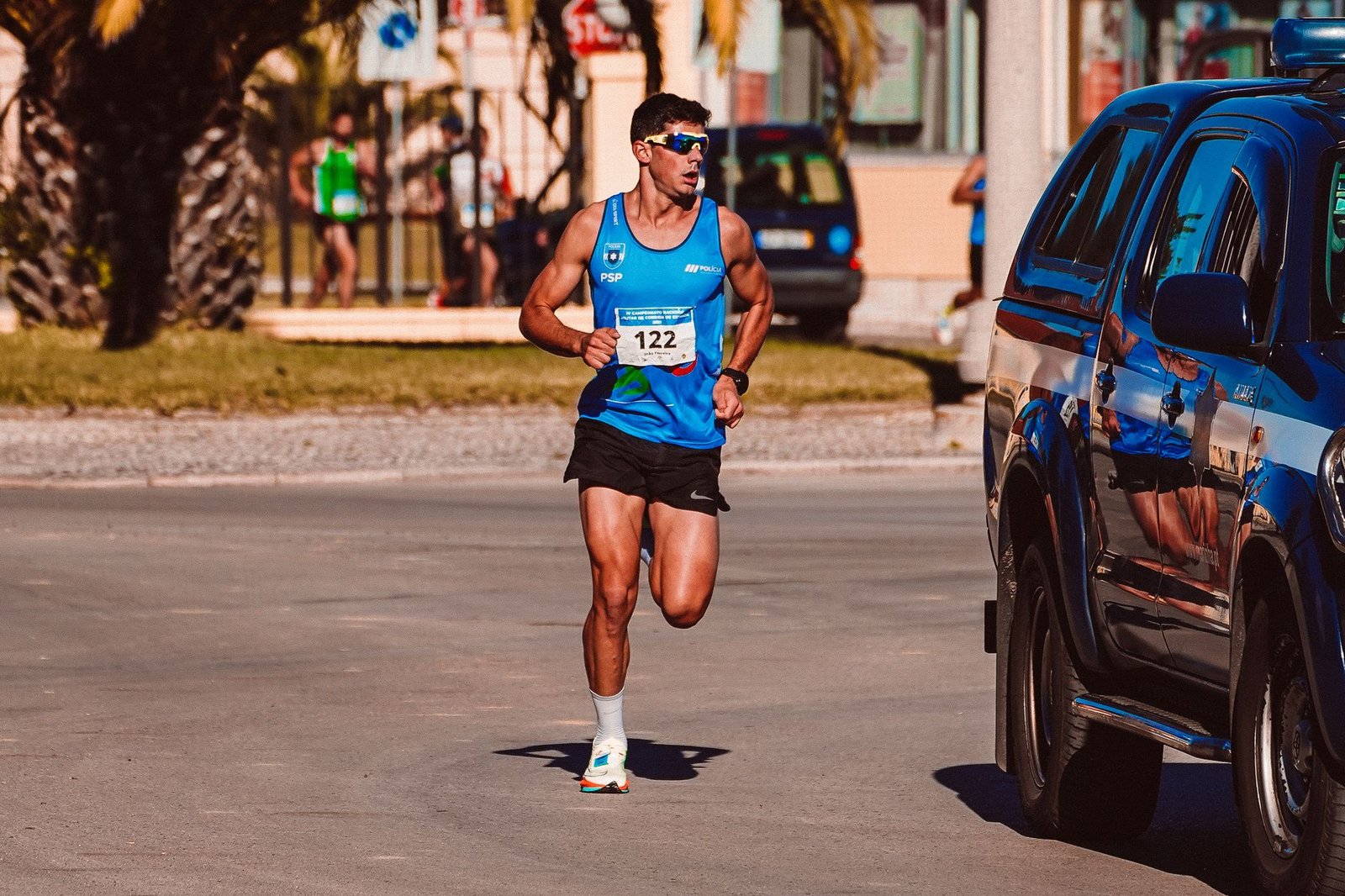
Cushioned Shoes Can Mask the Problem
Highly cushioned shoes can feel protective, but they can also delay feedback. You land and your foot “soaks it,” so you keep repeating the same footfall pattern while your body pays the bill elsewhere. The sensation you get is comfort. The outcome you get is inefficiency.
Try not to treat shoe feel as proof of correct mechanics. If your cadence drops and your landing shifts forward when you switch shoes, you have learned something valuable. Comfort should not come with a new brake point.
Your Landing Must Move Back Toward Your Center
The clearest symptom of overstriding is not how long your stride looks. It is where your foot contacts relative to your torso. A side-view check often shows the landing far ahead of a vertical line from your body, which forces the braking action to start early.
Fixing footfall position is not mysticism. It is a simple posture and timing problem. Run taller and more relaxed through the head and shoulders, engage your core for stability, and think “under me” for the next contact instead of “out in front.”
Cadence Is The Fastest Lever You Have
Cadence change is the most controllable tool for stride speed without chaos. Increasing cadence by about 5% to 10% often shortens stride length automatically and encourages the foot to land closer to your center of mass. Many runners hover around 140 to 160 steps per minute, and raising that range slightly can shift your timing fast.
Won’t higher cadence feel like running in place? At first, yes. That is why the change needs structure: keep effort controlled, and let the rhythm do the work rather than forcing pace with longer steps.
The Side-View Check That Tells The Truth
Stop guessing. Film yourself from the side at a steady effort, then watch only three moments: approach, ground contact, and exit. You are looking for heel strike timing and foot position at ground contact, whether your knee is straight, and how far ahead you land.
Use this quick checklist to translate what you see into what you change next.
| Video Sign | Likely Cause | Next Fix |
|---|---|---|
| Landing ahead of torso line | Overstriding and early braking | Increase cadence 5% to 10% |
| Straight knee at contact | Stiff leg absorbs impact | Soft knee and relaxed posture |
| Heel strike with toes up | Overreach and heavy front-side load | Think midfoot landing |
| Choppy steps as you tire | Hip stability drops | Shorten stride, tighten core |
| Arm swing crosses the body | Low rhythm and wasted rotation | Elbows bent near 90 degrees |
Once you spot the pattern, you can be decisive. Form adjustments should produce immediate changes in footfall and rhythm, not vague promises. The “fix” is a sequence: taller posture, core engagement, midfoot trend, and cadence that pulls your landing back.

Posture And Core Turn Slow Strides Around
Taller running is not about craning your neck or locking your ribs. It is about keeping your head up and shoulders down while your core provides stability. Without that support, your pelvis drops and your legs reach, which recreates the same braking footfall even if you want to run differently.
If your strides feel slower during long sets, treat it as a stability signal. Engage your core for stability and let the torso stay quiet. You should feel more spring without adding intensity.
Midfoot With A Soft Knee Beats Heel Slap
Midfoot is not a buzzword. It is a positioning strategy that reduces the shock you absorb far in front. Pair that with a soft knee at contact, and you create a smoother transition from impact to push.
The goal is not to “land lightly” as a slogan. The goal is to land where your body can move forward efficiently. If your knee is straight at contact, shorten the stride and increase cadence until the landing naturally becomes more fluid.
Arm Swing Controls Rhythm And Efficiency
Footfall problems often hide inside arm mechanics. If your arms swing across instead of moving forward and back, your body rotates and your stride loses rhythm. That loss shows up as slower cadence and a more chaotic landing pattern.
Run with an efficient arm swing: elbows bent around 90 degrees, moving forward and back rather than across. Let the arms help set cadence, then watch whether your foot lands closer to your center. Rhythm travels through the body faster than you think.
Interval Cadence Work Without Spiking Effort
Changing cadence works best when you practice it in controlled blocks. Start with short intervals of higher cadence while keeping effort and pace controlled, then gradually extend the duration over time. This keeps your form from turning into a desperate sprint.
A practical approach is to use a metronome app or watch cadence alerts and run intervals where you raise cadence by 5% to 10%, then return to your normal rhythm. Over weeks, increase the time at higher cadence. You are training turnover, not racing the clock.
Strength For Hips Keeps Footfall On Target
Hip stability is the bridge between good intentions and repeatable mechanics. If your hips drop or sway, your stride often compensates by reaching forward. That compensation can make you feel like your strides are slower because the system is always recovering from imbalance.
Add hip-stabilizer strength and treat it as part of the form fix, not an optional gym project. When your hips behave, your feet land where they should.
Change One Detail At A Time And Stay Healthy
Form changes are fragile. If you change five things in one session, you cannot tell what worked and you increase injury risk. The safest rule is simple: change only one small detail at a time and ramp slowly.

When introducing a new cadence, reduce volume by about 50% to protect your legs, then build back over weeks. Do these adjustments earlier in your training cycle, not near race day, so you can adapt without gambling with fatigue-induced overstriding.
Stop Chasing Advice That Feels Like More Stride
Most runners do not need a new personality. They need a consistent pattern. Misleading guidance to “open up your stride” often creates the very footfall shift that makes training feel slower. Your speed does not improve because your stride looks longer. It improves because your landing timing stops braking your momentum.
Lock in the mechanics: film the side view, adjust cadence by 5% to 10%, land with a softer knee and a midfoot trend, and keep posture tall with a stable core. When the foot falls closer to your center, slower training becomes an old problem.
Why Your Strides Feel Slower in Training: A Form and Footfall Fix
Could Overstriding Be Why Your Strides Feel Slower in Training?
Overstriding happens when your foot lands too far in front of your center of mass, which can create a choppy, slower feeling even when you try to go faster; film a side view to check whether your landing is ahead of a vertical line from your torso.
What Form Clues Should You Look For to Fix Choppy Footfalls?
On a side video, look for a heel strike with toes up at ground contact, a bent or straight knee position at landing, and an overly long reach before foot strike; when you see the landing far in front, adjust to a more controlled, closer placement.
How Should You Adjust Posture and Core to Run More Smoothly?
Run taller with a relaxed position, head up and shoulders down, then engage your core for stability so your trunk stays steady; a stable torso helps your foot land under you instead of reaching forward.
Can Increasing Cadence Help Make Your Strides Feel Faster in Training?
Yes, increasing cadence by about 5 to 10 percent usually shortens stride length and brings your foot strike closer to your center of mass; do it gradually by adding short higher-cadence segments while keeping effort controlled, then extend the time over weeks.
Do Shoe Choice or Fatigue Make Your Strides Feel Slower?
Fatigue can worsen overstriding by changing your mechanics, and highly cushioned or unstable shoes can let landing drift farther in front; if your form falls apart late in a session, reduce the load and focus on cleaner foot placement.
What Strength Fixes Help When Your Hips Drop and Your Footfall Chops?
If your hips sway or drop, add hip stability work such as glute and hip abductor strengthening, then practice faster turnover drills like butt kicks to reinforce quicker footfall; change one small detail at a time and ramp slowly to reduce injury risk.
Fix Your Footfall And Get Your Stride Back
If you want to understand why your strides feel slower in training: a form and footfall fix, look past excuses and go straight to overstriding, choppy landings, and sloppy posture when fatigue hits. Film your side view, correct your taller relaxed posture, land closer to your center of mass with a soft knee, and drive a compact arm swing while you add cadence gradually by about 5 to 10 percent. Change one small detail at a time, ramp up over weeks, and build the new mechanics in training blocks where you can stay smooth. Your legs will not get faster by waiting; they get faster when your footfall and timing finally match.

I am Ozan, a London-focused running writer and marathon enthusiast with a passion for helping people discover the city’s best races, running routes, walking trails, and fitness events. I research and write practical, up-to-date guides covering marathons, race preparation, training tips, running gear, and everything related to staying active in London.
My goal is to create reliable, easy-to-follow content that helps runners and walkers of all experience levels explore London with confidence, whether they’re preparing for their first 5K or their next marathon.