
Most runners don’t need more tips, they need a countdown that tells them what to focus on. When training ends and the race approaches, confidence collapses fast if every day feels improvised. A well-built London Marathon Countdown Plan replaces guesswork with rhythm, so you stop fearing the taper and start trusting it.
The week-by-week focus guide approach is the real advantage because it protects the final weeks from the most common mistakes. Instead of adding extra workouts or panicking about “losing fitness,” you get a clear, progressively lighter schedule, plus practical checkpoints for mind, body, food and the boring but crucial admin details. In the final week, that structure matters, because calm decisions like steady hydration, planned carbs, and sensible race logistics turn nerves into preparation.
Here’s the persuasion: your best marathon performance is earned in the boring consistency of the lead-up, not in last-minute heroics. Use the countdown to rehearse race-week routines, keep fueling predictable, and plan your early miles with discipline, then let the work you already did carry you forward.
A Countdown Beats Luck
If you want a better London Marathon outcome, you need a london marathon countdown plan, not vibes. A structured schedule matters because it forces you to build endurance, practice fueling, and lock in pacing decisions long before race day crowds and nerves take over.
The typical backbone is 16 to 20+ weeks, with long runs building toward a peak around 20 to 22 miles (often week 11 to 12). That long-run progression is the difference between “I’ll see how I feel” and “I’ve already handled discomfort before.”
Consistency is not a personality trait. It is a system you follow.
Want the practical edge? Treat the week-by-week focus guide as your operating manual. Each week has a job, and the job changes as you near the start line.
Peak Week Must Be Earned Not Guessed
The biggest mistake runners make is using peak week as a motivational poster. You do not earn race day by dreaming about it. You earn it by training hard enough to adapt, then training carefully enough to avoid breaking down.
When you build your peak, aim for a long run that reaches about 20 to 22 miles before you begin the taper. Most runners also benefit from a quality session midweek plus a long run on Sunday. That pattern develops speed tolerance while keeping your endurance engine honest.
Some will argue that “bigger is always better.” It is not. Overshooting peak volume often converts adaptation into fatigue, and fatigue does not vanish because your spreadsheet says race week is coming.

Taper Means Less Work Not Less Care
Tapering is where serious runners separate from wishful runners. Your mileage should shrink, but your decision-making should sharpen. The evidence is basic physiology: reduced training load helps you absorb earlier work, but you still need to maintain routine so your body stays responsive.
A common approach is to reduce mileage from about week 13 by roughly 20% each week, with the long run stepping down to 12 to 14 miles in week 14, 8 to 10 in week 15, and 4 to 6 in race week. Quality is reduced, not erased, so you do not feel flat.
Counterargument People say tapering makes them “more fragile,” so they try to do extra. That instinct is understandable, but it is self-sabotage. You are not a glass ornament. You are an engine that responds to the right load at the right time.
Monday Miles Should Not Turn into a Race
In the final one-week stretch, Monday sets the psychological tone. Start calmly and resist weaving ahead of the pack in the first minutes. Expect it to take 2 to 10 minutes to reach or clear the start line, and accept that the very slow early miles are part of the course reality, not a sign you are doing something wrong.
Also do a quick fitness and injury status check like it is non-negotiable. Do not run if you have had flu symptoms in the last week, and do not pretend an illness is just “getting it out of the way.” Pregnancy and any relevant medical constraints matter too, and antibiotics should trigger a conversation with your clinician before you gamble.
Planning is not paranoia. It is risk management. The runners who respect this Monday discipline arrive on race day with steadier legs and a clearer mind.
Your Fitness Screen Protects the Start Line
Here is the uncomfortable truth: productivity in training does not beat eligibility. The week-by-week focus guide cannot override your health. If you have symptoms, ignore the noise and protect the race you are trying to finish.
Consider injury status just as seriously. If you are dealing with a flare-up, use available options like deferment or injury support where applicable. Yes, it hurts to be sidelined. But forcing a start line when your body is not ready creates bigger losses than missing a day.
Ask yourself one question: do you want to run the marathon, or do you want to run a costly experiment?
Carbo Loading Starts Before the Finale
Nutrition in the final days is not about chasing headlines. It is about timing and total intake. Aim for varied high-carb meals without under-eating or turning your diet into junk food roulette. Avoid carb starvation before carbo-loading, because “light days” often lead to weak legs and late-race agitation.
If you want a simple support plan, prioritize foods rich in vitamin C, and if you are in doubt about supplements, consider around 1000 mg per day. That is not a miracle. It is a sensible hedge when your routine is tight.
Carb work is also a mental promise. When you know you have eaten enough, you stop obsessing midweek and focus on recovery and preparation.
Tuesday Focus Is Hydration Protein and Logistics
Tuesday is about settling into steady splits in your head, not sprinting into confidence. Expect slowing at features like the Cutty Sark around 6.5 miles, so plan for it mentally and physically by hydrating consistently and keeping your rhythm realistic.

Do not “improve” the plan with extra extension-building or cross-training. Tapering means tapering. If you have not tested your race-day breakfast, do it now. Then anchor your body with protein at roughly 0.5 to 0.75 g per pound bodyweight so recovery processes actually have the raw material they need.
Finally, handle logistics early. Ensure travel and packing are ready, and make sure kit is washed. When your gear is clean and organized, you stop losing focus to small irritations on race morning.
Wednesday Admin Keeps Your Mind Quiet
Wednesday is where calm runners win. Registration, meeting points, emergency contacts, and race logistics sound boring until you realize one missing detail can hijack race-day confidence.
Use the week wisely and borrow structure from trusted training week details by pairing your tasks with the marathon calendar. If you follow the training week details approach, you reduce scrambling and protect the mind you will need on the tough miles.
| Item | When to Do It | Measurable Target |
|---|---|---|
| Expo visit | Wednesday | 30 to 45 minutes |
| Meeting point confirmation | Wednesday | 2 confirmations |
| Emergency contact note | Wednesday evening | 1 card or phone note |
| Massage booking | Wednesday | 30 to 60 minutes |
| Kit prep check | Wednesday night | Run list completed |
Wednesday is also the day to keep supplements sensible. Stick to normal-dose routines and avoid “miracle” products that can stress your stomach or confidence. Tight legs? A planned massage can help, but treat it as support, not a substitute for training.
Thursday Splits and Fuel Decide the Middle
Thursday is when your race plan becomes more than a fantasy. Visualise pushing through the commonly tough miles, but do it with structure: keep carbohydrate intake around 65% to 70% of total calories so energy is available when the course gets mean.
Calculate target mile splits rather than guessing in the moment. If your pacing plan is blurry, your effort will be blurry too. And remember the race starts differently: you should begin roughly 10 to 15 seconds per mile slower than marathon pace for the first 1 to 6 miles, because getting boxed in is not a sign you chose wrong. It is how London forces everyone to adapt.
Do you want to feel heroic early? Or do you want to feel efficient when it matters most around miles 18 to 21? Make Thursday your decision day.
Fueling Targets Turn Pain into Pace
Fueling is where many runners either execute or implode. During the event, aim for about 60 to 90 g of carbohydrate per hour, then practice that approach during training. The fastest way to sabotage a race is to start strong, under-fuel, and then fight your own stomach.
Set up your race-day shopping list with intent, not randomness. Blister patches and energy gels are not “optional extras.” They are protection against small failures that snowball into major delays when your feet and legs are already stressed.
If a skeptic says fueling is overhyped, ask them why runners who nail it often maintain rhythm longer. Fueling does not remove pain. It postpones the moment pain controls your decisions.
Friday Mental Reps Carry You Over the Line
Friday is short, but the mental work is heavy. Keep your visual focus on the finish and rehearse the final turning points. This is not wishful thinking. It is a way to prevent panic when the crowd noise fades and effort becomes the only language your body understands.
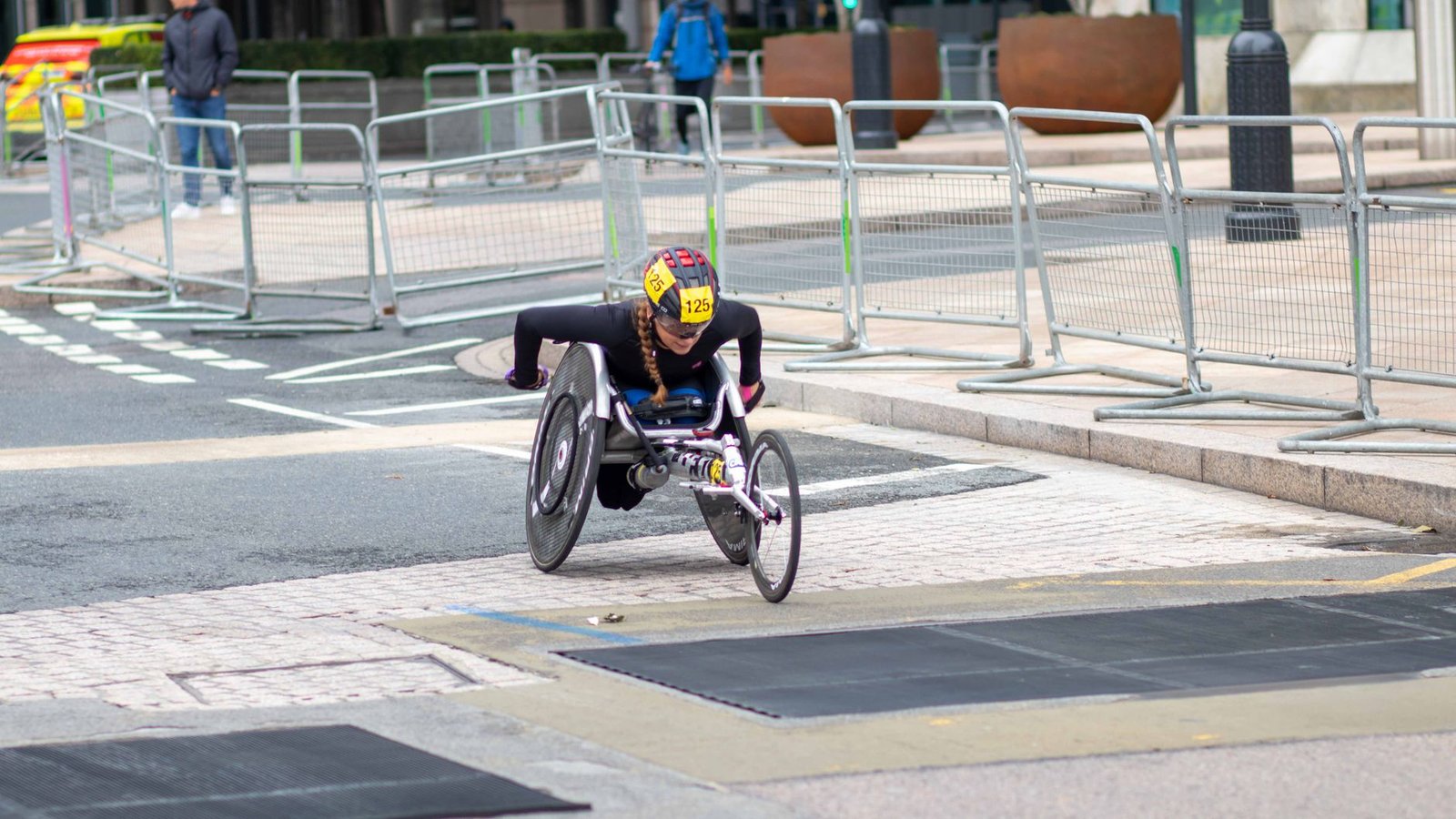
Maintain a calm routine. Do not add new workouts. Do not test new foods. The goal is to arrive rested enough to run your plan, not “prove” readiness with last-minute heroics.
Objection Some runners insist that more action equals more confidence. It often equals more fatigue and a worse taper response. Confidence comes from preparation, not agitation.
Saturday Recovery Protects Your Finish
Saturday is rest and relaxation with one purpose: protect your legs and strengthen your mental script. You should feel sharper, not rushed. If you did your weeks correctly, you do not need to earn the day again.
Mentally rehearse the finish. Picture your breathing settling, your stride staying efficient, and your focus tightening as you approach the final stretch. Your body will follow what your mind teaches it when adrenaline fades.
This is how a London Marathon countdown plan earns respect. It is not just training. It is disciplined restraint, calculated fueling, and week-by-week focus that keeps you moving when the course tries to slow you down.
How to Use a London Marathon Countdown Plan with a Week-by-Week Focus Guide?
What does the London Marathon countdown plan, the week-by-week focus guide cover from peak week to race week?
Most London Marathon countdown plans run about 16–20+ weeks, build long runs up to a peak around 20–22 miles (often week 11–12), then cut mileage from roughly week 13 (about a 20% drop each week) so quality is maintained without feeling flat, with the final long run stepping down to about 12–14 miles in week 14, 8–10 in week 15, and 4–6 in race week.
How should you handle Monday miles 1–5 in the London Marathon countdown plan, including start-line mindset and admin?
Start calmly and resist weaving ahead, since it can take a couple of minutes (often 2–10) to reach and clear the start line, then assess fitness/injury status before you settle in—don’t run if you’ve had flu symptoms recently, are pregnant, or are taking antibiotics, and use any deferment/injury options if applicable.
What should runners prioritise on Tuesday miles 6–13 in the London Marathon countdown plan, from hydration to protein?
Visualise settling into steady splits while hydrating and expect a natural slowdown around the Cutty Sark (around 6.5 miles), avoid extra cross-training or “extension-building” because tapering means tapering, test your race-day breakfast if you haven’t, and aim for protein roughly 0.5–0.75g per pound of bodyweight.
How do Wednesday miles 14–17 fit into the London Marathon countdown plan, including massage, supplements, and logistics?
Focus on the mile ahead, consider a massage for tight legs, stick to normal-dose supplements and avoid “miracle” products, then complete key admin like London Marathon registration (often opens midweek) and race logistics such as meeting points and emergency contact arrangements, ideally visiting the Marathon Exhibition/Expo if that’s part of your plan.
How should Thursday miles 18–21 be planned in the London Marathon countdown plan, especially carbo loading and pacing?
Visualise pushing through the commonly tough miles, keep carbohydrate intake to about 65–70% of total calories for the day, and calculate target mile splits so you know your pacing plan before fatigue and nerves start to steer you off-course.
What pacing and carbohydrate targets should you follow on race day in the London Marathon countdown plan, plus Friday and Saturday focus?
On the course, start roughly 10–15 seconds per mile slower than marathon pace for the first 1–6 miles, then aim for about 60–90g carbohydrate per hour during the race; in the final build-up, use Friday for finish-focused mental rehearsal and Saturday for rest/relaxation while rehearsing the final kilometres so you arrive sharp and ready to execute.
The Right Countdown Beats Last-Minute Panic
Commit to the london marathon countdown plan, the week-by-week focus guide and treat the final taper as training, not downtime: steady nerves, clean fueling, deliberate pacing checks, and zero distractions will protect your form when it matters most. If you follow the week-by-week structure instead of reacting to aches and online advice, you will arrive ready to run your miles, not your doubts.

I am Ozan, a London-focused running writer and marathon enthusiast with a passion for helping people discover the city’s best races, running routes, walking trails, and fitness events. I research and write practical, up-to-date guides covering marathons, race preparation, training tips, running gear, and everything related to staying active in London.
My goal is to create reliable, easy-to-follow content that helps runners and walkers of all experience levels explore London with confidence, whether they’re preparing for their first 5K or their next marathon.