Most hip tightness routines fail because they are random, too intense, or never repeated long enough to change your range. If you are training in London and constantly feeling “stuck” at the same angle, the fix is not more stretching. The fix is a short mobility plan you can actually execute consistently, with control and zero drama.
Mobility that sticks should look boring on purpose: a repeatable sequence, slow and pain-free, where you move through hip rotation and range rather than just chasing a deeper stretch. The best approach is to pick a handful of positions, spend roughly 40 to 60 seconds on each, and run one controlled set a few times per week for several weeks. Track which 3 positions feel most restricted, then prioritize those, because progress comes from targeted repetition, not from variety for its own sake.
Start with moves that challenge rotation and control, like 90/90 knee drops and 90/90 pigeon, add rear knee or heel lifts to keep range functional, and include joint-friendly mobility such as tabletop hip CARS. Round it out with options like frog rocks and Cossack squats to open the hips through real sport positions. When you treat your mobility like training, not a one-off stretch session, your hip tightness stops being a recurring problem and becomes a manageable signal.
London Training Creates a Hip Trap We Can Fix
Managing hip tightness in London training is not a mystery. It is the predictable result of long commutes, repeated hip flexion from sitting, and training that demands range while your hips stay mechanically cautious. You feel it as reduced rotation, a stiff front-of-hip pinch, and a sudden loss of depth where you want stability.
Some coaches respond by prescribing more stretching or longer sessions. That sounds helpful, but it usually reinforces the same pattern: you chase comfort instead of building control. If your hips only move when you force them, what exactly is getting better?
Mobility that sticks is not the one that feels best today. It is the one that restores control tomorrow.
Your Mobility Plan Must Be Short and Repeatable
Forget “one day a week, 45 minutes, and hope.” Tight hips do not improve on inspiration. They improve on repeatable volume, controlled ranges, and a routine you will actually do when you are busy. The fastest way to make mobility stick is to keep it small enough that it survives real life.
A smart default is 7 movements for about 40 to 60 seconds each, or 5 to 10 minutes total. Perform one controlled set, slow and pain-free. Run it 3 to 5 times per week for 4 to 6 weeks, then adjust based on what you feel restricted, not what you wish you felt.
90 90 Internal Rotation Knee Drops Build Stable Rotation
Start your sequence with a movement that targets hip rotation without turning it into a grind. 90/90 internal rotation knee drops are ideal because they demand controlled positioning: your knee drives down under control, and your body learns that rotation can be smooth instead of guarded.
Keep your reps slow and quiet. You should feel effort, not pain. If one side is much tighter, do not “win” by forcing the knee lower. Aim for a consistent range you can own for the full time, because that is how you train the nervous system to trust the motion.
90 90 Pigeon and Rear Lifts Train Real-World Control
90/90 pigeon turns rotation into a forward-facing task. Square your hips forward, hinge your chest toward the front knee, and keep your spine calm. If you want an extra edge, use gentle contractions for 5 to 10 reps, alternating tension and relaxation rather than pushing through.
Then add the supporting piece: rear knee and heel lifts from 90/90. These lifts teach how to move the back side without collapsing your structure. Why does this matter for training in London? Because when your hip rotation is off, your stride and squat mechanics compensate, and tightness spreads.
Tabletop CARS Melt Joint Stiffness Without Chaos
To manage hip tightness long term, you need more than stretching. You need joint-friendly mobility that respects the capsule. Tabletop hip CARS, also called articular circles, are built for exactly that: slow full circles through available range, with control as the priority.
If you want to keep your circles crisp and pain-free, use hip mobility cues that emphasize smooth paths and consistent pacing. The goal is not to chase the maximum. The goal is to practice the movement pattern until it stops feeling fragile.
Frog Rocks Open the Adductors and Restore Swing
Frog rocks are where many lifters finally feel the adductors loosen in a way that carries into sprinting, changing direction, and deeper squats. Forearms down, knees wide, and then rock your hips back toward your heels. Move slowly, and keep the hips loaded without turning it into a shoulder-free collapse.
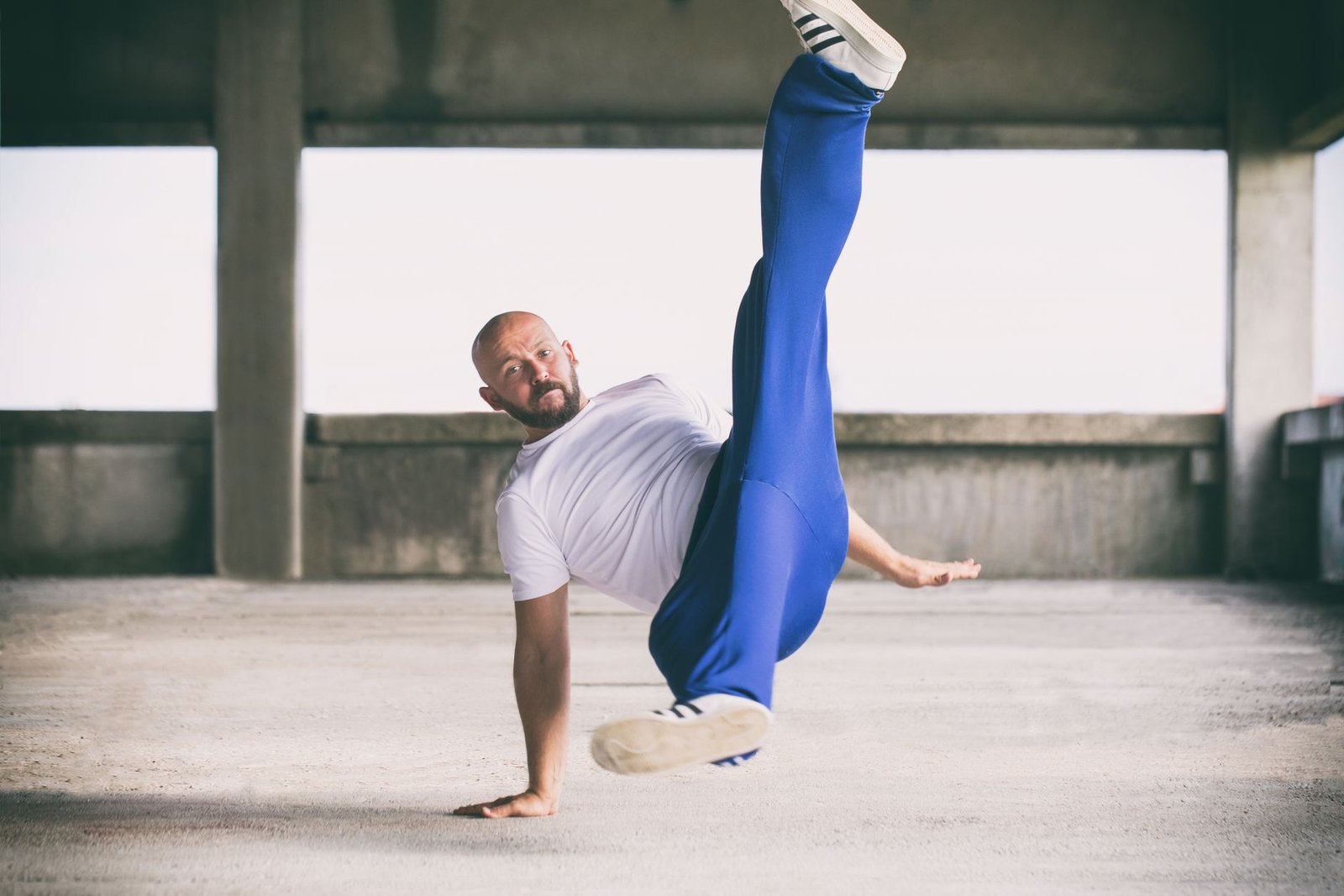
Use frog rocks when you notice hip tightness shows up as an inner-thigh pinch or a “stuck” sensation during lateral movement. Tight adductors often make your pelvis brace too hard, which steals your swing and makes your training feel heavier than it should.
The Seven Move Stick Sequence With Timing Targets
You do not need endless exercise variety. You need a sequence you can repeat, measure, and progress. Here is a clean way to run your remote-style consistency principle for the body, where routine beats randomness.
Use this timing map as a checklist, then choose the strictest version that stays pain-free.
| Mobility Move | Target Timing | Main Restriction to Notice |
|---|---|---|
| 90/90 IR Knee Drops | 40 to 60s | Rotation end feel |
| 90/90 Pigeon | 40 to 60s | Front-hip hinge |
| Tabletop Hip CARS | 40 to 60s | Circle smoothness |
| Frog Rocks | 40 to 60s | Inner-thigh pinch |
| Cossack Squats | 40 to 60s | Side-to-side depth |
Keep the remaining two moves in your seven: rear knee or heel lifts from 90/90 and V-sit leg lifts. When you repeat the full set 3 to 5 times per week, you turn hip mobility into an earned skill, not a temporary relief strategy.
V Sit Leg Lifts Turn Tight Hip Flexors Into Power
V-sit leg lifts are where mobility meets performance. Use a dumbbell or marker to set your position, then lift while you maintain your range with control. This is how you train the hip flexors to work instead of simply lengthening.
Lift and maintain range, then lower slowly. Do not rush to add weight. Add ankle weight only if you can keep the movement pain-free and technically clean. If your hips feel “locked” here, you likely have anterior tension that will show up in your squat depth and sprint mechanics unless you train it directly.
Cossack Squats Make Lateral Range Practical
If your hip tightness shows up as a struggle to sit into the side or keep your knee tracking smoothly, cossack squats are the fix. Use a wide stance, sit deep side-to-side, and open the hips without yanking your body into end range. The point is controlled capacity.
Start in a range where you can keep your posture steady. Over weeks, you will notice less guarding, better lateral control, and less compensation in loaded training. Tight hips do not just reduce mobility. They change how force travels through your legs.
Pick Your Top Three Restricted Positions and Prioritize
Do not treat every hip limitation as equal. During the first week, note which three positions feel most restricted when you run the sequence. That simple tracking step prevents the most common mistake: doing everything equally and improving nothing noticeably.
Once you know your top three, prioritize the moves that match them and keep the others as maintenance. When one movement finally starts to open, you still keep it in the routine. You just reduce effort on what is already improving and add consistency where you are stuck.
Schedule It 3 to 5 Times Weekly for 4 to 6 Weeks
Mobility progress is boring in the best way. A plan that works depends on frequency, not intensity. Aim for 3 to 5 sessions per week for 4 to 6 weeks, and keep each session to 5 to 10 minutes. Your hips adapt to repetition, not dramatic one-off efforts.
If you miss days, do not punish yourself with a long session. Repeat the short sequence at the next opportunity. That mindset protects consistency, which is what actually drives change in managing hip tightness in London training: mobility moves that stick.
Prevent Relapse With Micro Breaks After Sitting
Stretching before training feels good, but tight hips often come from the hours you spend seated before you ever touch a barbell. To prevent relapse, build micro breaks: stand, reset posture, and run one mini sequence after long sitting. Even 2 to 3 minutes can reset stiffness when repeated frequently.
If you want add-ons before or after workouts, choose a few that target the limiter you identified. Consider pigeon, alternating spider lunges, knee hugs for adductors, 90/90 hip switch and rotate, glute bridge with diagonal reach, or wide-stance rocking. The rule stays the same: slow, pain-free, and controlled. When you manage tightness this way, your mobility stops being an event and becomes part of your training culture.
How Do You Manage Hip Tightness in London Training With Mobility Moves That Stick?
What Is the Best Mobility Sequence for Managing Hip Tightness in London Training?
Use a short, repeatable sequence that targets hip rotation and range of motion, moving through the key positions in a slow, controlled, pain-free flow so your hips “wake up” without turning the session into a long stretch.
How Long and How Often Should You Practice Mobility Moves for London Hip Tightness?
Aim for one controlled set of about 40–60 seconds per movement (or roughly 5–10 minutes total), a few times per week, such as 3–5x weekly for 4–6 weeks, keeping everything slow and pain-free.
Which Mobility Moves Work Best for Hip Tightness During London Training?
Prioritize moves like 90/90 internal-rotation knee drops, 90/90 pigeon hinging, rear knee/heel lifts from 90/90, tabletop hip CARS (articular circles), frog rocks, V-sit leg lifts, and Cossack squats to open the hips through rotation and depth.
How Can You Spot the Most Restricted Hip Positions for Managing Hip Tightness in London Training?
During your set, note which three positions feel most limited and prioritize them in later weeks, using the same slow, controlled reps while keeping discomfort below a pain-free threshold.
What Progressions or Add-Ons Help Mobility Moves That Stick After Sitting or Pre-Workout?
If you need alternates, use options such as pigeon variations, alternating spider lunges, knee hugs for adductors, 90/90 hip switch-and-rotate, glute bridges with diagonal reach, and wide-stance rocking before or after training to keep the “stickiness” between sessions.
What Safety Rules Should You Follow When Managing Hip Tightness in London Training?
Keep every rep slow and controlled, avoid sharp or increasing pain, maintain good alignment and breathable effort, and consider a qualified physio or coach if tightness is persistent, associated with numbness, or worsens despite consistent mobility.
Mobility That Sticks Through London Training
Managing hip tightness in london training: mobility moves that stick is simple: use a short, repeatable sequence, keep it slow and pain-free, and run it often enough that your hips adapt. Pick the 3 positions that feel most restricted, hit the key 90/90 variations, add controlled CARS, frog rocks, and a couple of squat or hinge options, then keep the total session to about 5 to 10 minutes a few times per week for 4 to 6 weeks. If you want results you can feel in training, consistency and control beat random stretching every time.

I am Ozan, a London-focused running writer and marathon enthusiast with a passion for helping people discover the city’s best races, running routes, walking trails, and fitness events. I research and write practical, up-to-date guides covering marathons, race preparation, training tips, running gear, and everything related to staying active in London.
My goal is to create reliable, easy-to-follow content that helps runners and walkers of all experience levels explore London with confidence, whether they’re preparing for their first 5K or their next marathon.