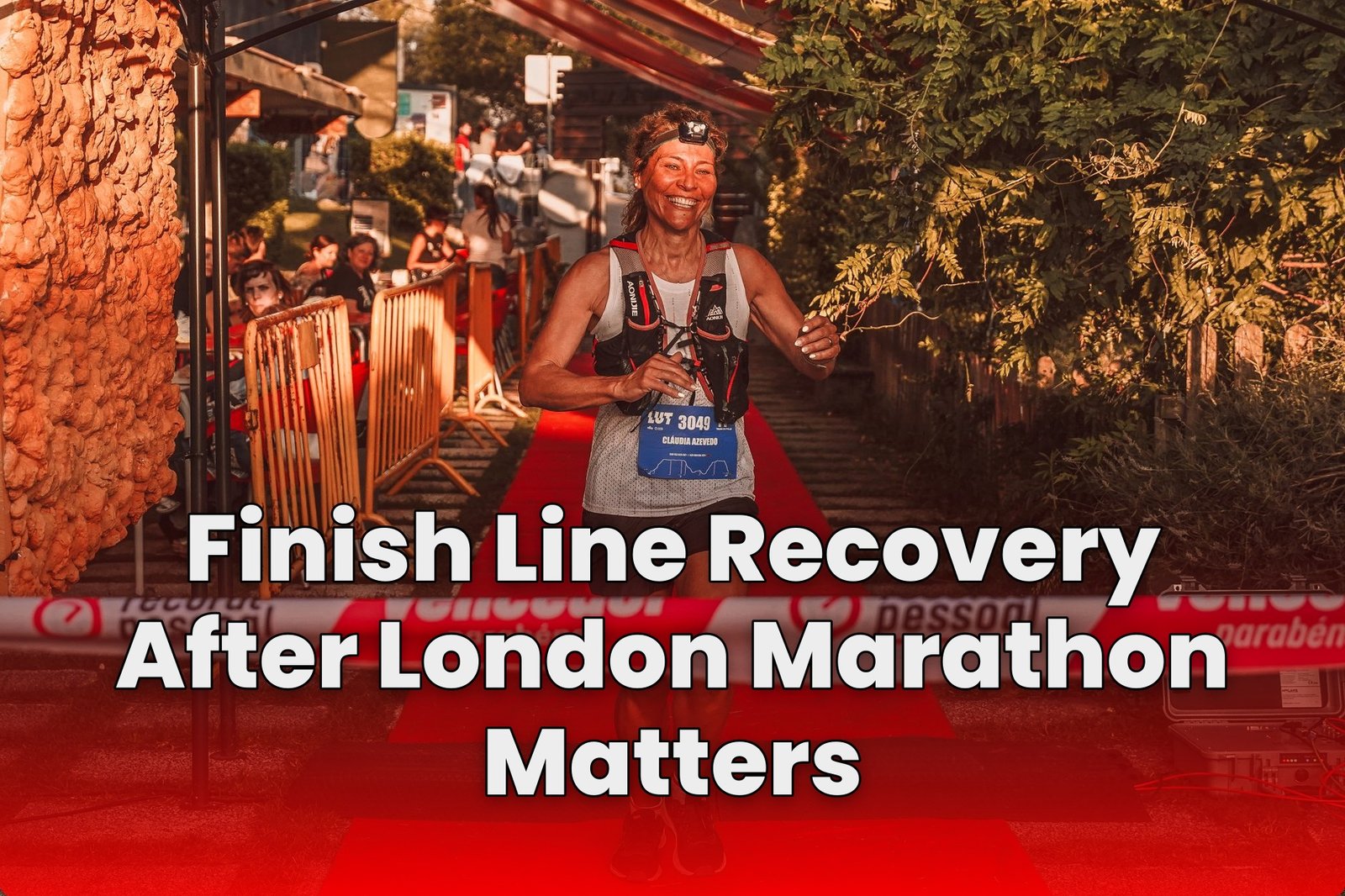
London’s wind will steal your rhythm if you train like it won’t. People obsess over mileage and pace targets, then act surprised when the course turns into a fight for control. This guide takes a firmer stance: your training should rehearse the demands of exposed, open stretches so you can run the same effort with less stress, not just faster sessions on paper.
Start course-specific work about 12 to 14 weeks out so you can progress gradually and practice what race day actually feels like. Build structured endurance with calm pace control, including occasional tempo or threshold efforts to lock in marathon effort, and add stability and strength sessions to protect your form when fatigue makes every gust harder. Then use long “adaptive” runs that mix easy, steady, and controlled marathon blocks, not mindless repetition, so you learn to handle rhythm changes from crowds, turns, and brief disruptions.
For the open roads, the real edge is tactical pacing, not bravado. Check forecasts and think about wind direction, then run routes that mimic real-world variation so you adjust without panic. On race day, aim for a negative split by staying close to the measured race line, using mile markers to hold your bands, and using groups to shelter you through the most wind-exposed sections, while keeping nutrition steady with small, controlled carbohydrate sips so your legs stay efficient when the course finally opens up.
Treat Wind Like a Training Partner, Not a Surprise
London’s wind punishes wishful thinking. You do not “hope” your way through an open stretch when the finish feels deceptively windy. You plan effort so your breathing, cadence, and posture stay stable even when the air turns into resistance.
That means wind training is not a gimmick. It is the same logic as practicing race pace in controllable conditions: if you rehearse what changes, you stop panicking when conditions change. Ask yourself, do you want to learn how to cope on mile 20, or do you want your body to recognize the pattern before race day?
The fastest runners do not ignore the weather. They build a plan that keeps them efficient when the road feels unfair.
Start the Course Specific Build 12 to 14 Weeks Out
If you start London-specific training too late, you will “arrive” without adaptation. A typical London-focused approach runs for 16 to 20 weeks, with course-specific work beginning about 12 to 14 weeks out so you can progress gradually and practice the demands you will face.
A London specific schedule often starts about 12 to 14 weeks out, and runners who follow course strategy tips tend to execute pacing more calmly.
Some people argue you can just run the same plan year-round and “deal with it” later. But if your early long runs never include realistic effort variation, where will your confidence come from when wind direction and rhythm shift hit you mid-race?
Use Pace Control Workouts to Hold Form When Legs Fight Back
Remote-work style planning is not the issue here. The real question is whether your training can control intensity when fatigue tries to steal it. For wind and open roads, pace control is your safety system, and it should be practiced with tempo and threshold work in a structured way.

Include sessions such as continuous 20 to 35 minutes at tempo effort, or controlled intervals that force you to smooth out speed, not explode into it. The goal is not heroics. The goal is repeatable rhythm when the air is moving against you.
- Tempo that feels “hard but stayable”
- Threshold blocks that teach strong posture
- Pickups that mimic mid-race pace changes without surprise
Stability and Strength Decide Your Second Half
Wind does not just slow you. It breaks form. When gusts push you off balance, hips drop, stride shortens, and energy leaks pile up. If you want a strong final section, your training must protect mechanics in the second half.
Build stability and strength into your week so your body can stay aligned late in the session, not just early. Think single-leg control, trunk stability, and anti-rotation work, paired with running drills that reinforce efficient mechanics.
Some runners dismiss this as optional because it is not “sexy cardio.” But what is cardio if your mechanics fall apart at mile 22?
Long Runs Must Practice Rhythm Changes, Not Just Distance
Open roads tempt you to race them. Crowds and turns punish that impulse. That is why long runs should resemble London, meaning long sections of steadier effort mixed with rhythm shifts caused by real-world distractions.
Instead of repeating the same loop at the same pace, include long runs that prepare you for long straights and controlled changes in effort. You are training your decision-making as much as your aerobic engine.
Gentle easy-to-steady variations early help you practice easing into crowded conditions. Then later, when the road opens and wind begins to dictate effort, your body already knows how to transition without panic.
Adaptive Effort Blocks Teach You to Refind Marathon Pace
London will interrupt your rhythm. A flat, open stretch can still feel chaotic because crowds slow you, turns force adjustments, and wind direction changes your cost of running. So your long run must include adaptive blocks that mix easy, steady, and controlled marathon-effort work.
Do not treat this like mindless repetition. Treat it like a re-entry drill for race day, where you learn how to quickly re-find marathon pace after disruption.
| Session Attribute | Common Target | Measurable Outcome |
|---|---|---|
| Tempo Segment | 20 to 35 minutes | Hold form under fatigue |
| Marathon-Effort Block | 6 to 12 km total | Consistent pacing |
| Interruption Refit | 2 to 3 changes | Return to target fast |
| Stride or Pickup | 20 to 60 seconds | Cadence control |
| Early Ease Portion | 10 to 20 minutes steady | Calm start in crowds |
When you rehearse adaptive effort blocks, you stop asking, “What pace should I be running now?” You already know the answer because you trained the reset.
Practice Crowds and Turns so Your Start Does Not Explode
Many runners start too fast because the crowd energy makes speed feel easy in the first miles. Then wind and open roads remove that illusion and the math catches up. Your plan must train you to start conservatively without draining your motivation.
Workouts should include conditions that force controlled pacing through friction. That can mean running routes with bottlenecks, practicing steady effort while navigating turns, or intentionally starting a workout easier to simulate the race environment.
If you cannot hold back early, you will pay interest later.
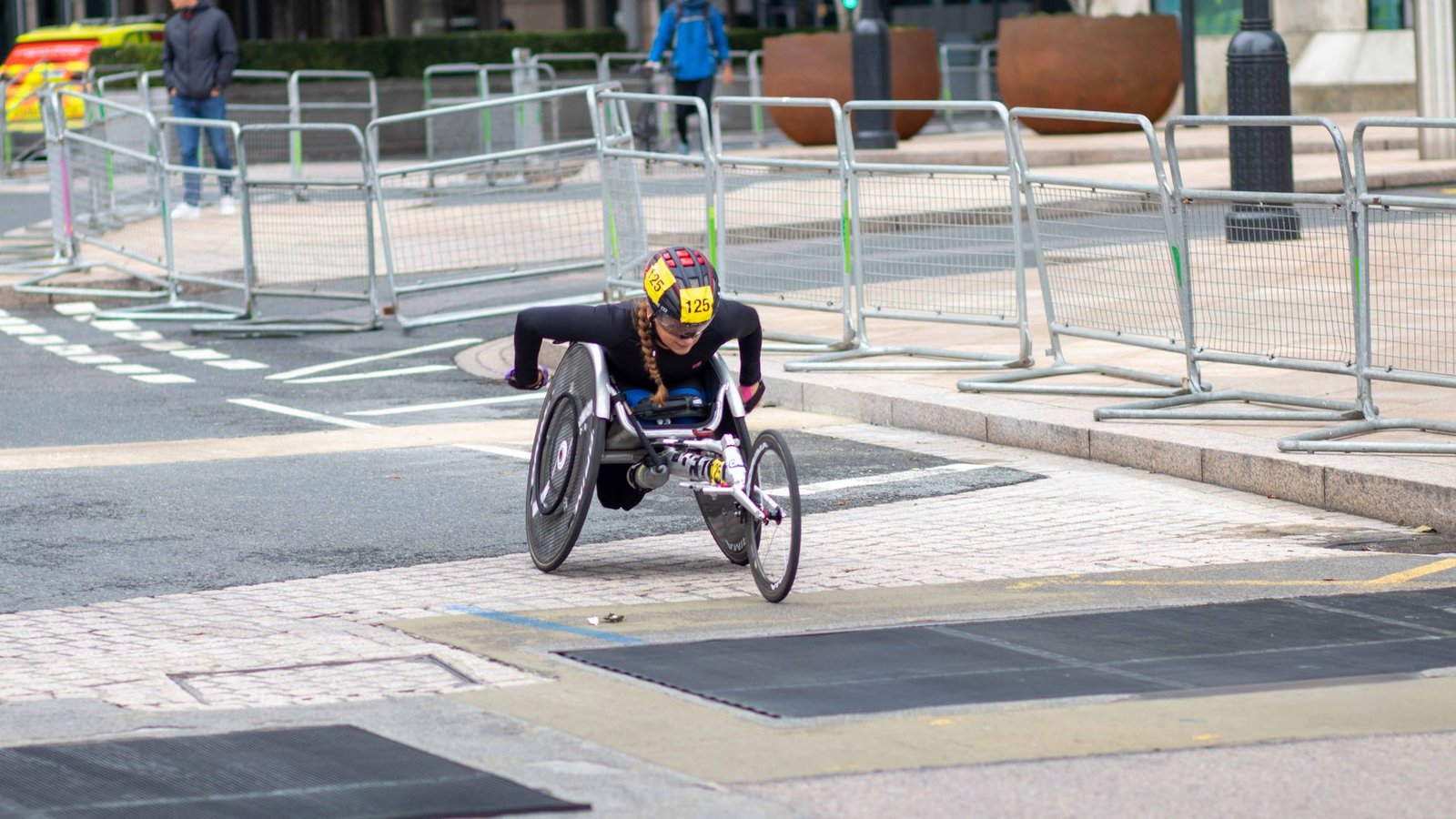
Plan Shelter Tactics for West to East Wind Sections
Wind direction turns pacing into a strategy problem. The west-to-east scenario matters, because it changes how long you remain exposed and how expensive it is to maintain speed. You should not leave this to pre-race guesswork.
Plan tactics like running in groups to shelter yourself during the longest wind-exposed sections. That means your preparation should include learning how to move smoothly in traffic, keep spacing safely, and avoid the stop-start chaos that wastes energy.
It is tempting to insist that you will “just run your own race.” That can work in calm conditions, but in a strong wind, efficiency and positioning are part of performance, not betrayal of individuality.
Run the Open Roads with a Negative Split Mindset
Open stretches are an advantage only if you earn them. Negative split racing works when you avoid starting too hot in the crowd, then build control as the course opens and the wind starts to dictate the effort.
In practice, use measured markers and pacing bands so you train your pacing discipline. Stick close to the measured race line, monitor effort instead of guessing speed, and focus on steady rhythm rather than dramatic surges.
Why rely on hope when you can rely on measurement? Train like the finish matters from the start, not like it is a reward you deserve later.
Nutrition and Hydration Must Stay Steady Under Wind Stress
Wind increases perceived effort. When breathing feels strained, runners often compensate by drifting their nutrition and hydration. If carb intake becomes inconsistent, your legs lose efficiency exactly when the course exposes you.
Use steady nutrition during long efforts: top up carbs with controlled sips of gels and plan intake around your pacing plan, not your emotional mood. You are trying to keep energy availability stable so your form does not degrade.
Some athletes “save it for later” because they feel fine early. That is how late-race fade becomes inevitable.
Measure the Road, Then Run the Plan
London rewards precision. If your pacing plan is vague, the wind will fill in the gaps with uncertainty. Your job is to reduce uncertainty through measurement and rehearsal.
Use mile or kilometer markers to anchor your targets, and build a plan for how your pace bands shift when conditions worsen. In training, practice pacing decisions using those same markers so your legs learn what compliance feels like.
It is not about obsession. It is about turning strategy into muscle memory.
Train Your Weather Choices with Realistic Gear Testing
In wind and exposed sections, clothing and gear can become an invisible performance variable. Chasing novelty on race day is how you end up distracted, uncomfortable, or over-heated when conditions change.

Test your kit on long runs that resemble race demands. That includes ensuring your layers handle wind without flapping, your shoes behave when you are fatigued, and your nutrition setup is accessible when you are running controlled marathon effort.
If your gear is fine only in perfect weather, it is not race-ready.
Taper for Control and Confidence on Deceptively Windy Finish
The final weeks should not be a test of fitness. They should be a rehearsal of confidence and control. Keep the body sharp with short, quality touches while reducing overall volume so you arrive fresh enough to execute the plan.
As the finish approaches, remember that the “open roads” advantage can disappear under wind. Your taper should reinforce pacing discipline, not just recovery. If you trained adaptive effort blocks and wind-ready pace control, tapering becomes the final step toward consistent execution.
So will you trust a generic plan that ignores wind, or will you build a specific one that treats London’s conditions as something you prepared for?
How to Train for the London Marathon’s Wind and Open Roads?
How do you build endurance for the London Marathon’s wind and open roads?
Build structured endurance over a 16–20 week cycle by progressing from easy running to longer sessions that include steady and marathon-effort blocks, so you learn to control effort even when the route opens and conditions feel harsher.
What training sessions help you handle pace changes and crowded sections on the London route?
Include tempo/threshold work and interval-style sessions (for example, continuous tempo for 20–35 minutes or shorter sets like 3 by 2 miles) plus long “adaptive” runs that mix easy, steady, and controlled marathon segments to practice responding to interruptions.
How can you train for the London Marathon’s wind, especially near the finish and exposed stretches?
Use forecast-based planning and practice managing effort under varying wind by running routes with natural bends or open stretches, then rehearse pacing strategies that keep you steady—avoiding the urge to sprint into headwinds and rushing when the wind shifts.
When should you start course-specific work for the London Marathon’s wind and open roads?
Start course-specific training about 12–14 weeks out so you can progress gradually, add London-focused long runs, and refine marathon-effort practice without leaving key sessions too late in the cycle.
How do strength and stability workouts protect your form on the second half of the London Marathon?
Prioritize stability and strength (hips, glutes, calves, and core) alongside technique-focused strides, aiming to maintain efficient mechanics when fatigue rises—especially during the later stages where form breakdown often increases energy cost.
What race-day pacing and nutrition strategy works best for the London Marathon’s wind and open roads?
Plan for a controlled start, then aim for a negative split by staying near the measured line and using mile or kilometer markers to guide pacing, while practicing steady carb intake with scheduled sips of gels so your legs stay efficient as wind and open terrain influence effort.
Train Smart for London’s Wind and Open Roads
How to train for the London Marathon’s wind and open roads comes down to doing the right work in the right order: build a 16–20 week plan that gradually earns marathon effort, add stability and strength so your form holds when fatigue hits, and make your long runs and tempo sessions mimic the real disruptions and pacing rhythm of the course. Train with wind-aware tactics, rehearse easing into crowded sections, and practice managing effort so you can turn the course’s deceptive conditions into a controlled advantage. If you treat wind and pacing changes as training targets rather than surprises, you will show up ready to run the race you planned.

I am Ozan, a London-focused running writer and marathon enthusiast with a passion for helping people discover the city’s best races, running routes, walking trails, and fitness events. I research and write practical, up-to-date guides covering marathons, race preparation, training tips, running gear, and everything related to staying active in London.
My goal is to create reliable, easy-to-follow content that helps runners and walkers of all experience levels explore London with confidence, whether they’re preparing for their first 5K or their next marathon.