Most runners do not need more intensity, they need better range of motion. If your legs feel tight at mile three and your hips feel cranky after cooldown, you are paying for it during the run instead of preparing for it beforehand. This article argues that mobility work should be simple, repeatable, and runner-focused, not an afterthought you skip when you are tired.
A typical 20-minute London routine starts with a short dynamic warm-up to wake up quads, hamstrings, hip flexors, glutes, and the lower back. Then it shifts into smarter, longer holds once your muscles are warm, often using a strap or towel for comfort so you can stretch without yanking on your low back. You will feel the difference most in the hamstring and quad positions, where small setup cues matter more than fancy stretching tricks.
We will walk through the key beats of the session, including gentle strap-assisted hamstring stretching held around 30 seconds per side, a deep quad stretch with your heel pulled toward your butt held about 30 seconds (sometimes extending longer if it feels good), and a seated forward fold with legs opened slightly wider held for roughly 45 seconds. The routine finishes with a calming reset like child’s pose and focused breathing, sometimes with a subtle side bias to ease stubborn hip and lower back tightness.
Stretching Is Not a Reward for Surviving Runs
Stretching and mobility for runners: a 20-minute london routine works only when you treat it like training, not charity for your legs. If you arrive stiff, bounce into intense holds, and leave feeling “accomplished,” you did not build capacity. You only chased comfort.
The real goal is simple: improve range of motion that shows up during your stride, your swing, and your posture under fatigue. That means the routine must be intentional, progressive, and guided by sensation, not by whatever feels toughest in the moment.
The 20 Minutes Start With Intent, Not Legs
Before you touch a strap or towel, set the conditions that make mobility stick. Ask yourself one question: What limits my form today, stiffness in the hip flexors, tight hamstrings, or lower-back guarding?
Then choose your emphasis within the same timeline. The routine can stay “London-style” and structured, but your focus should shift. When people treat every session as identical, they end up stretching the wrong tissue harder and the right pattern less.
Dynamic Warm-Up Means Movement, Not Theater
A short dynamic warm-up is not decorative. It raises temperature, coordinates control, and tells your nervous system that full range is safe enough to use. Start with leg swings and gentle mobility while staying smooth and repeatable.
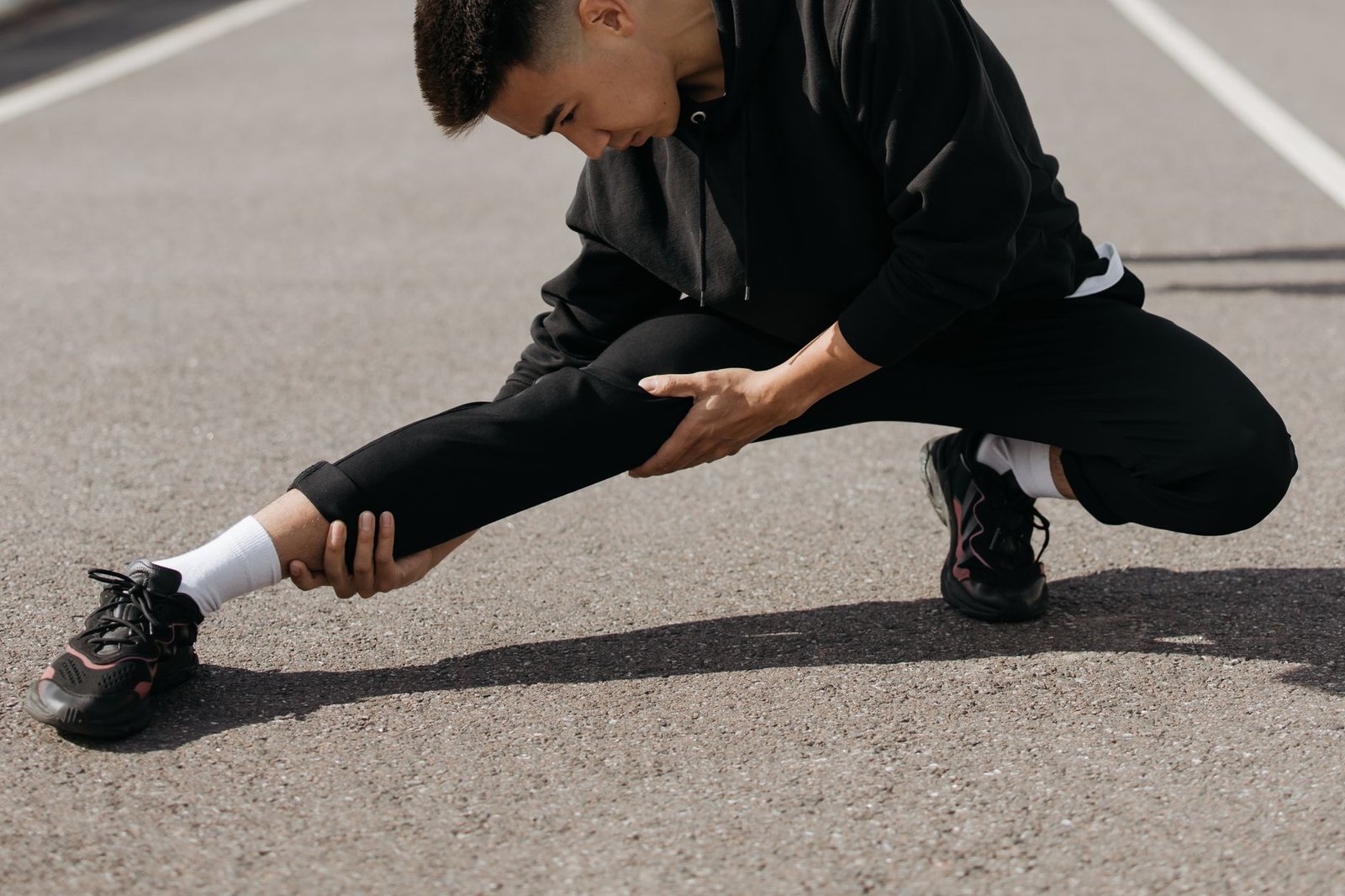
If you want cues that fit real runners, mobility guidance from coaching-focused resources can help you avoid the classic mistake of turning warm-up into a stretch contest.
Hamstrings Must Stop Stealing From Your Low Back
Using a strap or support for assisted hamstring stretching is smart because it lets you target the hamstring without dragging your pelvis into a painful compromise. Hold about 30 seconds per side, often for two sets, and keep the sensation in the back of the leg, not the lumbar spine.
Here is the cue that matters: if your low back complains, bend the knee or shorten the strap. Comfort is not weakness. It is your indicator that you are training the right lever at the right intensity.
Quads Need Depth and Positioning, Not Just Stretch Time
For deep quad stretching, many runners do well in a prone position where the heel can move toward the butt while your hips stay aligned. Aim for about 30 seconds, with an option to extend toward 45 seconds if you can keep mechanics tidy.
The common error is forcing the back to “open”. Don’t. If you feel the stretch migrate into the front of the hip in a pinchy way, reset your pelvis and chase control before depth. Mobility that inflates pinches will not translate to smoother knee drive.
Hip Mobility Should Be Measurable, Not Vibes
If your hips do not move well, your hamstrings and lower back get overworked doing damage control. That is why the routine deserves a hip-centered segment that you can repeat and compare across weeks.
Use these quick checks to decide what to emphasize, then keep your holds long enough to matter but short enough to stay precise.
| Movement Check | Target Sensation | Time or Reps |
|---|---|---|
| Couch Stretch Bias | Hip flexor front line | 2 x 30 sec/side |
| Glute Bridge Pause | Glute engagement | 2 x 8 reps |
| Figure Four Rotation | Deep outer hip | 2 x 30 sec/side |
| Lateral Lunge Reach | Adductor and groin opening | 2 x 6/side |
| Hip Hinge Mobilize | Movement in hinge pattern | 1 x 5 slow reps |
After you pick one or two of these, keep the rest of the routine honest. You are not collecting exercises, you are building a pattern. When hip mobility improves, you will notice it in stance time, stride length control, and less “low-back takeover” during stretching.

The Forward Fold Should Scan, Then Adapt
A seated forward fold with legs slightly opened can work like a diagnostic tool. At about 45 seconds, you should feel hamstring tension, plus a gentle opening through the inner range, without turning your spine into a rigid hook.
If you feel it mostly in the low back, adjust: open the legs a little more, soften the knees, and re-angle your torso. Forward fold quality is not a test of toughness. It is a test of your ability to keep the movement where it belongs.
Child’s Pose Should Release, Not Collapse
Returning to child’s pose is a smart end-of-segment choice because it lets your hips and lower back settle while you downshift breathing. But “resting” does not mean folding into sloppy tension. Set your knees comfortably, reach forward, and let the stretch become gradual.
Give it enough time to change your body state. A short pause here helps you transition from stretching effort to integration, so the next steps do not feel forced or disconnected.
Breathing Is the Hidden Coach of Mobility for Runners
Finish with focused breathing that biases one side, such as shifting hips slightly to the right to relieve tightness through hips and lower back. This is not mystical. Breathing reduces protective muscle guarding and helps your body accept range without bracing.
Try slow inhale through the nose, longer exhale, and keep the torso steady. If you can stay calm while extending, you are teaching your body to trust movement under low stress.
Progress by Range and Control, Not Pain Stories
Runners often track progress with the wrong metric. They remember the burn, the intensity, the “earned pain.” That leads to a predictable result: stiffer legs over time because you trained aggression, not control.
Instead, progress by noticing three measurable changes: less low-back interference, improved ability to hold a position without shaking, and more consistent range across sides. If one side lags, you do not quit the routine. You adjust it.
Make Consistency Your Loudest Advantage
The best routine is the one you repeat without drama. A 20-minute London session works best when it becomes a habit after easy runs or on rest days, not a once-in-a-while rescue mission after you have already stiffened up.
If you want results, commit to a schedule you can sustain for eight weeks. Your mobility will adapt to your calendar, not your intentions. Ask yourself: will you do this when motivation fades, or only when you feel inspired?
Stop Treating Each Stretch Like a One-Off Event
Every position in the routine should serve a purpose: warm-up prepares, hamstring work isolates without cheating, quad stretching gives knee drive support, and hip mobility sets the foundation for stride mechanics. When you do it as a sequence, your body learns what to do next.
If you keep moving from one maximum-stretch attempt to another, you will feel temporary relief and miss long-term improvement. Sequencing is the difference between mobility and chaos.

Keep London Routine Rules Simple and Non-Negotiable
Here are the rules that protect the outcome: keep holds around 30 to 45 seconds, stop pain out of the low back, use straps for accuracy, and choose a hip bias when tightness points there. This routine should feel demanding in a calm way, not alarming.
Do the work, track the side-to-side difference, and adjust the focus next week. If you treat stretching and mobility for runners as disciplined training, your stride will follow.
Stretching and Mobility for Runners: A 20-Minute London Routine to Loosen Hips and Ease Lower Back Tightness
What’s a typical 20-minute London stretching and mobility routine for runners?
In 20 minutes, start with a short dynamic warm-up (leg swings and gentle leg mobility), move into strap-assisted flexibility for hamstrings and hips, then use longer holds for quads and hamstrings once the legs are warm, and finish with child’s pose plus focused breathing to calm the lower back and hips.
How should runners warm up dynamically before static stretching in this routine?
Use light, pain-free motion first: leg swings and hip/hamstring sweeps to prepare the quads, hamstrings, hip flexors, glutes, and lower back, keeping everything controlled and gradually increasing range so the tissues are warm before any longer static holds.
Which strap-assisted hamstring and leg mobility stretches fit into the 20-minute plan?
Try a gentle hamstring stretch with a strap or towel, held about 30 seconds per side for one to two rounds; keep pain out of the low back by bending the knee if needed and adjust strap length toward comfort rather than chasing maximum tension.
How long should runners hold the quad stretch and forward fold for mobility?
For the quad stretch, hold roughly 30 seconds per side (extend to around 45 seconds if tightness allows), then do a seated forward fold with legs slightly wider and hold about 45 seconds, aiming for steady breathing and relaxed effort instead of bouncing.
What breathing and end-position cues help release hips and the lower back after stretching?
Finish in child’s pose, then add a gentle bias to one side by shifting hips slightly (for example, to the right) while taking slow breaths to reduce guarding; this helps down-regulate tension through the hips and lower back without forcing the range.
How can runners modify this 20-minute routine for tight hamstrings, hip flexors, or back sensitivity?
If hamstrings are very tight, reduce stretch depth, shorten holds, or keep the knee slightly bent; for hip flexor tightness, prioritize controlled mobility and avoid aggressive lumbar extension, and stop any movement that triggers sharp pain—adjusting technique is safer than pushing through discomfort.
Keep It Consistent With A Real 20-Minute Routine
Stretching and mobility for runners: a 20-minute london routine is effective because it respects how tissue actually responds to training, not because it looks fancy. Warm up dynamically, hold the key stretches long enough to matter, and use strap-assisted options to stay in the right muscles instead of forcing range. If you commit to this structure, track how you feel, and adjust for comfort, you will build better movement tolerance mile after mile. Consistency beats intensity every time.

I am Ozan, a London-focused running writer and marathon enthusiast with a passion for helping people discover the city’s best races, running routes, walking trails, and fitness events. I research and write practical, up-to-date guides covering marathons, race preparation, training tips, running gear, and everything related to staying active in London.
My goal is to create reliable, easy-to-follow content that helps runners and walkers of all experience levels explore London with confidence, whether they’re preparing for their first 5K or their next marathon.