
The best way to rehearse your taper so race day feels familiar is not about doing less training for its own sake, it is about keeping your body and routine feeling like they already know what is coming. Most runners taper like they are trying to “escape fatigue,” then wonder why race day feels foreign and heavy. The fix is simple and uncomfortable: you taper, but you rehearse.
Rehearsal means shortening the workload while protecting the feel of your fitness. Aim for a roughly two-week taper where your volume drops progressively by about 41–60%, but your key intensity stays at about the same quality and frequency. Your workouts should feel like peak efforts in miniature, with fewer total reps or less total distance, and with race-pace “wake up” moments like strides, drills, or neuromuscular pickups.
Timing matters because rehearsal works best when it is done just far enough ahead to sharpen, not tire. Schedule your last true hard workout around Monday or Tuesday about 12–13 days before race day, then do a brief sharpening session about 6–7 days out that leaves you fresh. Keep race week mostly easy, avoid anything new, and rehearse the details you can control, like breakfast timing, clothing, shoes, and a warm-up that matches your normal routine, so the start line feels familiar instead of brand new.
Two Weeks Is a Contract With Your Legs
The best way to rehearse your taper so race day feels familiar is to treat the final stretch as a controlled experiment, not a mystery. A short taper works because it keeps your nervous system and rhythm awake while you shed fatigue. For most runners, that means roughly a two-week taper, with training volume dropping progressively by about 41 to 60%.
Think of it like this. If you cut too aggressively, you do not feel better, you feel flat. If you do not cut enough, you drag fatigue into race week. Your job is to land in the narrow middle where your legs feel springy and your mind remembers what to do.
Keep Intensity Familiar Even as Volume Shrinks
Remote-work-style thinking does not apply here. You cannot “rest” your way to sharpness. You maintain sharpness by keeping intensity and frequency familiar. That is why a great taper reduces total work but keeps workouts at the same effort and similar paces to your peak sessions, just shorter and less frequent.
Ask yourself a brutal question: what would it mean if your goal race pace feels unfamiliar only because you stopped training at the right intensity? Your plan should prevent that. Reduce the quantity, not the signal.
Turn Mileage Into Portioned Runs
When you cut mileage, do it by portioning sessions, not by abandoning them. In the taper, you can keep the structure and the pace feel, then shorten the distance inside the run. Instead of a full session, run only about 2.4 to 3.5 miles out of a 6-mile session depending on where you are in the taper.
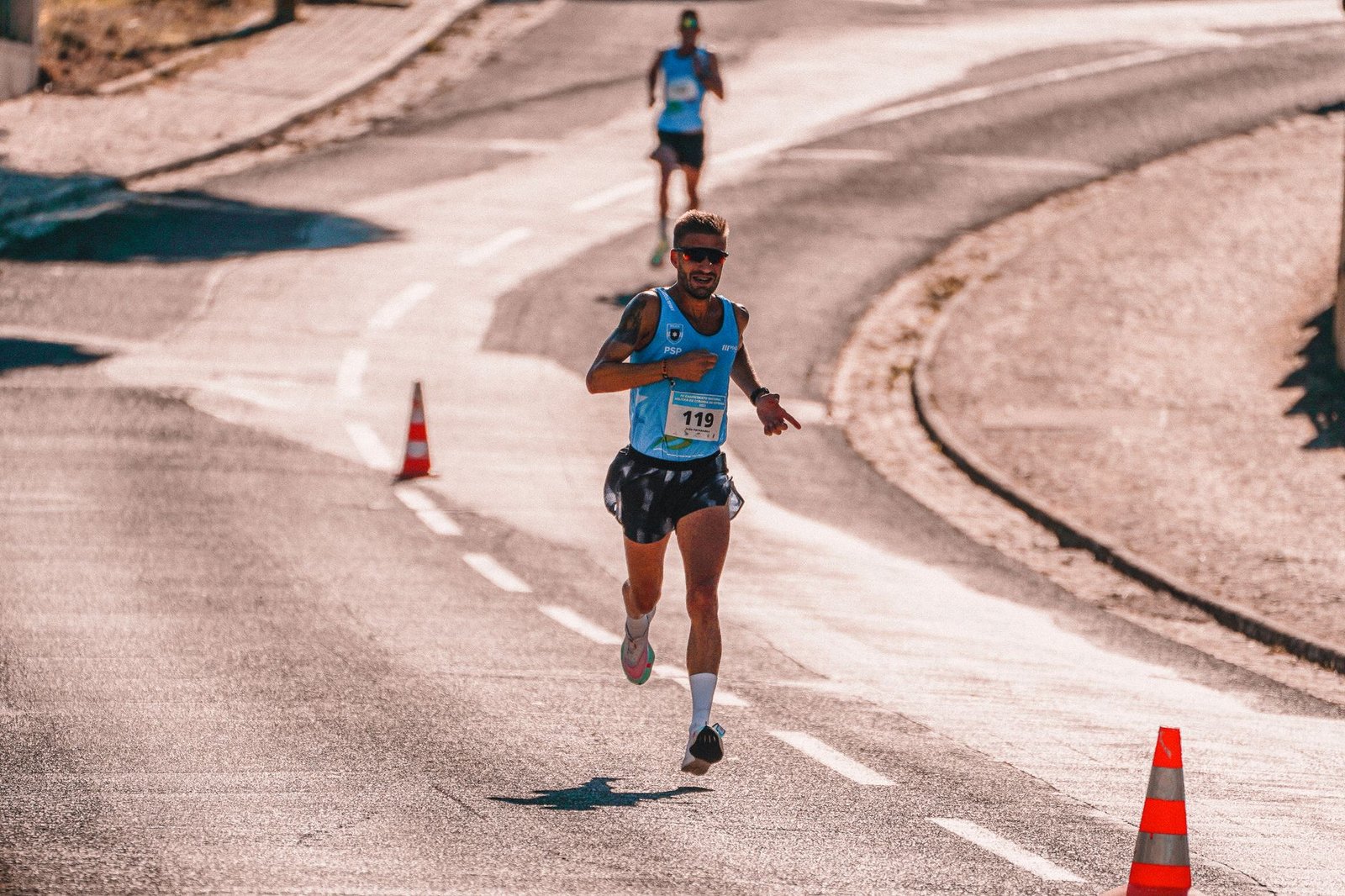
This approach keeps your form cues intact: the cadence that settles in, the oxygen demand you expect, and the rhythm your body needs to trust. You are rehearsing the sensation of work, not chasing cumulative fatigue.
Spend Effort Where It Counts
Volume reduction should be surgical. Reduce total distance and the easier parts of workouts, but do not delete the work that matters. The effort inside key sessions should get easier only in length, not in purpose. For example, keep tempos or threshold work at similar effort, but use fewer repeats, shorter totals, and controlled recovery.
Some runners argue that any harder workout during taper ruins the race. That is a fear-based rule. The truth is the opposite: the right amount of fast work teaches your body what race effort feels like. Without it, race day becomes a new demand, not a continuation.
Rehearse Race Pace Without Chasing Exhaustion
Race day feels familiar when your body practices “race-mode,” not just “training-mode.” That means keeping a small number of race-pace rehearsals late in the taper: drills, strides, and neuromuscular pickups that wake up coordination without loading your body with fatigue.
Should you be tempted to turn pickups into workouts? Resist it. Pickups should feel snappy, not taxing. This is about sharpening the engine, not adding miles to the odometer of fatigue. You want your legs to say, we know this, when the gun goes off.
- Keep drills brief and crisp
- Use strides for form and turnover
- Use pickups for neuromuscular rhythm, not exhaustion
Lock the Calendar and Stop Guessing
The most common taper failure is timing drift. Runners either harden too late or sharpen too early, and then blame the plan instead of the calendar. Aim to schedule your last true hard workout around Monday or Tuesday about 12 to 13 days before race day, focused on goal pace for marathon or your key effort, not a maximal VO2max chase.
Then keep the rest of the taper simple and predictable, using a shrinking workload that still protects intensity.
| Days Before Race | Session Goal | Training Volume Target |
|---|---|---|
| 12 to 13 | Last True Hard Workout at Goal Pace | ~20 to 30% cut |
| 9 to 10 | Easy Running With Rhythm Rehearsals | ~40 to 50% cut |
| 6 to 7 | Brief Sharpening Session at Race Effort | ~50 to 60% cut |
| 3 to 4 | Mostly Easy With Strides or Short Pickups | ~55 to 65% cut |
| 1 | Shakeout Only | ~60 to 70% cut |
If you need a rule of thumb, it is this: do not add new fatigue after your last hard day. Your taper should feel like a dimmer switch for training volume, not a gear change in effort.

Make Race Week a Copy of Training
Consistency is your secret weapon. During race week, keep routine the same: same easy day schedule, same relaxed easy pace feel, and no surprise “hero sessions.” Avoid introducing new food, new shoes, new supplements, or a new stretching protocol. Anything new can become a distraction, and distractions steal race-day freshness.
The practical logic is supported by tapering checklists that emphasize preserving confidence through familiar habits while you reduce load.
Rehearse Breakfast Warm-Up and Clothing Like a Script
Familiarity is not only physical, it is behavioral. Practice the race-day specifics you control: breakfast timing about 1.5 to 2 hours before, the same shoes and clothes, and the same calm warm-up routine you already trust. If you usually jog easy before the start, do that. If you do not, do not improvise.
Your warm-up should not turn into a workout. You are trying to arrive at the start line with steady breathing, relaxed shoulders, and legs that feel ready to respond, not legs that feel “earned.”
Engineer the First Two Kilometers
Race-day confidence often rises or collapses in the opening minutes. Ease into goal pace for about the first 2 kilometers, then lock into the rhythm you trained. That pacing transition should match what you practiced in tempo control and goal-pace segments during the taper.
Here is the real advantage of reheated familiarity: you stop negotiating with yourself. When your first kilometer feels like a repeat of your workouts, you can commit to the splits that protect the later stages.
Use Sharpness Rules for Threshold and Strides
Sharpness does not mean suffering. Your sharpening session about 6 to 7 days out should leave you sharp, not tired, such as a short tempo or a small set of repetitions at race pace. Then your race-week work becomes lighter and shorter, focusing on neuromuscular reminders like strides.
Want measurable guardrails? Keep the effort high quality but the volume small. If you finish your sharpening session feeling wrecked, you sharpened too much. If you finish it feeling eager to run again, you did it right.
Prevent Over-Taper by Keeping One Foot in Routine
Over-taper is the quiet enemy. It happens when runners cut so much that their body forgets the schedule and their mind loses the feel of training. Prevent it by keeping at least some routine: the same easy day cadence, the same relaxed warm-up habits, and a shakeout that is truly brief, not a replacement for training.
Race week should feel calmer, not empty. A taper that steals your identity costs you focus on race day. You want your routine to support confidence, not erase it.
Protect Recovery Like It Is Part of Training
You cannot out-train sloppy recovery during a taper. Sleep quality, steady nutrition, and sensible hydration keep your system responsive. The goal is to arrive at your last hard day and your sharpening day with the ability to perform the work at the intended effort.
Should you chase extra recovery tools? Only if they are already part of your normal plan. The taper rewards discipline. If you add a brand-new protocol midstream, you gamble with stomach comfort, soreness, and routine stability.

Train Confidence Through Repetition, Not Hope
Race day feels familiar when your body and mind have rehearsed the same signals: the pace sensation, the cadence, the warm-up rhythm, the fueling timing, and the transition into goal effort. That is why the taper is not a vague “rest period.” It is a rehearsal with specific doses of intensity, specific reductions in volume, and specific race-pace touches.
Stop hoping you will “figure it out” on race morning. Build the evidence in advance. Your taper should make the first steps of the race feel like your plan, not like a gamble.
The Best Way to Rehearse Your Taper So Race Day Feels Familiar
How Should You Rehearse Your Taper to Make Race Day Feel Familiar?
Use a short taper where fatigue drops but your “system” stays awake: aim for about a two-week taper with training volume reducing progressively by roughly 41–60% while keeping training intensity and frequency about the same, so your workouts feel familiar in pace but shorter in duration.
When Should You Schedule Your Last Hard Workout to Rehearse Your Taper for Familiar Race Day Pacing?
Plan your last true hard workout around Monday or Tuesday about 12–13 days before race day, focusing on goal-pace or marathon-pace work rather than deep VO2max efforts, so you sharpen without accumulating extra fatigue.
How Much Should You Reduce Training Volume While Rehearsing Your Taper?
Reduce mileage gradually through the taper by about 41–60%, and translate it into shorter sessions (for example, if a normal run is 6 miles, run only about 2.4–3.5 miles during the taper week), while keeping the structure of your key workouts similar.
What Should You Keep in Your Taper Workouts So Race Day Feels Familiar?
Keep some race-pace “rehearsal” inside workouts: reduce only the effort inside key sessions (easier tempos/threshold and fewer repeats or less total distance), but include neuromuscular pickups like drills, strides, and short “pogo” efforts to wake up the legs.
How Can You Keep Race Week Consistent So Your Taper Feels Familiar?
Maintain your routine as much as possible—same easy-day schedule and relaxed easy pace—and avoid introducing anything new in race week, including food, shoes, supplements, or a new stretching protocol, while doing only a brief shakeout the day before (about 1–3 miles easy or 10–15 minutes easy).
How Do You Rehearse Race Day Details After Your Taper So It Feels Familiar From Start to Finish?
Practice the specifics you control: take breakfast about 1.5–2 hours before, wear the same shoes and clothes, warm up calmly in the same way you’ve practiced (often an easy jog), ease into goal pace for the first ~2 km, then lock into the splits you trained, using small late-week strides or a brief short threshold/sharpening block if it’s already familiar to you.
Rehearse Your Taper Like It Belongs There
The best way to rehearse your taper so race day feels familiar is to keep your rhythm and intensity cues while steadily cutting fatigue, then finish with a final sharpening a week out and a calm, unchanged race week routine. Practice race-pace rehearsals you already know, protect your freshness, and let familiarity do the heavy lifting when the gun goes off.

I am Ozan, a London-focused running writer and marathon enthusiast with a passion for helping people discover the city’s best races, running routes, walking trails, and fitness events. I research and write practical, up-to-date guides covering marathons, race preparation, training tips, running gear, and everything related to staying active in London.
My goal is to create reliable, easy-to-follow content that helps runners and walkers of all experience levels explore London with confidence, whether they’re preparing for their first 5K or their next marathon.