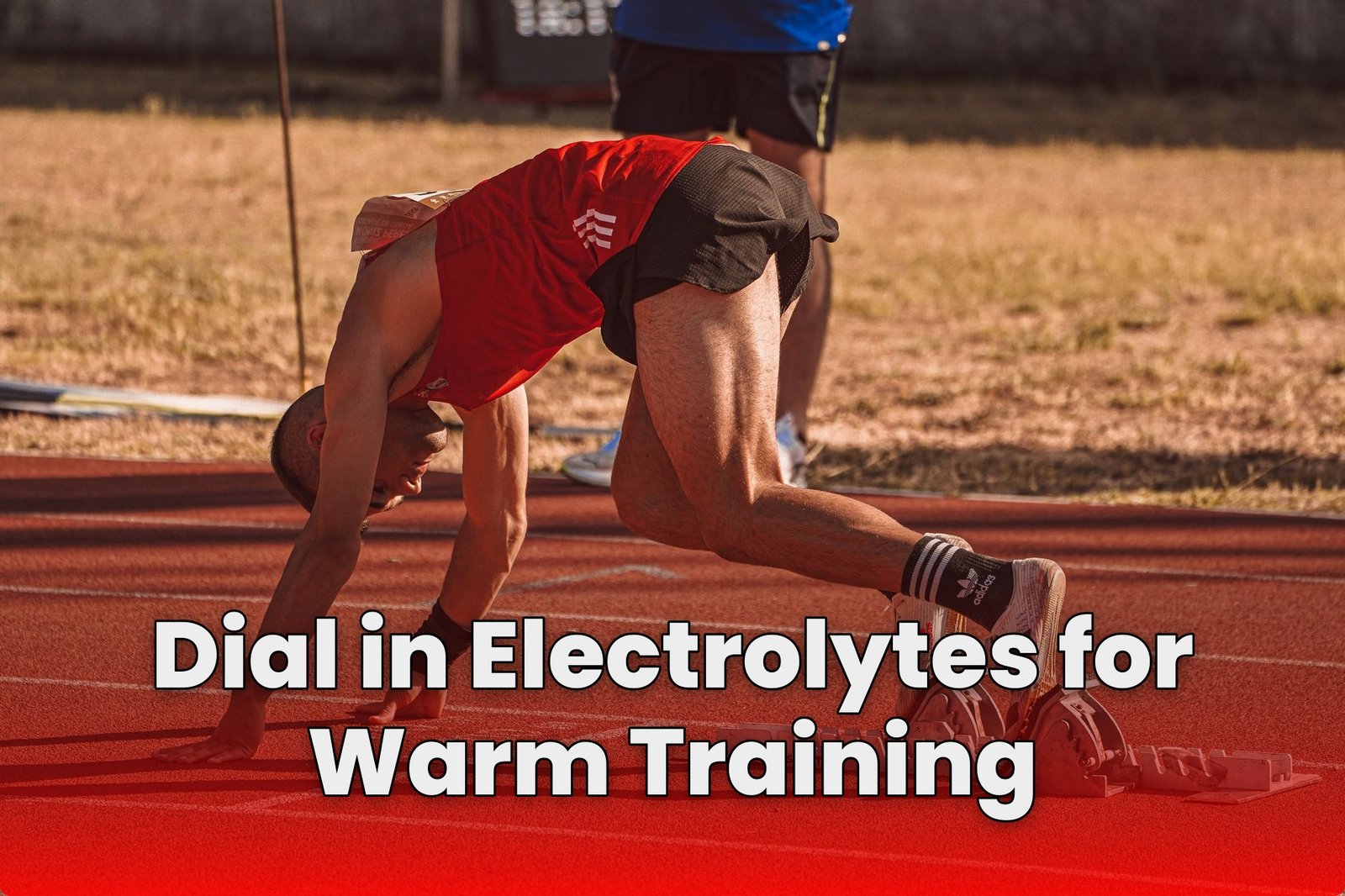
Most people ruin hot-weather workouts by chasing hydration with plain water, not strategy. That approach dilutes sodium, blunts fluid retention, and can leave your endurance feeling worse even when the bottle looks “full.” If your training starts in warm weather, the smartest move is dialing electrolytes with sodium timing and gut-friendly amounts, not simply drinking more.
For me, the core idea is simple: start well hydrated, then replace what you are actually going to lose in sweat. Sodium taken with fluids before you begin sweating helps your body hold onto water more effectively, which can support performance and reduce the “why am I fading so fast?” effect in heat. I also like the practical mindset of sodium preloading and then small, frequent sips during the session instead of one big drink at the start.
This is not about getting complicated, it is about avoiding the two common traps: under-salting before heat hits, and overdrinking without matching your sweat rate. Use trial and error across the first hot days, and consider that shorter sessions may be fine with water while longer ones often benefit from carb-electrolyte support. When your fluids and sodium line up with the work you are doing, your body stops playing catch-up.
Start Hydrated Before You Think About Sodium
If you want how to dial in electrolytes for training starts in warm weather, begin with a simple rule: don’t use electrolyte timing to fix dehydration that already happened. Starting “dry” forces your body to scramble for water first, then sodium, then both at once. That is when performance drops and stomach problems show up.
Begin exercise well hydrated, using a practical pre-start fluid of 400 to 600 mL about 2 hours beforehand. Then let thirst guide the final gap before you move. You should feel ready to work, not eager to catch up.
Water-only before you’re hydrated is guesswork. Water-only before you’re properly fueled and hydrated is strategy. Warm weather rewards the second one.
Sodium Preloading Beats Water Loading
In heat, the winning move is not more fluid. It is the right sodium with the right fluids, early enough for your body to retain it before sweating ramps up. Sodium helps your body hold on to water and maintain plasma volume, which supports endurance performance.
The common mistake is “just drink more water” the day of the first hot sessions. That can dilute body sodium, increase hyponatremia risk in extreme cases, and still leave you feeling flat. A better approach is sodium preloading before you begin sweating.
Heat performance improves when fluid intake matches sweat needs and sodium is present early, not when you chase a bigger water number.
Match Fluid Plans to Your Sweat Rate
Dialing electrolytes starts with one measurable reality: everyone sweats differently. Two people can train in the same heat and lose dramatically different amounts of fluid and sodium. If you ignore sweat rate, your “electrolyte plan” becomes wishful thinking.
Use a simple calculation from practice runs. Weigh before and after a warm session, track any fluid consumed, and estimate sweat loss. Then you can choose a targeted replacement pace, such as small frequent sips of 150 to 300 mL every 15 to 20 minutes, adjusted to your losses.
Avoid Hyponatremia by Not Overdrinking
Overdrinking is the quiet enemy of electrolyte success. When fluid intake outruns sodium availability, blood sodium can fall, and the risk climbs for headaches, nausea, confusion, and in severe cases, dangerous complications. Who wants to gamble on that when the goal is better endurance?
The fix is straightforward: don’t force liters. Match fluids to your planned intake and sweat rate, and include sodium when sessions are long or when you are starting hot-weather training with limited meal support.
More water is not a substitute for sodium. It is often the reason sodium becomes the missing piece.
Time Electrolytes for Absorption, Not Hope
Timing is where “electrolytes” become a performance tool. Sodium and fluids need time to absorb before your first heavy sweating. If you take everything too late, you may pee out excess fluids and still start the session behind.
Nutrition and hydration hydration timing research supports the practical approach of starting well hydrated, then giving your gut a workable window to process what you drink before heat hits hard.
Plan your last pre-start drink to finish at least 45 minutes before you start, so absorption can happen and excess fluid has time to clear.
Dial Drink Strength for Gut Comfort
Electrolytes are only helpful if you can tolerate the drink volume at the right time. Overly concentrated mixes can trigger stomach cramps or nausea, which ruins your pacing before you even reach the main work.
A practical target is a “sweet spot” electrolyte concentration around 1,500 mg/L sodium in a strong electrolyte drink. Use that strength with manageable volumes rather than trying to brute-force sodium by swallowing massive amounts.
Palatability matters too. If the drink is unpleasant, you will dilute it on purpose or skip it. Choose a strength you can repeat, then scale the timing and volume.
Use a Simple Sodium Schedule for Warm-Start Sessions
For the first warm-weather training start, you want sodium present before sweat losses begin, not after you feel worse. A straightforward preloading schedule uses two doses plus a buffer for absorption and gut comfort.
Here is a practical template that fits the common preloading pattern mentioned in applied sports hydration guidance.
| Timing | Fluid Amount | Sodium Strategy |
|---|---|---|
| Evening before | ~500 mL (16 oz) | Strong electrolyte drink |
| 90 minutes before | ~500 mL (16 oz) | Repeat sodium dose |
| Finish pre-start | Last sip ends 45+ min prior | Absorption window |
| Start of session | Small adjustments only | Don’t chase extra sodium |
| During session | 150 to 300 mL every 15 to 20 min | Match sweat losses |
During the workout, keep replacement frequent and modest. If you wait and then catch up with a big drink, you are more likely to overshoot fluid needs and under-supply sodium.
Consistency beats intensity. Repeat the schedule across early hot days until your body acclimates and your gut confirms the plan.
Replace Sweat Losses With Small, Frequent Sips
Warm-weather pacing punishes delayed drinking. Your core temperature and heart rate rise faster when fluid gaps build, which increases perceived effort. The goal is to keep replacement close to sweat rate so your body does not have to “recover” continuously.
A workable starting point is 150 to 300 mL every 15 to 20 minutes. Adjust up or down depending on conditions and how your body responds. If you can’t hold that pace, slow down and simplify the plan.
Good hydration feels boring. You should finish the segment without that sloshy, overfull sensation.
When Longer Than 90 Minutes Add Carbohydrates
Electrolytes are not the only lever for endurance in warm weather. For sessions beyond 90 minutes, carbohydrate becomes the dominant performance driver, because it supports sustained work even when fatigue rises.
In those longer sessions, consider carbohydrate-electrolyte drinks. This is not about adding complexity for its own sake. It is about pairing hydration and fueling so you avoid a mid-session “tank empty” moment.
For shorter efforts, electrolytes are often unnecessary if your diet already covers daily sodium and you practiced your hydration plan.
Plan for Hot-Weather Adaptation Over Days
Your body does not get heat-ready from one session. Early hot-weather training is when sodium needs often feel higher, especially if your meals are inconsistent or you have been training in cooler conditions.
Expect a transition period. Helpful strategies include maintaining adequate sodium with fluids and keeping hydration steady rather than spiking it. Over several days, sweating patterns and thermoregulation improve, and your needs may decrease.
Adaptation is not optional. Treat the first weeks as training for your physiology, not just your fitness.
Watch Signals and Adjust Midweek
Your body will tell you what is off, but only if you pay attention. Excessive thirst, cramps that show up too early, unexplained fatigue, or nausea during warm sessions can signal that fluids and electrolytes are not matching the real demand.
Use quick feedback loops. If you feel bloated, you may be overdrinking. If you feel weak or headachy, you may be under-salted or underhydrated. Then adjust the next session by small increments, not sweeping changes.
- Cramping and headache early can point to sodium mismatch
- Nausea can point to too much concentration or volume too fast
- Sluggishness can point to hydration starting behind
Use Food First Then Supplement When Needed
Electrolytes are not a religion. Sodium comes from food, too, and your meals can cover what drinks cannot. If your diet is consistent, you may not need frequent electrolyte supplements for every session.
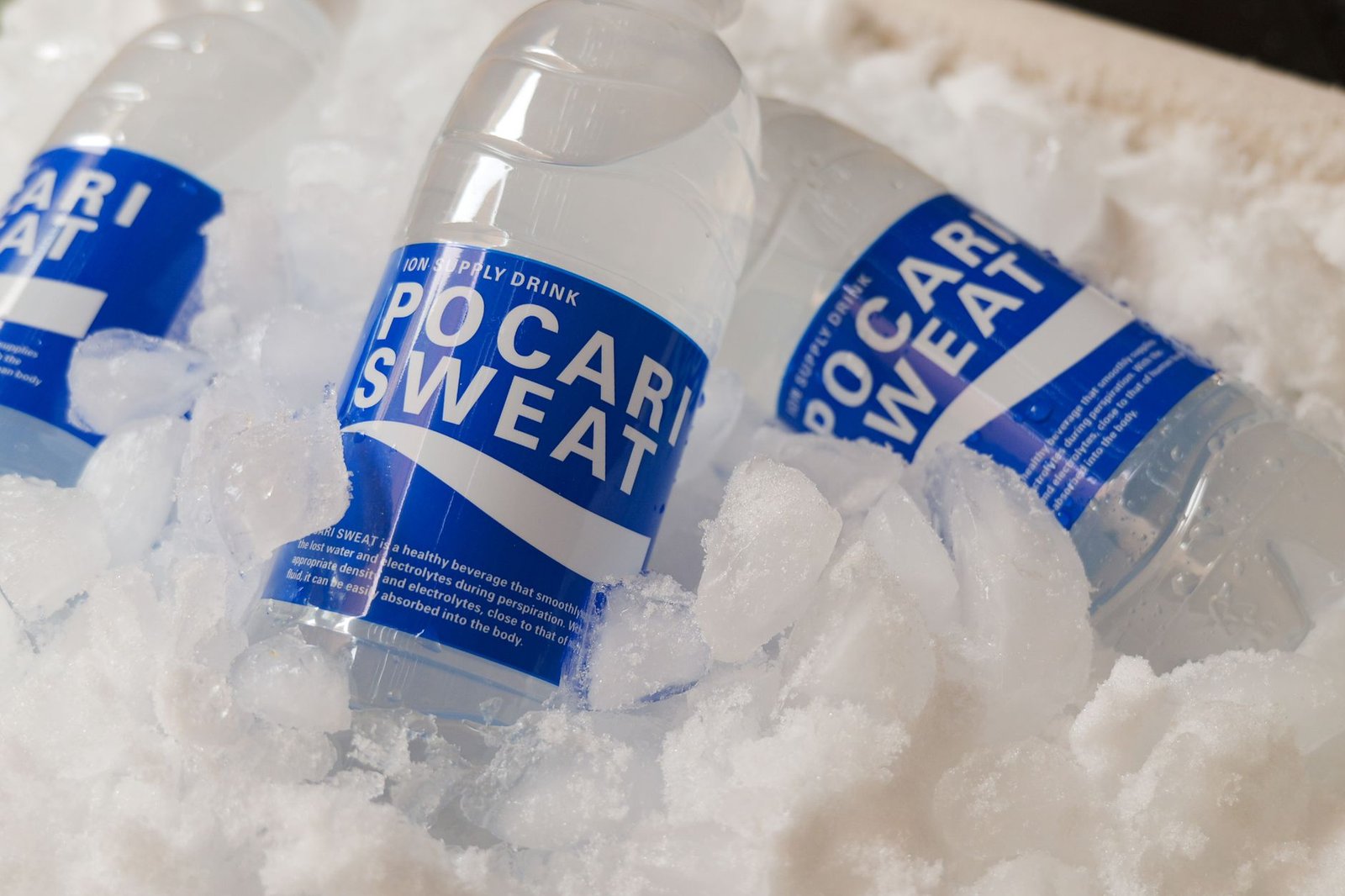
Supplement becomes valuable when meals are insufficient, when sweat losses are high, or when you are stacking training sessions in warm weather. The smart move is to match what you have in food with what the plan needs in the bottle.
Skipping sodium during low-meal days forces you to “pay later” with weaker performance. Don’t make the bottle carry the whole job.
Test in Training and Keep Safety Rules Close
Every warm start is a trial. Your sweat rate, gut tolerance, and day-to-day conditions vary. That is why the most reliable method is trial and error during training, using measurable targets like timing, fluid amounts, and repeatable drink strength.
Keep safety rules practical. Don’t overdrink just because you can. Finish pre-start fluids early enough to absorb. For long efforts, prioritize carbs and keep electrolytes supportive, not magical.
Warm weather does not reward guesswork. It rewards measured hydration, strategic sodium, and controlled pacing.
How to Dial In Electrolytes for Training in Warm Weather?
How do you start warm-weather training hydrated before you add electrolytes?
Start exercise already well hydrated, then plan to replace sweat losses with small, frequent sips so fluid delivery matches your sweat rate rather than trying to “catch up” all at once.
What does sodium preloading mean for electrolytes when training starts in warm weather?
Sodium preloading is taking some extra electrolytes before you begin sweating so your body can retain more fluid; in practice, many people use a strong electrolyte drink earlier in the day and again shortly before training.
How should electrolytes and fluids be adjusted during a hot workout?
During the session, sip regularly and add electrolytes as needed so your drink composition supports fluid retention and endurance, especially when heat increases sweat losses and perceived effort.
Is it better to drink lots of water or use electrolytes to avoid hyponatremia?
For warm-weather sessions, don’t rely on large volumes of plain water alone, since excess water can dilute blood sodium; using electrolytes strategically helps reduce hyponatremia risk.
When do you need carbohydrate-electrolyte drinks for training that lasts longer?
If your workout is long enough for fueling to matter, carbohydrate-electrolyte drinks can support performance while also replacing sodium and other ions you lose through sweat.
How can you fine-tune electrolytes for warm weather training using sweat rate and food?
Estimate your sweat rate, compare it to how much you drink, and adjust sodium and fluid amounts over the first few hot-weather sessions; also consider dietary salt and how well your usual meals cover losses.
Dial In Electrolytes the Smart Way in Heat
If you want to dial in electrolytes for training that starts in warm weather, stop guessing and plan for sodium, not just water. Start well hydrated, then add sodium strategically before you begin to sweat so you protect fluid retention and support endurance when the heat rises, and match your intake to your sweat rate with small, frequent sips during training. Make this your standard routine through the first hot-weather days, and the payoff will be steadier performance instead of needless late-session fatigue.

I am Ozan, a London-focused running writer and marathon enthusiast with a passion for helping people discover the city’s best races, running routes, walking trails, and fitness events. I research and write practical, up-to-date guides covering marathons, race preparation, training tips, running gear, and everything related to staying active in London.
My goal is to create reliable, easy-to-follow content that helps runners and walkers of all experience levels explore London with confidence, whether they’re preparing for their first 5K or their next marathon.