Post-long-run soreness is not something you have to “work through.” In London training weeks, the real mistake is treating DOMS and normal aches as inevitable. They are often the predictable result of rushed warm-ups, poor cool-downs, and a recovery plan that arrives too late.
To prevent post-long-run soreness, you need a sequence, not wishful thinking. Start with a thorough warm-up, then finish with a proper cool-down and gentle mobility while your muscles are actually ready to settle. After harder runs, hydrate and refuel quickly with carbohydrates and protein to help restore glycogen, and the next day use easy active recovery instead of jumping straight back into intensity.
My stance is simple: you should manage training stress so soreness becomes useful feedback, not a weekly derailment. That means gradually building load, strengthening problem areas before they flare, and skipping static stretching for cold legs. If pain feels sharply localized, especially in joints, or persists in a way that doesn’t match typical DOMS, treat it as a signal to back off and get assessed.
How To Prevent Post-Long-Run Soreness In London Training Weeks Starts With a Real Warm-Up
Post-long-run soreness is not random bad luck. In London training weeks, it is usually the predictable result of arriving underprepared, then asking your legs to do too much too soon. If your warm-up is a token jog and a few vague reaches, your muscles interpret the workout as an injury risk.
The fix is not “more stretching.” The fix is effective preparation that raises temperature and improves range before intensity. Start with 10 to 15 minutes easy movement, then add dynamic drills that mimic your next effort. After you warm up, stretching can help your range, but it should support performance, not replace readiness.
DOMS often follows under-warming as surely as it follows hard training.
Cool-Down and the 15-Minute Reset London Runners Skip
Many runners treat the end of a long run like a finish line for recovery. It is not. When you stop abruptly, you trap stiffness in your system and delay the transition to “normal.” That delay makes soreness feel heavier, even when the training load is reasonable.
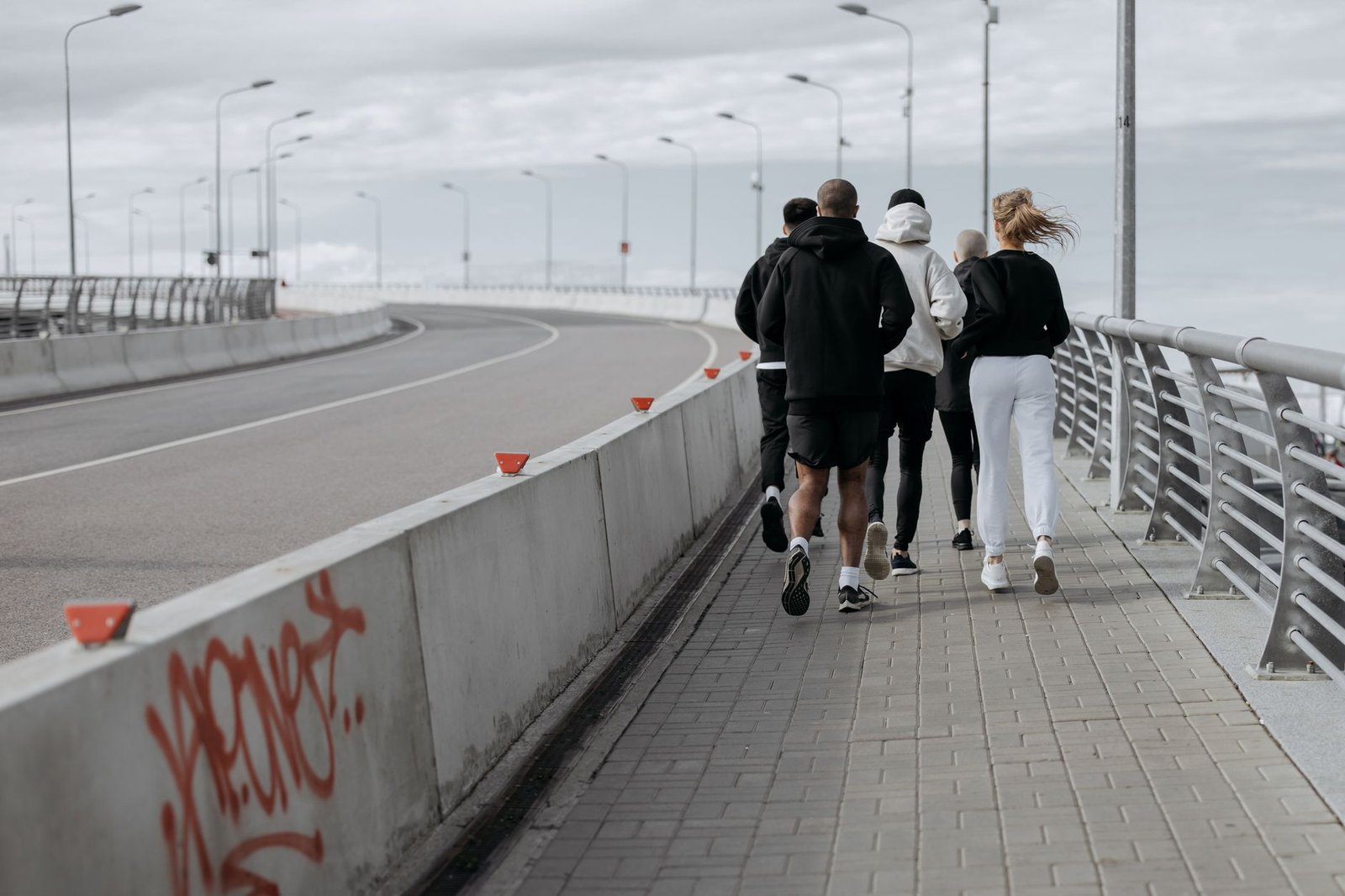
Within 10 to 15 minutes, do a gradual walk or easy jog, then light mobility. Keep it simple: lower-body movement, gentle range of motion, and breathing that calms the nervous system. You are training your body to come down smoothly, not shock it into shutdown.
Hydration Timing Beats Motivation in the Capital
London summers can still surprise you, and even mild days create dehydration through constant walking, commuting, and indoor heating. If you wait until thirst hits, you are already behind. Under-hydrated muscles feel tighter, and recovery signals slow down.
Aim for about 16–24 oz of fluid in the first 30 minutes after harder runs, then continue through the rest of the day. For runs over 60 minutes or in heat, include electrolytes so you replace what sweat actually removes. Pre-hydrate too, because “catch-up” hydration is rarely as effective as prevention.
Fuel the First Two Hours or Watch Soreness Linger
You can do the perfect warm-up and still get hammered if you miss recovery nutrition. The first hours after a long effort are when your body resynthesizes glycogen fastest, and that matters for soreness because depleted fuel increases perceived effort and slows repair.
Eat soon after with carbohydrates plus protein. A useful target is 1–1.2 g/kg/hr carbs for about 2 hours and roughly 20–25 g protein in that window. Across the whole day, aim for 1.6–2.2 g/kg protein. If you want anti-inflammatory support, consider foods like tart cherry juice, leafy greens, fatty fish, and ginger.
If you do everything right but still suffer, check your timing first. DOMS research suggests that recovery habits make a real difference even when the workout feels identical on paper.
Sleep Is Not Optional Recovery for London Weeks
Inconsistent sleep turns normal soreness into exaggerated soreness. It also reduces your ability to manage training load, because poor sleep raises stress hormones and blunts coordination. If your schedule regularly cuts your night short, your body will pay for it during the next long run week.
Protect sleep quality with a dark, cool room around 65–67°F (18–19°C), a consistent bedtime, and no screens for about 60 minutes before bed. If nights are short, a 20-minute nap can help you bridge the gap without wrecking nighttime rest.
The Day After Sets the Tone for the Whole Week
Your next day after a long run is not a debate. It is a steering wheel. Complete rest can feel correct when you are sore, but for many runners it delays circulation and stiffness relief. The goal is to reduce stiffness while keeping intensity low.
Do easy “active recovery”: conversational running or walking, or a light bike, swim, or aqua jogging when legs feel very sore. If your discomfort is high, shorten the session and keep it comfortable. Then reassess the next morning.
Soft-tissue work can help too. Spend about 10–15 minutes of foam rolling and gentle movement, focusing on tolerance rather than pain. And remember, static stretching cold muscles is not the answer. Mobility works best when tissue is warm.
Manage Load Like a Professional, Not Like a Bet
London training weeks demand consistency, not heroics. DOMS is more likely when you introduce new training, increase intensity, add volume, or stack lots of fast downhill running. If you run the same weekly plan until your legs feel fine, then suddenly “add one more thing,” soreness will respond on cue.
Use load decisions to reduce harm. Here is a practical snapshot that helps you adjust before stiffness spirals:
| Training Situation | Common DOMS Pattern | Adjustment for Next Session |
|---|---|---|
| New workout or new pace work | Delayed soreness at 24–72 h | Keep next easy day truly easy |
| More downhill than usual | Quads and calves feel heavy | Reduce intensity by 5–10% |
| Big jump in weekly mileage | Stiffness lasts 2–3 days | Add 1 cross-training day |
| Back-to-back hard efforts | Resting ache builds quickly | Swap one workout for technique-only |
| Travel or poor sleep | Recovery feels slower | Delay speed until rhythm returns |
And if your soreness is normal, it should ease within 1–2 days. If it is persistent, sharply localized, or especially joint pain, that is your cue to rest, move lightly, and get medical assessment.
Strength and Prehab Make Soreness Less Expensive
If you only react after soreness hits, you are always paying full price. Strength and prehab reduce strain on the tissues that create delayed soreness, especially around knees, hips, and feet where runners often develop mechanical stress.
Add short, targeted sessions 2 to 3 times per week during London blocks. Focus on problem areas and the movements you rely on: hip stability, calf strength, hamstring control, and controlled eccentric work for downhills. The point is simple: fewer weak links means less tissue irritation when training ramps.
Shoes, Alignment, and Surfaces Shape Your “Soreness Budget”
In a city like London, your feet deal with mixed surfaces, frequent routes, and changing conditions. Footwear wear is predictable, and worn shoes increase the chance that you compensate. That compensation overloads tendons and joints, turning manageable soreness into stubborn pain.
Replace shoes about every 200 miles, and consider orthotics or custom insoles if you have flat feet or issues like plantar fasciitis. When mechanics are supported, you reduce the cascade that can create tendon and joint problems, including lateral knee flare-ups that resemble IT band irritation.
Foam Rolling Helps, But Stop Using It as a Magic Eraser
Soft-tissue work can reduce stiffness and improve how you feel, but it does not rewrite training biology. If you roll aggressively while tissue is genuinely aggravated, you can simply add irritation and prolong recovery. The goal is relief, not punishment.
Keep sessions short and gentle. Use 10–15 minutes, stay within a tolerable discomfort range, and pair it with easy movement. Then reassess the next day. When soreness is normal, it should trend down; when it does not, your training load or form may need attention.
Static Stretching After Cold Is a Costly Habit
Stretching can be useful, but the timing is everything. Static stretching when muscles are cold often worsens stiffness or leaves you feeling loose for a moment and then tight later. It also distracts you from what truly reduces soreness: preparation, pacing, and recovery fueling.
Do stretch-after-warm-up. Use dynamic mobility before running and reserve longer static holds for after you have raised tissue temperature. If you want range work on recovery days, keep it gentle and controlled, then get moving so your joints and muscles regain practical motion.

Ice Baths Feel Smart, Yet They Can Undermine Adaptation
Cold water can make soreness feel better by reducing pain perception, so it is tempting during stressful training weeks. But feeling less sore is not the same as recovering better. Repeated cold immersion during training blocks may blunt adaptations you are trying to build.
If you use cold water, be strategic. Save it for competition situations where you need rapid turnaround, or race scenarios where back-to-back demands leave little time. A practical guideline is 10–15 minutes at 55–60°F (13–15°C) rather than every Thursday after a hard session.
Know the Difference Between Soreness and a Warning
Not all discomfort is DOMS. Normal aches should fade within 1–2 days, and your legs should feel more “springy” in the first mile of the next run. Resting heart rate can also help: it should be within about 3–5 bpm of your baseline when you are ready to progress.
Persistent or sharply localized pain, especially joint pain, is not a badge of toughness. In those cases, rest, light movement, and medical assessment are the smarter path. Ask yourself the key question: is this training effect easing, or is it escalating? In London training weeks, that distinction is how you stay healthy enough to finish the block.
How Can You Prevent Post-Long-Run Soreness During London Training Weeks?
What Warm-Up and Cool-Down Steps Help Prevent DOMS After Long Runs in London Training Weeks?
Use a thorough warm-up (easy jogging plus progressive strides) and avoid stretching cold muscles by doing gentle dynamic mobility before the run; after your run, complete an adequate cool-down with easy walking or light jogging and then light, relaxed stretching to improve circulation and reduce stiffness.
How Should You Hydrate and Fuel to Reduce Soreness After Long Runs?
Stay well hydrated by pre-hydrating and continuing with fluids soon after hard sessions, then include electrolytes after runs longer than about 60 minutes; fuel promptly with carbohydrates plus protein, since glycogen and muscle repair are supported best in the first couple of hours, and spread protein across the day to support recovery.
Which Active Recovery and Mobility Techniques Help With the Day-After Stiffness?
Choose easy “active recovery” the next day with conversational running, walking, or low-impact options like cycling or aqua jogging when legs are very sore, and limit early static stretching; add short, gentle soft-tissue work such as brief foam rolling and light dynamic movement to loosen up without over-stressing sore muscles.
How Do Strength and Load Management Reduce Repeated Post-Long-Run Soreness?
Prevent soreness from stacking by gradually increasing training load, using cross-training or lower-impact days, and focusing prehab/strength on common problem areas to improve tolerance to higher workloads; DOMS is more likely after new intensity or lots of fast downhill running, so build durability before pushing harder.
Do Cold Water Baths or Stretching Help With Post-Long-Run Soreness, and When Should You Use Them?
Cold water may reduce how sore you feel, but it doesn’t clearly improve performance recovery and repeated use in training blocks may interfere with adaptation; if you choose to use it, keep it limited (especially around key events), and prioritize stretching after warming up rather than deep static stretching right away.
How Do Sleep and Recovery Readiness Checks Like Resting Heart Rate Affect Soreness?
Protect sleep quality with a cool, dark room, consistent bedtime, and reduced screen time before bed since poor sleep slows recovery; consider readiness by monitoring how your legs feel early in your run and by checking that resting heart rate is close to baseline, and seek medical input if pain is sharply localized or joint-specific.
Keep Your London Training Legs Fresh
For how to prevent post-long-run soreness in london training weeks, the winning approach is simple and non-negotiable: warm up thoroughly, cool down properly, fuel and hydrate immediately after hard efforts, then use easy active recovery plus smart load management so DOMS does not derail your next sessions. Train the plan, respect the recovery, and make soreness predictable instead of permission to fall behind.

I am Ozan, a London-focused running writer and marathon enthusiast with a passion for helping people discover the city’s best races, running routes, walking trails, and fitness events. I research and write practical, up-to-date guides covering marathons, race preparation, training tips, running gear, and everything related to staying active in London.
My goal is to create reliable, easy-to-follow content that helps runners and walkers of all experience levels explore London with confidence, whether they’re preparing for their first 5K or their next marathon.