
Blog

London Winter Race Layers Beat the Bulk
London winter race clothing emphasizes light, breathable layering to combat chilly 36°F to 46°F temperatures, ensuring comfort against wind and rain.
Your London Marathon recovery plan covers essential post-race meals, essential hydration tips, and guidance on when to resume training for optimal results.
London winter race clothing emphasizes light, breathable layering to combat chilly 36°F to 46°F temperatures, ensuring comfort against wind and rain.
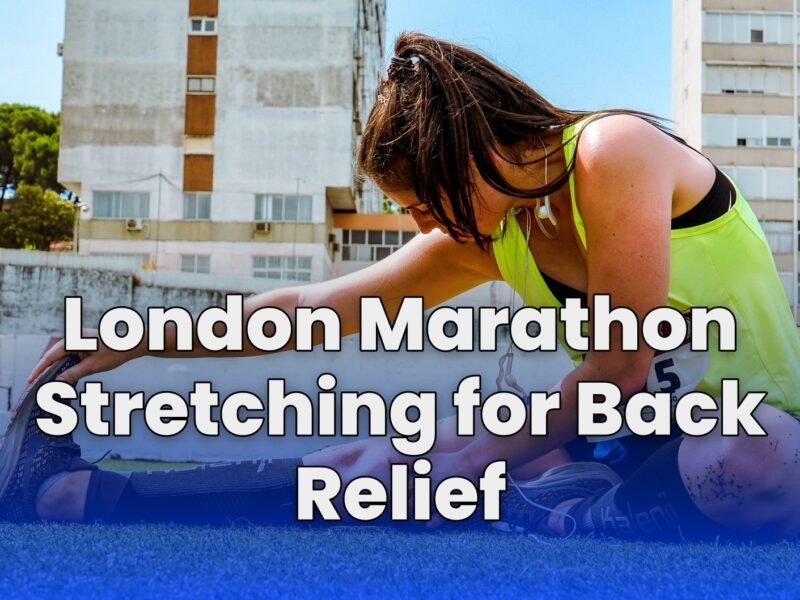
London Marathon stretching can alleviate lower back tension with gentle mobility techniques that help restore movement without aggravating discomfort.
When your London long run goes wrong, quick adjustments like changing routes or slowing down can help manage fatigue or discomfort effectively.
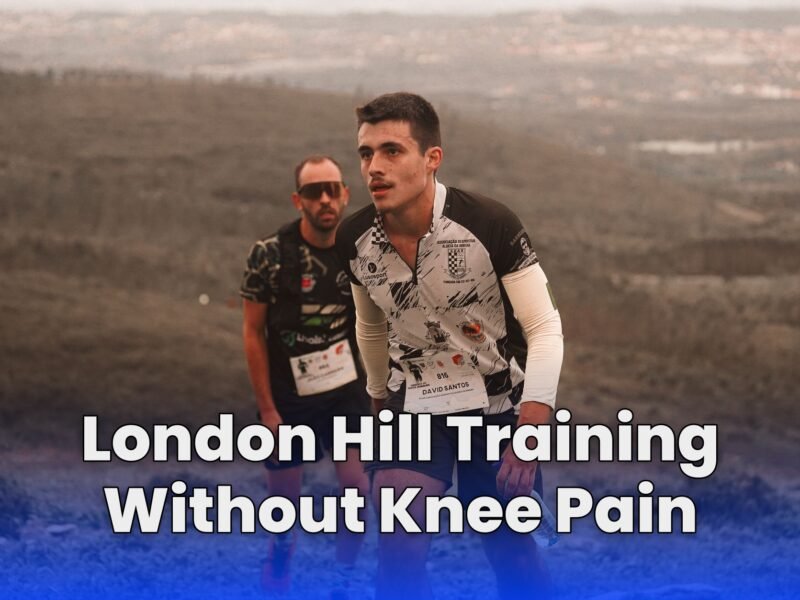
Hill training for London emphasizes treating downhill running as a separate skill, helping to reduce knee strain with proper form and volume limits.
Long-run breathing can feel effortless in London's wind when you adjust your pace and focus on breathing in sync with your strides.
A London Marathon bag setup ensures easy access to gear by organizing essentials with damp items separated and valuables kept close during the race.
Foot swelling prevention during races focuses on the right shoes and compression gear along with proper timing to keep discomfort at bay.
London Running Club Speed Days provide structured sessions that boost your running speed, focusing on proper lane discipline from the warm-up onward.
Best pre-race dinners in London focus on easy-to-digest carbs like tomato pasta and lean proteins, steering clear of heavy, rich meals.
Adjust your London Marathon strategy for unexpected heat by focusing on your WBGT reading to manage pace, clothing, and hydration effectively.