Timing on London Marathon day is how you protect your confidence. You can do everything right in the weeks before, but if your travel plan is built like crowds and delays will magically disappear, you end up negotiating for minutes that the route simply does not give back.
Transit timing has to respect the real start system and the real bottlenecks. The official wave schedule means station flow changes fast, and main Tube lines get crowded well before the first elite groups move. Build your buffer around the wave you are assigned, then add extra margin for crowding, walking time from stations to start areas, and the kind of slow, stop-and-go movement that only happens when thousands arrive together.
This is not “being overly cautious.” It is the practical move that keeps you calm when the city is loud and packed. Plan to arrive early enough to get through assembly access and start-area walking without stress, then commit to the buffer like it is part of your training plan, not an afterthought you hope will work out.
Wave System Means Timing Is a Strategy, Not Hope
For race day, the biggest confidence killer is treating london marathon transit timing: build a buffer without losing confidence like guesswork. The official wave system is not a suggestion. It is a schedule that controls when crowds surge, when stations clog, and when you feel pressure to sprint through barriers.
Look at the start cadence. Elite wheelchair races start first at 8:50am, the next elite women’s at 9:05am, the elite men and Championship wave at 9:35am, and mass crossing continues until 11:30am. If you plan around that reality, your day stops being a gamble.
Arrive Too Early or Too Late Both Break Your Day
Some people overcorrect. They rush in hours early, then burn energy wandering from station to start area, freezing while they wait. Others arrive late, hoping “one more train” will save them, and end up trapped in station queues at the exact moment their wave is leaving.
Confidence comes from the middle: early enough to absorb delays, late enough to stay warm and focused. Ask yourself a blunt question. Do you want uncertainty, or do you want a timetable you can trust?
07:30 At Greenwich Is a Confidence Anchor
If you aim to be at Greenwich by 07:30, you turn transit chaos into buffer time you can actually use. Assembly opens 07:00, and gates close 30 minutes before your wave, which means any delay has a way of compounding fast.
When gates close early, late arrivals trigger a chain reaction. You miss entry, you re-route, you queue again, and suddenly you are bargaining with the clock instead of controlling your morning. Greenwich by 07:30 is how you keep control.
Extra Margin Must Cover Crowding, Not Just Travel Time
People plan buffers for train duration. That is not the real problem. The real problem is crowding and station dwell time. Main Tube lines become busy, and buses take longer because closures and route changes distort every shortcut you think still exists.
So build margin for the slow parts: platform congestion, barrier lines, ticket entry checks, and the simple fact that walking speeds drop when everyone is walking the same way. Your schedule should assume friction.
Station Choice Beats Speed, Because Walk Time Is Real
Even after you reach the right station, you still face the walk to the start areas. Start areas are typically 10 to 15 minutes’ walk from the station. Blue and Yellow are about 10 minutes, Green is about 10 to 15 minutes from Maze Hill, and Red is about 10 to 15 minutes from Maze Hill or Greenwich.
That walk is not a detail. It is a timer. If you cut it too close, you do not just risk being late. You arrive breathless, colder, and more vulnerable to another queue at the gates. Plan the walk as part of transit timing, not as an afterthought.
Use the App and Event Guide or Lose Minutes to Network Congestion
On race morning, connectivity can wobble, and quick checks become expensive when you are staring at a packed platform. Download the Event Guide ahead of time so you are not dependent on signal quality mid-journey. Then use the arrival window and recommended stations and trains from your registration email plus the London Marathon app.
Your plan can borrow details from the race travel guide while you still tailor timing to your wave and your walking route.
| Wave Group | Start Time | Buffer Logic |
|---|---|---|
| Elite Wheelchair | 8:50am | Be on-site by 7:30 |
| Elite Women | 9:05am | Arrive early for gate timing |
| Elite Men and Championship | 9:35am | Plan extra for station crowding |
| Mass Crossing | Until 11:30am | Expect queues to grow then ease |
| Assembly Access Window | Opens 7:00am | Gate closing is 30 minutes before wave |
The point is simple. Confidence is built by reducing unknowns. A downloaded guide and a pre-set route do that work for you.
Tube and Rail Work Best When Road Options Collapse
For runners and spectators who need to move reliably, the Tube and rail network is the best route. Road closures reshape routes, bus options drop, and surface crossings become effectively impossible in the places you most want to cross.
So plan like the city is channeling everyone into transport corridors that keep moving. If your plan depends on a road detour, ask why you are betting your day on the one variable that organizers are actively constraining.
DLR and Jubilee Offer Backup Arteries You Should Pre-Choose
Even with a primary route, you need options that do not require improvisation. The DLR and the Jubilee are key alternatives, especially for parts of the route feeding into major hubs. The DLR runs Greenwich to Canary Wharf to Bank, and the Jubilee connects Canary Wharf to Westminster.
Think in backups. Pick them before you travel so you do not waste time deciding while your pulse rises. When you already know your switch, a delay becomes information, not panic.
Cutty Sark DLR Is Exit-Only Plan Your Stop Name Carefully
One trap is easy to miss. Cutty Sark DLR is exit-only on race morning. If you treat it like a normal stop, you can strand yourself on the wrong side of the plan.
Instead, plan to get off at Greenwich, Maze Hill, or Blackheath depending on your route. That small naming discipline saves time, prevents wrong-turn loops, and keeps you on schedule without the stress of asking strangers to translate your mistake.
Spectators Should Limit Viewing Spots to Preserve Momentum
If you want to see the race without bleeding time, limit yourself to a maximum of three viewing spots. Every extra stop multiplies walking, queueing, and transit risk, especially when crowds funnel toward the next corridor.
Pre-plan your reunion at Horse Guards Parade. Choose a meeting-zone letter so you have a clear target when signals get weak near the finish. What happens when your phone drops a call mid-reunion? You need a plan that survives that moment.
Keep Essentials Ready So You Are Not a Moving Bottleneck
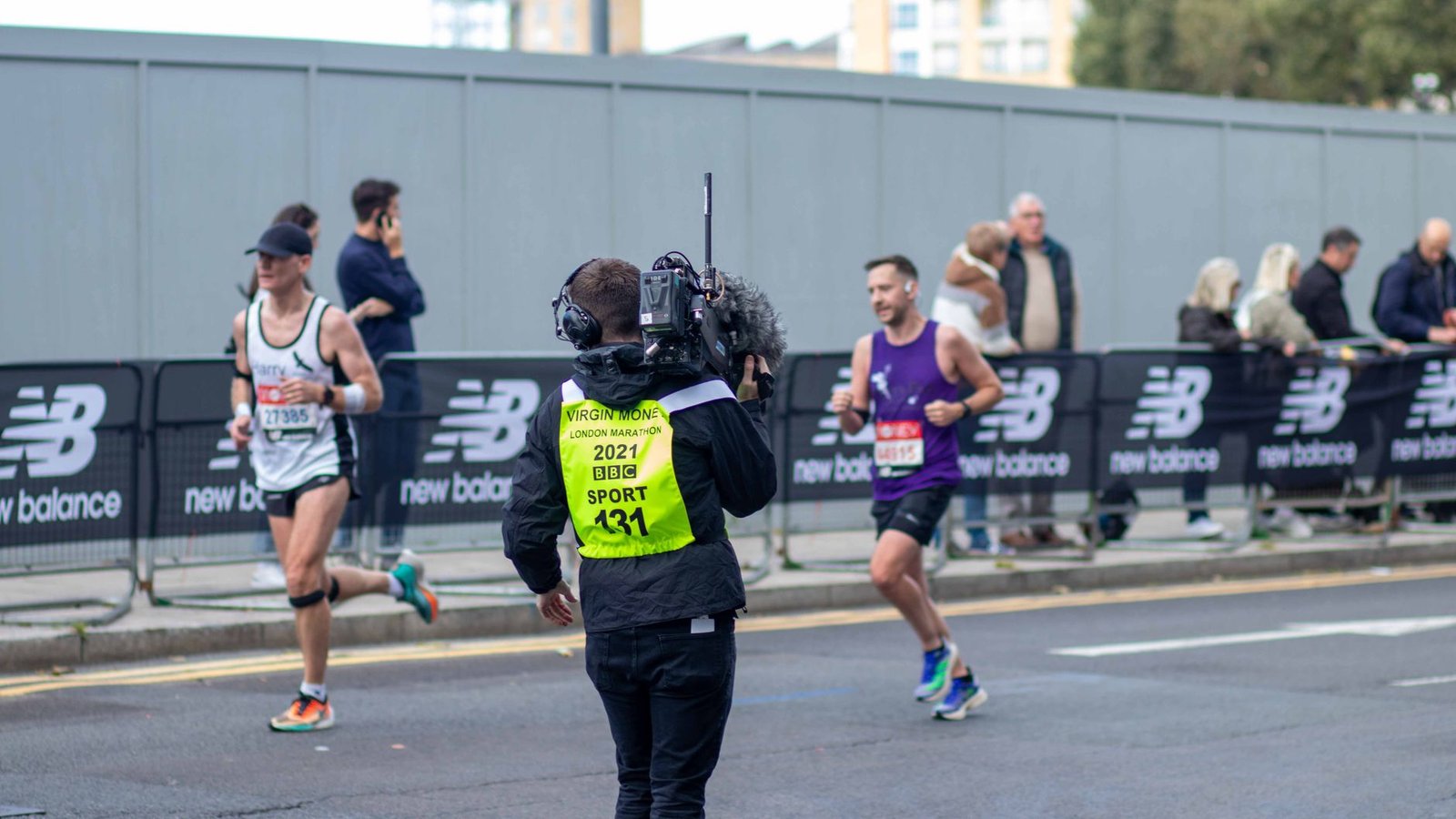
Arrive prepared and you move faster. Runners should keep their race number handy for the Underground or Overground or TfL Rail or DLR or Southeastern, because checks and timing moments can show up sooner than you expect.
Spectators waiting around after bag drop should expect cold. Warm, older clothes matter because you can be standing for up to an hour. Confidence fades when you are uncomfortable and distracted.
Confidence Comes From a Rehearsed Timeline, Not a “Hope Train”
The best argument for buffer planning is psychological as much as practical. When you know your arrival target, gate timing, station walk time, and backup transport options, delays do not feel like failure. They feel like absorbed friction within a plan.
So rehearse the morning in your head like a dry run. Ask yourself: if the station is busy for 20 minutes, do you still arrive on time to assemble and pass through gates? If the answer is yes, you can watch the start with focus. If the answer is no, adjust the plan now, while you still have control.
London Marathon Transit Timing: Build A Buffer Without Losing Confidence
How Should You Time London Marathon Transit Using the Official Wave System?
Use your wave start time to plan your arrival, because elite wheelchair races start at 8:50am, elite women start at 9:05am, and the elite men and Championship wave starts at 9:35am, while mass crossing continues until 11:30am, so aim to reach your start area well before your gates close.
What Buffer Should You Build for Crowding and Delays on Race Day Transport?
Build extra travel time for busy stations and likely delays, and do not assume a quick Tube or rail transfer will hold, so plan to be at Greenwich by around 07:30, remember assembly opens at 07:00, and keep a buffer because gates close about 30 minutes before your wave to prevent a cascade of lateness.
Which Stations and Routes Help You Reach Greenwich and the Start Areas on Time?
Plan to use the most reliable rail route and get off at the recommended stations such as Greenwich, Maze Hill, or Blackheath, since start areas often require a 10 to 15 minute walk, for example Blue and Yellow are about a 10 minute walk while Green is about 10 to 15 minutes from Maze Hill and Red is about 10 to 15 minutes from Maze Hill or Greenwich.
Why Is the Event Guide and Your Registration Email Important for Picking Trains?
Rely on the arrival window and the recommended stations and trains in your registration email and the London Marathon app, and download the Event Guide in advance to avoid loading problems when network traffic is heavy on race day.
How Can Spectators Plan Meeting Points Like Horse Guards Parade Without Losing Confidence?
To avoid wasted time, keep your viewing plans to a maximum of three spots and pre-plan your reunion at Horse Guards Parade by using the meeting-zone letter, since phone signal near the finish can be unreliable and you need a clear fallback plan.
What Essentials Should You Carry for London Marathon Travel and Waiting?
Keep essentials ready for your journey and timing, including your race number for travel checks on Underground, Overground, bus, TfL Rail, DLR, and Southeastern for runners, and pack warm older clothes because bag drop and waiting can leave you cold for up to an hour.
Build A Buffer And Keep Your Confidence
For race day, london marathon transit timing: build a buffer without losing confidence means you plan like the stations will be busy, your walking time will be real, and delays are likely. Use the official wave system from your registration email and the London Marathon app, target an early arrival such as being in Greenwich by 07:30, and assume you will need the full margin for crowding so you do not feel rushed at the start area. Pack and pre-plan for reliable meeting points, keep viewing spots limited, and stick to the route options that are still workable on the day. Choose a buffer that protects your calm, because a confident arrival lets you focus on the run.

I am Ozan, a London-focused running writer and marathon enthusiast with a passion for helping people discover the city’s best races, running routes, walking trails, and fitness events. I research and write practical, up-to-date guides covering marathons, race preparation, training tips, running gear, and everything related to staying active in London.
My goal is to create reliable, easy-to-follow content that helps runners and walkers of all experience levels explore London with confidence, whether they’re preparing for their first 5K or their next marathon.