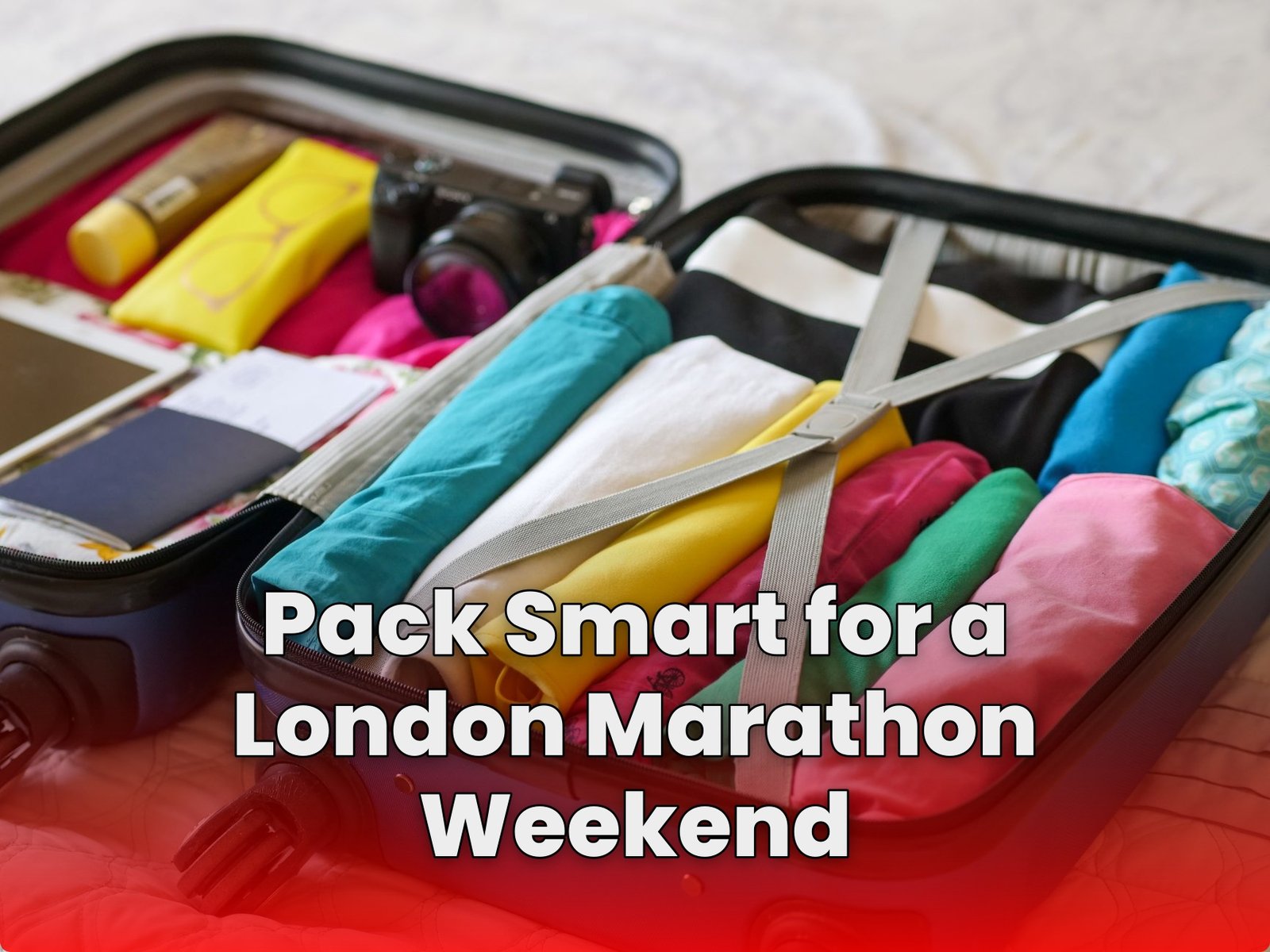
It is not the marathon that punishes you, it is the weekend logistics. If you have been searching What to Pack for a London Marathon Weekend: Essentials and Comfort Items, take a firm stance: pack for fast-changing weather and for how you will feel before, during, and after the race, not just for what looks sporty in photos. Your goal is simple, stay comfortable while you move, then switch to recovery mode the moment you finish.
The smartest packing strategy is to treat every item as a solution to a real problem. Breathable, moisture-wicking layers beat cotton because they keep you from overheating or feeling cold later, and well-worn running shoes prevent “surprise” blisters when you are already under strain. For race day itself, you need the basics that let you execute, plus the small comfort upgrades that make waiting and cheering less miserable.
And here is the part most runners get wrong, comfort is not optional just because the training plan is serious. A dry change of clothes, anti-chafe help, and a few practical recovery touches can turn a tough finish into an actually enjoyable comeback, even if the weather swings. This article will help you pack with intent so your weekend supports your performance instead of sabotaging it.
Fast Weather Is the Real Starting Line
London marathon weekend weather can swing from bright to brutal in hours, and that means your packing plan must be weather-proof, not wishful. You are not preparing for one forecast. You are preparing for uncertainty that shows up the moment you step outside.
Pack for layers, not luck. Lightweight running clothes that breathe, plus a wind-resistant top you can manage fast, will beat any single “perfect” outfit every time. If you only pack one temperature range, what happens when the sky flips before the start?
Skip Cotton Like It’s an Injury Risk
Do not bring cotton for anything that touches your skin during the race. Cotton holds onto sweat, stays wet, and cools you down when you least want it to. That is not just uncomfortable, it can turn into chafing, blisters, and a miserable finish.
Choose moisture-wicking fabrics and breathable running clothes. If you need a sports bra, make sure it fits securely and supports without digging. The goal is simple: stay dry where friction and heat build up.
Shoes Must Be Proven, Not Promised
Your marathon shoes should be comfortable enough to wear with confidence, not “comfortable if nothing goes wrong.” Wear them in for at least two weeks beforehand so the fit, cushioning, and outsole response are already known.
Pack shoes you have trained in, then add what protects them from weekend chaos: well-fitting socks, blister care, and a spare plan for after. Because once the race ends, the next decision is whether you can move without paying for one last mile worth of neglect.
Socks and Anti-Chafe Decide the Comfort Budget
Most discomfort during a marathon weekend is not dramatic. It is repetitive and preventable. Multiple pairs of non-cotton running socks matter because wet or stretched socks make friction worse, especially after rain or long waits.
Bring anti-chafe products before you need them, not after you feel “a hot spot coming.” If you get the balance right now, you can spend your energy on pacing instead of damage control.
Bibs, Safety Pins, and Power Decisions
Essentials are not optional. Your race bib with safety pins, any watch or GPS you use, and the basic gear that keeps you from scrambling on race morning should be packed where you can find them instantly.
Also bring a phone charger. One failed battery can ruin your plans for checkpoints, photos, and recovery logistics. If your weekend depends on your phone, why leave its power to chance?
Hydration and Trained Nutrition Must Be Non-Negotiable
Pack your race nutrition exactly as you trained with it. Gels, chews, or bars should match the timing, flavors, and consistency your stomach already tolerates under effort. When athletes switch products midstream, the result is often not “learning.” It is avoidable discomfort.
To keep the weekend practical, build your in-race kit around measurable items you can execute. packing list guidance can help you sanity-check what you intend to carry.
| Item to Carry | Typical Target | Good Packing Format |
|---|---|---|
| Water plan | 500 ml total | Soft flask or bottle |
| Gels or chews | 6 to 8 pieces | Pockets or pre-portioned bag |
| Electrolytes | 1 dose every 30 to 40 min | Tablets or powder mix |
| Carb backup | 1 bar | Individually wrapped and sealed |
| Post-race quick fuel | 1 serving | Chews or liquid-friendly option |
Do you notice the pattern? Execution beats improvisation. A clear hydration and nutrition plan reduces the mental load when you are tired and crowds are loud.
Comfort Items Should Expect the Wind
Comfort is not fluff at London. It is protection from the kind of chill that arrives fast and lingers while you wait, shuffle, and start moving again. Pack a hat or visor if it suits your routine, plus sunglasses and sunscreen.
And yes, include lip balm. Small discomfort becomes bigger after hours in fluctuating conditions. If you have a tendency to get dry lips or irritated skin, why not treat it like an essential instead of an afterthought?
Rain Gear Beats Regret, Even If Forecasts Flinch
Bring a rain jacket or a disposable poncho. Weather in London can pivot without warning, and wet clothing can drain comfort quickly, especially during pre-race queues and the final push of the course.
Ultralight waterproofs help, and a packable umbrella can be useful for spectators too. The real win is readiness. If you show up dry and light, you do not spend your race thinking about what you forgot.
Travel Kit Keeps You Functional on Arrival Day
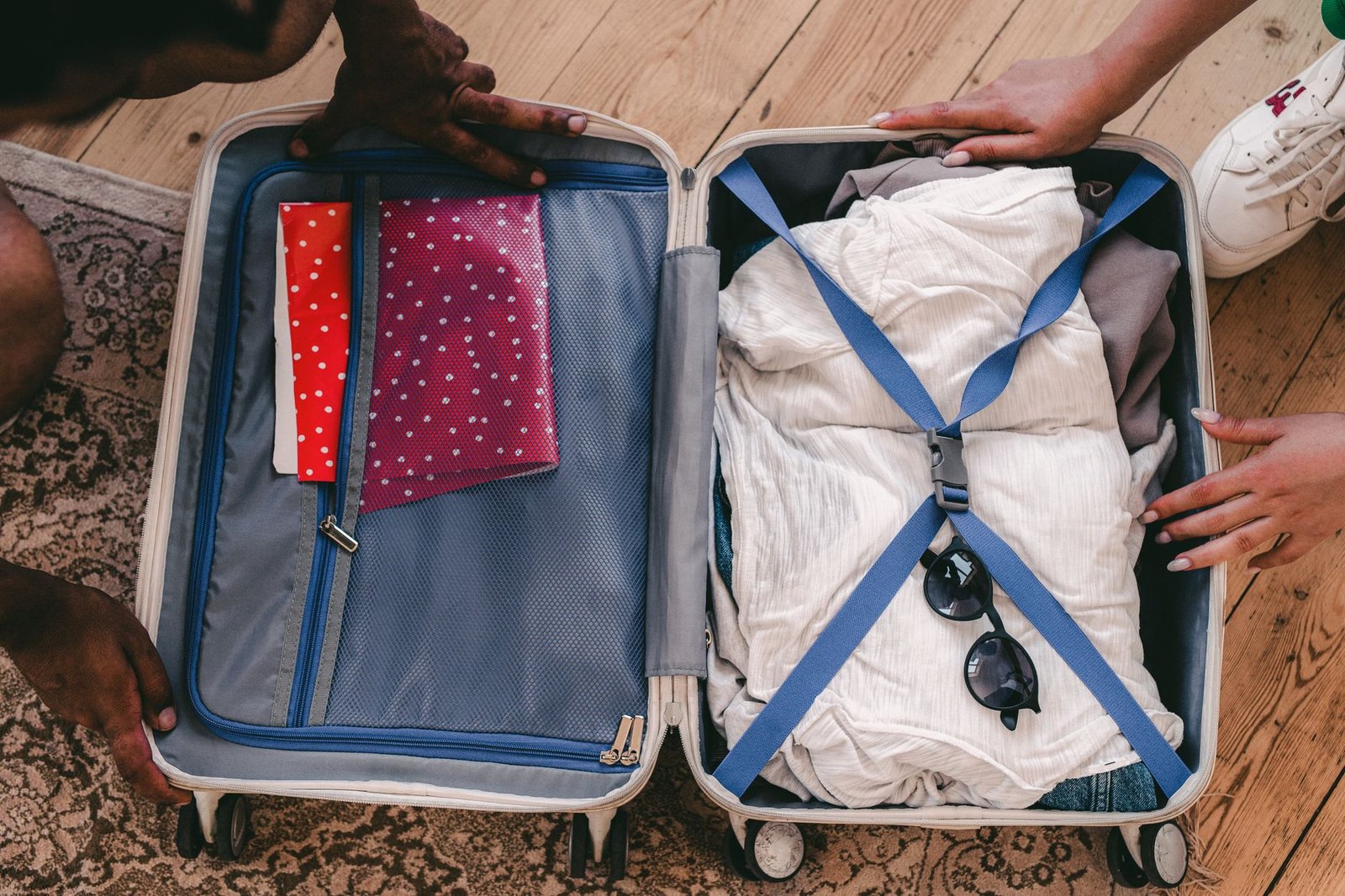
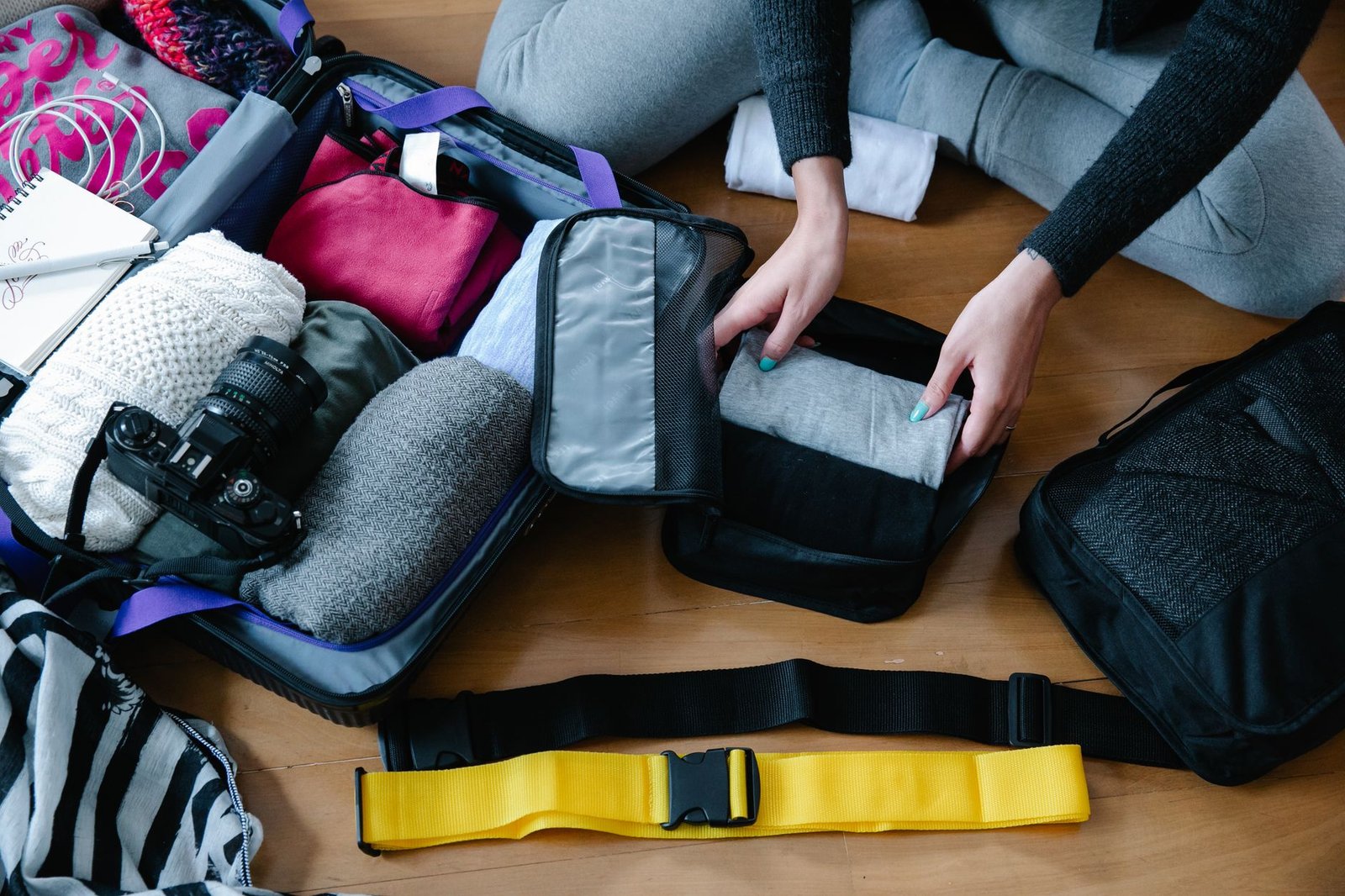
Your weekend does not begin at the start line. It begins when you travel, wait, and deal with transit bottlenecks. Pack a waterproof or water-resistant bag/pack with compartments so clean items stay clean and sweaty or dirty items do not contaminate the rest of your setup.
A portable power bank with the right cables and a universal plug adapter for your electronics prevents the classic problem of “I charged at the wrong moment.” Recovery is easier when your devices work and your plans are orderly.
Compression Socks Help You Recover With Less Friction
Bring compression socks for travel and recovery. They can make getting off trains and walking after the finish less punishing by supporting your legs during the long in-between hours.
Pair them with practical footwear choices. Flip-flops or easy recovery footwear matter because your feet will want comfort immediately. Why force your body to solve a logistics problem right after the effort?
After-Race Hygiene Is Part of the Training Plan
Wet wipes or baby wipes are not glamorous, but they are effective. They help you cool down, clean sweat, and reset before you change. Bring deodorant too, because the finish line might feel like victory, but the reality of public transport demands basic hygiene.
Pack a dry change of clothes, including warm long-sleeve tops and leggings or sweatpants. The moment you stop running, you lose heat quickly. Dry warmth helps you feel human again, not just exhausted.
Blister Care Prevents a Two-Day Disaster
Plasters, blister plasters, and antiseptic cream should be in your kit before the race. Treat this as prevention, not emergency triage. A tiny hot spot can grow when socks slip or when wet feet rub against seams.
Also pack extra socks. Post-race dampness and cold air can turn discomfort into a full-body problem. Would you rather spend 30 seconds applying protection, or 30 hours walking like you are carrying unfinished business?
Small Extras Protect Your Mood and Your Schedule
Bring tissues, headache relief if you use it, and stomach-soother items like Tums or ginger chews. Some athletes swear by Pepto chews, and the point is simple: you want the options that match what you have tolerated in training.
Pack savory and sweet snacks that do not melt, plus headphones or earphones for the ride home, and of course your ID and cash if you need them. When you control the small stuff, you protect the part of you that wants to enjoy the marathon weekend instead of just survive it.
What Should You Pack for a London Marathon Weekend, Including Essentials and Comfort Items?
What Running Clothes and Weatherproof Layers Should You Pack for a London Marathon Weekend?
Pack lightweight, breathable, moisture-wicking running clothes in non-cotton fabrics, and add weatherproof layers like a hat or visor, sunglasses, sunscreen/lip balm, plus a rain jacket or disposable poncho for fast-changing conditions.
Which London Marathon Essentials Should You Bring Before and During the Race?
Bring your race bib with safety pins, any watch/GPS device you use, hydration like a water bottle or soft flask, and the nutrition you’ve trained with (gels/chews/bars) plus electrolytes.
How Should You Pack Comfort Items Like Shoes, Socks, and Anti-Chafe for London Marathon Day?
Choose comfortable running shoes you’ve worn for at least two weeks, pack multiple pairs of non-cotton running socks, and include anti-chafe products to prevent hot spots and irritation.
What Travel and Recovery Items Should You Pack for a London Marathon Weekend Bag?
Carry a waterproof or water-resistant bag with compartments, bring a portable power bank with the right cables and a universal plug adapter, and pack compression socks for travel and recovery.
What Should You Pack for After the London Marathon, Including Recovery, Hygiene, and Blister Care?
Include a dry change of clothes (warm long-sleeve layers, leggings or sweatpants), extra socks, recovery footwear like flip-flops, wet wipes, deodorant, and blister supplies such as blister plasters and antiseptic cream.
Do You Need Snacks, Medical Extras, and Chargers for a London Marathon Weekend?
Yes—pack non-melting savory and sweet snacks, small “stomach soother” or comfort items you prefer (like ginger chews or antacids), plus tissues, plasters as needed, and don’t forget headphones/earphones, a phone charger, and any ID or cash.
Pack Smart and Run Free
Follow the guidance in what to pack for a london marathon weekend: essentials and comfort items and you will remove the guesswork that steals energy on race day. Plan for fast-changing weather, protect your skin and feet, bring trained nutrition, and set yourself up for recovery with clean layers, wipes, and blister care. If you pack with intention now, you can focus on pace later.

I am Ozan, a London-focused running writer and marathon enthusiast with a passion for helping people discover the city’s best races, running routes, walking trails, and fitness events. I research and write practical, up-to-date guides covering marathons, race preparation, training tips, running gear, and everything related to staying active in London.
My goal is to create reliable, easy-to-follow content that helps runners and walkers of all experience levels explore London with confidence, whether they’re preparing for their first 5K or their next marathon.