Waiting to recover is the easiest way to feel worse later. After a London race weekend, the first minutes after you cross the line matter: you want warm layers on, damp shoes off, and fluids and quick fuel in your body before you cool down and start to tighten up.
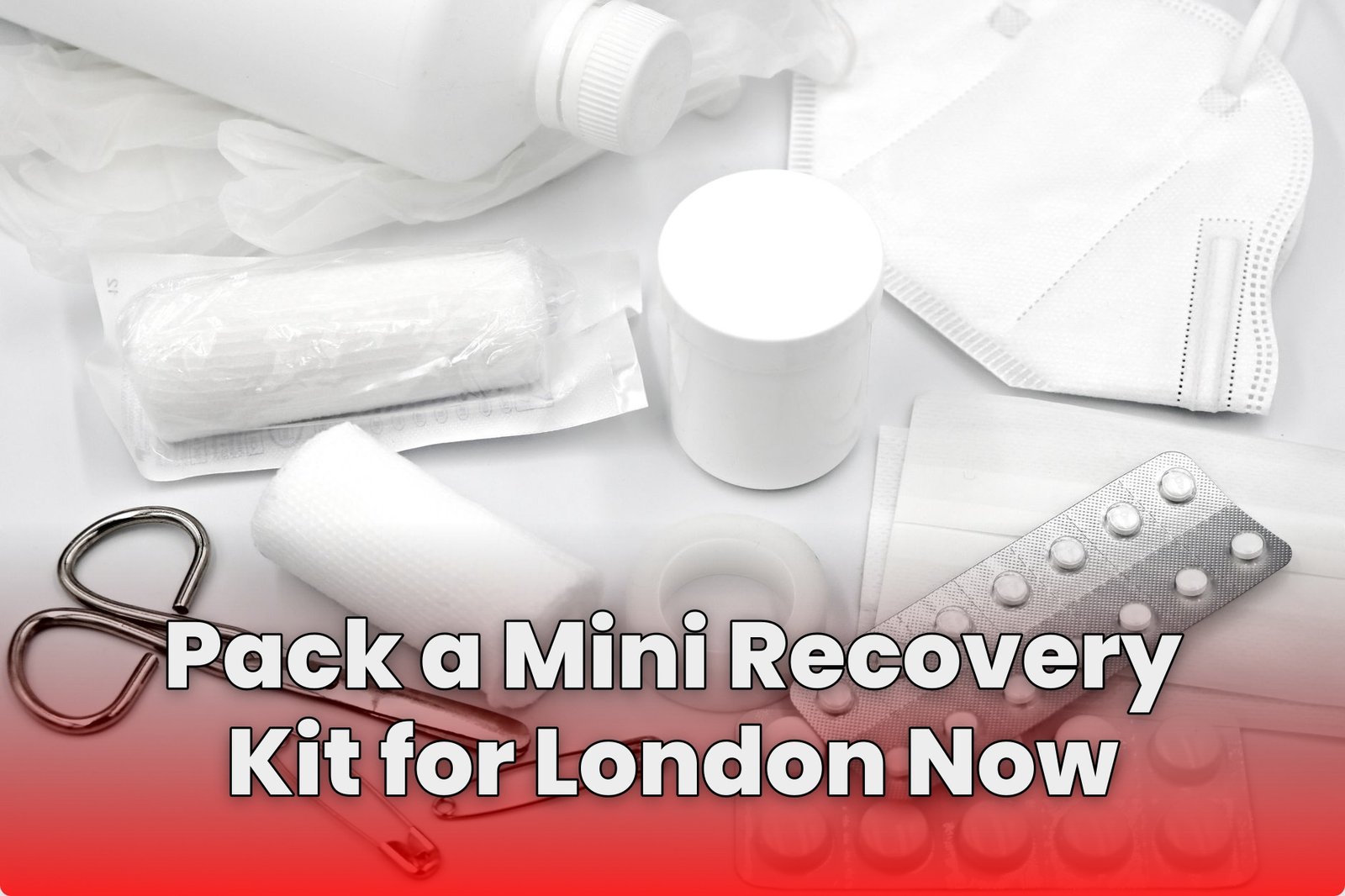
That is why a mini recovery kit should be prepared in advance and kept within immediate reach. The goal is simple and practical, you remove friction from recovery by handling the basics right at the finish, from anti-chafe and skin protection to lightweight recovery footwear and electrolyte support.
This article is opinionated about one thing, you should not treat recovery as an afterthought. You will learn how to pack a compact kit that lets you start feeling better within minutes, not hours, so your race weekend ends strong.
The Finish Line Is Not the End
A London race weekend punishes the idea that recovery starts only when you get back to your hotel. By the time you’re showered, changed, and settled, you have already lost valuable minutes when your body is most ready to refill fuel and calm down.
Remote work productivity has a lesson that applies outside an office: start the next step immediately, don’t wait for the perfect moment. In races, the perfect moment is usually the one right after you cross.
Your body starts recovery the second you stop working. The question is whether you help it.
So if you want better legs tomorrow and fewer “why do I feel wrecked?” moments on Monday, you pack to begin recovery before you leave the finish area.
Stop Trading Minutes for Motivation
Waiting feels disciplined. It isn’t. The delay between finishing and eating or hydrating turns into a compounding cost: increased soreness, slower rehydration, and more time spent feeling nauseous or lightheaded.
Ask yourself this: why should you rely on willpower after you’ve already spent willpower for hours? The entire point of a mini recovery kit is to replace “I’ll deal with it later” with “I can fix this now.”
When people skip the kit, they often tell themselves they can “just refuel when I get back.” But refueling later means you’re managing the aftermath, not supporting the recovery window.
Warm layers Win When London Turns
London weather is famously moody, and your body doesn’t care about your schedule. After a hard effort, you cool fast, damp clothing clings to skin, and chills become the enemy of comfort and movement.
Pack a change of clothes and warm, disposable-on/off layers designed for the finish area. Think easy to remove, quick to wear, and not fussy. If the day is cold or wet, your goal is simple: get dry, get warm, and reduce friction on skin.
If it’s hot, you still need a plan for finish-to-recovery comfort. Lightweight layers that wick and keep sun exposure controlled can prevent the “stingy forehead” problem while you refuel.
Skin Protection Is Recovery, Not Vanity
Chafing and blister risk spikes when you finish sweaty, spend time in queues, and transition through unpredictable weather. Waiting does not just delay comfort. It creates conditions for damaged skin that can derail the entire weekend.
Bring your non-negotiables to prevent skin problems. At minimum, include an anti-chafe balm like BodyGlide or a similar product. Apply it early, and keep enough for touch-ups so you can protect vulnerable spots while you’re already tired.
“I’ll handle it at the hotel” is a trap. By the time you check your legs in better lighting, the irritation has already grown.
Fuel and Hydration Must Arrive With You
Your recovery kit should hold what you need for right after the race: electrolytes plus an energy source. Electrolytes help you replace what you lost through sweat, and quick energy supports replenishment when your body is ready to use it.
Don’t make your refueling dependent on finding food, locating a vending machine, or asking someone else to help. Pack bars or snacks you can eat on arrival, plus a chilled recovery drink or the ingredients for a quick shake.
Timing matters. Eating and hydrating within the first stretch after you finish supports a smoother recovery arc, and it usually feels noticeably better within hours.
The Small Bag Rule You Can Actually Follow
Most people don’t fail at recovery because they lack knowledge. They fail because their kit is buried. Keep your recovery items in a small bag you can reach at the finish, or place it in your car if the course is close enough that you can swap fast.
If you want a sanity check, race recovery checklist can help you confirm you’re not missing basics that matter in real life.
Then pack with purpose using a simple target plan:
| Item | Timing Target | Benefit |
|---|---|---|
| Warm disposable layer | 0–5 min | Stops chilling fast |
| Electrolyte drink mix | 0–15 min | Supports rehydration |
| Energy bar or snack | 0–20 min | Kickstarts refueling |
| Anti-chafe balm | Before and after | Prevents skin breakdown |
| Light recovery footwear | Immediately | Reduces damp pressure |
This is not overthinking. It’s logistics that turns recovery into an action you can complete between crowding, crowds, and post-finish fatigue.
Recovery Footwear Ends the Damp-Shoe Cycle
When you finish, your shoes are often damp from sweat and stress. If you keep them on while you navigate the post-race chaos, you extend the conditions that inflame skin and irritate blisters.
Pack lightweight recovery footwear like sliders, flip-flops, or sandals. The goal is to take your feet off the damp setup quickly, then let your skin breathe as you change and refuel.
“I’ll just walk slowly in my race shoes” sounds reasonable until you realize how quickly friction and moisture add up for the same spots that already took a beating.
Hydration Timing Beats Guesswork
Hydration after the race is not just drinking water because it’s there. Your body needs fluids and electrolytes, and you need them before you feel “behind.”
Use your kit to take a deliberate first sip and then keep going. Electrolytes plus water reduces the chance you crash into a headache, nausea, or that drained feeling that makes dinner unappealing.
Also consider whether you usually tolerate your pre-race drinks well. Don’t suddenly add something that your stomach hates right when it’s most sensitive.
London Weather Demands a Backup Plan
A mini recovery kit should include contingencies for hot, cold, and rainy conditions. If it’s hot, add sunscreen for exposed skin and keep the approach normal rather than trying to “load the sweatline.” If it’s cold or rainy, include something warm and dry you can put on fast.
The point is to prevent the post-finish misery spiral. Wet kit, chilled skin, and prolonged standing can turn a manageable finish into a miserable recovery.
Plan practical access too. If you’re leaving items at a car or pickup point, treat that as part of your strategy, not an afterthought.
Don’t Get Stuck Essentials Save More Than Time
After you finish, your priorities shift from performance to problem-solving. That is why “don’t get stuck” essentials belong in your recovery kit, even if you think your race day will go smoothly.
Include a small sanitizer, blister or chafe aid such as plasters or blister pads if needed, and have cash or contactless in case systems fail or lines stall. Pack a power bank so you can still coordinate rides, access maps, or handle a contingency without panic.
You might never use these items. But if you do, the difference between 2 minutes and 30 minutes is the difference between recovery starting now or starting later.
Blister and Chafe Aid Prevents Weekend Collapse
Skin problems are easiest to fix early, and hardest to fix after the damage spreads. A recovery kit that includes blister and chafe aid means you can handle small issues before they become full-blown setbacks.
Bring plasters, blister pads, or a small amount of appropriate protective product. If you notice hot spots while changing, deal with them immediately. That tiny action can protect the rest of your post-race routine, including walking to dinner, getting to transit, and even sleeping comfortably.
Recovery isn’t only muscle. It’s also the skin barrier, nerves, and the ability to move without wincing.
Faster Than Waiting Means Smarter Recovery
Here is the editorial truth: the best recovery kit is the one that gets used immediately. “Waiting until you get back” is a habit dressed up as responsibility, but it costs comfort and delays refueling and rehydration.
Pack for speed. Bring warm disposable-on/off layers, clean clothes, anti-chafe protection, electrolytes and quick fuel, light recovery footwear, and the essentials that prevent getting stuck. Do it once, and you turn the finish area into the first step of recovery.
And the best part? When you repeat the process across race weekends, your body learns the pattern. You stop suffering longer than necessary, and you start every next day with better options.
How Do You Pack a Mini Recovery Kit for a London Race Weekend Without Waiting?
What Should You Include in a Mini Recovery Kit for a London Race Weekend?
Pack a small bag with a change of clothes, warm disposable-on/off race-day layers, lightweight recovery footwear (such as sliders or flip-flops), skin protection like anti-chafe balm, and immediate post-race fueling plus hydration (electrolytes/energy drink mix or tablets, and quick snacks or bars).
Which Warm Layers and Recovery Footwear Help You Start Recovery Faster After the Finish?
Bring one easy outfit swap and finish-to-after-race layers that are warm yet simple to pull on, plus lightweight footwear to get you out of damp shoes quickly, so you can dry off, cool down safely, and feel comfortable within minutes instead of waiting for your hotel.
How Do You Pack Fuel and Hydration for Immediate Post-Race Recovery?
Include electrolytes (a drink mix or tablets) and a fast energy option you can eat on arrival, such as bars or bite-sized snacks, and also add a chilled recovery drink or the ingredients for a quick shake so you can rehydrate and refuel as soon as you finish.
How Can You Prevent Chafing, Blisters, and Skin Problems With a Mini Kit?
Keep non-negotiables like anti-chafe balm and a simple blister/chafe backup such as plasters or blister pads, so you can treat hotspots right away and reduce the risk of worsening irritation over the rest of the race weekend.
What Should You Add to Your Mini Recovery Kit for Hot, Cold, or Rainy London Weather?
If it’s hot, pack sunscreen for normal application on exposed skin and consider electrolytes on top of what you already use; if it’s cold or rainy, add something warm and dry to help you exit the wet kit quickly and stay comfortable while you recover.
How Do You Keep Your Mini Recovery Kit Accessible at the Finish So You Don’t Get Stuck?
Put everything in a small bag that you can reach immediately at the finish (or leave in your nearby car if you have one), and include “don’t get stuck” essentials like sanitizer, cash/contactless for contingencies, and a power bank for your phone, so you can swap, dry off, and refuel without delays.
Pack It Now and Recover Faster Than Waiting
For a London race weekend, your edge is simple: pack a mini recovery kit so you can start how to pack a mini recovery kit for london race weekend: faster than waiting the moment you cross the line, with a change of clothes, warm disposable layers for the finish, lightweight recovery footwear, anti-chafe essentials, and immediate fueling plus electrolytes.

I am Ozan, a London-focused running writer and marathon enthusiast with a passion for helping people discover the city’s best races, running routes, walking trails, and fitness events. I research and write practical, up-to-date guides covering marathons, race preparation, training tips, running gear, and everything related to staying active in London.
My goal is to create reliable, easy-to-follow content that helps runners and walkers of all experience levels explore London with confidence, whether they’re preparing for their first 5K or their next marathon.