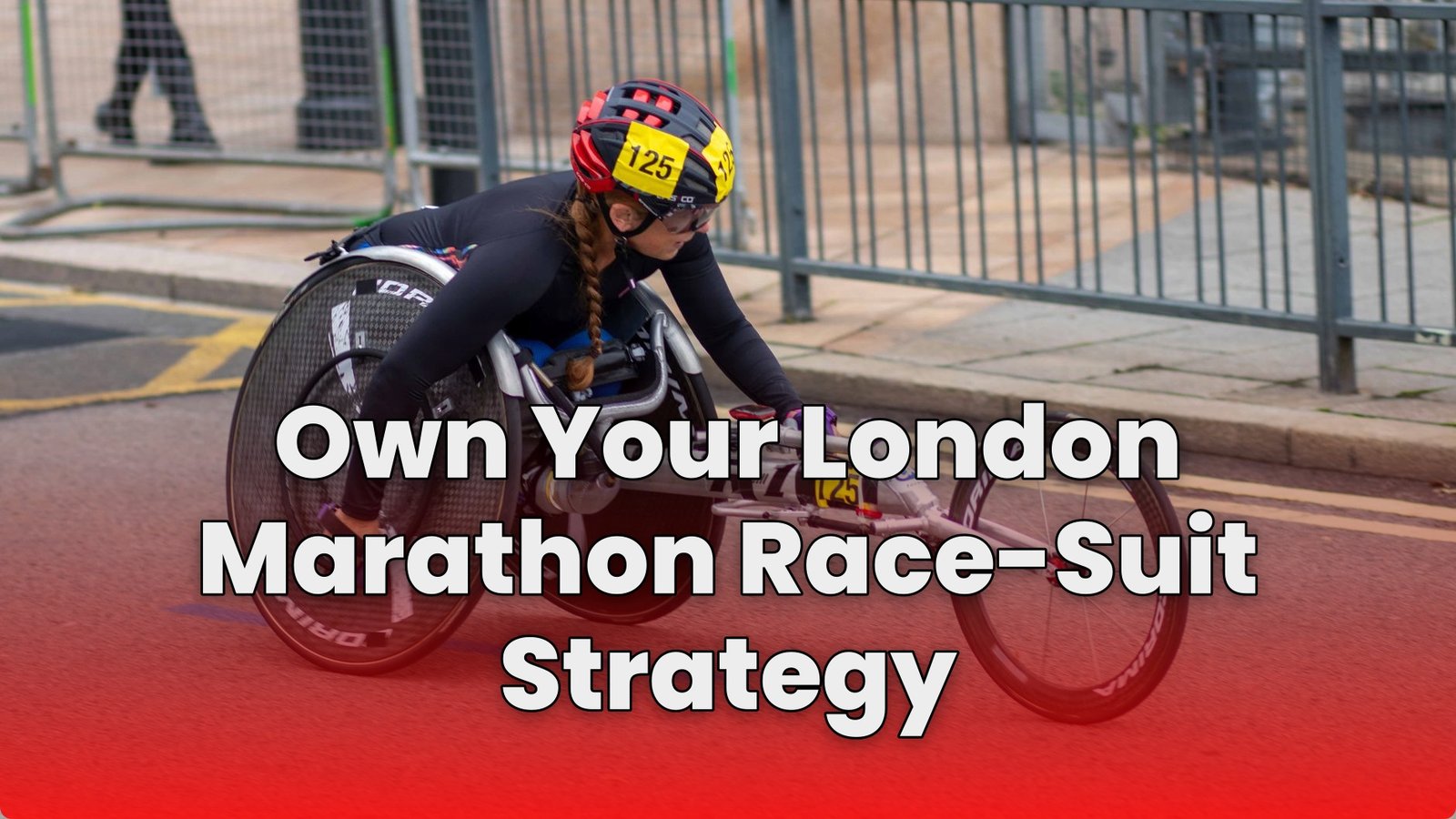
Your race outfit succeeds or fails based on strategy, not luck. In the London Marathon, conditions can swing fast, and the athletes who feel steady are the ones who plan what they wear down to the fit, the layers, and the feel in motion. I think too many runners treat clothing like an afterthought, but that is exactly how chafing, wet fabric, and temperature whiplash steal your focus.
The real power comes from fit and fabric choices that work together. Go for moisture-wicking, technical materials that move sweat away instead of holding onto it, because cotton is a comfort trap once you start building heat. Make sure everything is the right size for range of motion, then prioritize friction control with well-placed seams and garments designed for running, not lounging.
My view is simple: dress for how you will feel about 20 minutes in, not for what the start-line crowd makes you think. Layer intelligently so you can shed warm-up pieces, use wind protection when the air bites, and have a lightweight rain plan ready if London decides to be moody. If your kit has been tested on long runs, you will spend less energy managing your clothes and more energy chasing your goal.
Weather-First Dressing Beats Start-Line Guessing
If your London Marathon race-suit strategy starts with how you want to look at the start line, you have already lost. The course will change the temperature, wind, and moisture exposure long before you reach the halfway point. So why gamble on comfort when the weather is measurable and forecastable?
Base your kit on what you will feel about 20 minutes in, not what you feel while standing still. Waiting at the start can trick you into overdressing, then heat builds fast once you settle into rhythm. Make the forecast your anchor, then design your layers to match the conditions you will actually run in.
Fit Is Strategy Not Preference
Fit is not a cosmetic issue. For 26.2 miles, it is a performance variable. A suit that is slightly too tight in the hip will tighten under fatigue, and a piece that is slightly too loose will rub where your stride and sweat create friction.
Choose garments that move with you without trapping moisture. Look for running-specific construction, and treat “works in the gym” as irrelevant. The first time you feel a seam, a fold, or an edge digging in is not the time to learn you guessed wrong.
Moisture-Wicking Fabric Protects Your Pace
When you sweat, you are not just getting wet. You are negotiating between evaporation and chilling, between lubrication and friction. Technical, moisture-wicking fabric manages that balance by moving sweat away from skin and reducing the damp film that breeds hotspots.
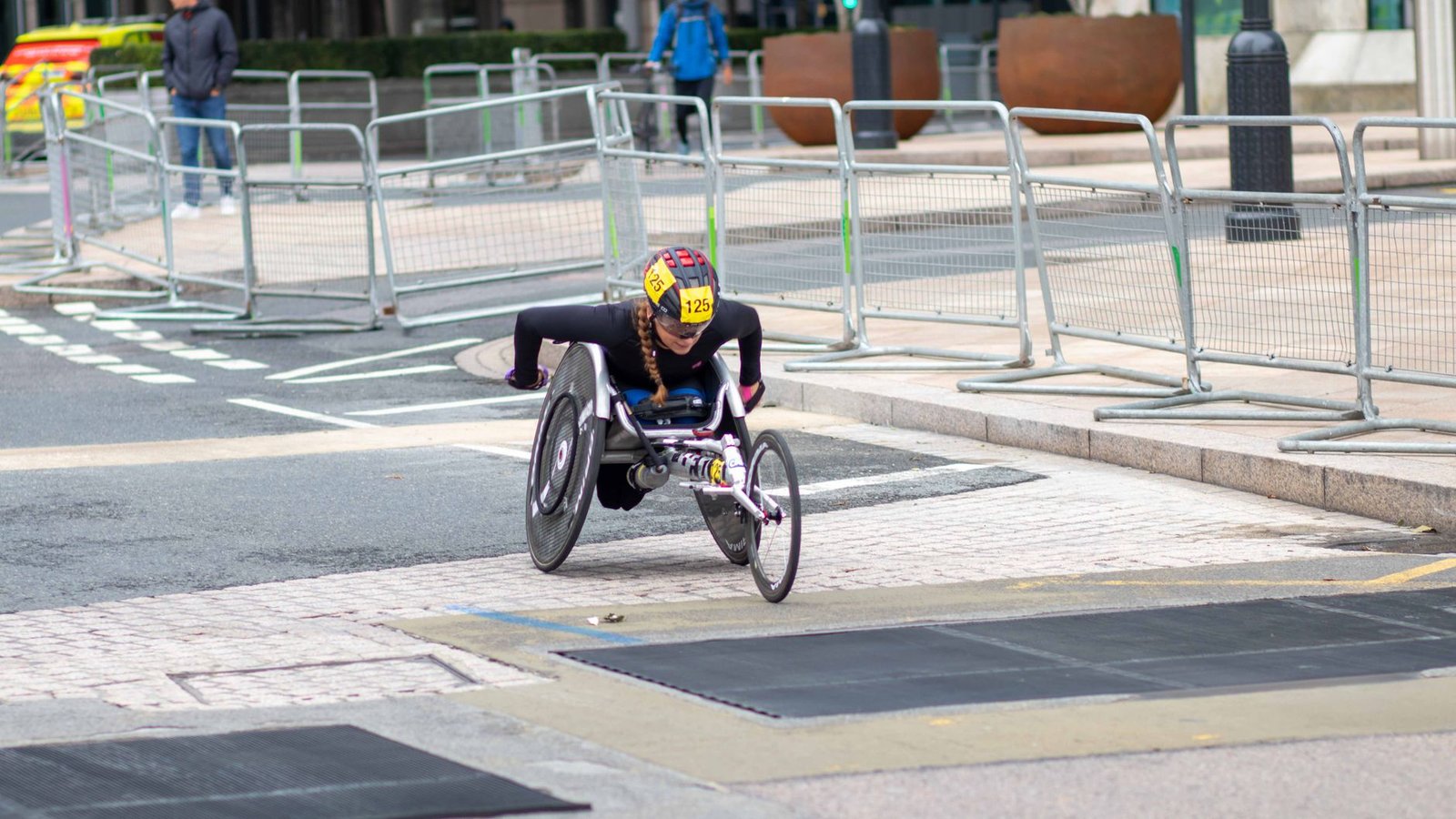
Avoid cotton for race-day layers. Cotton holds moisture, stays heavy, and dries unevenly, which is exactly how you turn harmless sweat into sticky resistance and delayed discomfort.
Heat Plans Require Breathability Over Style
In warmer conditions, the wrong fabric turns a steady effort into a cooling problem. Breathability matters because your body keeps pumping heat even when conditions feel “not that bad.” If the fabric cannot vent, sweat accumulates and the suit becomes a damp barrier.
Go lightweight and breathable for heat. Think technical layers that let airflow happen, and keep design choices simple. You should be able to focus on cadence, not on adjusting collars, wrestling with sleeves, or wiping sweat off your grip.
- Prioritize lightweight technical layers in warm weather
- Keep fabric dry fast to prevent skin irritation
Cold Starts Need Wind Blocking Without Bulk
Early starts in London can feel sharper than the forecast suggests once wind hits. Cold air also changes how your muscles behave, and stiff legs make you more likely to misstep or overstride, which then increases chafing risk.
Add wind protection with a long-sleeve top or mid-layer, but do not smother yourself with heavy insulation. Bulk restricts motion, creates extra seams, and adds places for friction to form as sweat begins. Your goal is warmth for the first segment, then freedom for the rest.
Rain Armor With Layered Sweat Management
Rain turns your race-suit strategy into a lubrication and drying problem. The suit has to handle wetness without becoming either slick enough to cause rubbing or soaked enough to stay cold. That is why your system needs a sweat-wicking base and a lightweight, water-resistant shell that blocks rain without sealing in moisture.
Use guidance like running clothes guidance when picking your technical layers, because the right materials change how you feel at mile 10 versus mile 22.
| Condition | What To Wear | Why It Matters |
|---|---|---|
| Light rain 12–16°C | Wicking base plus thin vest | Stays dry near skin |
| Steady drizzle 8–12°C | Wicking base plus packable shell | Blocks wet chill |
| Cold rain 4–8°C | Shell over wicking long sleeve | Protects temperature stability |
| Warm rain 16–20°C | Breathable base plus ventilated shell | Prevents overheating |
| Wind and wet 6–12°C | Wind-blocking long sleeve plus shell | Reduces wind cooling |
Then design for range of motion. Rain gear should not pull at the shoulders or bind at the waist when you extend your stride. Choose technical socks, shorts, or tights you have already worn in wet conditions, because unknown materials behave differently once they are soaked.
Test Everything Before Race Day
Race day is not where you trial new socks, a new top, or a new fit tweak. Your body remembers friction. If you discover a blister risk or a seam irritation on the day itself, you lose time to pain and you lose confidence at exactly the wrong moment.
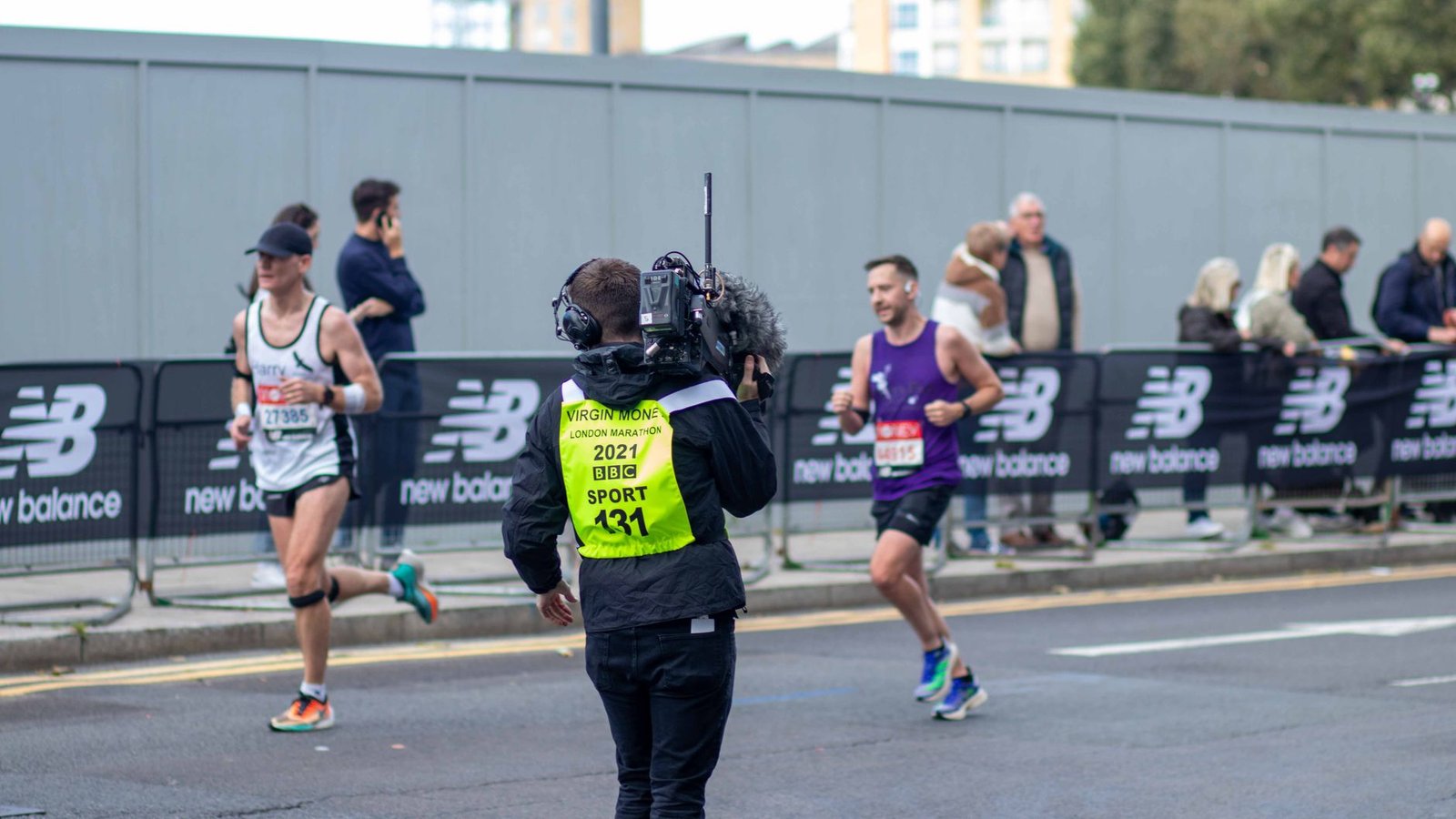
Test every top, bottom, and sock on long training runs so your outfit becomes “mentally logged.” You want comfort you can trust, not surprises you have to endure.
Chafing Control Through Seam Choices
Chafing is not random. It is predictable where fabric rubs against fabric or skin, where seams shift under load, and where dampness increases friction. If you want fewer problems, start by treating seam placement and construction as performance choices.
Look for seamless or flatlock designs and running-specific garments built to reduce hotspots. And do not ignore the hard-to-see zones like inner thighs, underarms, and sock-to-shoe transitions. Why wait until you feel burning to solve a problem you could have engineered out?
Your outfit should remove friction, not create it.
Bottoms And Socks Built For Wet Conditions
Bottoms need mobility and ventilation, but wet weather demands one more trait: consistency. Running shorts with moisture-wicking liners or tights can help manage that by staying structured while sweat moves through. The wrong fabric becomes heavy and drags, changing your stride and increasing abrasion.
Socks are equally decisive. Choose anatomically fitted, grip/cushioned, moisture-wicking running socks. Blisters thrive on shear and trapped moisture, so wet feet need a sock that controls both. If you have not tested the sock in rain, you are betting with skin.
Carry Gels And Hydration Without Drag
A race-suit strategy fails when your kit steals energy through movement, bouncing, or awkward access. Plan your essentials around movement-first design. Secure pockets and/or a hydration vest so gels are reachable without yanking, and so nothing shifts against your torso.
Distraction is a performance killer. If you constantly adjust a strap, fight a pocket flap, or fumble for a gel, you waste focus and rhythm. Choose gear that stays stable through fatigue and lets you eat on schedule.
Layering That You Can Discard On The Move
Smart layering is not just wearing the right pieces. It is having a way to remove them without disrupting your stride or creating new friction points. Packable options let you shed warmth once you are warmed up, which keeps sweat from turning into clammy weight.
Use removable pieces like a packable windbreaker over hoodies for the early miles, then discard once the body is working. Consider thin gloves for rough cold starts around 8–10°C, and use arm sleeves when it benefits your comfort without locking you into an uncomfortable system for the entire course.
Range Of Motion Comes Before Style
You cannot run well in clothing that prevents natural mechanics. Baggy fabric can catch on your stride, and tight fabric can restrict hip movement when muscles tense under fatigue. The “right” look means nothing if your legs and shoulders cannot move freely.
Choose bottoms that support your stride and tops that do not bunch at the waist. Your race suit should feel like a continuation of motion. When range of motion improves, effort feels cleaner, and the temptation to tighten form from discomfort disappears.
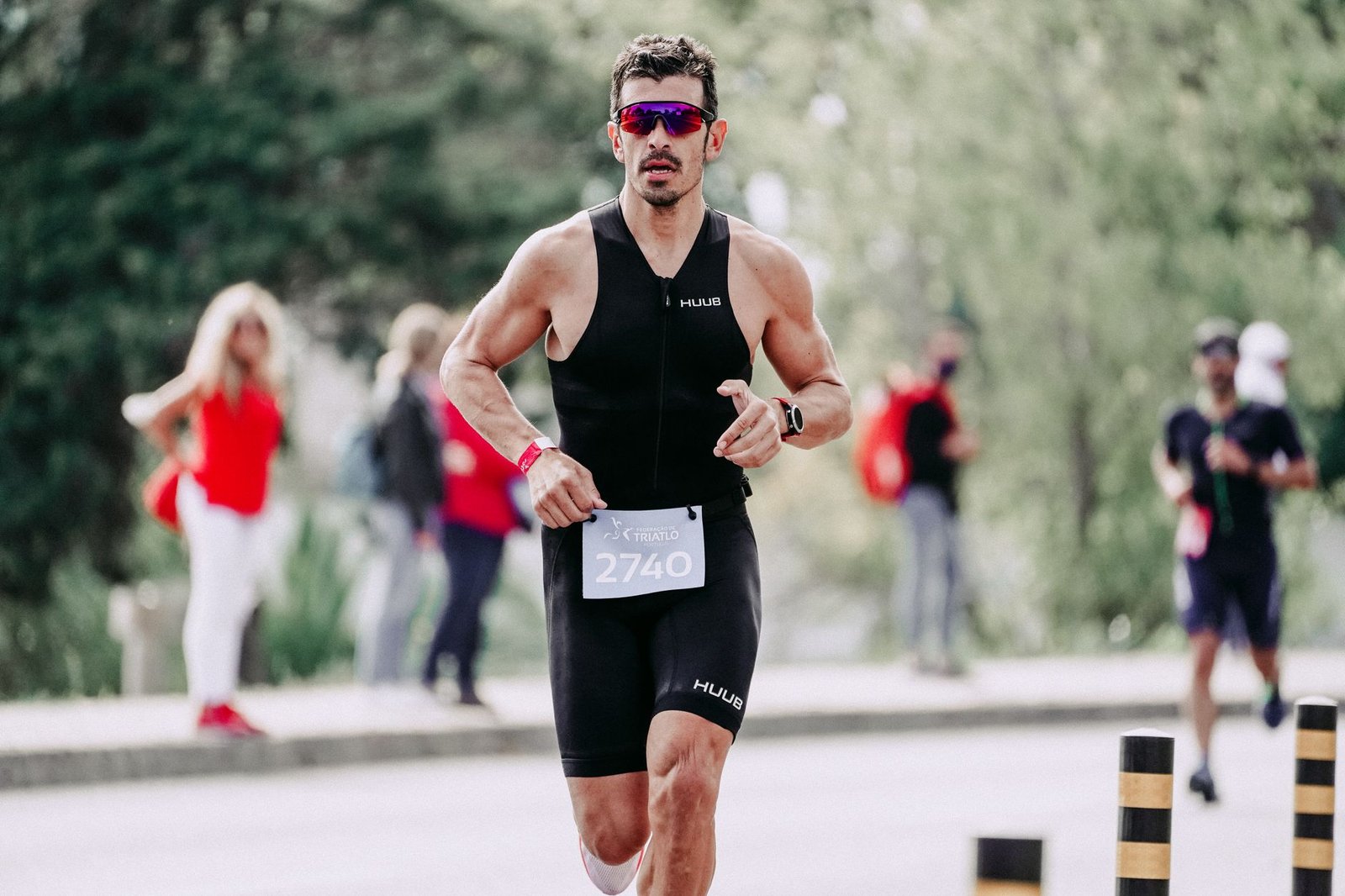
Your Best Race Suit Strategy Is Documented Comfort
After all the forecasts and fabric specs, the winning approach is simple: build a kit you can trust because you have proof. Document what worked in training, note what caused friction, and repeat the winner. Your future self will thank you on mile 20 when the course demands consistency.
Prioritize fit and fabric choices that work, then refine. If you treat your race-suit strategy as an experiment you control, not a gamble you hope, you show up calm, moving well, and ready to race rather than troubleshoot.
London Marathon Race Suit Strategy: Fit and Fabric Choices That Work
How do you plan a London Marathon race suit strategy based on weather?
Start with what conditions you’ll face during the run, then pick breathable technical layers for warmth, add wind-blocking options for cold or breezy sections, and use a lightweight water-resistant shell only if rain is likely.
Which fit matters most for marathon race suit comfort and reduced chafing?
Choose pieces that are neither baggy nor overly tight and that follow your movement, with seamless or flatlock construction to prevent rub points, then test every top, bottom, and sock on long runs before race day.
What fabric choices work best for moisture-wicking and sweat management?
Prioritize moisture-wicking, quick-drying technical fabrics over cotton so sweat moves away from skin, helps regulate temperature, and reduces the “wet weight” that can trigger friction and irritation.
How should you layer technical tops and mid-layers for changing temperatures?
Layer for how you’ll feel about 15–20 minutes in, using removable pieces like a packable windbreaker, and consider thin gloves or arm sleeves for early chill so you can shed warmth once you’re properly moving.
What rain-ready options support water-resistant comfort and wet-condition performance?
Bring a lightweight, water-resistant shell plan with a sweat-wicking base underneath, and wear technical socks and bottoms you’ve tested in wet conditions so you’re ready for damp surfaces and ongoing moisture.
How do you choose marathon socks, shorts, or tights to prevent blisters and wet feet?
Select anatomically fitted, grip-friendly moisture-wicking running socks with cushioning, and use shorts with wicking liners or tights for mobility and ventilation, ensuring the fit stays stable through your stride.
Get the London Marathon Race Suit Right With Smart Fit And Fabric Choices
London marathon race suit strategy, fit and fabric choices that work start with dressing for what you will feel after you begin moving, not for what you see while waiting to start. Commit to a non-negotiable fit, choose moisture-wicking technical fabrics instead of cotton, add wind-blocking layers when conditions demand it, and use a lightweight water-resistant shell only when rain is likely. The best race day outfit is the one that stays comfortable mile after mile, so test your exact kit in long runs and then trust that smart layering will keep your focus on finishing strong.

I am Ozan, a London-focused running writer and marathon enthusiast with a passion for helping people discover the city’s best races, running routes, walking trails, and fitness events. I research and write practical, up-to-date guides covering marathons, race preparation, training tips, running gear, and everything related to staying active in London.
My goal is to create reliable, easy-to-follow content that helps runners and walkers of all experience levels explore London with confidence, whether they’re preparing for their first 5K or their next marathon.