Race-day pacing fails when effort is guessed, not practiced. Most runners don’t need a better watch, they need a better feedback loop. The goal is simple: learn what “realistic effort” feels like before race day, then convert that sensation into a sustainable pace you can repeat under pressure.
To practice race-day pacing with realistic effort cues, start by choosing a reference from training that you can sustain without fading. Use a “just-below-threshold” effort as your baseline, then translate it into race-specific talk-test expectations: for marathon effort you should manage short sentences with brief breaks, for half-marathon short sentences with longer breaks, for 10K mostly single-word bursts, and for 5K essentially no real talking.
Once you have the feel, verify and refine it with objective signals. A heart-rate monitor can help you stay even through hills by slowing where you must and raising effort slightly on flats, while also serving as an early warning if your heart rate spikes when you feel off. Pair that with rate of perceived exertion as a secondary check, practice race-pace segments in workouts so your body “recognizes” the effort, and race with execution cues like going out controlled, avoiding surges from crowds, and aiming for a negative split you can adjust on when reality hits.
Stop Guessing Your Race Effort
Race-day pacing fails most athletes for one blunt reason. They guess. They pick a time goal, then “feel it out” when the crowd, adrenaline, and hills rewrite their plan. Guessing turns a disciplined effort into a roulette wheel.
If you want how to practice race-day pacing with realistic effort cues to work, you have to anchor your effort to something trainable. Not motivation. Not vibes. Something you can reproduce on tired legs.
Your pacing plan should survive distraction, weather, and temptation. If it cannot, it was never a plan.
Pick a Just-Below-Threshold Reference From Past Races
You need a reference effort that you can sustain through training. The useful target is “just-below-threshold,” where you can only gasp out about 3 to 4 words at a time. In heart-rate terms, that often lands around 80–85% of max heart rate, roughly aligned with lactate-threshold work.
Where do you find it? Use a prior 10-mile or half-marathon effort you trust. Don’t invent a number on race morning. Map your past performance to an effort cue, then carry it forward.
Sure, people will argue that every course is different. That is exactly why you define the reference from your own repeatable effort, then confirm with day-of checks like heart rate and RPE.
Turn Threshold Into Talk-Test Windows for Each Distance
Once you have the reference effort, translate it into race-specific talk-test expectations. This is not trivia. It is a practical way to control pace without staring at a watch every minute.
- Marathon pacing calls for short sentences with brief breaks.
- Half-Marathon pacing calls for short sentences with longer breaks.
- 10K pacing shifts to intermittent single words.
- 5K pacing often allows basically no talking.
Ask yourself a hard question. If you can’t describe your talk capacity at race pace during training, how will you do it under stress?
Use Heart Rate to Keep Effort Even When the Course Lies
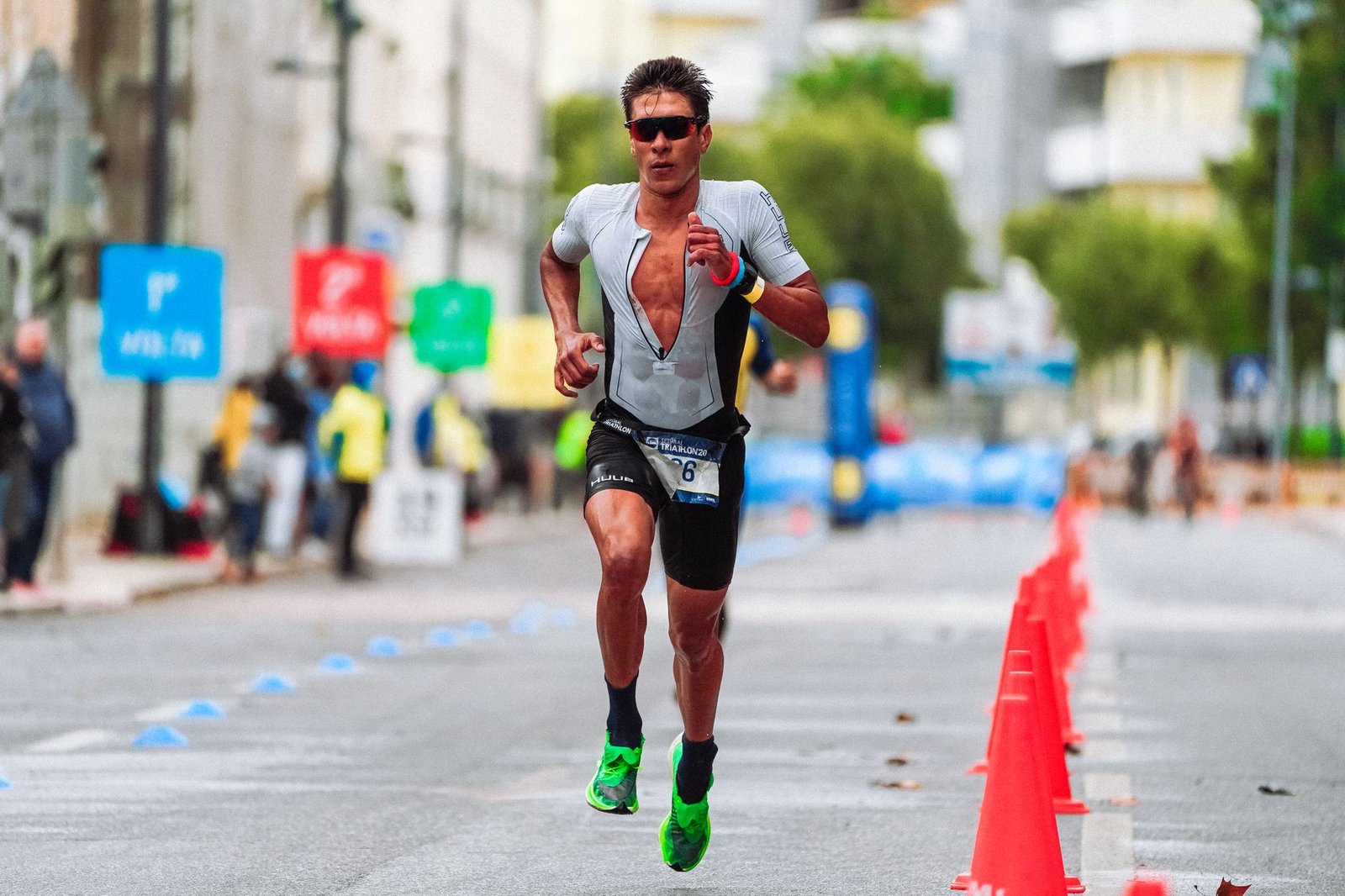
Splits can trick you. Hills and wind can make your pace swing while your real effort climbs or falls. Heart rate helps you keep the right workload even when the road tries to sabotage your plan.
Here is the key: adjust pace to hold effort steady. Slow down on climbs, then raise effort on flats to keep heart rate tracking the target range. And when your heart rate jumps unexpectedly high, treat it as a warning sign that you may be starting too fast or you might be coming down with something.
Don’t outsource your judgment to a gadget. But if you want pacing guidance that emphasizes controlled starts and even effort, check pacing strategies that echo this logic.
RPE Tells You What the Numbers Miss
Heart rate is powerful, but it is not omniscient. RPE, or rate of perceived exertion, catches what sensors can miss: sleep debt, heat, dehydration, and early fatigue that hasn’t yet altered your physiology.
Use RPE as a secondary check. At target effort you should feel like you are working hard but not exploding. If it “feels wrong,” your plan should respond, not your ego. Why cling to a pace that your body is rejecting?
But what if you’re confident in fitness? Confidence is not a pacing instrument. When instinct is involved, be conservative. The best race-day pacing is built by training-defined cues, not by pretending your first mile always teaches you everything.
Race-Cue Mapping Makes the Plan Practicable
You do not need a complicated spreadsheet. You need a small set of effort cues that you can execute when the race environment changes. That is what turns “target pace” into target effort.
Use this kind of map during training and warmups so race-day translation is automatic.
| Event | Target Effort Cue | Expected Talk Pattern |
|---|---|---|
| Marathon | ≈80–85% HRmax | Short sentences |
| Half Marathon | Just-below-threshold | Short sentences, longer breaks |
| 10 Mile | Threshold-adjacent | 3 to 4 words at a time |
| 10K | Over-threshold effort | Intermittent single words |
| 5K | High intensity effort | Basically no talking |
Notice what this does. It forces you to practice the real control variable, the one your body experiences. Pace becomes an output of controlled effort, not the other way around.
Blinded Sensations Forge Better Pacing Under Pressure
Want realistic effort cues that hold up at mile 18? Then build sensitivity. Link internal sensations to actual paces in workouts where your brain cannot lean on the watch.
Do this through sessions like blinded surges or fartlek: aim to hit about one-minute segments by feel while you keep the overall effort consistent. Or run precision reps where timing accuracy matters, like 8×400m done in the same time down to the tenths.
Some athletes hate this because it feels messy. That is the point. Race day is messy too. You are practicing the skill of staying in the effort lane, not chasing perfect math in a calm lab.

Race Pace Must Be Trained, Not Just Imagined
Easy running plus occasional intervals is not enough if you want stable pacing. Your long run needs to include race-pace segments so the effort becomes familiar when fatigue arrives.
A known approach is long runs that include marathon race pace work, associated with runners like Khalid Khannouchi. The principle is simple: if race effort has never happened while you are tired, it will feel novel on race day and you will overreact.
So schedule it. Spend real training time at goal effort. Then your cues stop being theories and become memories you can execute.
Turn Execution Into a Script for the First Miles
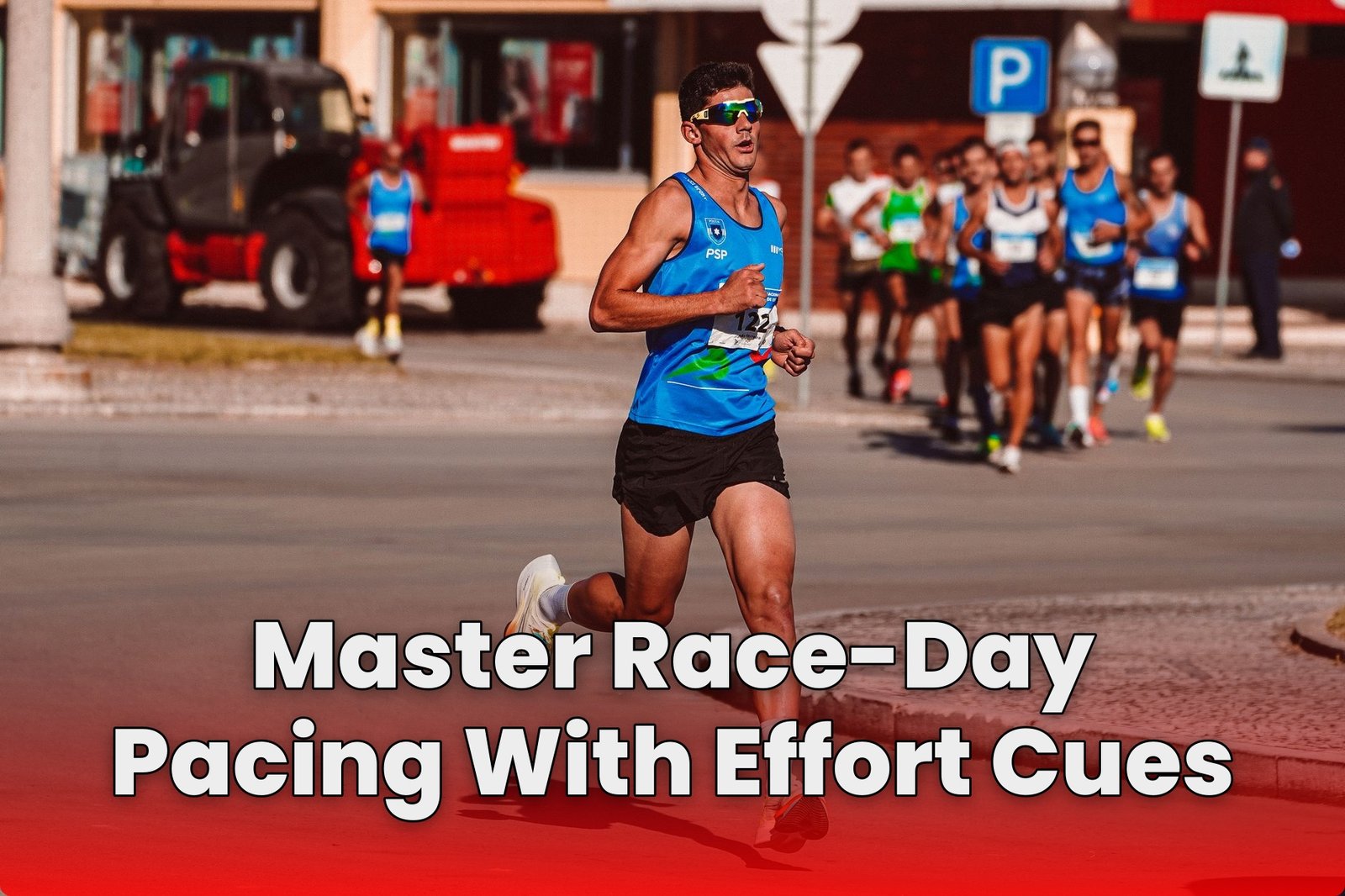
The start is where pacing plans die. Crowds, spectators, and the temptation to “feel good” tempt you into surges. And surges early create a debt you pay later with interest.
Use execution cues like a script. Go out easy. Avoid surges, especially when adrenaline spikes. Stay mentally focused on the talk-test window and the heart-rate reality check, not on who is running beside you.
Ask yourself: if you cannot resist the first-mile temptation, what makes you think you will resist mile eight?
Negative Splits Happen When You Control Halfway
A negative split is not magic. It is the result of reaching halfway feeling controlled and ready to adjust. If you blow up before halfway, your “adjustment” is just recovery in disguise.
Race pacing based on realistic effort cues creates a pathway to negative splits because you start in the correct workload zone. Then you can respond to what the day gives you. Flat and calm? You may earn a slight increase. Windy or hilly? You hold effort steady and let pace do what it must.
Consistency at the front half turns courage into a math problem you can solve.
Have a Plan B and a Worst-Case That Still Works
Every good pacing plan needs backups. Not because you are pessimistic, but because conditions change. If your heart rate climbs early, if your legs feel off, or if you simply misjudge your first cue, you must already know what you will do.
Build concrete fallback goals. Consider a plan B that reduces target effort slightly while still aiming for strong performance, and a worst-case approach that protects you from a catastrophic collapse. Tie each option to the same cues, so you are not improvising under stress.
Why would you trust a race plan that can only succeed in one perfect scenario?
Hydration and Environment Protect the Effort Cue
Realistic effort cues are not only about lungs and heart rate. Hydration, heat, and fueling determine whether your body can sustain the target workload. If you ignore this, your cues will drift and you will misread the situation.
Plan your hydration strategy for longer events and practice it in training. Then, on race day, keep effort aligned with the cues you defined. If conditions worsen, adjust pace while preserving effort, and do not let missed fueling turn “slight discomfort” into “full stop.”
Some athletes say they will “feel it out” on the course. That mindset is how pacing plans get demolished by thirst and temperature.
Train Consistency to Make Race Day Flexible
The best athletes do not rely on inspiration. They rely on training-defined effort cues that translate across conditions. When your pacing skills are built from repeatable reference points, you can adapt without breaking your effort.
So keep doing the work that creates sensitivity: threshold reference runs, talk-test practice at race pace, heart-rate confirmation, RPE checks, precision reps, and long runs that include goal-effort segments. Then race day becomes execution, not negotiation.
That is the real promise of realistic effort cues. They do not just help you go faster. They help you go smart, even when the race tries to push you off the plan.
How Can You Practice Race-Day Pacing with Realistic Effort Cues?
How do you pick realistic effort cues for race-day pacing?
Use training data instead of guesswork: find a “just-below-threshold” reference from a prior race or test (often near lactate threshold), then set your target effort to what you can sustain evenly for the expected race duration.
How can you translate effort cues into talk-test expectations for each race distance?
Match your effort to what you can say consistently: marathon effort should allow short sentences with brief resets, half-marathon should feel like short phrases with longer breaks, and 10K/5K efforts should reduce talking to single words or near-silence.
Should you use heart rate to keep race-day pacing even on hills and weather?
Yes—optionally confirm with a heart-rate monitor and aim for steadier effort: run a little slower on climbs and slightly faster on flats to keep heart rate trending toward your target, and back off if heart rate jumps unexpectedly and you feel unwell.
How do you use rate of perceived exertion (RPE) to fine-tune pacing during training?
Use RPE as a secondary check for “how it feels” at pace: your target effort should feel consistent across repeats and time segments, and if instinct pushes you faster than the planned cue, slow down so your effort matches what the training pace should feel like.
What workouts build sensitivity to realistic effort cues for race-day pacing?
Practice linking internal sensations to real paces repeatedly: use controlled time-based segments, precision repeats (like consistent 400m splits), fartlek/tempo-style sets where you hit efforts by feel, and include race-pace work inside longer runs so the effort feels familiar.
What execution cues help you hold race-day pacing and avoid starting too fast?
Start controlled, avoid early surges (crowds can tempt you), and aim for a negative split by reaching halfway feeling steady and ready to adjust; also set concrete backup targets (“plan B” and worst-case) and match hydration to the event so your effort cues stay aligned through the final miles.
Use Realistic Effort Cues, Not Hope
To master how to practice race-day pacing with realistic effort cues, you have to set targets based on what you can actually sustain in training, then translate that into clear talk-test expectations and verify with simple feedback like heart rate and RPE so your effort stays even when the course gets tricky. Race-day success comes from repeated, pace-specific practice and disciplined execution, not from starting fast and “feeling it out” on the day, so lock in your cues early and trust the process.

I am Ozan, a London-focused running writer and marathon enthusiast with a passion for helping people discover the city’s best races, running routes, walking trails, and fitness events. I research and write practical, up-to-date guides covering marathons, race preparation, training tips, running gear, and everything related to staying active in London.
My goal is to create reliable, easy-to-follow content that helps runners and walkers of all experience levels explore London with confidence, whether they’re preparing for their first 5K or their next marathon.