Foam rolling only “works” when you place it on the right tissue and know when to stop. Too many runners chase comfort and end up rolling joints, bones, or the wrong angle of muscle, then wonder why their legs still feel heavy on race week. The truth is simple: foam rolling is a tool, not a punishment, and it should be targeted and time-boxed.
For London Marathon training, roll directly under the muscle you are trying to change, not on bony areas or joints. If you are short on time, prioritize the big runner muscles: quadriceps, hamstrings, glutes, and calves, and keep your posture neutral, especially around the lower back. For how long, aim for about 10 to 20 seconds per area before you run, then about 1 minute per muscle area after you finish, using a practical ceiling of roughly 1 to 2 minutes per muscle group.
For when to stop, treat pain as a stop sign, not a badge of effort. Stop immediately if you feel new or worsening pain, then adjust by shifting slightly off the tender point and reducing pressure until it is uncomfortable but not sharp. Be extra cautious with the IT band and avoid rolling directly on the most sensitive lateral bony region, working around it instead and progressing gently, because “more” is not automatically “better.”
London Marathon Foam Rolling That Works Starts With the Right Tissue
If you want remote work productivity-level results from foam rolling, you need the same thing you need in training: direct contact with the correct target. For marathon runners, the target is soft tissue over muscle, not the spot that hurts the most and not the place where you feel a sharp throb.
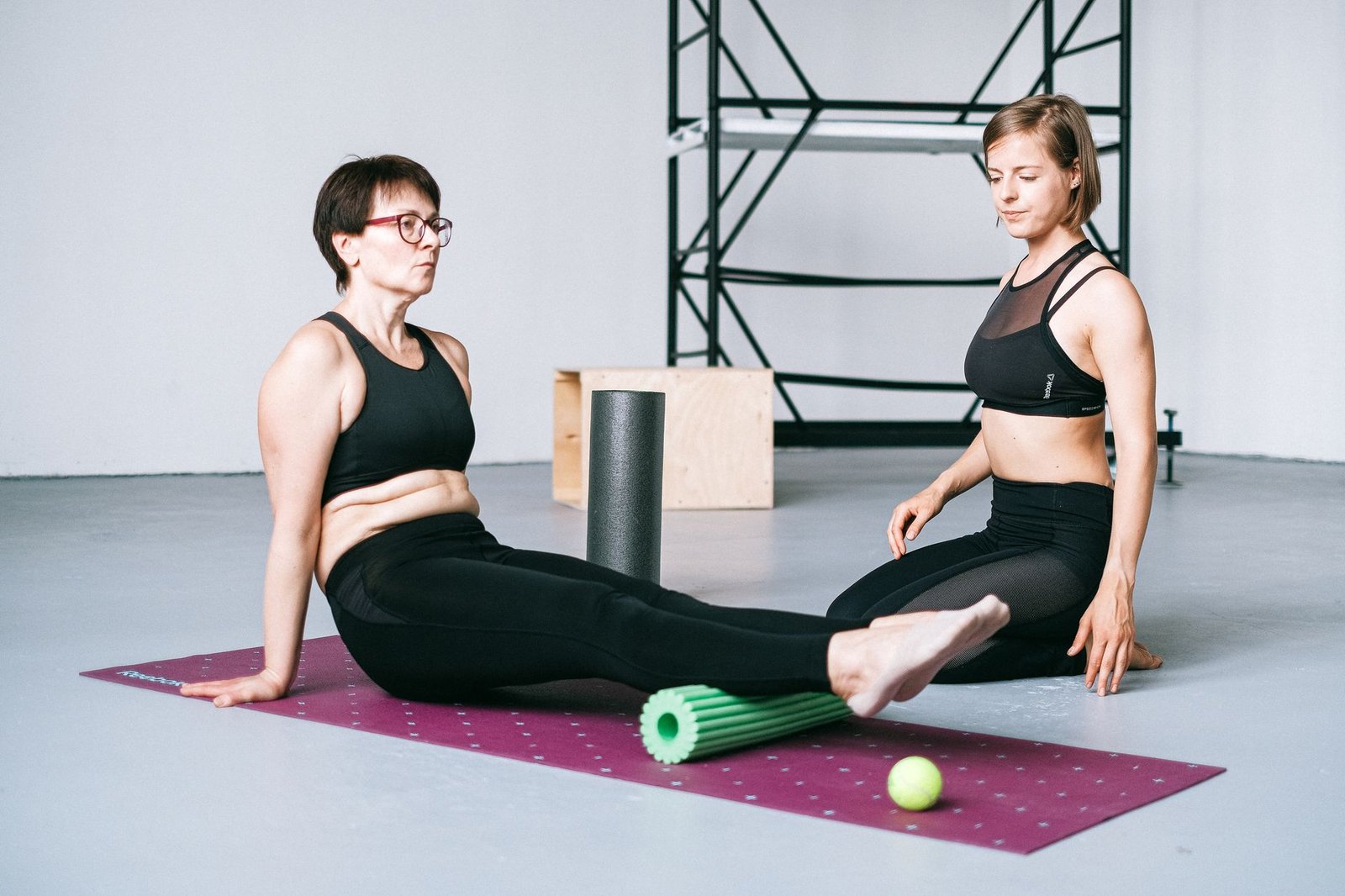
Place the roller directly under the muscle you are targeting. Lean your body weight into it and move slowly so you feel pressure in the muscle belly, not impact on joints or bony landmarks. Why guess when your anatomy already tells you where the runner’s workload lives?
Skip Joints and Bones Every Time
Foam rolling should feel like massaging soft tissue, not testing how much impact a kneecap can take. Joints, tendons that sit right on bone, and bony prominences are off limits because they create pinching sensations and can provoke more irritation than relief.
Instead, shift a few centimeters until the roller contacts the muscle layer above the joint line. If your sensation is dull, deep pressure, you are probably on the right tissue. If it is pinchy or sharp, you are not.
Map your Runner Muscles Not Your Pain Map
London Marathon training loads the same big systems over and over. For most runners, your highest ROI foam rolling goes to the quadriceps, hamstrings, glutes, and calves. Those areas drive stride mechanics, shock absorption, and late-race performance.
Don’t roll randomly across your whole leg because you feel “tight.” Choose a muscle group, find the tender area within that muscle, and work it with slow rocking or rolling. The goal is to improve range of motion and tolerance for the next run, not to punish yourself into compliance.
IT Band Caution Rolling Off the Tender Lateral Spot
The IT band is the one area where runners often do the most damage by doing the most direct rolling. Do not roll directly on the tender lateral band, especially on the bony, sensitive edge where it can irritate quickly.
Use a gentler approach: work around it into nearby quads, hamstrings, and glutes. If you must target that region, slide to and from the knee and/or aim toward muscle-tendon attachments rather than the bone-adjacent band. Is your goal comfort that supports training, or pain that interrupts it?
Pre-Run Timing Use Short Sets Before You Line Up
Before you run, keep foam rolling brief and purposeful. A practical target is about 10–20 seconds per area, using slow rocking while you maintain a deep but manageable pressure. Think “wake up the tissue,” not “reset the body for an hour.”
For common pre-run techniques and pacing, follow practical foam rolling tips and then adjust based on how your legs respond over the next few minutes.
Post-Run Timing Give Soft Tissue a Full Minute
After your run, you can go longer because your tissues are warm and receptive. A solid starting point is roughly 1 minute per muscle area, using controlled rocking or rolling and stopping if the sensation turns sharp or worsening.
Use this as a clear menu for London Marathon foam rolling that works when you want both recovery and readiness:
| Target Muscle Group | Pre-Run Timing | Post-Run Timing |
|---|---|---|
| Quadriceps | 10–20 s per area | ~1 min per area |
| Hamstrings | 10–20 s per area | ~1 min per area |
| Glutes | 10–20 s per area | ~1 min per area |
| Calves | 10–20 s per area | ~1 min per area |
| IT Band Nearby Work | Gentle, off-band | ~1 min nearby muscle |
Post-run rolling works best when you keep it repeatable. If you are tempted to chase every sore point, don’t. Pick the major muscle groups, stay in the muscle belly, and let the session support tomorrow’s training instead of stealing it.
Pressure Rules Comfortable-Uncomfortable Not Sharp Pain
Effective rolling has a feel. It should be uncomfortable but not sharp. If it hurts like a sudden injury, you are likely loading a structure that does not tolerate direct pressure.
Rock slowly, keep your breathing steady, and use bodyweight like a dial. Reduce load by shifting your legs or hands slightly off the target if the sensation spikes. The roller is a tool for mobility, not a pass to injure yourself early.
How Long Per Area Caps What You Should Stop At
Duration matters, but so does a ceiling. A practical guideline is 1–2 minutes per muscle group to avoid overdoing it, especially when you are stacking rolling with long runs, strength work, and speed sessions.
You can still improve motion with smaller totals. Many runners do well when they accumulate around 2 minutes per muscle across a session, such as two 1-minute bouts, rather than one marathon-length squeeze. Would you rather do a controlled dose consistently, or a risky dose that makes you pay for it tomorrow?
Stop Signals New or Worsening Pain Immediately
When to stop is not a debate. Stop immediately if rolling causes new pain or pain that is clearly worse after the session. This is especially important during marathon blocks, when small irritations can snowball during volume peaks.
Adjust first if the sensation is too intense: shift slightly off the spot and reduce pressure. If the pain pattern keeps escalating, treat it as a training signal. Your job is to stay healthy enough to run, not to prove toughness on a foam roller.
Frequency That Builds Adaptation Two to Three Sessions Per Week
Foam rolling is not a daily miracle. A common starting frequency is about 2–3 sessions per week, or every other day for short-term tightness or rehab-style phases, as long as it does not increase pain.
Increase only if you see a payoff: better range of motion, smoother strides, and no rise in soreness that lingers into quality days. Consistency beats intensity because your training plan already has enough variables.
Timing Inside London Marathon Training Week Before or After Runs
Use timing to match the intent. Pre-run rolling is for a brief mobility warm-up, usually 10–20 seconds per area. Post-run rolling supports recovery, typically about 1 minute per muscle area. Doing both does not mean doing more minutes. It means applying the right dose at the right moment.
If your legs feel fine, you don’t need a long session. If you just finished a long run or hard workout, prioritize the big movers and keep the work controlled. Your marathon schedule already decides what matters most; rolling should fit into that logic.
Rolling Technique Slow Rocking Beats Fast Scrubbing
Technique is where results live. Slow rocking and rolling lets pressure settle into the soft tissue. Fast passes turn the session into friction and can irritate sensitive areas without providing meaningful changes in mobility.
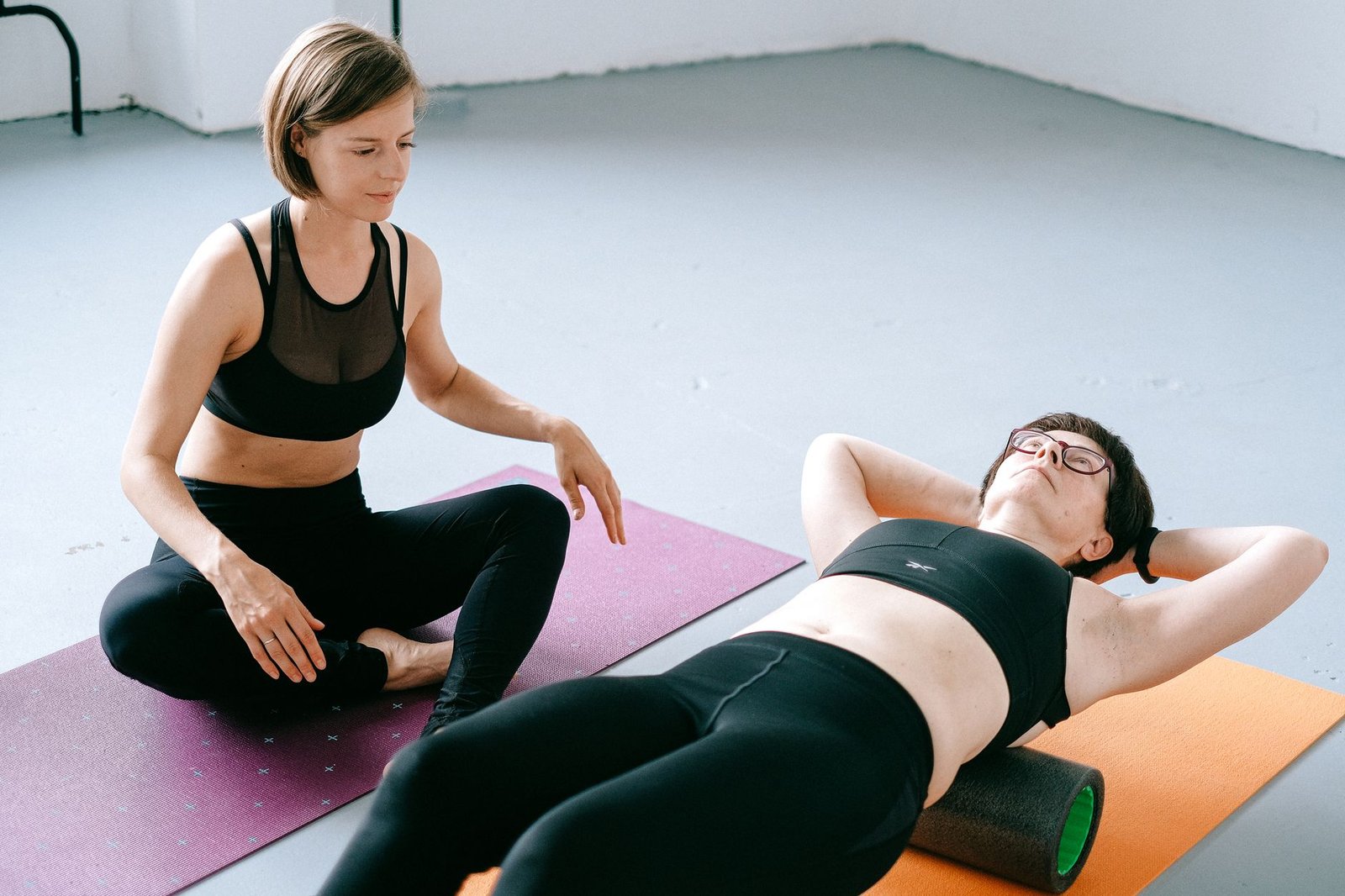
Move until you feel the target muscle respond, then rock or roll within that window. Keep your spine neutral, avoid lower-back arching, and make the roller do its job on the muscles you are actually trying to influence. When your technique is consistent, your outcomes become measurable.
London Marathon Foam Rolling That Works: Where to Roll, How Long, and When to Stop
Where Should You Foam Roll for London Marathon Training, and Which Muscles Matter Most?
Place the foam roller directly under the muscle you’re targeting (not on joints or bony areas) and focus on the biggest runner muscles: quadriceps, hamstrings, glutes, and calves, while keeping your spine neutral and working around sensitive areas like the IT band by aiming slightly to the medial or surrounding muscle rather than pressing on the tender lateral ridge.
How Long Should You Foam Roll for London Marathon, Pre-Run Versus Post-Run?
For pre-run use, start with about 10–20 seconds per muscle area using slow rolling or rocking, and for post-run recovery aim for roughly 1 minute per muscle area, with a practical ceiling of about 1–2 minutes per muscle group depending on tolerance and goals.
When Should You Stop Foam Rolling If Something Feels Wrong for London Marathon?
Stop immediately if the rolling causes new or worsening pain, and reduce pressure by shifting slightly off the most tender spot or taking more weight off the roller; foam rolling should feel uncomfortable-but-not-sharp, and if symptoms increase, scale back or discontinue.
What Foam Rolling Technique Works Best for London Marathon Benefits?
Use bodyweight to apply steady pressure, keep your movement slow (rocking/rolling rather than rushing), and target soft tissue with gentle control; the goal is tolerable massage of the muscle rather than direct impact on bony areas.
How Often Should You Foam Roll for London Marathon Training and Recovery?
A common starting point is 2–3 sessions per week (or every other day for short-term tightness or rehab), increasing only if it doesn’t increase pain; many runners benefit from small total work such as around 2 minutes per muscle (for example, two 1-minute bouts).
What Safety Cautions Should You Follow for Foam Rolling, Including IT Band and Lower Back for London Marathon?
Avoid or limit direct lower-back rolling by keeping a neutral spine, and be especially cautious with the IT band: don’t roll straight on the tender bony/lateral area—use a gentler approach like sliding to/from the knee or working nearby quadriceps, hamstrings, and glutes first, and consider medical or physiotherapy advice if pain persists.
Foam Rolling That Works Starts With Smart Placement and Clear Limits
For London Marathon foam rolling that works: where to roll, how long, and when to stop, the key is simple: target the muscle, not the joint or bone, use slow pressure that feels uncomfortable but not sharp, and cap your time so you treat soft tissue rather than irritate it. Roll around sensitive areas like the IT band and keep the lower back neutral, then stop immediately if pain worsens. If you follow those rules consistently, you will get real training value.

I am Ozan, a London-focused running writer and marathon enthusiast with a passion for helping people discover the city’s best races, running routes, walking trails, and fitness events. I research and write practical, up-to-date guides covering marathons, race preparation, training tips, running gear, and everything related to staying active in London.
My goal is to create reliable, easy-to-follow content that helps runners and walkers of all experience levels explore London with confidence, whether they’re preparing for their first 5K or their next marathon.