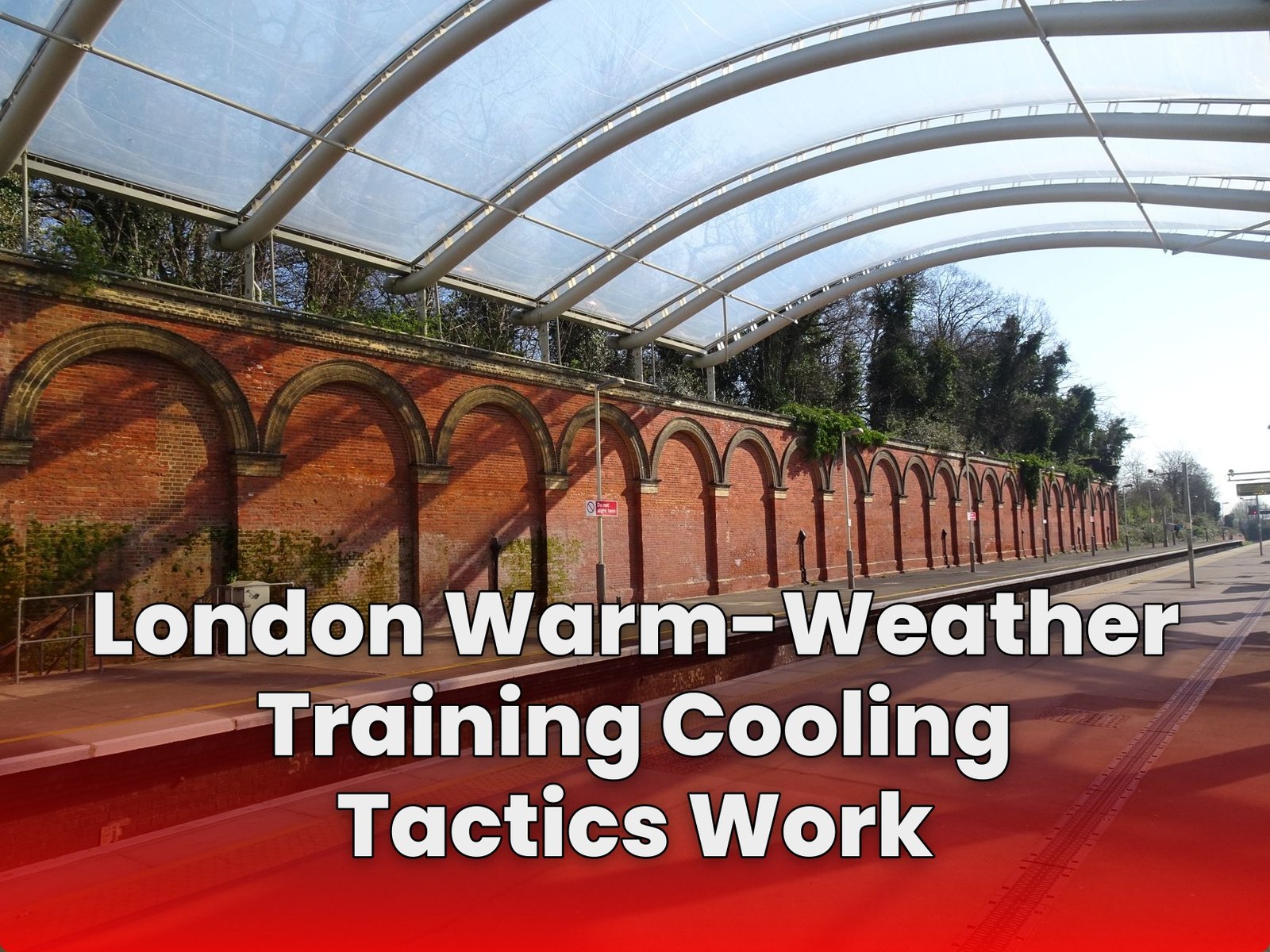
London heat is predictable, so stop improvising your training. When temperatures climb, most people react late and pay for it with low energy, overheating, and unnecessary discomfort. The truth is that a warm-weather cooling setup is not optional, especially for outdoor training plans that can be derailed by one bad afternoon.
A solid cooling strategy for London training comes down to three things: timing, shade, and continuous temperature control. Train early or late when the sun is less aggressive, protect yourself from direct rays with shade whenever possible, and support your body with the basics you can execute immediately, like a water bottle for steady hydration and a fan to reduce heat stress during breaks.
This article is going to be blunt about what actually works in practice. You will learn how to build a simple warm-weather cooling routine that keeps your body comfortable, supports performance, and reduces the odds of heat-related problems, whether you are commuting between sessions or cooling down between runs.
Stop Training At Solar Peak
If you care about warm weather cooling setup for london training then you do not treat sunlight like background noise. You treat it like a load on your system, because it is. Between 11am and 3pm, UV is highest and heat stress risk rises fast, especially when you are working hard.
So why schedule your toughest session at the worst time? Train early morning or evening, then let your body earn adaptation instead of paying an unnecessary heat tax. The smart move is boring, but it works.
Shade Is Equipment Not A Luxury
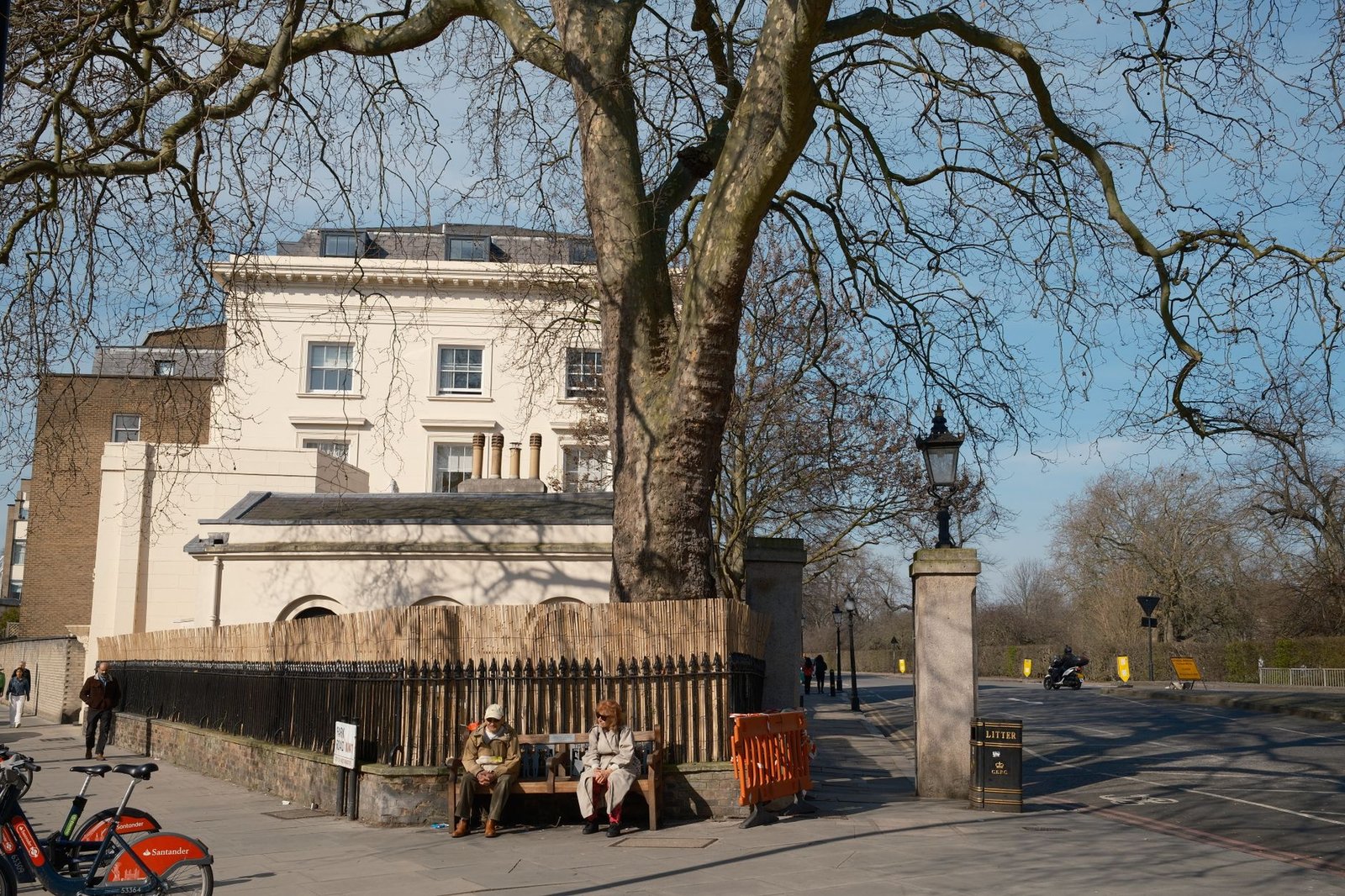
Shade tactics are not passive. They are part of your training plan, like route selection and pacing. If you can start and finish near cover, you can reduce body heat accumulation and keep your pace steadier without constant self-correction.
Look at your route the way you look at terrain. Where are the trees, awnings, arcades, under-bridges, and station entrances? If your session includes recoveries, place them in shade on purpose.
“I’ll find shade when I get there” sounds flexible, but does it respect your time, energy, and safety?
Wear Heat-Friendly Clothing From First Minute
Clothing choices decide how quickly sweat spreads, evaporates, and cools you. For hot London days, choose lightweight, loose, light-coloured fabric that lets airflow do its job. Tight gear traps heat close to the skin and turns sweat into a wet blanket.
Wear a wide-brimmed hat to block direct radiation and reduce facial heating. Add wraparound sunglasses not just for comfort but to prevent squinting and distraction, which quietly wreck form when you are tired.
Sunscreen Requires Discipline, Not Hope
Sunscreen is not a once-and-done product. It is a timed system. Use SPF 30+ generously, and reapply often, especially if you sweat or if you move between sun and shade. Missing the reapplication step is how good intentions turn into sunburn and a worse next session.
Here is the uncomfortable truth: heat and sun work together. If your skin is damaged, your body spends energy repairing, not performing. Protect early, and keep the protection consistent.
Carry A Bottle And Treat Hydration As Continuous
During warm spells, hydration cannot be a delayed response. Start drinking early and keep it steady throughout the day. Carry a refillable water bottle and use it during warm-ups, breaks, and the walk between locations.
On London days, include Tube and bus journeys in your hydration plan. It is easy to forget you are still training when you are waiting on the platform. Keep the bottle accessible so you drink without negotiating with yourself.
A simple check helps: aim for pale straw-coloured urine and adjust before you feel terrible. If you wait until thirst becomes panic, you have already lost time.
Electrolytes Beat The Myth Of Pure Water
For sessions lasting over about 45 minutes, plain water may not be enough. When you sweat, you lose salts, and replacing only fluid can leave you feeling flat, heavy, or oddly dizzy.
That is why an electrolyte or sports drink can make a measurable difference. It supports performance when the work is sustained and heat is rising, especially for repeat efforts across a day.
| Session Pattern | What To Sip | Measurable Goal |
|---|---|---|
| Under 45 minutes | Water | Steady intake |
| Over 45 minutes | Electrolytes | Salt replacement |
| High sweat rate | Electrolyte drink | Even energy |
| Recovery break | Water plus electrolytes | Hydration rebound |
| Long day out | Refill plan | Pale straw urine |
And don’t sabotage the plan with alcohol or large amounts of sugary drinks and fruit juice on hot days. Those choices can worsen dehydration and make it harder to recover for your next session.
Home Cooling Must Start Before You Feel Warmer
If you only start cooling at home after you feel drained, you are reacting too late. Your goal is to lower heat storage between sessions so the next effort begins with less internal load.
Close curtains or blinds and keep windows shut on sun-facing rooms. Then, when the outdoor temperature drops, open windows at night only if it is actually cooler outside. Move to the coolest areas, often lower floors.
Fan Cooling Only Works Under A Threshold
A fan is useful, but it is not magic. It helps most when it moves air through your environment at a temperature low enough for evaporation and heat loss. If the air is too hot, a fan mostly just circulates discomfort.
Use electric fans when the air is below about 35°C. Do not aim a fan directly at your body at close range, because that can create a false sense of relief while you still accumulate heat.
The correct mindset is simple: treat the fan as support, not a substitute for cooling strategy.
The Ice Fan Trick For Real Drop In Temperature
When London heat feels sticky, an “ice fan” setup can create a noticeable comfort shift. The method is straightforward: place a frozen water bottle in front of a fan on a tray or towel to avoid puddles, or use cool wet towels and chilled damp cloths on the neck.
These tactics work because they add a cooler thermal source to the moving air. You can feel the effect faster than waiting for the room to cool naturally, which matters when you are between sessions and need recovery.
If you are sweating at rest, do you really want to wait hours for the weather to cooperate?
Choose Break Spots That Lower Body Heat Fast
Breaks are where hot days win or lose. If you take recoveries in full sun, you refill your temperature tank and then wonder why your pace crashes. Instead, plan breaks in shade and use the coolest microclimates available.
Think like a thermodynamics problem. Cool air, shade, and evaporation help you shed heat. Warm sun, blocked airflow, and clothing that stays wet push heat into your body. Your job is to bias every break toward heat loss.
Know Heat Exhaustion Signals And Act Within 30 Minutes
Heat exhaustion is not an inconvenience. It is a warning that your body can no longer regulate temperature under the current load. Symptoms can include dizziness, headache, nausea, confusion, and unusually high heart rate.
If symptoms appear, act quickly. Move to shade or air conditioning, remove excess clothing, and cool aggressively with water sprays or sponging, plus cold packs under armpits or on the neck. Give cool water or electrolytes, and even ice lollies if you have them.
Cooling should start within about 30 minutes, and if you are concerned or symptoms worsen, seek medical advice via official heat guidance. Call 999 for suspected heatstroke.
Plan Transport Like Another Training Session
Your warm weather cooling setup for London training is not only about the track or the gym. It is about getting from place to place without turning the commute into a heat soak. Tube journeys, long walks, and car rides can quietly add hours of exposure.
Keep your bottle with you, prioritize shade at stops, and time departures to reduce waiting in direct sun. If you arrive early, do not just stand around. Find the coolest spot you can and treat it like part of recovery.
Build A London Heat Kit Before You Step Outside
The best day to prepare for heat is the day before it hits. Assemble a compact kit so you do not improvise when you are already stressed, sweaty, and distracted. Preparation reduces mistakes and lets you execute your plan with calm confidence.
Here is a practical starter set for warm weather cooling setup for london training:
- Refillable bottle with a backup refill plan
- SPF 30+ and a schedule for reapplication
- Wide-brim hat and wraparound sunglasses
- Electrolyte or sports drink for sessions over 45 minutes
- Small cooling aid such as cool towels or a reusable cold pack
Heat punishes uncertainty. When you carry the right tools and follow the shade and bottle rules, you can train with control instead of guessing.
Warm Weather Cooling Setup for London Training: Bottle, Fan, and Shade Tactics
How Can I Plan a Warm Weather Cooling Setup for London Training to Avoid Peak UV?
Schedule London training for early morning or evening, steer clear of direct sunlight between 11am and 3pm, and choose shaded routes or parks with cover.
Which Water Bottle and Hydration Schedule Work Best for Warm Weather London Training?
Carry a refillable water bottle and sip regularly through the day, topping up on breaks and journeys, and consider an electrolyte drink if sessions run longer than about 45 minutes.
How Should I Use a Fan Safely for Warm Weather Cooling Between London Training Sessions?
Use a fan to move air around the room, avoid aiming it directly at your body, and only rely on it when indoor air is reasonably cool (about below 35°C).
What Shade Tactics and Clothing Choices Help Prevent Overheating in Warm Weather London Training?
Train under shade when possible, wear lightweight loose light-coloured clothing, use a wide-brim hat, and wear wraparound sunglasses to reduce sun load.
When Should I Use an Ice Fan or Chilled Towel Trick for Warm Weather Cooling at Home?
For extra cooling, place a frozen water bottle in front of a fan (on a tray or towel to prevent mess) or apply cool wet towels to the neck and chest to lower body temperature faster.
What Symptoms Mean I Should Stop London Training and Treat Heat Exhaustion or Heatstroke?
If someone develops dizziness, headache, nausea, confusion, or an unusually high heart rate, move them to shade or air conditioning, remove excess layers, cool them with water or cold packs, and seek urgent medical help (call 999 for suspected heatstroke).
Stop Guessing and Build a Proper Cooling Plan
A warm weather cooling setup for london training, bottle, fan, and shade tactics is the difference between finishing strong and getting sidelined, so train early or late, protect yourself from peak sun with real shade and high-SPF reapplication, and keep hydration continuous with a proper bottle plus electrolytes when sessions run long. Bring the right home cooling measures between blocks, use a fan safely rather than aimlessly, and treat cooling as a system you follow every time, not a last-minute improvisation.

I am Ozan, a London-focused running writer and marathon enthusiast with a passion for helping people discover the city’s best races, running routes, walking trails, and fitness events. I research and write practical, up-to-date guides covering marathons, race preparation, training tips, running gear, and everything related to staying active in London.
My goal is to create reliable, easy-to-follow content that helps runners and walkers of all experience levels explore London with confidence, whether they’re preparing for their first 5K or their next marathon.