Most break-ins happen because people leave too many openings, not because burglars are geniuses. This london long-run safety checklist: what to do before you leave home is about simple, stubborn habits that make your place look lived in, keep valuables out of sight, and remove the easy clues thieves look for.
Close and double-lock every door and window, then treat small details like they matter, because they do. Hide keys, including car keys, and keep ID or paperwork out of obvious places. If you are away for days, shut curtains after dark, use timers for lights, and secure alarms and gates before you go. Ask a trusted neighbour to help with after-dark checks and cancel routine deliveries so your street does not broadcast “nobody is home.”
When you leave London for a longer stretch, safety is also about what you do before you disappear from your own routine. Lock bikes properly inside a secure shed or garage and anchor the fixing well. When you are out and about, do not advertise what you carry, never leave a bag unattended, and stay alert to pickpockets and card or ATM tampering. Keep key identifiers noted so you can report losses quickly, and remember that in London, non-emergencies go through 101, while emergencies go through 999 or 112.
Before You Leave London Home, Act Like the Burglar
Most break-ins are opportunistic, not cinematic. A thief wants a fast entry, a short search, and minimal risk. So your London long-run safety checklist: what to do before you leave home should start with one question: where would you get in if you were trying to be gone in under two minutes?
The key idea is simple. You do not “feel safe,” you make entry inconvenient. Locks that hold, sightlines that block, and habits that remove empty-house signals reduce the odds long before anyone tests your door.
Do you lock up, then relax for the rest of the day? That is when people get sloppy. The moment you stop thinking, your home becomes a routine stop for someone else.
Double Lock Every Door and Treat Windows as Doors
If a lock can be bypassed casually, it will be. Doors and windows are separate targets, and treating them the same way is lazy. Close every door and window, then double-lock where your system allows, and confirm the latch catches by pulling once after you lock.
Windows matter even when you have curtains. A micro-gap is still an entry point, and London homes often have back-facing access routes that are easier than the front. Lock every opening, including side doors, patio doors, and any ground-floor window you can reach without climbing.
Clear Sightlines Make Valuables Less Tempting
Valuables are not stolen because they are valuable. They are stolen because they are visible. Keep phones, wallets, and handbags out of sight, and do not leave items near doorways, hallways, kitchens, or letter drop areas where a casual glance becomes a plan.
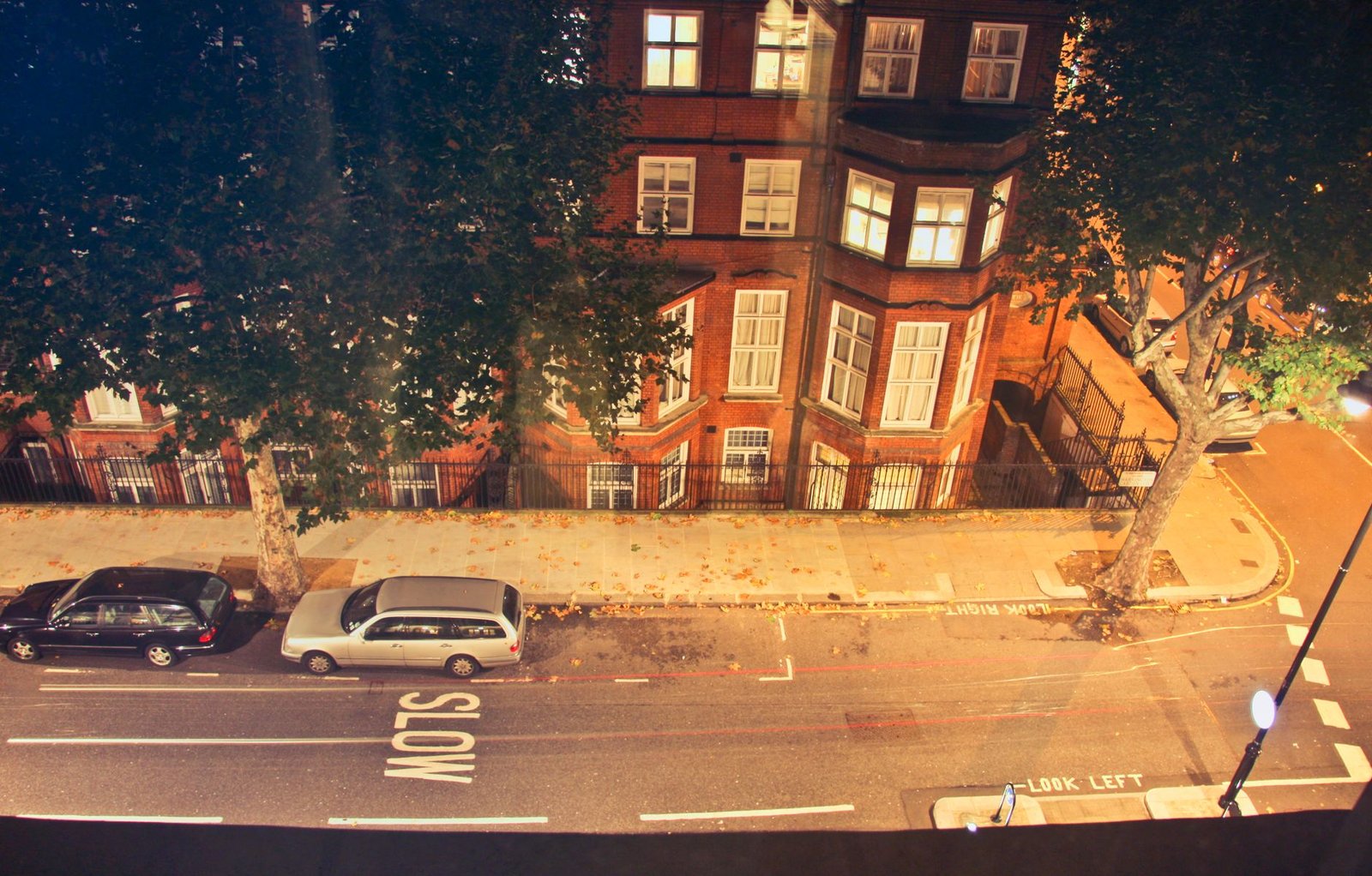
Make “out of sight” a real rule, not a vague intention. If a thief can spot it from the pavement, your home is advertising. Hide small electronics, paperwork, and anything that can be resold quickly.
Here is the standard you should use: if a stranger can see it through a window in daylight, then it is visible enough to be targeted at night.
Hide Keys and Eliminate the Easy Back Door
One missing step turns good security into a gimmick. Hide all keys, including car keys, and never keep spares where the next person would look. Kitchens, hallways, and obvious decorative hiding places are exactly what burglars check first.
Also remove the temptation of “I left documents around for convenience.” Do not leave car documents or ID in obvious places. Those papers help someone impersonate you, reroute accounts, or speed up resale.
The best time to secure keys is before you feel in control. Once you are rushing out the door, the easy hiding place becomes the default.
Use Curtains and Lighting to Break the Empty Home Signal
In London, many homes have the same rhythm. When lights go off for a long stretch, a pattern forms. Shut curtains in rooms facing the street, use lighting, and if you will be away all day, use timers so the home looks occupied rather than abandoned.
A timer is not magic, but it buys you time. Use a consistent schedule and add variety through lamps in different rooms so the pattern is not perfectly robotic.
People think they are “invisible” because no one is watching. Thieves are usually not staring at your window all day. They are scanning for obvious cues and predictable routines.
Lock Side Gates, Secure Sheds, and Anchor Bicycles
Most homeowners lock the front door and forget the rest of the property. That is where thieves move. Side gates, sheds, garages, and bike storage are often the weak link because people treat them as secondary.
| Check Point | Measurable Action | Why It Matters |
|---|---|---|
| Side Gate | Lock every time | Stops backyard access |
| Shed or Garage | Use 2 locking points | Reduces forced entry odds |
| Bicycle Storage | Lock frame plus 1 anchor | Prevents quick removal |
| Door of Shed | Test latch with a pull | Confirms it caught fully |
| External Items | Keep out of sight | Limits theft temptations |
For bikes, store them inside a secure shed or garage when you can, then secure the fixing to a heavy-duty bolted ground or wall anchor. A chain is only as useful as the anchor it bites into.

Long-run safety is property-wide, not door-wide. If a thief can reach it without crossing your main entrance, it needs the same seriousness.
Stop Broadcasting Your Absence in Plain Sight
Social media turns your holiday into a timetable. Public holiday posts, “away from home” updates, and photos that show empty interiors can reduce your protection by making it easy to choose the right moment.
Even if you trust your audience, you cannot trust everyone who can view your posts. Adjust privacy settings, pause location sharing when you leave, and treat any public update as an invitation to opportunists.
Use Neighbour Help Without Turning It Into Theatre
When you are away, ask a trusted neighbour to help in practical ways. Good neighbourly checks include closing curtains after dark and spotting anything unusual, but it does not mean a parade of messages or attention.
Arrange a simple plan in advance. Who checks what, how often, and what counts as a problem? Keep it quiet. A private arrangement is safer than a public plea.
The counterargument is that neighbours can’t be relied on. True, which is why you choose the one person who has been reliable before, not the one person who sounds friendly.
Cancel Deliveries That Signal an Empty Front Door
Newspapers and milk deliveries are the classic “no one is home” markers. Cancel them when you leave for more than a day, or arrange an alternative so your doorstep does not become a stack of proof.
Deliveries also clutter sightlines, which increases your own risk when you return. A tidy entrance looks cared for, and care discourages opportunistic theft.
When You Are Out in London, Keep Bags and Phones on You
Home protection matters, but London street risk matters too. When you are out and about, keep bags and drinks with you, never leave a bag unattended, and do not place your phone or laptop within easy reach on a ledge or café table.
Unattended items can draw attention, including from police responding to suspicious behaviour. That is inconvenient for you and useful for criminals who exploit distractions and foot traffic.
Cover the basics: hold your belongings close, keep valuable devices out of sight when not in use, and reduce the time you look down while walking.
Defend Your PIN and Treat ATMs Like Crime Scenes
ATM fraud often starts before the transaction. Check for tampering, watch for anyone attempting to distract you, and use your hand to cover the keypad while you enter your PIN. In crowded locations, look for shoulder-surveillance and shield your screen from easy view.
Phones and cameras are common tools for skimming attempts and quick identity theft. So when you are near payment points, assume the environment is working against you unless you prove otherwise.
Your best protection is not luck. It is habits that deny criminals clean access to your credentials.
Record Serial Numbers and Know Who to Call
If the worst happens, speed matters. Record electronic serial numbers and keep them somewhere you can access later. That helps you report losses quickly and more accurately, which reduces the time criminals have to vanish with your property.
For emergencies call 999 or 112. For non-emergencies call 101. Those numbers reduce panic because they give you a script when you are stressed.

If you want a ready reference for the home step-by-step, follow the home safety advice they publish, then tailor it to your exact doors, locks, and routes.
Make It a Routine, Not a Rush
The long-run safety checklist only works when it becomes boring. Set a rule: the night before you leave, do one full sweep. Doors locked, windows closed, keys hidden, valuables out of sight, alarms set, and delivery signals cancelled. Then stop revising the plan in your head and trust the process.
Train yourself to check the whole perimeter, not just the front entrance. Side gates, sheds, garages, bike storage, and outdoor items all deserve the same standard because criminals do not need your attention if they have your gaps.
Consistency beats intensity. One rushed departure can undo weeks of good intentions, while a routine turns protection into muscle memory.
London Long-Run Safety Checklist: What To Do Before You Leave Home
How Do You Secure Doors, Windows, and Valuables Before a Long Trip in London?
Close and lock every door and window, use double-lock doors, and make sure valuables are out of sight, with handbags kept away from letterboxes and cat flaps. Hide all keys, including car keys, and never leave car documents or ID in obvious spots like kitchens or hallways.
What Lighting, Curtains, and Alarm Steps Improve Long-Run Safety in London?
Shut curtains in the evening and use lighting to create a normal pattern, especially if you will be away all day. Set a timer for lights and consider using a radio at night to simulate occupancy, then set your burglar alarm and lock the side gate.
How Should You Secure Sheds, Garages, and Bicycles for Long-Run Safety in London?
Lock your shed and garage, and secure bikes inside a locked space rather than leaving them outside. Fix the bike using a strong lock to a bolted ground or wall anchor so it cannot be lifted or pulled away easily.
How Can You Reduce Break-In Risk by Managing Neighbours and Deliveries While You’re Away?
Avoid posting about being away on social media, especially around public holidays. Arrange trusted neighbour help or a Neighbourhood or Residents’ Watch, ask neighbours to close curtains after dark, and cancel newspaper or milk deliveries.
What Should You Do to Stay Safe While You’re Out and About in London?
Keep bags and drinks with you and never leave them unattended, since an unattended bag can draw attention. Keep phones, cameras, and laptops close and out of sight when not in use, and stay alert for pickpockets.
How Do You Protect Your PIN and Cards from Theft and ATM Fraud in London?
Watch your surroundings and cover the keypad when entering your PIN to reduce shoulder-surfing. Check ATMs for signs of tampering, and record electronic serial numbers so you can report losses quickly. For non-emergencies call 101 and for emergencies call 999 or 112.
London Long-Run Safety Checklist That Works Before You Leave Home
Follow the london long-run safety checklist: what to do before you leave home, and your time away stops looking like an open invitation to thieves. Lock every door and window, double-lock where you can, hide keys and valuables, and use timers plus curtains to simulate life inside. While you are out in London, keep bags and phones with you, watch for pickpockets and ATM tampering, and record serial numbers so losses can be reported fast. Do the basics every trip, even for “just a few days,” and you protect your home without needing luck.

I am Ozan, a London-focused running writer and marathon enthusiast with a passion for helping people discover the city’s best races, running routes, walking trails, and fitness events. I research and write practical, up-to-date guides covering marathons, race preparation, training tips, running gear, and everything related to staying active in London.
My goal is to create reliable, easy-to-follow content that helps runners and walkers of all experience levels explore London with confidence, whether they’re preparing for their first 5K or their next marathon.