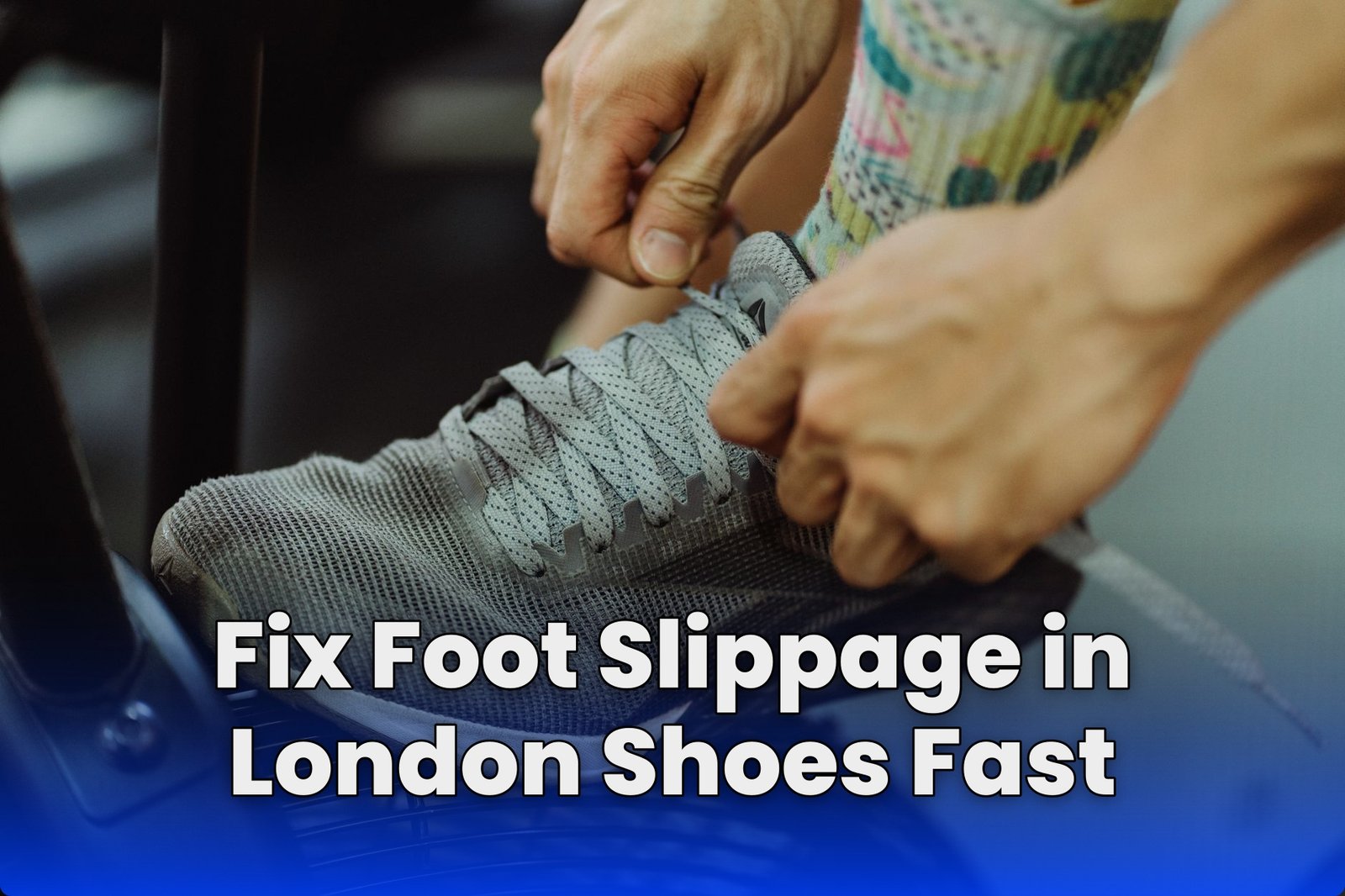
Foot slippage in London shoes is not a mystery you have to live with. If your heel slides or your foot creeps forward, your setup is letting too much movement happen, and you can stop it with the right sock friction and a lacing lock that actually grips.
Start with your socks because they control how much “grab” you get inside the shoe. If the slip is only minor, thicker socks can take up the extra space so your heel does not float. If smooth socks or tights are the culprit, switch to non-slip or grippy options, and if the heel still lifts, add a clean adhesive heel grip or a heel liner to reduce the internal slack.
Then fix the laces the same way you would fix loose hardware: by locking the heel down. Use a heel-lock or “lace-lock” when your shoes have extra heel-lock eyelets, threading each end through the top eyelet on the same side to form a loop before you cross and tighten. If your slip comes from the top or instep rather than the heel, place a tongue pad under the tongue to push your foot back. Test one change at a time by walking indoors, because wear and foot shift can change the fit quickly.
First Confirm The Real Cause Of Slip
If your heel moves inside a London-style lace-up, you cannot fix it with random tweaks. You have to identify where the problem starts. Does your heel lift and skate backward, or does your foot slide forward because the instep is loose?
Try this indoors. Lace the shoes normally, put them on, then walk a few steps and pause. Heel lift or heel slip usually means extra space at the heel or the instep. Forward slip from the top often means your tongue area and midfoot need pressure, not your heel counter.
Sock Thickness Buys You Time At The Heel
When the slip is mild, thicker socks are the simplest fix foot slippage in London shoes can offer. Extra cushioning reduces the empty volume your heel uses to escape, especially when the shoe feels “almost right” but slightly too generous.
Use a practical test. Start with a slightly thicker crew sock, lace up to your usual tightness, then walk indoors. If the heel holds better but feels snug on the top of your foot, you overshot and should scale back the thickness.
Grippy Socks Beat Smooth Fabrics Every Day
If you wear smooth dress socks or tights, your foot can slide because the fabric provides almost no friction. A sock with a non-slip or grippy weave changes the behavior of every lace adjustment because it reduces micro-movement before your heel ever lifts.
Some people expect lacing to do all the work. It cannot, if your sock lets your foot drift. Switch to grippy or silicone-trim socks and re-check the heel after a short walk. You will feel the difference quickly.
Adhesive Heel Cushions For Shoes That Feel Too Big
When your heel still lifts after sock changes, add an internal grip. An adhesive heel grip or cushion placed inside the back of the shoe can take up space and stop the backward skate that causes heel slip.
Clean the inside back area first, then press the cushion firmly so the bond forms. Place it where your heel contacts as you walk, not where you wish it would contact. That placement decision matters.
Heel Liners That Reduce Internal Space
Adhesive cushions help, but heel liners and inserts are better when the fit problem is consistent across the back area. They reduce internal room without constantly re-positioning a small patch.
Choose based on where the shoe feels loose and how much volume you need to remove.
| Option | Typical Thickness | Best Fit Result |
|---|---|---|
| Gel Heel Grip | 1 to 2 mm | Stops micro-slide |
| Foam Heel Liner | 2 to 4 mm | Reduces heel lift |
| Silicone Heel Pad | 1 to 3 mm | Adds traction inside |
| Heel Wedge Insert | 3 to 6 mm | Snugger heel lock |
| Half Insole With Heel Cup | 3 to 5 mm | Stable stance under stride |
Keep one rule in mind. If your heel lifts, target the heel back first. If your foot slides from above, address the instep pressure instead.
Heel Lock Lacing When The Shoe Has Lock Eyelets
If your London shoes have extra heel-lock eyelets, use them. Heel lock or lace-lock lacing is built for one job: pulling the heel area down and holding it there while you tie.

In plain steps, lace normally to the second-to-last eyelet, then thread each lace end through the top eyelet on the same side to form a loop. Cross each lace through the opposite loop, pull tight to lock the heel down, then tie as usual. If you want a visual reference, heel slip tips can help you match the same pattern.
Loopless Lace Lock For A More Natural Hold
Some shoe shapes make the full loop method feel awkward or pull oddly across the foot. The easier variant skips the first back or extra eyelet and goes straight to the back one to form a loopless lock.
This can work better when the midfoot has a pronounced curve and you do not want the laces to drag across it. Lace tight, lock, then tie, and re-check heel movement after ten indoor steps. If the heel no longer lifts, you found the right lock geometry.
Tongue Pads Fix Instep Slippage Without Altering The Heel
Not every slippage is heel slippage. If the top feels loose and your foot moves forward, place a tongue pad under the tongue to push your foot back into the shoe.
Crucially, position it under the tongue, not on the heel counter. You are creating forward pressure and comfort at the instep while keeping the heel area stable from lock lacing or sock grip.
Walk Tests In Indoors Reveal The Right Adjustment
Do not guess. Test one change at a time and walk indoors. Start with the most reversible step, like thicker socks or switching sock type, then re-check heel lift after a short walk.
If you still get lift, move to one stronger fix like heel-lock lacing, then retest. A single variable approach prevents you from blaming the wrong adjustment when the fit shifts again.
Shoes Change Over Time So Your Setup Must Too
Fit is not frozen on day one. As shoes wear, liners compress and the upper relaxes slightly. That can increase the internal space your heel uses to slip, even if your setup worked last week.
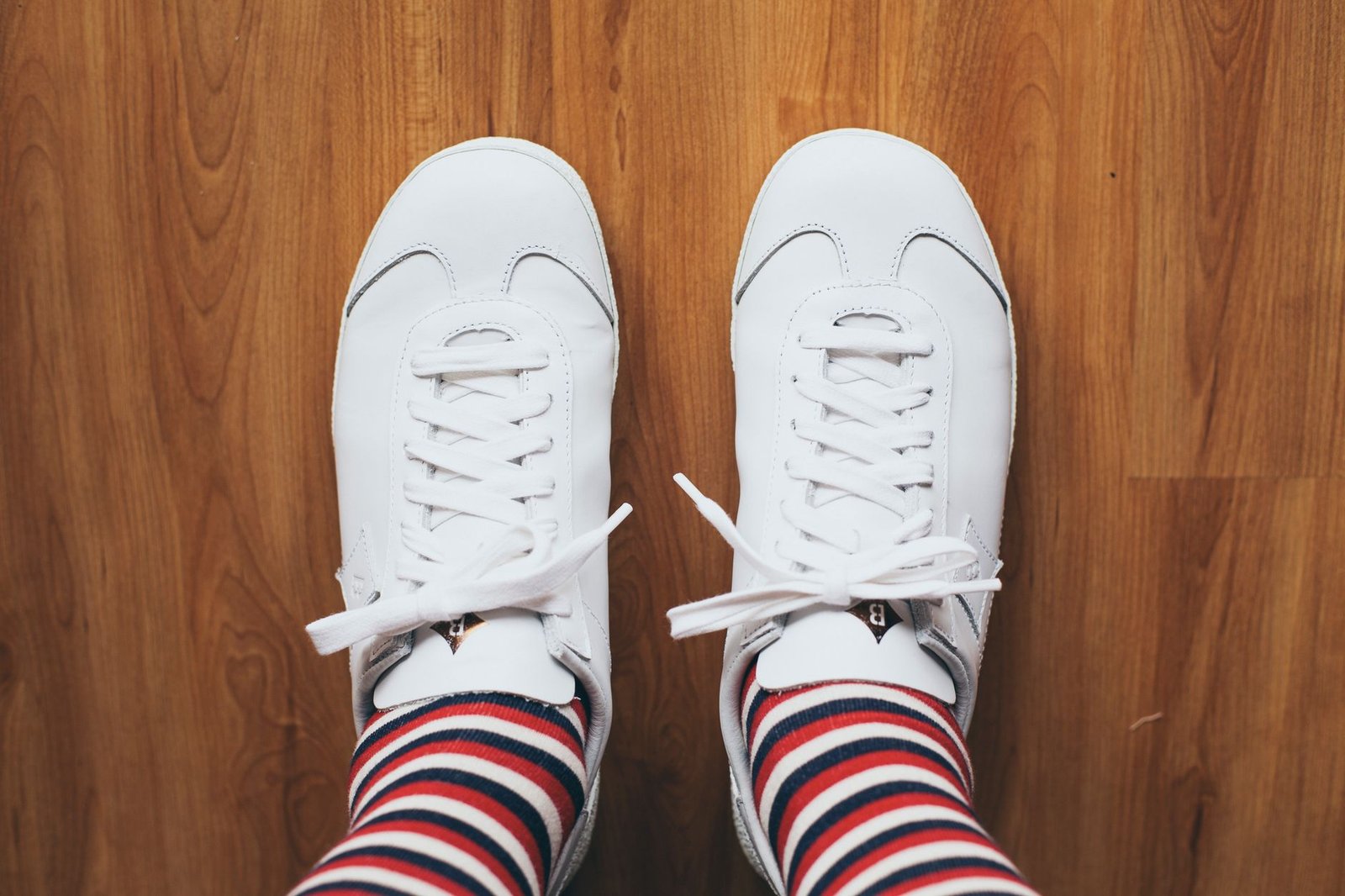
Re-check your heel and instep every few wears. If the problem returns, repeat the logic in the order that costs you the least: socks first, then lacing lock, then internal grips. Consistency beats frantic adjustments.
Avoid The Common Lacing And Sock Mistakes
Several habits quietly recreate the same slip. Lace too loosely in the midfoot and you reduce heel control. Lace too tight across the top and you force discomfort that makes you unconsciously loosen later.
Another trap is using a grippy sock but skipping heel-lock lacing on shoes with lock eyelets. If you have the hardware, use it. If your sock is stable, the laces can focus on heel hold instead of compensating for frictionless drift.
A Practical Routine To Fix Foot Slippage Every Morning
Here is a simple routine that actually holds up for London-style dress and casual shoes. Confirm whether the heel or instep is the culprit, then start with a sock change that adds friction. Next, apply heel-lock when the shoe has the right eyelets, or use the loopless lock variant if the full lock feels off.
If you still feel lift, add an adhesive heel grip or a heel liner. If the top area is the problem, use a tongue pad under the tongue. Each step targets a specific type of slippage, so you fix the cause instead of chasing symptoms.
Fix Foot Slippage in London Shoes With Lacing and Sock Setup That Works
How Can You Confirm the Fit Before Fixing Foot Slippage in London Shoes?
Check where your foot moves by walking indoors: heel lift usually means the shoe is slightly loose at the heel, while heel slip with minimal lift often means the instep is not gripping well.
Which Sock Setup Helps Stop Heel Slip in Lace-Up London-Style Shoes?
If the slip is mild, try thicker socks to fill space and add friction; if the socks are smooth, switch to non-slip or grippy socks, or add a thin silicone-trim sock if you need extra grip without bulk.
What Heel-Lock Lacing Works Best for Securing the Heel?
Use a heel-lock or lace-lock if your shoes have the extra heel-lock eyelets: lace normally to the second-to-last eyelet, pass each lace end through the top eyelet on the same side to form loops, cross through the opposite loop, pull tight to lock the heel down, then tie.
How Should You Adjust Lacing When Slippage Starts at the Instep or Top?
If your foot slides up from the top rather than the heel, place a tongue pad under the tongue to push your foot back and improve hold, then re-tension the laces evenly from midfoot to the top.
When Should You Add a Heel Grip or Cushion Inside the Shoe?
If the heel still lifts after sock and lacing changes, attach an adhesive heel grip or cushion to the inside back of the shoe after cleaning the surface, then press firmly and let it set before wearing.
How Do You Test Lacing and Sock Changes to Keep London Shoes From Sliding?
Make one change at a time, such as heel-lock first, then sock thickness or sock type, and walk for a few minutes indoors to confirm the heel stays settled before you tie the new setup as your default.
Stop the Slip With the Right Lock
If you want reliable comfort, fix foot slippage in london shoes: lacing and sock setup that works by treating heel lift and instep looseness as separate problems. Start with socks that add friction and fill excess space, then lock the heel with a heel-lock or lace-lock that actually clamps down, not just looks tight. Once the heel stays put, enjoy the fit that dress shoes are supposed to deliver every time you walk.

I am Ozan, a London-focused running writer and marathon enthusiast with a passion for helping people discover the city’s best races, running routes, walking trails, and fitness events. I research and write practical, up-to-date guides covering marathons, race preparation, training tips, running gear, and everything related to staying active in London.
My goal is to create reliable, easy-to-follow content that helps runners and walkers of all experience levels explore London with confidence, whether they’re preparing for their first 5K or their next marathon.