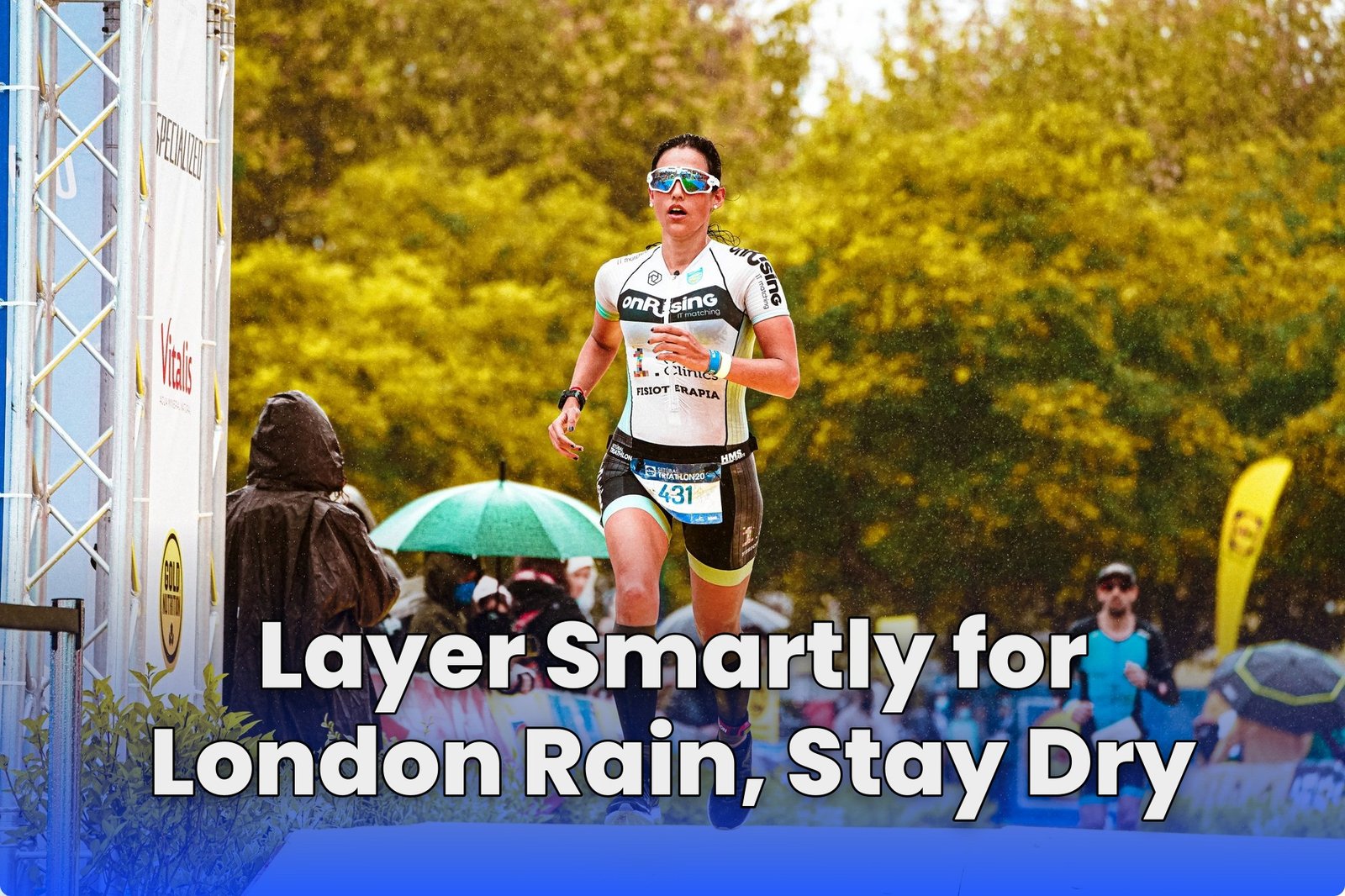
Race-day clothing layers for london rain are the difference between a comfortable finish and that soggy, steamy feeling that ruins your pace. London rain is unpredictable, so the goal is simple: keep water out and sweat from turning into a heat-trapping swamp.
Start close to the skin with a lightweight moisture-wicking base, preferably merino or technical synthetics, and skip cotton because it holds water and drags heat away from you. Add insulation only if it is actually cold, using a thin layer that you can remove fast. If wind and rain are serious, go with a breathable waterproof running shell that has an adjustable hood, sealed seams, and ventilation options, so you stay dry without cooking from the inside.
The real trick is managing temperature as you warm up, not dressing for the forecast. Keep a removable layer plan in mind, so you can shed heat before you soak through, and wear accessories that handle “fast-loss” cold like a cap or buff. You will feel far more in control when your clothing system is built for moisture control, breathability, and quick adjustments.
Layering Beats Luck On London Wet Starts
Race-day clothing layers for london rain: stay dry without overheating is not a fashion question. It is a performance question with a simple rule: you control moisture and heat step by step. Why gamble on a single jacket when London weather can swing from drizzle to wind in minutes?
A smart system starts close to the body, manages sweat vapor, and only adds protection when the conditions demand it. The goal is staying dry from outside rain and dry-ish from inside sweat, at the same time. That balance is the difference between steady pace and a cold, clammy finish.
Skip cotton Every Time Pick Breathable Base Layers
If there is one mistake that reliably ruins a rainy run, it is cotton near the skin. Cotton holds water, then keeps holding it while you overheat and chill in alternating waves. Your body works harder to dry fabric that is designed to absorb.
Choose a lightweight moisture-wicking base layer made from merino or technical synthetics. It should move sweat away, dry faster, and keep insulation stable. Consider this practical checklist:
- Fabric merino or technical synthetic
- Fit close enough to track sweat, not tight enough to restrict
- Weight lightweight for damp warmth, slightly warmer only if you run cold
Do you want dryness, or do you want “soaked” early and “soggy” for miles?
Insulate Sparingly Because Heat Loss Starts After Clarity
Insulation belongs only when cold is actually in the picture. On many mild rainy days, the wrong midlayer traps heat faster than wind can steal it back. That is how you end up shivering at mile four even though the thermometer looked fine.
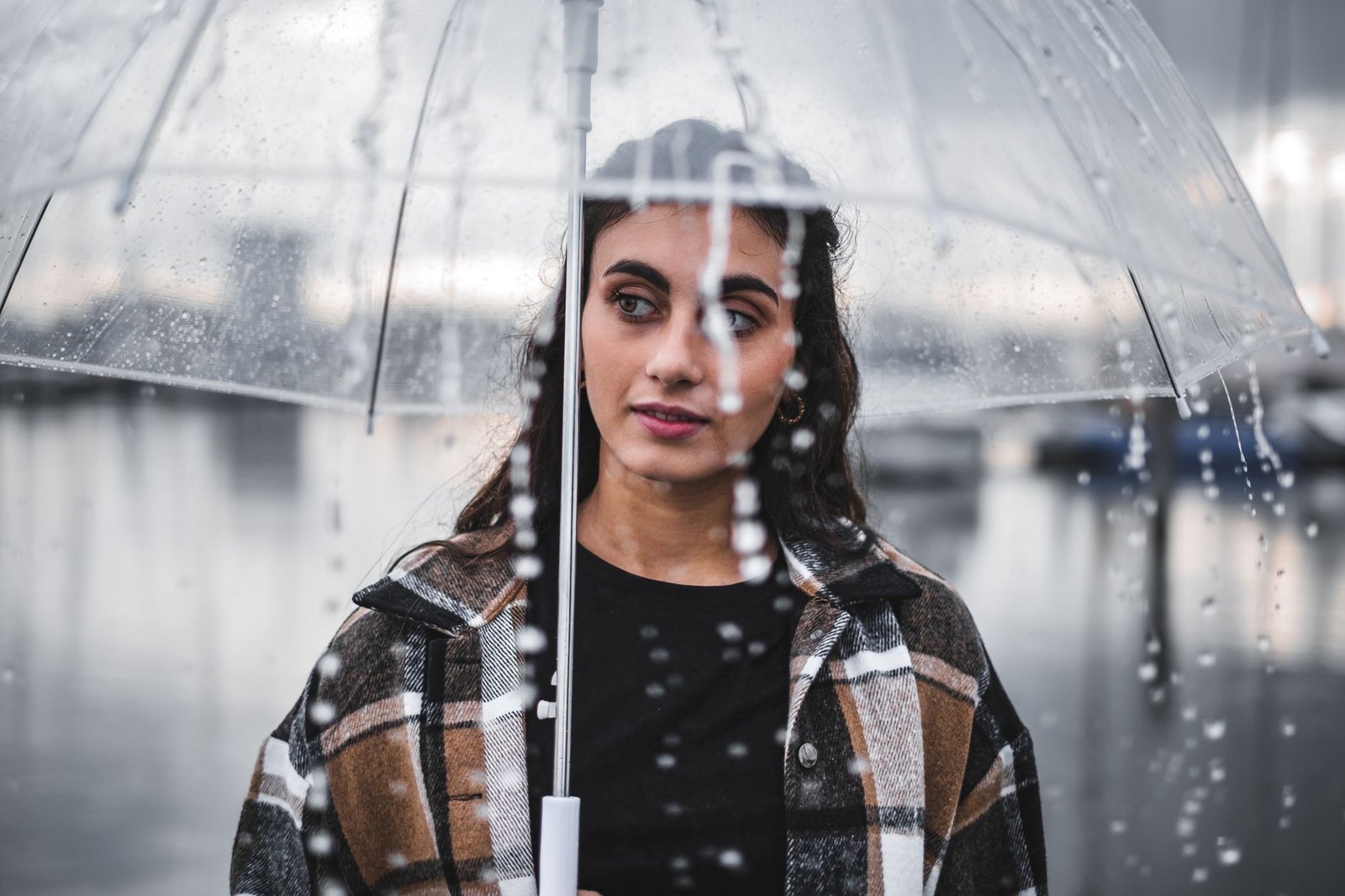
Add just a thin insulating layer, such as a lightweight thermal top or a light fleece, when conditions feel genuinely cold. Otherwise, start lean and adjust with removable pieces. The rain is not your enemy; trapped heat is.
Rule of thumb: if you are considering a heavy midlayer, ask whether you would still wear it during a warm-up jog. If the answer is no, do not wear it at the start.
Use A Waterproof Shell Only When Wind Or Rain Demand It
A waterproof shell is useful when the rain is wet enough to penetrate, or when wind turns drizzle into discomfort. But a shell that blocks water while limiting airflow can also trap sweat. That means the shell is a tool, not a default outfit.
Look for a breathable running shell with an adjustable hood, lightweight fabric, and features that let heat escape. If the forecast suggests mild rain with limited wind, you may start without the shell and add it only if conditions worsen.
Waterproofing keeps rain out; breathability keeps sweat from becoming a cold bath.
Vent Underarms And Sealed Seams Decide Comfort
Many rain jackets fail runners because they block wind while they breathe poorly. Underarm vents help dump heat during climbs and steady pace, especially when rain becomes heavier without notice. Sealed seams and storm flaps also matter because water infiltration usually starts where stitching meets stress.
Look for a construction that includes DWR or a membrane system intended for outside water resistance without turning your torso into a steam chamber. Then test the idea with movement, not just in store aisles. Can you run with it for 15 minutes without feeling overheated?
Choose A Temperature Based Layer Plan That You Can Execute
You need a layer plan that survives reality, including how you feel after the start ramp-up. London rain often means quick shifts between cool air, wet wind, and steady output. Build your outfit around decision points, not hope.
Use these benchmarks to keep midlayers minimal and manage shell timing:
| Conditions | Layer Choice | Reasoning |
|---|---|---|
| Cool drizzle, light wind | Base only or base plus thin insulation | Limits heat buildup |
| Mild wet day | Base only | Too warm for a midlayer |
| Cold rain with gusts | Base plus thin insulation plus shell | Blocks wind driven rain |
| Warm rain after 10 minutes | Remove shell if possible | Prevents steam effect |
| Steady cold after miles 5+ | Keep shell vented | Maintains dryness without overheating |
The point is simple: when temperatures climb toward about 65°F or 18°C, a jacket usually traps too much heat. Build your plan so you can remove layers without turning your race into a tailoring job.
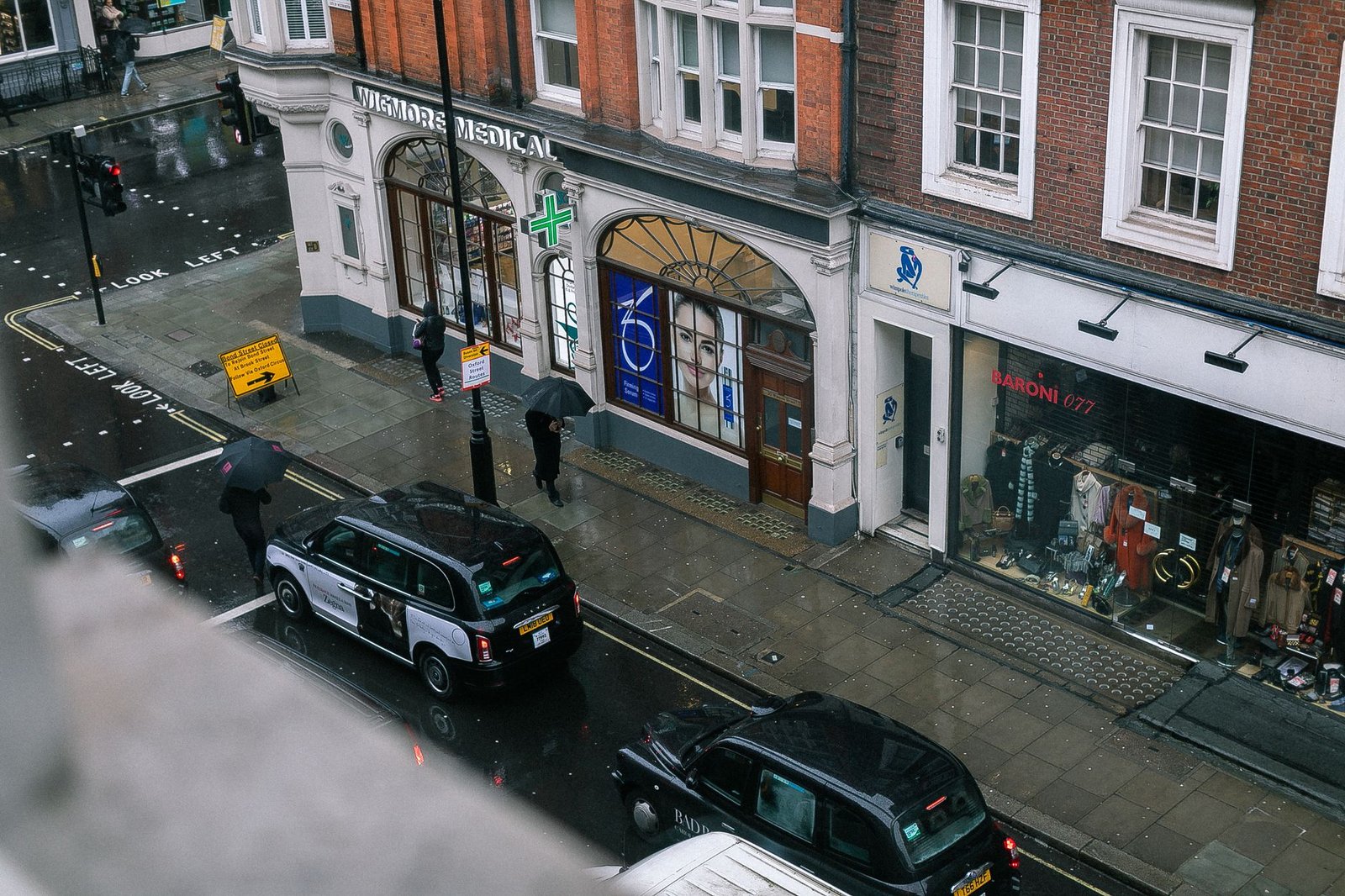
Warm Up Smarter So Your Start Does Not Become A Sweat Trap
Overheating often happens before the race even starts. If you arrive in full winter gear, you will start drenched, then try to run faster in fabric that cannot breathe. That is why removable layers matter more than any single garment.
Keep your system close-to-the-body and add removable pieces that you can take off as you warm up. Put arm sleeves or a light top on standby, then roll down or remove them when your pace raises core temperature. In very wet conditions, consider “sacrificial” warm-up clothing that you do not mind leaving behind at the start, because wet fabric will keep stealing heat and drying time.
Accessories Control Fast Heat Loss Without Overheating Your Core
Cold often attacks through the places where heat leaves fastest. That means head, hands, and neck deserve attention, but they do not require the same heavy approach as the torso. A cap, visor, gloves, and a buff can prevent discomfort without trapping body heat.
Choose accessories that match the rain intensity. Light gloves beat bare hands in wind-driven drizzle. A visor helps keep rain off your eyes, and a cap helps with wind chill. Want a practical compromise? Start with a cap or visor and upgrade to warmer gloves only if the morning feels cold and raw.
If your torso is comfortable but your fingers sting, is the problem your socks or your hands?
Anti Chafe And Fit Prevent The Finish From Becoming Painful
Rain does not just make you cold. It also increases friction because sweat and water reduce the “dry glide” you count on during long stretches. Chafing often shows up in armpits, under bra straps, between toes, and on inner thighs, especially once fabric turns slick.
Use anti-chafe balm on vulnerable spots before you start. Products like Body Glide or Vaseline are not magic, but they reduce skin friction long enough for your run to stay enjoyable. Then handle fit: avoid seams that rub and keep straps positioned so they do not shift every time your stride changes.
Comfort is a gear decision, not a willpower test.
Plan Changes So You Avoid Re-Pinning Mid Race
Weather-driven layer changes are inevitable, so design them. If your bib placement forces you to re-pin when you remove a jacket, you are choosing stress over steadiness. A small change in setup can save time and reduce distraction when the rain eases or your pace rises.
Pin bibs so you can adjust clothing without major handling. For example, place bibs so they can attach to shorts or tights, keeping your jacket decisions simple. If you plan to switch from a heavier top to a lighter one, do it in a way that does not pull you out of your rhythm.
Do you want to spend race energy on rework, or on pace?
Know Your Shoe And Sock Water Plan
Wet feet are not just uncomfortable. They can slow you down because micro pain alters stride and cadence. Moisture-wicking shoes and socks with good water management help you avoid the “cold soak” effect that builds after the rain deepens.
Choose socks that manage sweat and runoff, not ones that trap water. If the route includes puddles, consider water-handling materials in both socks and shoes. Then treat laces and fit carefully. Loose shoes invite extra rubbing; tight shoes can reduce circulation when feet get damp.
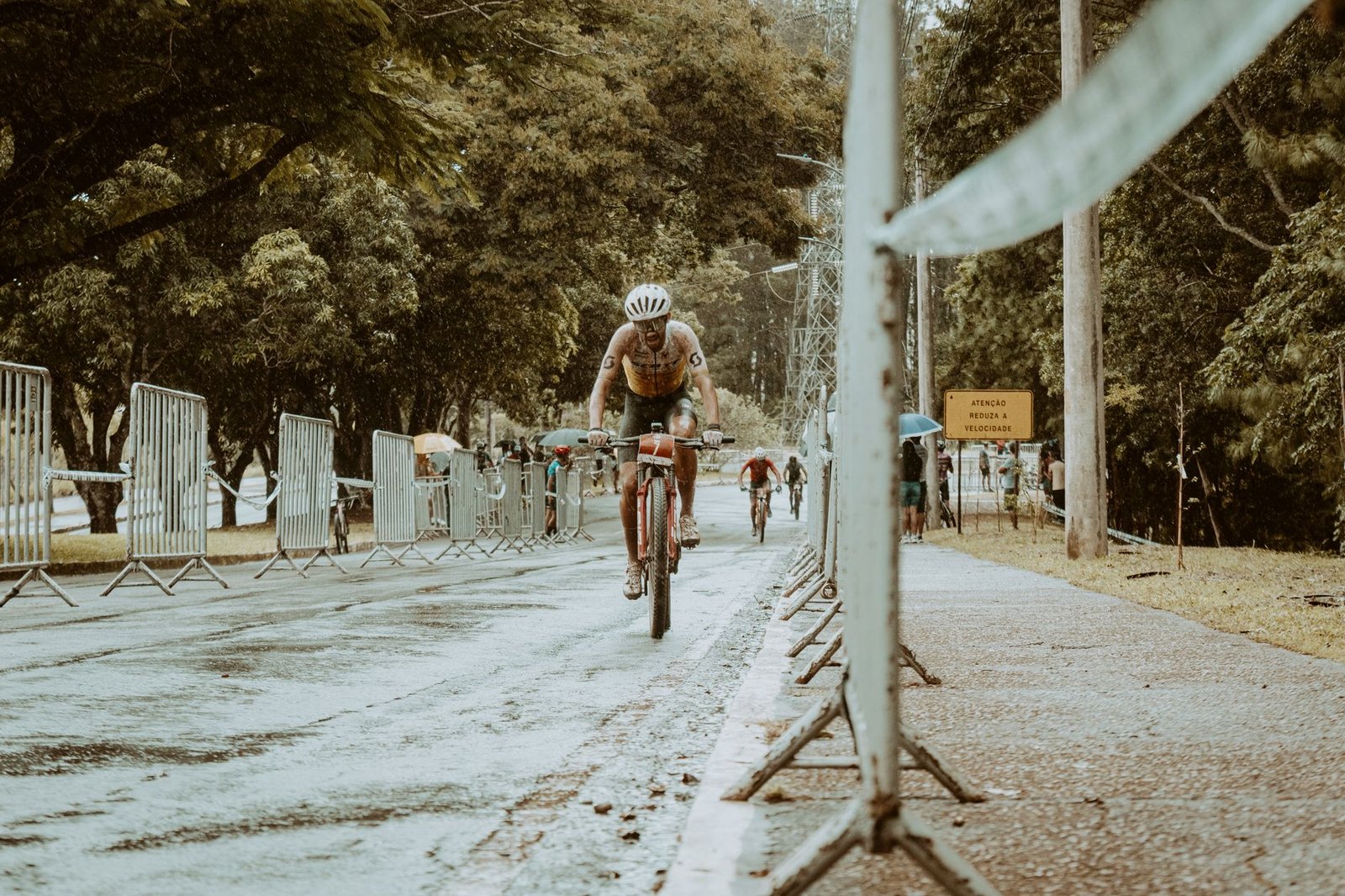
Finish Dry With A Post Race Swap That Actually Works
Your last layers should be ready before you cross the line. Pack a completely dry post-race outfit that includes dry socks and a dry top, plus warm layers like a hoodie or jacket. If shoes get wet, bring a dry option too, because damp footwear can turn the cool-down into discomfort.
Do not assume you will “warm back up” just because you stop running. Rain keeps pulling heat away. A smart cool-down kit breaks that cycle and helps you leave the course feeling human instead of frozen.
Make London Rain A System Not A Gamble
London rain is unpredictable, but your layering does not have to be. The best runners treat clothing as a controlled process: moisture-wicking base, minimal insulation, and a breathable waterproof shell only when wind or rain demands it. Then they manage overheating with removable layers and pre-planned changes.
Take one action today. Build a race-day kit that you can execute under pressure. If you do, you will not chase comfort at mile ten. You will already have it.
And if you still think you can solve this by buying a single thick jacket, ask yourself: why would extra bulk beat better ventilation and smarter timing?
Race-Day Clothing Layers for London Rain: Stay Dry Without Overheating
What Base Layer Helps You Stay Dry in London Rain Without Overheating?
Choose a lightweight moisture-wicking base layer made from merino wool or technical synthetics, and avoid cotton because it holds water and traps heat.
How Should You Pick Midlayers for London Rain So You Do Not Get Overheated?
Keep midlayers minimal and only add a thin insulating top if it is truly cold, since warm wet conditions can turn a thicker layer into unnecessary heat.
When Do You Need a Waterproof Running Shell for London Rain?
Use a breathable waterproof shell when wind and steady rain make wet exposure likely, and look for an adjustable hood, lightweight fabric, sealed seams, and a treatment that helps water bead.
How Can Removable Layers Help You Stay Comfortable During a Race?
Use layers you can remove on the go, such as a lightweight outer layer or rolled sleeves, so you can adjust as effort warms your body without getting soaked from sweat.
Which Accessories Reduce Cold and Chafing in Wet Weather?
Wear a cap or visor, gloves or hand warmers, and a neck buff if needed, then apply anti-chafe balm on common rub points like underarm areas, inner thighs, and between toes.
What Should You Pack for After the Race to Stay Warm and Dry?
Bring a fully dry change of clothes, including dry socks and a dry top, plus warm layers like a hoodie, and wear footwear with good water management to reduce discomfort on cooldown.
Stay Dry Without Overheating With Smart London Layers
Race-day clothing layers for london rain: stay dry without overheating works when you treat layering as heat management, not insulation overload. Start with a moisture-wicking base, keep any warmth layer thin and removable, and add a breathable waterproof shell only when wind and rain demand it. If you plan for quick adjustments during the race and pack a fully dry post-race outfit, you stay comfortable, avoid sweat buildup, and line up confident from the first start-time step to the finish.

I am Ozan, a London-focused running writer and marathon enthusiast with a passion for helping people discover the city’s best races, running routes, walking trails, and fitness events. I research and write practical, up-to-date guides covering marathons, race preparation, training tips, running gear, and everything related to staying active in London.
My goal is to create reliable, easy-to-follow content that helps runners and walkers of all experience levels explore London with confidence, whether they’re preparing for their first 5K or their next marathon.