Achilles pain does not improve from willpower, it improves from the right kind of motion. Too many people stretch hard, load randomly, and call it progress. That approach often irritates the tendon instead of calming it, because the ankle and calf tissues need specific mobility and tolerance, not just intensity.
The case for targeted mobility drills is simple: you regain comfortable ankle range first, then you teach the Achilles to handle load without flaring up. Gentle dorsiflexion work, controlled calf stretching, and light soft-tissue care help you move better day to day, so your training and walking feel less “tight” and more predictable.
In this article, I will lay out a practical progression for improving Achilles comfort with drills that respect sensitivity. You will learn how to combine mobility, soft-tissue loosening, and controlled calf loading in a way that builds confidence rather than chasing pain.
Stop Stretching Through Pain
If your Achilles “discomfort” turns into sharp pain, stretching is no longer a tool. It becomes a stress test. The goal of targeted mobility drills is comfort through improved mechanics, not winning a toughness contest.
Gentle tension should guide you. Mild to moderate discomfort that stays steady is one thing; pain that spikes, lingers, or worsens next day is another. Your body is giving you data. Respect it.
Comfort is the dosage. Pain is the warning label.
Calf Stretches First Because Range Comes First
Most people jump straight to aggressive mobility work, then wonder why their Achilles feels cranky. Start with wall or stair calf stretches to create dorsiflexion and tendon-friendly length. This is the simplest lever you have.
Stand facing a wall, place the back leg behind, keep the back heel on the floor, and bend the front knee until you feel a gentle calf or Achilles stretch. Hold 30 seconds, repeat 3 reps per side. If you prefer a variation, try toes slightly higher on the wall or stair.
But if a straight-knee version irritates the area, switch to the same position with a slightly bent knee. That change can reduce strain while still improving mobility.
Ankle Dorsiflexion Mobility Beats Random Wiggling
“Do some ankle stretches” is vague. Vague does not build reliable comfort. Dorsiflexion mobility should be specific: controlled heel drop, or band-guided flexing, repeated long enough for your tissues to adapt.
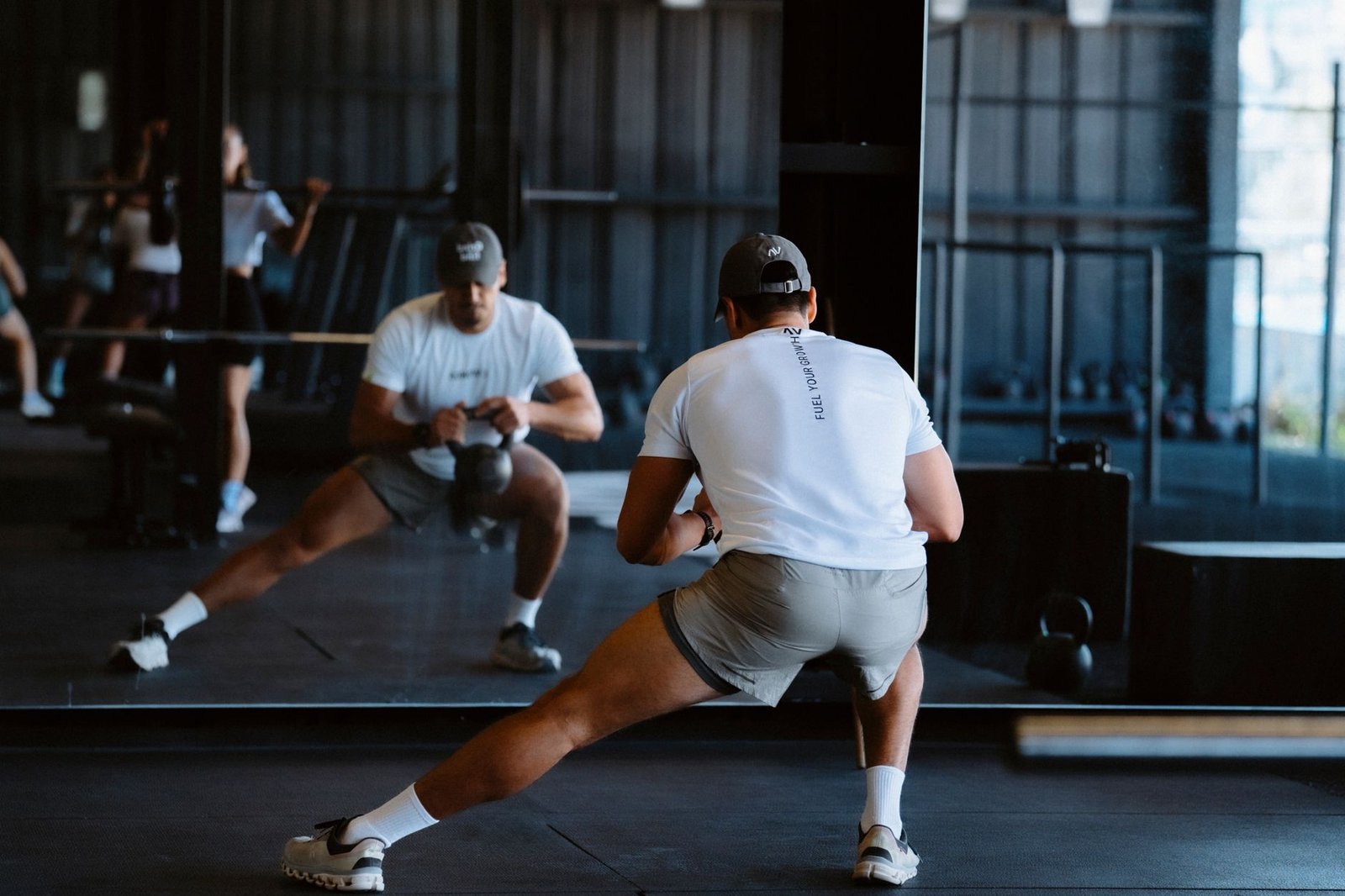
For the step drill, put the ball of your foot on a step and let your heel drop. Hold 30 seconds for 3 reps. For the band drill, pull the foot toward you to flex, pause, then point away. Aim for 10 to 15 reps, for 3 sets. That pattern trains motion with control.
Ask yourself: are you moving at the ankle, or just shifting your stance? Mobility is about joint motion, not foot theatrics.
Soft Tissue Work Should Feel Like Relief, Not Damage
Targeted mobility drills are not just stretching. Your Achilles comfort depends on what happens upstream in the calf and downstream in the foot. Light-to-moderate soft-tissue work can reduce tone and improve glide.
Foam roll the calf for about 1 to 2 minutes per calf, moving slowly and spending extra time on tender spots. Then use a ball under the plantar fascia or foot for 2 to 3 minutes per foot. Keep it in the realm of “uncomfortable but tolerable,” not “grinding pain.”
Key rule is simple: if you feel worse during or after, you went too hard for the day you did it.
Foot Position Matters During Achilles Mobility
People blame the Achilles when the real culprit is positioning. Knee angle, toe height, and heel contact change the load on the tendon and the tension in the surrounding tissues.
If straight-knee calf stretching hurts, using a slightly bent knee version is not “cheating.” It is smarter dosing. If toes higher on the wall increases irritation, scale the height down until you feel a stretch you can repeat without payback later.
This is why “one size fits all” routines fail. Comfort improves when your drill matches your anatomy and current sensitivity.
Make Controlled Loading Your Final Step
Stretching and soft tissue work can create better movement, but comfort often arrives when you can load the tendon calmly. Controlled heel raises turn mobility into capacity.
Finish sessions with heel raises, seated or standing, for 15 to 20 reps per set, repeated 5 to 6 times daily. Use slow control on the way down. Progress to variations like rising onto the balls of the feet with a deliberate, steady lowering phase.
Some people argue that loading “irritates” the Achilles, so they avoid it. That caution can be wise when pain is severe. But avoiding loading entirely leaves the tendon undertrained. Done with smart dosage, loading is how comfort becomes dependable.
A Simple Drill Plan You Can Actually Follow
You do not need a complicated routine. You need a sequence you repeat, at tolerable intensity, and long enough to see change. Below is a practical template that matches the core components of targeted mobility drills.
| Drill | Time or Reps | Frequency |
|---|---|---|
| Wall or Stair Calf Stretch | 30 sec, 3 reps | 1 to 2 times daily |
| Step Heel Drop Dorsiflexion | 30 sec, 3 reps | 1 to 2 times daily |
| Band Flex Point Ankle | 10 to 15 reps, 3 sets | Once daily |
| Foam Roll Calf | 1 to 2 min | Once daily |
| Heel Raises | 15 to 20 reps | 5 to 6 times daily |
Want a real-world tie-in? For example, you can follow tendon stretching guidance that favors a gentle hold rather than bouncing.
If you only remember one idea, remember this: mobility creates the conditions, then loading teaches the Achilles what to do next.
Progress By Tolerance, Not By Calendar
Progress is measured in how your foot feels after the session and the next day. If comfort improves, you keep moving forward. If symptoms spike or linger, you reduce range, intensity, or volume.
Use a simple tolerance check: during drills, aim for discomfort that stays “manageable.” After drills, mild soreness can be acceptable, but worsening pain that climbs day after day is a signal to back off.
Counterargument you may hear is that you must push through to rebuild the tendon. Pushing through is how people turn a manageable irritability into a longer flare. Tolerance is your compass.
Use Asymmetry Checks to Find Hidden Tight Spots
If one side feels stiffer, treat that as information, not a nuisance. Achilles comfort often improves faster when you identify the specific limitation: calf length, ankle dorsiflexion, or foot mobility.
Compare sides in the same drill positions. Notice which knee angle feels better. Notice whether the heel stays grounded during dorsiflexion work. Tender spots in the calf or plantar fascia are also clues. Spend a little extra time there during soft tissue work, but keep the pressure controlled.
When you correct asymmetry, you stop chasing random discomfort with random exercises.
Warm Up Before Drills So Comfort Improves
Cold tissue is less forgiving. If you start stretching without warming up, you can feel tightness that is not the same thing as functional restriction.
Spend a few minutes doing easy walking or a light ankle warm-up, then begin with the wall or stair calf stretch. This order matters because it helps you reach a better position without forcing it.
Then follow with ankle dorsiflexion drills and finish with controlled heel raises. Your Achilles comfort will respond to that logical progression.
When To Pull Back and When To See a Clinician
Targeted mobility drills are powerful, but they are not magic. If you have tendon thickening, a sudden injury, significant swelling, or pain that escalates quickly, you should not self-manage indefinitely.

Pull back on intensity and volume when pain is sharp, when you cannot complete heel raises with reasonable control, or when next-day symptoms worsen. If the pattern persists, get clinical input so you can confirm diagnosis and rule out issues that need different care.
Some people insist that “stretching fixes everything.” When red flags show up, stretching is not the answer. A targeted plan has to match the problem.
Consistency Turns Mobility Into Comfort
Achilles comfort improves when drills become a routine, not an occasional rescue mission. Short, repeatable sessions beat sporadic marathons.
Aim for daily work with simple structure: gentle calf stretching, ankle dorsiflexion mobility, soft tissue for tolerance, and controlled heel raises at the end. If your schedule is tight, do the heel raises more often and keep stretches shorter but more frequent.
When you repeat the same mechanics, your tendon and tissues learn. That learning is what turns targeted mobility drills into lasting comfort.
How Can You Improve Achilles Comfort With Targeted Mobility Drills?
What Gentle Calf And Achilles Stretches Improve Achilles Comfort With Targeted Mobility Drills?
Use a wall or stair calf stretch with the back heel on the floor and a slow bend of the front knee to feel a gentle calf or Achilles stretch, then hold for about 30 seconds and repeat for 3 reps per side; if straight-knee stretching hurts, do the same with a slightly bent knee.
How Do Ankle Mobility And Dorsiflexion Drills Support Achilles Comfort?
Practice ankle dorsiflexion by placing the ball of your foot on a step and letting your heel drop in a controlled way, holding about 30 seconds for 3 reps, or use a resistance band to flex your foot toward you for 10 to 15 reps for 3 sets.
Which Soft-Tissue Work Helps Achilles Comfort During Targeted Mobility Drills?
Loosen tight tissue with light to moderate pressure by foam rolling the calf for about 1 to 2 minutes per calf and spending extra time on tender spots, then use a ball under the plantar fascia for about 2 to 3 minutes per foot, and consider strap or belt stretching by pulling the toes and foot upward toward the shin for 1 to 2 minutes per leg, 2 to 3 times daily.
How Should You Use Controlled Calf Loading To Improve Achilles Comfort Safely?
Finish with tolerance-based heel raises such as seated or standing heel raises for 15 to 20 reps per set, repeated about 5 to 6 times daily, using a slow lowering phase and progressing range or intensity only if discomfort stays mild and does not linger or worsen afterward.
How Often Should You Perform Targeted Mobility Drills For Achilles Comfort?
Perform the mobility work and soft-tissue routine most days, then keep calf loading frequent but manageable, such as daily with a gradual increase over 1 to 2 weeks, and reduce volume if symptoms rise or your walking changes.
When Should You Stop Achilles Comfort Drills And Seek Medical Advice?
Stop the drills and get medical advice if you feel a sudden sharp pop, have worsening swelling or bruising, develop significant night pain, cannot bear weight normally, or your pain keeps increasing across sessions instead of gradually improving.
Smart Targeted Mobility Drills Improve Achilles Comfort
If you are looking for how to improve achilles comfort with targeted mobility drills, the answer is simple: keep mobility work gentle, pair it with controlled calf loading, and let discomfort levels guide what you do next. Stick to a plan you can repeat, progress gradually, and your Achilles will feel better because your tissues get consistent, sensible input rather than random stretching.

I am Ozan, a London-focused running writer and marathon enthusiast with a passion for helping people discover the city’s best races, running routes, walking trails, and fitness events. I research and write practical, up-to-date guides covering marathons, race preparation, training tips, running gear, and everything related to staying active in London.
My goal is to create reliable, easy-to-follow content that helps runners and walkers of all experience levels explore London with confidence, whether they’re preparing for their first 5K or their next marathon.