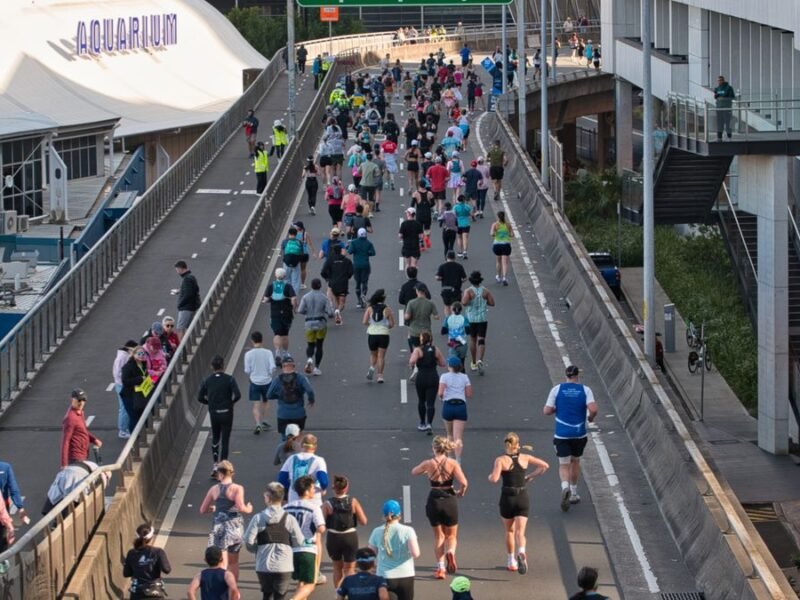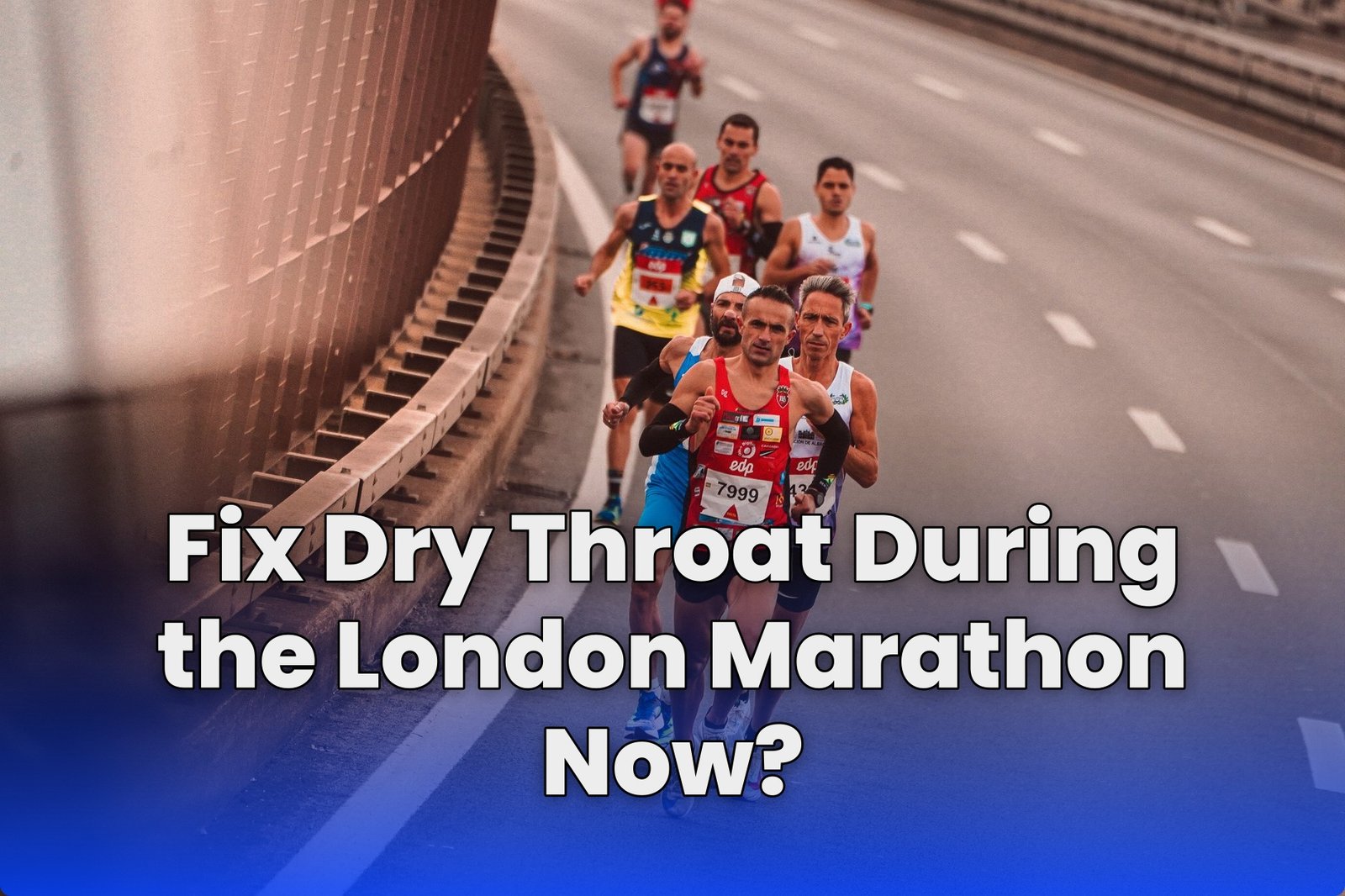
Dry throat in the middle of the London Marathon is a controllable problem, not a character-building punishment. The fastest fix is to stop the dryness loop: reduce moisture loss, then rebuild a bit of humidity in your airflow while you keep moving. If you wait until it feels unbearable, you will usually overcorrect and end up swallowing less than you should.
Hydrate smarter, not harder. Sip water consistently during the race instead of gulping, and pre-plan so you start with water close to your mouth rather than scrambling for a bottle when symptoms hit. When intensity allows, breathe mainly through your nose, since it helps regulate and humidify the air before it reaches your throat.
If you must mouth-breathe, control where the airflow lands. Keep your tongue positioned toward the roof of your mouth to reduce direct, dry air over sensitive tissue, and consider a quick soothing option like honey or a cough drop if you tolerate it and know it will not upset your stomach. If dryness comes with sharp pain, swelling, or trouble swallowing, treat it as a red flag and get medical help immediately.
Dry Throat During The London Marathon Is Avoidable
When your throat feels dry during the London Marathon, you are dealing with a predictable chain: fast airflow, cold or wind, and moisture loss. This is not a character test. It is a logistics problem you can solve with better intake, better breathing, and better face protection.
Your goal is stable hydration of the airway surface, not a heroic last-minute scramble. If you treat dryness as inevitable, you will wait too long, and by then your throat is already irritated and slower to recover.
Start Humid, Not Behind
Dryness on race day starts earlier than mile one. If you begin already dehydrated, the marathon simply accelerates the decline. Pre-plan so you start with water in your mouth and a steady fluid status, especially in cool or breezy conditions.
Ask yourself a simple question: will you still be trying to “catch up” at the same time your pace ramps up? Better to show up ready than to negotiate with your throat halfway through.
Sip with a Schedule, Not a Guess
Thirst is often a lagging signal. By the time you notice dryness, you have already lost moisture. The fix is consistency: take small sips during the race rather than gulping at the first sign of trouble.
If your plan is “drink when it feels bad,” you are planning to be late. Hydration works best when it is boring. Make it routine: steady sipping, quick swallowing, and no dramatic swings.
Breathe Through Your Nose When You Can
Nose-first breathing helps humidify and regulate the airflow before it reaches your throat. That matters when cold air and wind are stripping moisture from your airway surface. It can also reduce side-stitch risk for some runners because your breathing pattern is more controlled.
Nose-first breathing, as airway humidity guidance describes, lets air warm up and carry less abrasive dryness toward your mouth and throat.
When You Must Mouth-Breathe Use a Throat Shield
Yes, intensity can push you into mouth breathing. Do not panic. You can still reduce direct airflow over the throat’s mucous membranes by changing tongue position. Keep your tongue positioned against the roof of your mouth to lessen the harsh, straight jet of air across irritated tissue.
Opposing view says the only answer is to slow down. Sometimes you should slow down, but you can also adjust mechanics first. Your throat is a tissue system, and small changes in airflow can preserve moisture even when your pace demands a mouth-open breath.
Protect Your Face From Wind and Cold
If London weather is dry and windy, treat your face like part of your hydration plan. Use a breathable gaiter or buff loosely over the mouth and nose to trap some moisture and warm the air you inhale. Looser is better for comfort and breathing efficiency.

A full ski mask can get wet and overheat inhaled air, which can backfire. The best option is breathable protection that you can sustain without turning your workout into a steam room.
Address Irritation, Not Just Dryness
Dry throat can be pure moisture loss, but it can also come from irritated sinuses or postnasal drip. If you suspect irritation upstream, saline gargles or saline spray can help by soothing tissues and encouraging drainage that reaches the throat instead of constantly “baking” it.
This is where runners often miss the point. They focus on drinking more water during the race, yet the throat problem is driven by what your nose and sinuses are doing. Fix the upstream source and the downstream symptom calms faster.
Train Your Hydration Routine Before Race Day
Race day is not the time to test a new hydration trick. Your stomach, your rhythm, and your breathing pattern need rehearsal. Practice taking small sips on your long runs until it feels automatic and does not disrupt your pace or cadence.
Remote test, real consequences is what happens when you wing hydration and then blame the throat. If your mouth is dry on training days, it will be drier on race day when the environment and effort intensify.
Measure and Adjust at Checkpoints
You do not need fancy devices to manage what to do when your throat feels dry during the London Marathon. You need a consistent decision rule at checkpoints: sip, rehydrate, adjust breathing, or switch to face coverage. Track what works and respond early, before the irritation locks in.
| Checkpoint Action | Timing Detail | Expected Effect |
|---|---|---|
| Small water sips | 2 to 3 sips | Stabilizes throat moisture |
| Breathing shift to nose | During low-to-mid effort | Humidifies incoming air |
| Buff or gaiter adjustment | Before wind-heavy sections | Reduces direct airflow dryness |
| Saline spray use if planned | Pre-race or early race | Soothes irritated upper airway |
| Chew gum if needed | Short bursts | Stimulates saliva |
If you only act when you are already miserable, you will chase symptoms instead of preventing them. Decide early, execute calmly, and keep your throat in “workable” condition instead of “burning” condition.
Don’t Ignore Dryness Signals
Dryness is not just uncomfortable. When the throat surface gets irritated, you lose the smoothness of swallowing and speaking, and you increase the chance of coughing or a painful burn that lingers after the race. What starts as mild dryness can become a recovery tax.
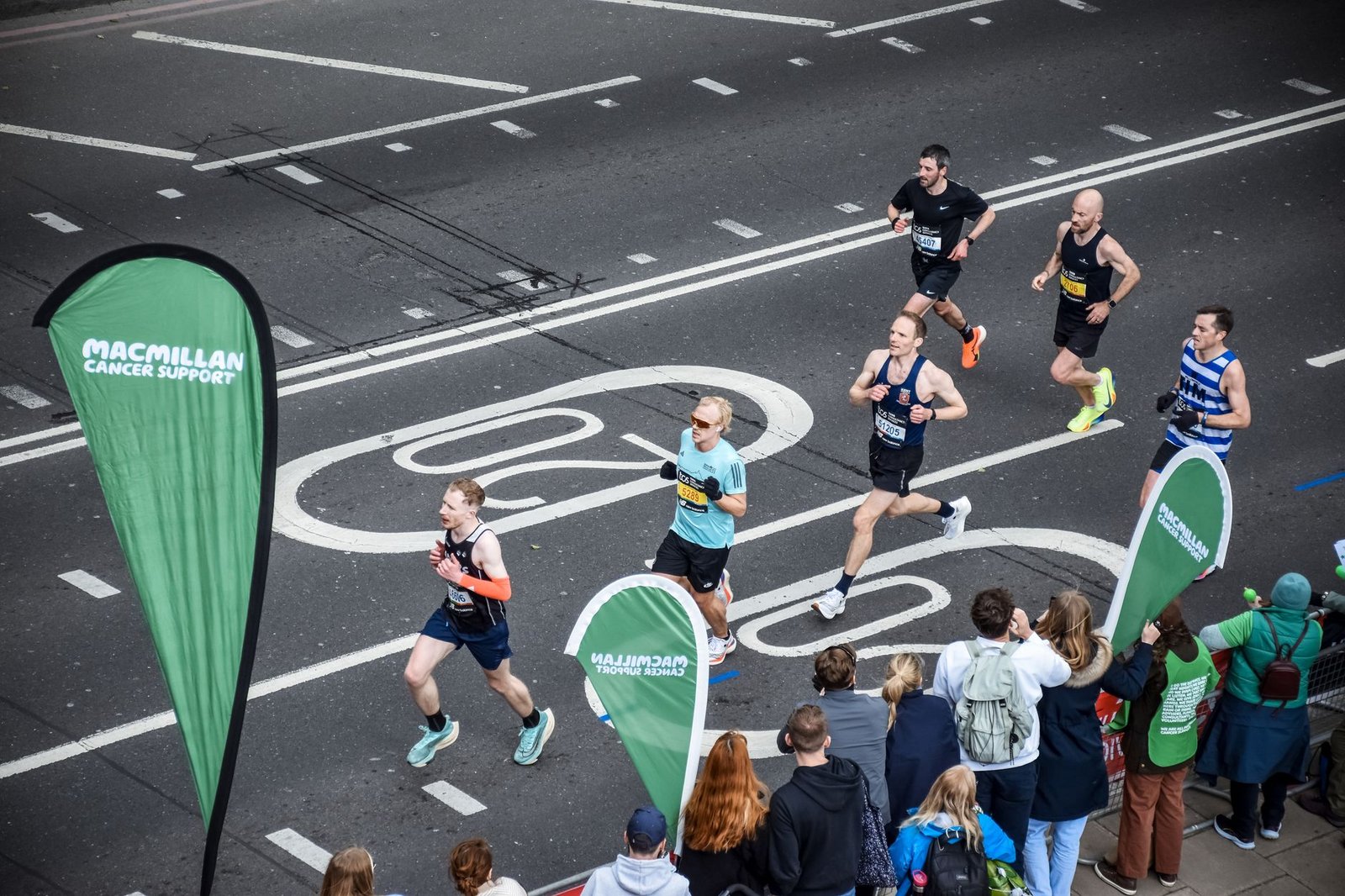
Some runners insist they will “run it off.” If that were true, every marathon would end with the same throat sensation for everyone. It does not. Listen early, adjust quickly, and protect the tissues that carry your next breath.
Use Quick Soothers for Short Windows
Honey or a cough drop can soothe the throat briefly, especially around warming up or after you settle into early pacing. Gum can stimulate saliva, which helps restore comfort during stretches when fluids alone are not enough.
But do not treat these as miracles. They are temporary tools that buy time while your hydration, airflow control, and face protection do the real work. If you use them, use them intentionally, and keep your hydration plan intact.
After the Finish Rehydrate and Restore
Race-day throat care continues after the last step. Drink fluids steadily rather than waiting until you feel “done.” The tissues are still recovering from airflow stress, effort, and moisture loss.
Your win is not just finishing. Your real goal is waking up tomorrow with a throat that does not feel sandpapered. If you do the smart steps during the race, your post-race recovery becomes easier and faster.
What Should You Do When Your Throat Feels Dry During the London Marathon?
How Can You Hydrate to Reduce Dry Throat During the London Marathon?
Take small, frequent sips before and during the race so your mouth stays moist, and avoid gulping large amounts at once.
Should You Breathe Through Your Nose or Your Mouth When Your Throat Feels Dry?
When you can, breathe through your nose first to add moisture to incoming air, and if you need to mouth-breathe at higher intensity, keep your tongue near the roof of your mouth to reduce direct airflow over your throat.
How Do Warm-Up Throat Soothers Like Honey or Cough Drops Help During the London Marathon?
Some runners use honey or a cough drop for short-term throat comfort before or after warming up, but practice with what you choose so you know it feels safe for your stomach during effort.
What Clothing or Face Coverage Helps Keep Airway Moisture During Cold or Windy Miles?
Use a breathable gaiter or buff over the mouth and nose in cold or windy conditions to trap moisture in the air you breathe, and avoid a fully sealed ski mask that can get wet or overheat.
Can Gum or Saliva Stimulation Help When Your Throat Feels Dry Mid-Race?
Chewing gum can increase saliva, which may make throat dryness feel more manageable during the run if it agrees with you.
When Dryness Comes From Irritated Sinuses, How Can Saline Gargles or Spray Help?
If the dryness also feels linked to sinus irritation, try saline gargling or saline spray so the solution can reach the throat, then focus on steady hydration during the race.
Know What To Do When Dry Throat Hits
If you want to stop throat dryness fast during the London Marathon, follow what to do when your throat feels dry during the london marathon by sipping water in small, steady amounts, breathing through your nose when you can, and using a light breathable gaiter to keep inhaled air humid. If it is still scratchy, a quick preplanned soothing option like honey or a cough drop around race timing can help, and saline gargles or spray can calm irritated passages. Stay ahead with hydration and airflow control, or that dry throat will cost you more than your pace.

I am Ozan, a London-focused running writer and marathon enthusiast with a passion for helping people discover the city’s best races, running routes, walking trails, and fitness events. I research and write practical, up-to-date guides covering marathons, race preparation, training tips, running gear, and everything related to staying active in London.
My goal is to create reliable, easy-to-follow content that helps runners and walkers of all experience levels explore London with confidence, whether they’re preparing for their first 5K or their next marathon.