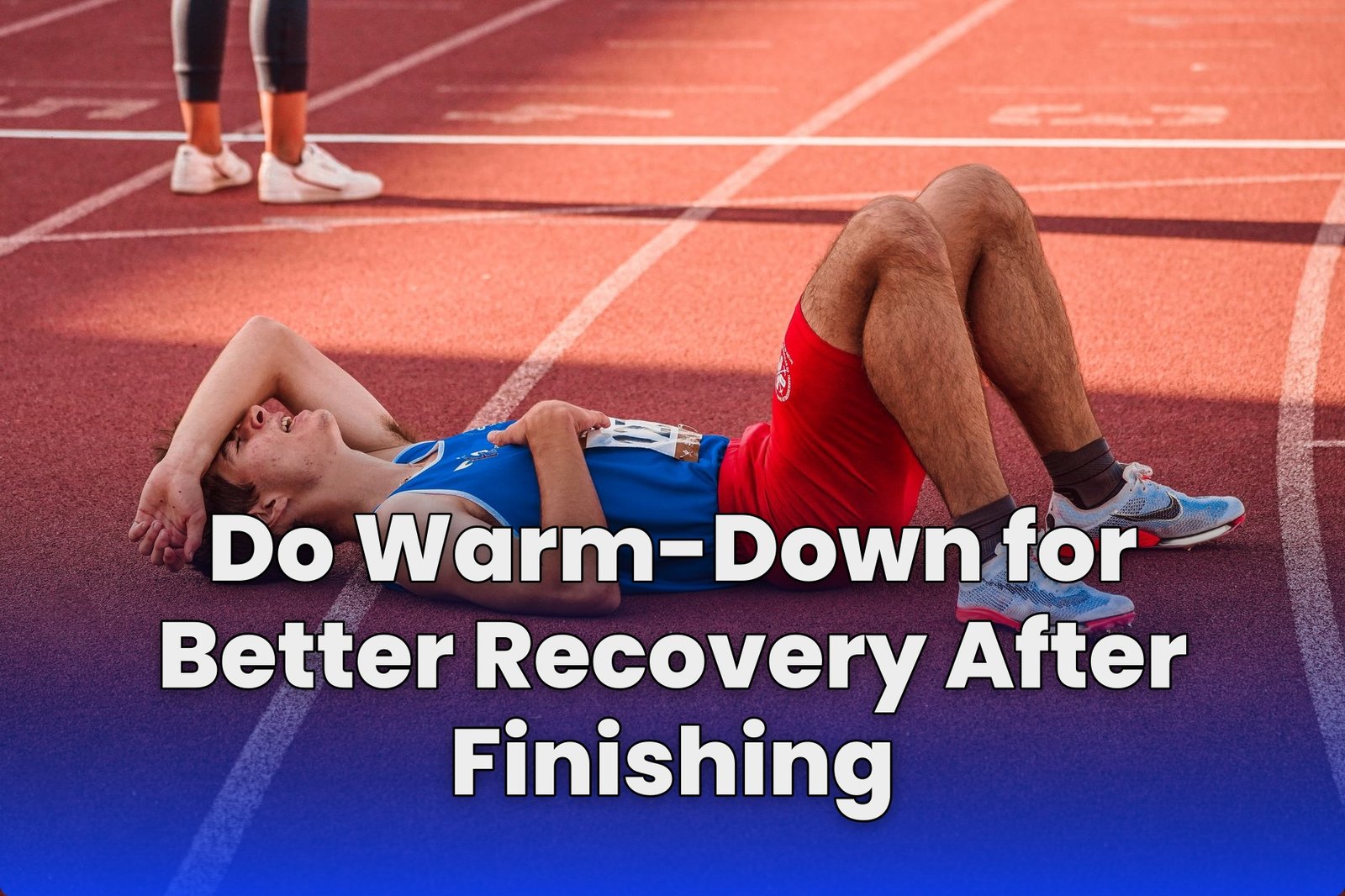
The worst thing you can do after a race is stop cold. You just pushed your heart rate and muscles into high gear, and then you slam the brakes with no transition. That sudden stop can leave you dizzy, crampy, and stiff, because your circulation and breathing have not had a chance to calm down. A proper warm-down turns the finish line into a controlled cooldown, which makes recovery more likely to go smoothly.
The simplest warm-down is also the one most people skip: keep moving gently. Start with a 10 to 30 minute easy walk so your heart rate can come down gradually and your blood flow can keep moving. Then get out of sweaty gear fast, put on dry and warm layers, and consider a foil blanket if you cool down quickly. Rehydrate right away with water plus electrolytes, and use your urine color as a quick check that you are catching up.
Next, feed and protect your body. Aim to eat a recovery mix of easy-to-digest carbohydrates and protein within about 30 to 60 minutes after the race, using liquid options if it is hot or soup if it is cold. For the first day, keep stretching light only if it feels good, skip hot tubs early on, and use low-impact movement like walking to stay loose. If swelling shows up, elevate your legs and prioritize sleep, because the real work of recovery happens after you leave the event.
The Finish Line Is Not Recovery
There is a lazy assumption baked into every race day: you suffer, you cross, you collapse, you recover later. That is why a race-day warm-down for better recovery: do this after the finish line works. The moment you stop abruptly, your body loses the gentle transition it needs to keep recovery moving in the right direction.
Recovery is not a switch. It is a process. You can either manage the first minutes or you can surrender them, and those minutes shape how you feel tomorrow, not next month.
What happens when you go from full effort to sitting on the pavement? Blood pools, breathing spikes, and your system takes longer to reset. You still recover, but you pay extra time for it.
Walk First. Then Decide What Comes Next
The warm-down is not complicated, and that is the point. Start with 10 to 30 minutes of easy movement. An effortless walk is enough to gradually lower heart rate, restore circulation, and reduce that heavy, hollow feeling right after the finish.
This is the first step many runners skip because they are exhausted, yet exhaustion is exactly why the body needs a soft landing. Push through the last stage of your race by easing off, not by stopping hard.
Then you can handle the rest, fast and clean. Dry gear. Warm layers. Supportive footwear. One sensible sequence beats a dramatic one.
Lower Heart Rate Gently To Reduce the After-Effects
After a hard effort, your cardiovascular system stays activated. If you quit suddenly, your recovery slows and you feel it as pounding legs, chills, or a racing mind. Gentle movement helps you keep oxygen delivery and circulation steady while your heart rate comes down.
Yes, lactate is part of the story, but the bigger issue is how quickly the body returns to normal operating conditions. Think of the warm-down as the bridge between “race mode” and “repair mode.”
Do you really want your cool-down to be your first act of recovery, or do you want it to be your last act of damage?
Hydrate Immediately Or You Lose Time You Cannot Buy Back
Rehydration begins right after the finish. You cannot wait for a shower, a ride, or a conversation. Aim for roughly 16 to 20 ounces per pound of body weight lost, and use urine color as a practical check as you recover.
This matters because dehydration amplifies soreness and slows the normal flow of nutrients to recovering muscle. Fluids and electrolytes are not a luxury after a long day on your feet. They are part of how the system restarts.
Hydrate in parallel with getting dry and warm, so your body does not spend the first hour repairing in a depleted state.
Fuel Within 30 To 60 Minutes To Start Repair on Schedule
Eat within 30 to 60 minutes after you finish. Your goal is an easy-to-digest recovery mix of carbohydrates plus protein. You are aiming for about 200 to 300 calories total, enough to begin restoration without sitting on a heavy stomach.
Liquid options can be a lifesaver in hot weather. Soup can be the smart move in cold conditions. The warm-down is recovery logistics, not a food test.
If you waited until later, what exactly were you hoping to fix? Waiting is how you turn a planned recovery window into a missed one.
Cool Recovery Can Help, But Heat Can Backfire
Many people treat cold and heat as interchangeable comfort tools. They are not, especially in the early period. Cool recovery can reduce discomfort and support your reset, while early heat can increase blood flow demands when you want calm.
You can consider a cold or cool option such as a 5 to 10 minute cold shower or ice bath, plus compression boots or socks if you have access. Athletes can rely on proper post-race recovery guidance to avoid common mistakes, like overdoing it or skipping the basics.
Also, avoid hot tubs early. You want recovery to feel steady, not inflamed.
Elevate Legs To Cut Swelling and Speed Up Comfort
Warm-down is not only about moving. It is also about handling swelling. Elevate your legs for 15 to 25 minutes several times during the first day to reduce puffiness and help your body shift fluid where it belongs.
This is quiet work, but it pays off. Many runners chase adrenaline relief when the real win is less pressure in the calves and less heaviness when you stand back up.
Pair elevation with staying warm and dry so your circulation stabilizes instead of cycling between stress and relief.
Stretch Softly Only If It Feels Right
Static stretching has a place, but keep it honest. For the first day, do it only if you feel comfortable. That means gentle range, controlled breathing, and no heroic “fight through it” routines.
What are you trying to prove when your muscles are already irritated and fatigued? A recovery-friendly stretch is modest and supportive, not a wrestling match with your own legs.
If stretching hurts, skip it. Your warm-down success is about better recovery, not more stretching.
Two To Three Days After Still Needs Discipline
After a long race, the temptation is to either do nothing or go back to normal training immediately. The better move is low-impact activity for 2 to 3 days. Light walking, pool or aqua therapy, cycling, or gentle yoga keep blood moving without re-injuring tired tissue.
Avoid high-impact efforts and running until soreness settles. Soreness is information. Treat it like a signal, not a challenge coin.
Keep eating protein and quality carbs. Recovery is built by repetition of good choices, not by one perfect day.
Use a Checklist So Recovery Happens When You Are Tired
Motivation collapses after the finish line. Systems do not. If you want better recovery, you need a simple checklist you can run even while you are spent.
Here is a practical structure you can repeat every race, because consistency beats cleverness.
| Warm-Down Step | Target Timing | Measurable Goal |
|---|---|---|
| Easy walk | 10 to 30 min | Breathing settles gradually |
| Rehydrate | Right away | 16 to 20 oz per lb lost |
| Recovery food | 30 to 60 min | 200 to 300 total calories |
| Cool option | First few hours | 5 to 10 min cold |
| Leg elevation | First day | 15 to 25 min per session |
When your plan is measurable, you stop negotiating with your fatigue. You also stop guessing. That is how race-day warm-down for better recovery becomes a habit instead of a hope.
The Tough-Athlete Myth Costs You Recovery
Some runners treat skipping the warm-down as proof of grit. The argument sounds noble: “I earned it, so I can stop harshly.” But toughness that ignores physiology is not strength. It is waste.
Would you stop taking care of a bruise the moment it appears? After a race, your muscles are bruised in a different way. You manage them with a transition, hydration, and timed fuel. That is what smart toughness looks like.
There is a counterpoint: some athletes feel fine without warm-down. Maybe. But “feeling fine” is not the same as “recovering optimally,” and tomorrow’s soreness often reveals what today hid.
Gradual Return Means Weeks of Repair Stay Intact
Full recovery after a long race can take days to weeks. That timeline is not a scare tactic. It is the body’s reality once training stress has accumulated and microdamage needs repair.
Your job is to stay lightly active and gradually return to training. Light walking and low-impact movement help the transition. Then you build back deliberately, so you do not stack fatigue on fatigue and turn soreness into injury risk.
If you do the warm-down right after the finish line, recovery does not feel like an aftermath. It feels like the beginning of your next training block.
Race-Day Warm-Down for Better Recovery: What Should You Do After the Finish Line?
How Should You Do a Race-Day Warm-Down After the Finish Line to Improve Recovery?
Keep moving gently for 10 to 30 minutes with an easy walk to gradually lower your heart rate and support circulation as you cool down.
When Should You Rehydrate After You Cross the Finish Line for Better Recovery?
Rehydrate right away with fluids and electrolytes, then use urine color to check hydration while you replace what you lost during the race.
What Should You Eat After the Finish Line for Better Recovery Within 30 to 60 Minutes?
Eat an easy-to-digest recovery mix of carbohydrates and protein within 30 to 60 minutes, and keep the total around 200 to 300 calories if you can.
Should You Change Clothes Right Away After the Finish Line for Race-Day Warm-Down Recovery?
Get out of sweaty gear as soon as possible and move into dry, warm layers, and use a foil blanket if you cool down quickly.
Is Static Stretching, Cold Water, or Leg Elevation Helpful After a Finish Line?
If you feel comfortable, do light static stretching on the first day, and consider cold or cool recovery for 5 to 10 minutes plus leg elevation for 15 to 25 minutes to reduce swelling.
How Should You Handle the First Two to Three Days After the Finish Line for Better Recovery?
Keep activity low-impact with light walking, cycling, pool or aqua work, or gentle yoga, and return to running only after soreness settles while you continue steady protein and quality carbs.
Own Your After Finish Recovery
Race-day warm-down for better recovery: do this after the finish line starts with one simple choice keep moving gently for 10 to 30 minutes, then get dry, rehydrate, and eat an easy recovery mix within the first hour. Your body cools down, circulation returns, and the next session becomes realistic when you treat the minutes after the finish as part of the workout, not an afterthought.

I am Ozan, a London-focused running writer and marathon enthusiast with a passion for helping people discover the city’s best races, running routes, walking trails, and fitness events. I research and write practical, up-to-date guides covering marathons, race preparation, training tips, running gear, and everything related to staying active in London.
My goal is to create reliable, easy-to-follow content that helps runners and walkers of all experience levels explore London with confidence, whether they’re preparing for their first 5K or their next marathon.