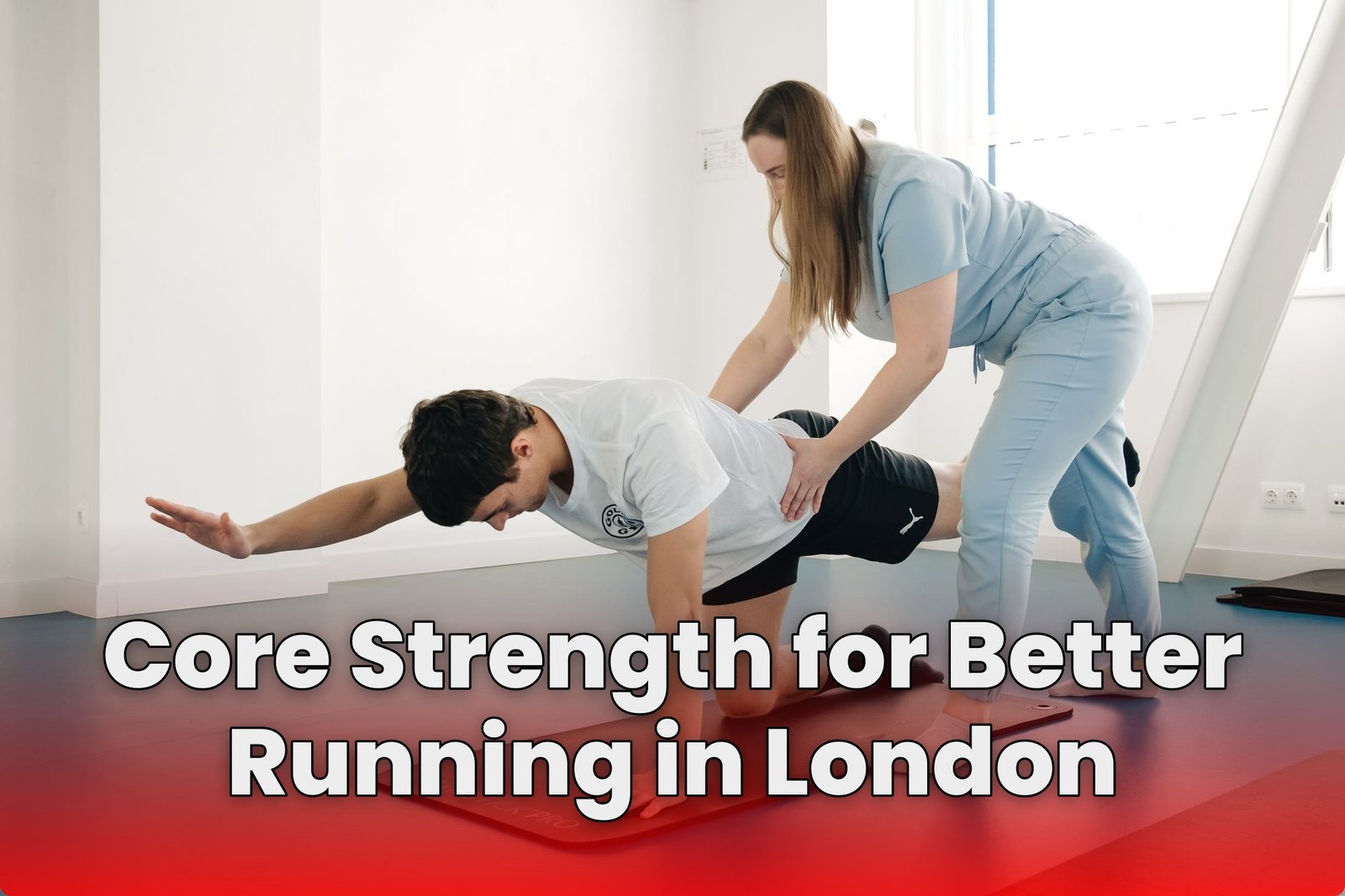
Strengthening your core for better running mechanics in London is not a fitness trend, it is the simplest upgrade that can change how efficiently you move. Most runners blame fatigue, traffic, or “bad legs,” but the real limiter is often stability, not stamina. When your pelvis and torso can wobble, your stride leaks energy long before you feel fully spent.
Here is the uncomfortable truth: “strong abs” is not the same thing as a core that protects your posture. For better mechanics, you need functional strength that resists unwanted rotation and excessive low-back extension while your hips do the work. That means targeting the transverse abdominis and obliques, pairing them with hip stabilizers and glutes, and training your back to support a neutral spine.
If you want results you can feel on later miles through London, train a short routine, not a complicated program. A 5 to 10 minute session, 3 to 4 times per week, built around anti-rotation and anti-extension patterns can make your form hold together when you get tired. Think plank variations with control, Pallof-type holds to fight twisting, dead-bug style anti-extension reps, side planks for pelvic stability, and glute bridges to improve force transfer.
Stop Chasing Six-Pack Abs
Strengthening your core for better running mechanics in London starts with an uncomfortable truth. Most runners train for a look, not for stability. Crunches and endless sit-ups can feel hard, but they rarely teach the anti-rotation control that keeps your stride efficient when your legs fatigue.
If your training only tightens your abs during a flex, why would it reliably stop unwanted torso rotation and lumbar extension at mile seven? Running is not a camera-ready movement. It is a force-management problem that demands functional core strength and pelvic stability.
Abs Are Not the Core
Your “core” includes the deep transverse abdominis, the obliques, hip stabilizers, glutes, and the back musculature working as a single unit. A strong rectus abdominis is nice, but it is not the system that resists twisting, controls the pelvis, and supports upright posture.
The real goal is not flexing harder. It is resisting the forces that make your form drift. When the trunk rotates or the spine overextends, each step wastes energy in the wrong direction. That is why runners feel “tight” but still run inefficiently.
Pelvic Stability Is the Hidden Mile-Builder
Many runners unknowingly run with a pelvis that tips forward and back under fatigue. That instability changes hip mechanics, alters stride mechanics, and can nudge the lower back into extension. Strengthening the muscles that keep the pelvis steady lets the hips do their job and keeps the spine from compensating.
Think in terms of alignment: neutral spine, stable pelvis, and controlled trunk position. When your pelvis stays quiet, your legs can generate force without the whole system “wobbling” in response.
Anti-Rotation Beats Random Twisting
If you want better running mechanics, train the skill of resisting unwanted rotation. Anti-rotation work teaches your trunk to stay organised when your arms swing, your foot strikes, and your body is loaded asymmetrically on the road.
That is why Pallof-type patterns matter. They turn “brace” into a measurable skill: resist the pull, hold the trunk, and control the end range. Do you really want to rely on luck to keep your torso from twisting when fatigue hits?
Anti-Extension Protects the Lower Back
Dead-bug-style anti-extension is not glamorous, but it is effective. The lower back stays pressed down, and the trunk has to resist the urge to arch as limbs move. That directly supports running posture, especially when your stride shortens and form starts to collapse.
Quality wins here. Controlled lowering, a neutral spine, and smooth reps build endurance that transfers. When your core can resist extension under motion, your posture is less likely to betray you mid-run.
Build a Simple Core Circuit That Transfers to Running
A short routine is not a compromise. It is a strategy. About 5–10 minutes per session, 3–4 times per week, works because it teaches your body to repeat the same stability skill often enough to matter.
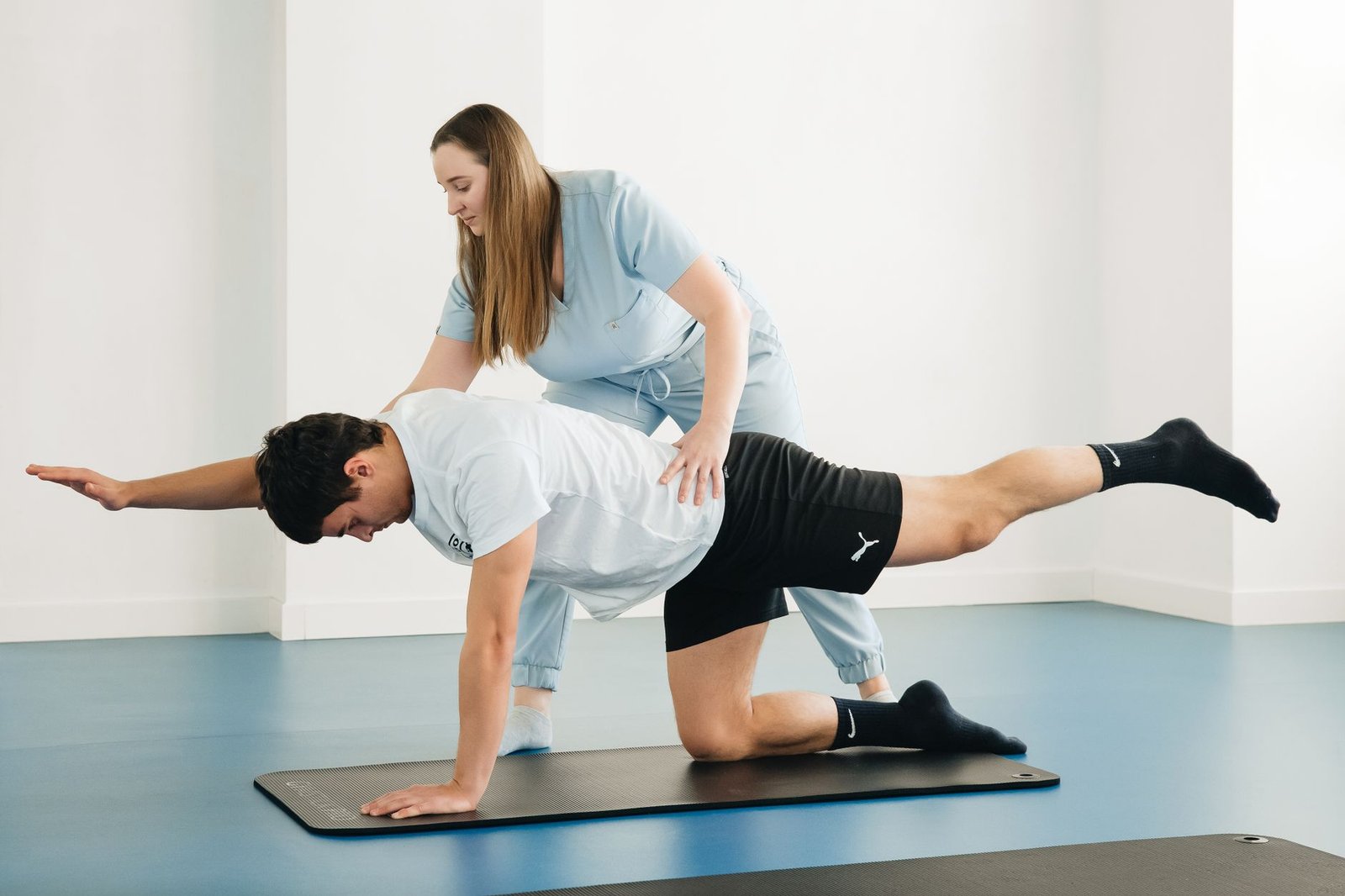
| Drill | Resist Pattern | Target Volume |
|---|---|---|
| Plank Variations | Anti-extension | 20–30 sec hold |
| Pallof-Type Press | Anti-rotation | 10–12 reps/side |
| Dead Bug | Anti-extension | 8 reps/side |
| Copenhagen Side Plank | Oblique and hip stability | ~30 sec/side |
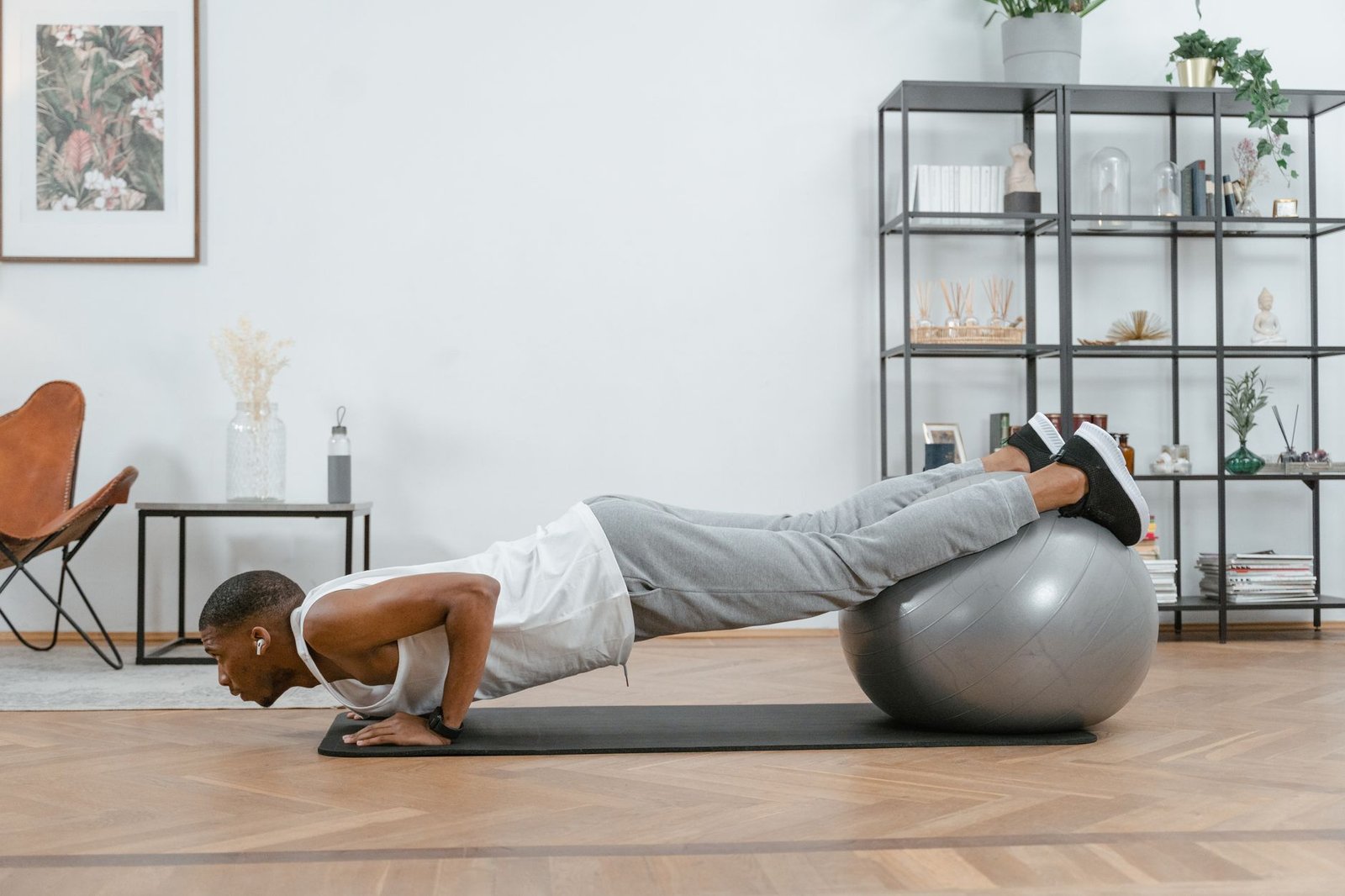
| Renegade Row | Anti-rotation under load | 8 reps/side |
Run it like a circuit, keep transitions smooth, and aim to work hard with controlled fatigue. Training “to fatigue” is not chaos. It means you stop when form degrades, not when the timer ends.
Glutes Must Share the Load
Core stability is useless if your hips cannot produce power. Glute strength drives efficient propulsion, and stable hips reduce the torso’s need to compensate. That is why glute-bridge progressions belong in a running-focused core plan.
Do 10–15 reps, then progress with a dumbbell when you can keep the pelvis steady. Strong glutes reduce the strain that forces your trunk to overwork, so you get better mechanics without turning every run into a brace-fest.
Upper-Body Bracing Shapes Your Stride
Runners often focus on legs and forget that the trunk has to coordinate arm swing with stability. Renegade rows, for example, connect upper-body effort to hip control. That keeps your trunk from compensating when your arms move and your body rotates slightly with each step.
If you need a few concrete substitutions, running form drills can help match your off-road work to what you actually feel on the road.
Train Quality, Not Rigid Set Counts
Rigid set-and-rep targets can miss the point. The most useful metric is whether you can repeat the same stability under fatigue. If your shoulders tip, your pelvis drifts, or your spine arches, you are training compensation, not control.
So what should you watch? Stacked shoulders over wrists in planks, neutral spine with the lower back pressed down in dead bugs, and controlled lowering during every rep. Slow, deliberate movement builds core endurance that carries through later miles.
Make Your Bracing Specific to Running
Core training fails when it is too generic. Running mechanics demand anti-rotation, anti-extension, and hip stability patterns that mirror real loading during foot strike, stance, and fatigue. That is why knee-to-chest drills, side plank reach-throughs, leg-scissor variations, and mountain climbers can be valuable as core endurance builders.
These movements help you keep an upright posture during exertion, not just during calm, static holds. If your core only performs when you are fresh, you have trained strength, not running durability.
Consistency Beats One Tough Week
A better approach is simple: 3–4 sessions per week for 5–10 minutes each. That frequency reinforces the stability pattern while your overall training load stays manageable. One brutal session followed by days off does not build the endurance needed to maintain mechanics under fatigue.
Do it before runs or on recovery days when you can control tempo. The goal is repeated quality, not soreness that steals your stride.
London Makes the Case for Smart Core Work
In London, runners face schedule pressure, changing routes, crowded sidewalks, and uneven pacing. You do not always get the ideal training window for perfect form sessions. A short core routine offers a reliable way to defend mechanics even when the run itself gets messy.
When you cannot control the environment, you must control what you can: pelvic stability, anti-rotation control, and back-friendly posture under load. That is why strengthening your core for better running mechanics in London should be a non-negotiable part of your training, not an optional “when I have time” add-on.
Track Progress by Mechanics, Not Vibes
Do not measure success by whether your core feels sore. Measure it by how your running changes. Can you keep your torso quiet when your pace slips? Do you feel less lower-back strain as the run stretches on? Is your stride more stable when you lean into hills or uneven pavement?
Progress is the ability to repeat posture and alignment late in the run. When your core resists rotation and extension while your hips stay organised, the mechanics follow. That is the standard your routine should earn week after week.
Strengthening Your Core for Better Running Mechanics in London Improves Posture, Stability, and Efficiency
How does strengthening your core improve running mechanics in London?
Strengthening your core improves posture and stability by helping your pelvis stay level and limiting unwanted torso rotation or lumbar extension, so your stride stays efficient as fatigue builds on later miles.
Which functional core muscles should you target for better running mechanics?
Focus on the deep transverse abdominis plus the obliques, then add hip stabilizers and glutes and coordinated back control so your trunk can resist rotation and extension rather than only flexing the abs.
What is a simple 5–10 minute core routine for better running mechanics in London?
Use a short circuit 3–4 times per week that blends planks, Pallof-type anti-rotation, dead-bug-style anti-extension, a side-plank variation for hip stabilization, and a hip bridge progression to improve core endurance and power transfer.
How do anti-rotation and anti-extension exercises support better running posture?
Anti-rotation work like Pallof-style holds trains your trunk to resist twisting, while anti-extension drills like dead-bugs reinforce control of the lower back, helping you maintain an upright stance and stable alignment while you run.
What form cues should you use while strengthening your core for better running mechanics?
Keep shoulders stacked over wrists in planks, maintain a neutral spine with the lower back gently pressed down in dead-bugs, and move with slow, controlled tempo so your hips and pelvis stay stable throughout each rep.
How often should you train your core for improved running efficiency in London?
Train your functional core about 3–4 times per week using quality-focused sets, stopping while form stays clean, and aim for moderate fatigue so you build endurance without compromising mechanics or recovery.
Stop Chasing Abs and Build Mechanics
Strengthening your core for better running mechanics in london means training the deep, stabilizing system that controls your pelvis and prevents unwanted torso rotation, not just tightening your midsection. If you keep your runs efficient by pairing anti-rotation and anti-extension drills with hip stabilizers and glute strength in a short 5 to 10 minute routine, your posture will hold longer and your form will feel smoother as the miles stack up.

I am Ozan, a London-focused running writer and marathon enthusiast with a passion for helping people discover the city’s best races, running routes, walking trails, and fitness events. I research and write practical, up-to-date guides covering marathons, race preparation, training tips, running gear, and everything related to staying active in London.
My goal is to create reliable, easy-to-follow content that helps runners and walkers of all experience levels explore London with confidence, whether they’re preparing for their first 5K or their next marathon.