

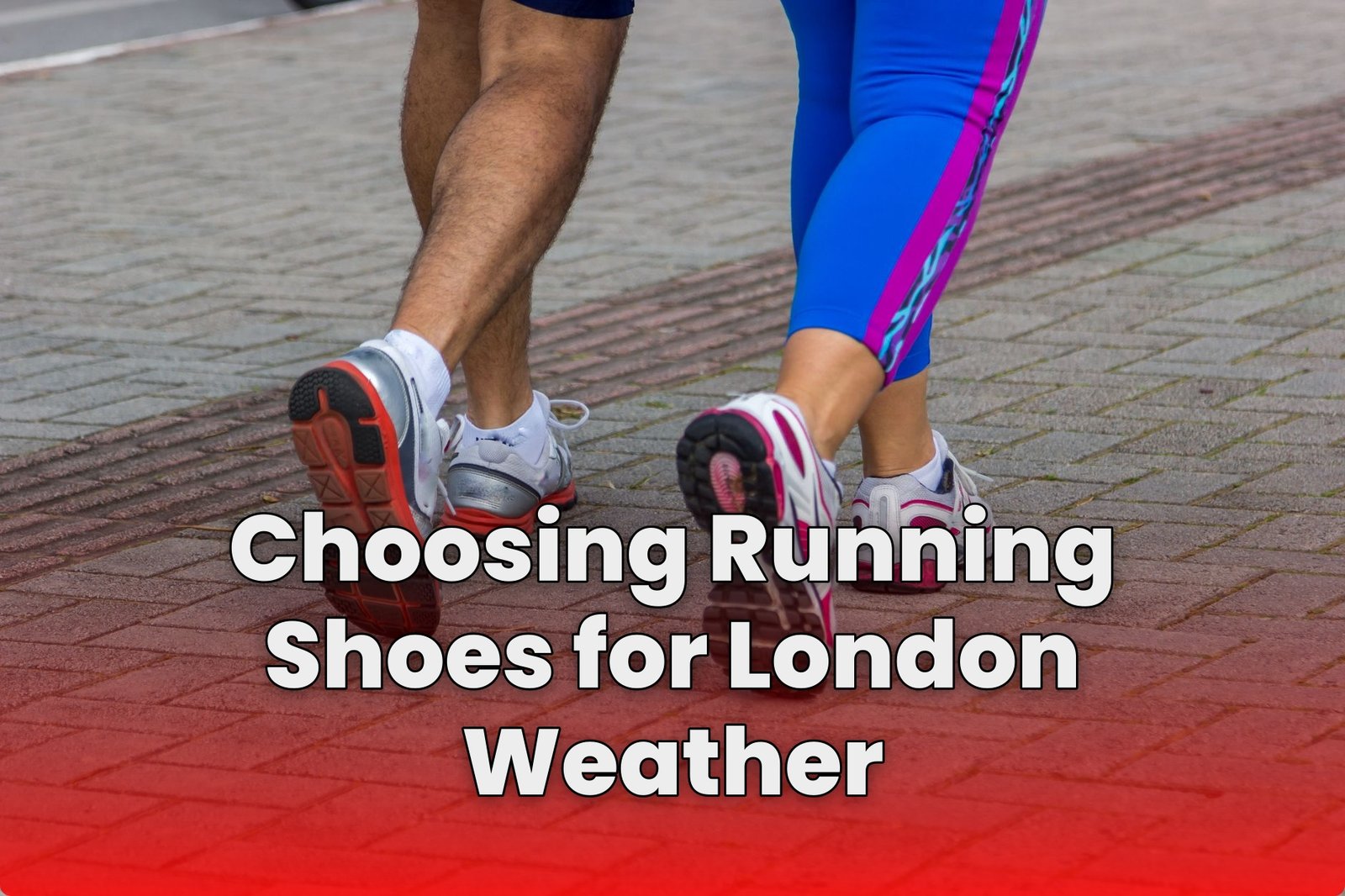
London pavement does not forgive the wrong pair of shoes. One week you are dealing with cold, wet sidewalks, and the next you are sprinting across slick station tiles and patched roads. If your shoes lack cushioning or grip, you will feel it in your legs first and your motivation second.
So the real answer to how to choose running shoes for London weather and pavement is simple: choose for roads, not fantasies. Look for road-running shoes built for hard, even surfaces, dependable midsole comfort that reduces shock without turning you into a passenger, and a secure, true fit that keeps your foot stable when the ground gets unpredictable.
Then make traction and weather protection your decision-makers. Prioritize a thicker, grippier outsole with textured tread for wet conditions, and consider water-resistant or waterproof uppers if London rain is a regular part of your routine. Get these right, and your runs stop feeling like survival and start feeling like progress.
London Weather Demands Grip, Not Hope
If you are asking how to choose running shoes for london weather and pavement, stop thinking like a brochure reader. Think like a commuter. London pavement is slick when it is wet, polished where crowds churn, and unpredictable where leaves and grit build up. Your shoe should treat traction as the first requirement, not an afterthought.
How many near-misses are you willing to ignore? When the surface turns glossy, even a premium shoe can fail if the outsole compound and tread design are tuned for dry roads. Start with grip, then add cushioning and fit around that foundation.
Choose Road Shoes First, Trail Shoes When It Turns Ugly
Road-running shoes make sense for most London routes: sidewalks, paved paths, and long stretches of predictable asphalt. They are built for smooth landings, efficient rolling, and firm-to-moderate support. That is exactly what the city offers most days.
But when rain dumps on the ground and puddles turn into shallow streams, trail shoes become the smarter safety choice. Not because you are “going off-road,” but because the tread pattern and outsole geometry handle uneven, wet, and contaminated surfaces better. Use trail shoes selectively when conditions change, not as a permanent identity.
- Choose road shoes for daily dry-to-wet runs on paved routes.
- Choose trail shoes for icy mornings, deep puddles, or muddy detours.
Cushioning Should Absorb Shock, Not Create Slop
London pavement has a habit of feeling both hard and uneven. The goal of cushioning is to reduce the sting on joints while keeping your foot stable. If the midsole feels mushy, you may “sink” into it on landings, which can increase fatigue and blur form over time.
Shock reduction does not require soft foam everywhere. Look for cushioning paired with a supportive midsole platform so the shoe absorbs impact without letting your foot drift. Your body needs comfort, not wobble.
Drop Ratings Should Match Your Landing, Not Your Ego
Heel-to-toe drop affects how your foot loads with each step. A higher drop can feel forgiving for heel strikers, while a lower drop often suits runners aiming for a midfoot or toe landing. The mistake is picking a drop because it looks trendy, then ignoring your actual technique.
As a practical guide, 0–4 mm often fits experienced runners chasing a more midfoot or toe landing, 5–9 mm works for many hobbyists, and 10–12 mm can help heel strikers or heavier runners. If your form does not match the drop, you are not buying performance. You are buying stress.
Fit Is a Safety Feature in Wet, Crowded Stations
In London, you face crowded platforms, tight doorways, wet floors, and frequent transitions between walking and running. A bad fit turns into heel slip, toe squeeze, or numbness. And when your foot is compromised, traction and cushioning cannot compensate.
Measure both feet, try both shoes, and shop when your feet swell. In the toe box, aim for roughly a thumbnail’s width with laces snug but not tight. If you have wider feet, do not force a narrow model. Go wide or foot-shaped rather than suffering through the run.
Water-Resistance Beats Sales Pitch Options
You do not need a shoe that is “waterproof” in marketing terms. You need the right balance between keeping water out and staying comfortable when you sweat. For typical London wet conditions, water-resistant uppers handle light rain and damp streets without trapping heat like a heavy membrane can.
When you routinely get soaked, consider a waterproof option with a waterproof and breathable liner. It is slower to dry, but it can protect your comfort and reduce the chance of blistering from wet socks. The best choice is the one that matches your route and your tolerance for warm, damp interiors.
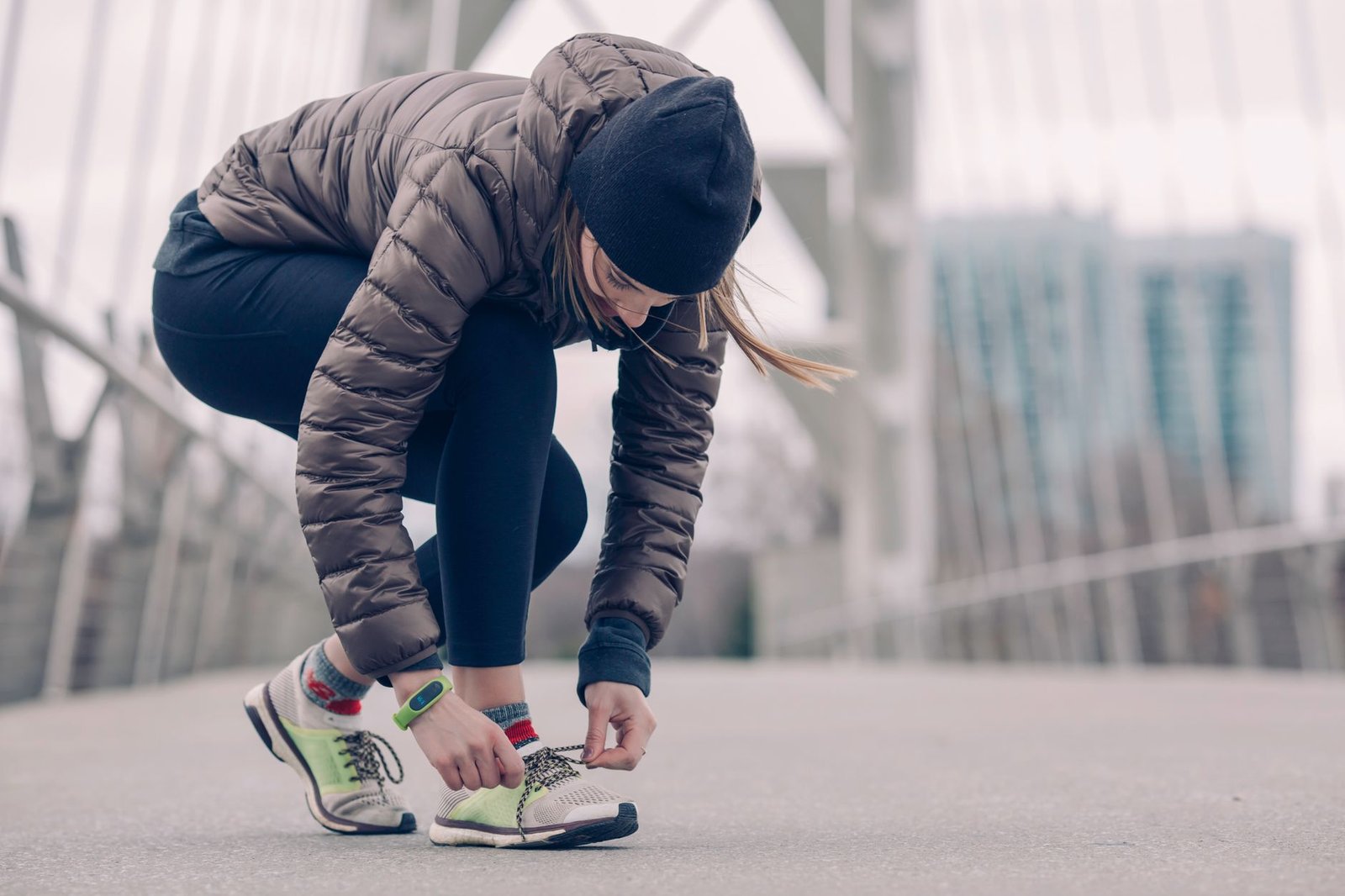
- Water-resistant for misty commutes and quick dries.
- Waterproof for deep puddles and frequent soaking.
Tread and Rubber Decide Whether You Slip
When London pavement gets wet, your outsole has one job: keep contact with the ground while routing water away. That means you should look for thicker rubber, a textured tread pattern, and a shape that maintains grip when the surface turns slick.
The temptation is to judge shoes by tread style alone. Better to match the spec to the surfaces you actually encounter.
| London Surface | Traction Spec | Practical Result |
|---|---|---|
| Tube Station Tiles | Thicker Rubber 4–5 mm | More grip on sheen |
| Rainy Pavement | Textured Tread Grooves | Less water slide |
| Wet Pedestrian Crossings | Flatter Cupsole Profile | More contact area |
| Mixed Cycle Paths | Moderate Lugs 3–4 mm | Stable rolling |
| Cold Puddled Streets | Full Coverage Sipe Pattern | Better traction in runoff |
Remember the key tradeoff. If the day’s conditions shift dramatically with fresh mud, slush, or snow, standard road models can become the wrong tool. In those moments, traction demands escalation, not optimism.
Weight and Flex Must Match Your Pace
Light shoes feel fast, but in wet London weather you also need control. Overly heavy uppers or overly rigid soles can increase strain, especially during stop-and-start runs between traffic lights and crossings. Meanwhile, ultra-light shoes can sacrifice durability and stability on abrasive pavement.
Seek a balanced ride where the shoe flexes where it should and holds firm where it must. If your feet feel tired sooner, the problem might not be fitness. It might be a shoe that is fighting your stride.
Stability Features Fix Mechanics, Not Just Symptoms
Overpronation, collapse of the arch, and poor alignment do not vanish because you bought a “support” label. Stability comes from how the shoe manages motion at the right points. Look for a midsole support level suited to your biomechanics and your comfort with how the shoe controls your stride.
Stability tools can include guidance rails, a medial post, or other structural elements, but the real proof is how your foot behaves in motion. If your knees wobble inward during runs, treat stability as a mechanical requirement, not a cosmetic choice.
Durability Planning Saves Money on London Roads
London roads are abrasive where grit accumulates, and wet seasons can accelerate wear on some outsole patterns and compounds. If you replace shoes only when they look “bad,” you may already be running on diminishing grip and reduced cushioning support.
Before you wait for the obvious, use shoe lifespan guidance to calibrate your replacement timing to real wear signals like flattened foam and tread loss. Your budget will thank you, and so will your joints.
Seasonal Rotation Prevents Wear-Induced Injuries
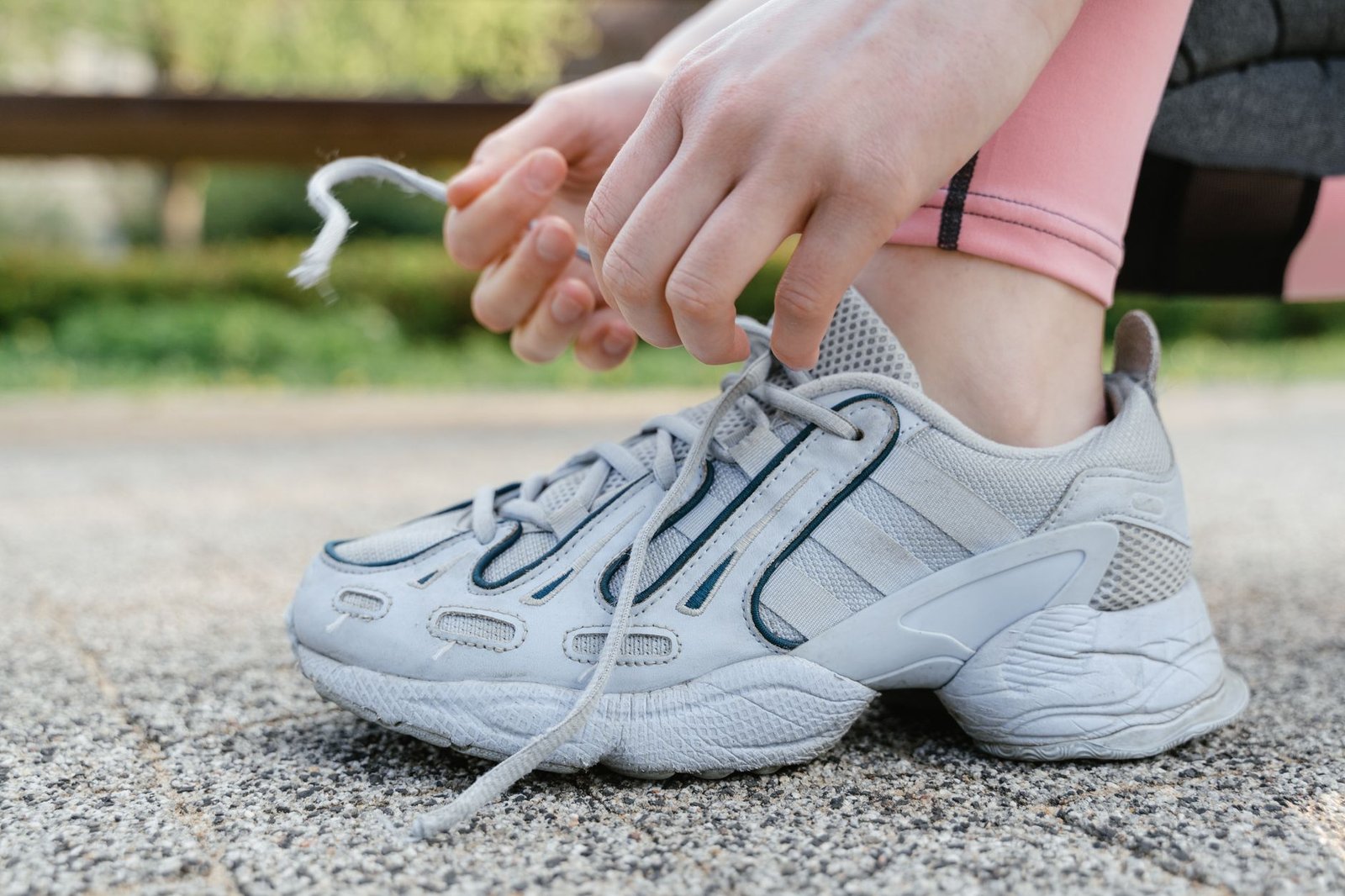
Wet weather is not the only factor. Freeze-thaw cycles, frequent commuting, and constant micro-damage from hard landings add up. A single pair that you run in every day will eventually lose both cushioning performance and traction reliability.
Rotate shoes when possible and adjust when the surface changes. In winter, consider a pair tuned for grip and another that focuses on comfort. Rotation is not luxury. It is risk management for runners who want consistent performance on unpredictable London pavement.
Test Like a Runner on Concrete, Then Buy
Trying on shoes indoors is not testing. Your feet need to feel the outsole on hard ground, experience natural slip, and confirm that the fit holds during movement. Walk, jog lightly, and pay attention to hotspots at heel and forefoot, especially when you tighten laces for wet conditions.
Then commit with your eyes open. If you cannot get a secure, true fit, you should not “break them in” and hope for the best. A shoe that pinches now will likely pinch during longer runs, when swelling and fatigue exaggerate every flaw.
How to Choose Running Shoes for London Weather and Pavement?
What shoe type is best for London weather and pavement, road-running or trail?
For most London running on sidewalks, paved roads, and cycle paths, choose road-running shoes with cushioning and a comfortable, efficient sole. If heavy rain, snow, or fresh mud changes the surface often, switch to trail shoes with more aggressive tread for safer grip.
How much cushioning and midsole support should you look for on wet pavement in London?
Pick cushioning that reduces shock while staying reasonably light, and match midsole support to your mechanics. If you overpronate or need stability, choose a stability option or supportive platform; if you prefer a neutral feel, go for a neutral build with adequate structure for hard pavement impacts.
What drop and fit matter most when choosing running shoes for UK pavement?
Choose a drop that matches your technique: many experienced runners prefer about 0–4 mm for a more midfoot/toe landing, most hobby runners land well around 5–9 mm, and heel strikers or heavier runners often do best with roughly 10–12 mm. For fit, measure both feet, try both shoes, shop when your feet are slightly swollen, and aim for a thumb’s width in the toe box with snug-but-not-tight lacing.
Which outsole traction features help on rainy London sidewalks and station tiles?
Prioritize grip for wet conditions by looking for a thicker rubber outsole and textured tread, and consider a flatter cupsole shape for better traction. If you frequently run near station tiles or slick pavements, these outsole traits can make slipping less likely.
Should you choose water-resistant or waterproof uppers for London rain and damp roads?
If you often get soaked, choose water-resistant or waterproof uppers. For balance between comfort and protection, a waterproof/breathable liner can help keep feet drier, especially when you’re dealing with persistent London drizzle.
How do you find the right size for running shoes on London pavement?
Get the sizing right by measuring both feet and trying on both shoes, because small differences are common. Shop later in the day when feet swell, confirm there is enough toe room (about a thumb’s width), and use lacing to secure the midfoot without causing pressure points; if needed, consider wide or foot-shaped options.
Choose Grip And Fit For London Streets
For how to choose running shoes for london weather and pavement, the winning formula is simple: pick road-running shoes with cushioning that protects on hard pavements, the right midsole support for your stride, and a secure true fit that stays comfortable as your feet swell. Then make traction your non negotiable by choosing thicker, grippier rubber and textured tread for wet tiles and rainy roads, and only switch to trail shoes when conditions turn muddy or slushy. Get those basics right and your miles will feel smoother, safer, and more consistent.

I am Ozan, a London-focused running writer and marathon enthusiast with a passion for helping people discover the city’s best races, running routes, walking trails, and fitness events. I research and write practical, up-to-date guides covering marathons, race preparation, training tips, running gear, and everything related to staying active in London.
My goal is to create reliable, easy-to-follow content that helps runners and walkers of all experience levels explore London with confidence, whether they’re preparing for their first 5K or their next marathon.





One thought on “Choosing Running Shoes for London Weather”