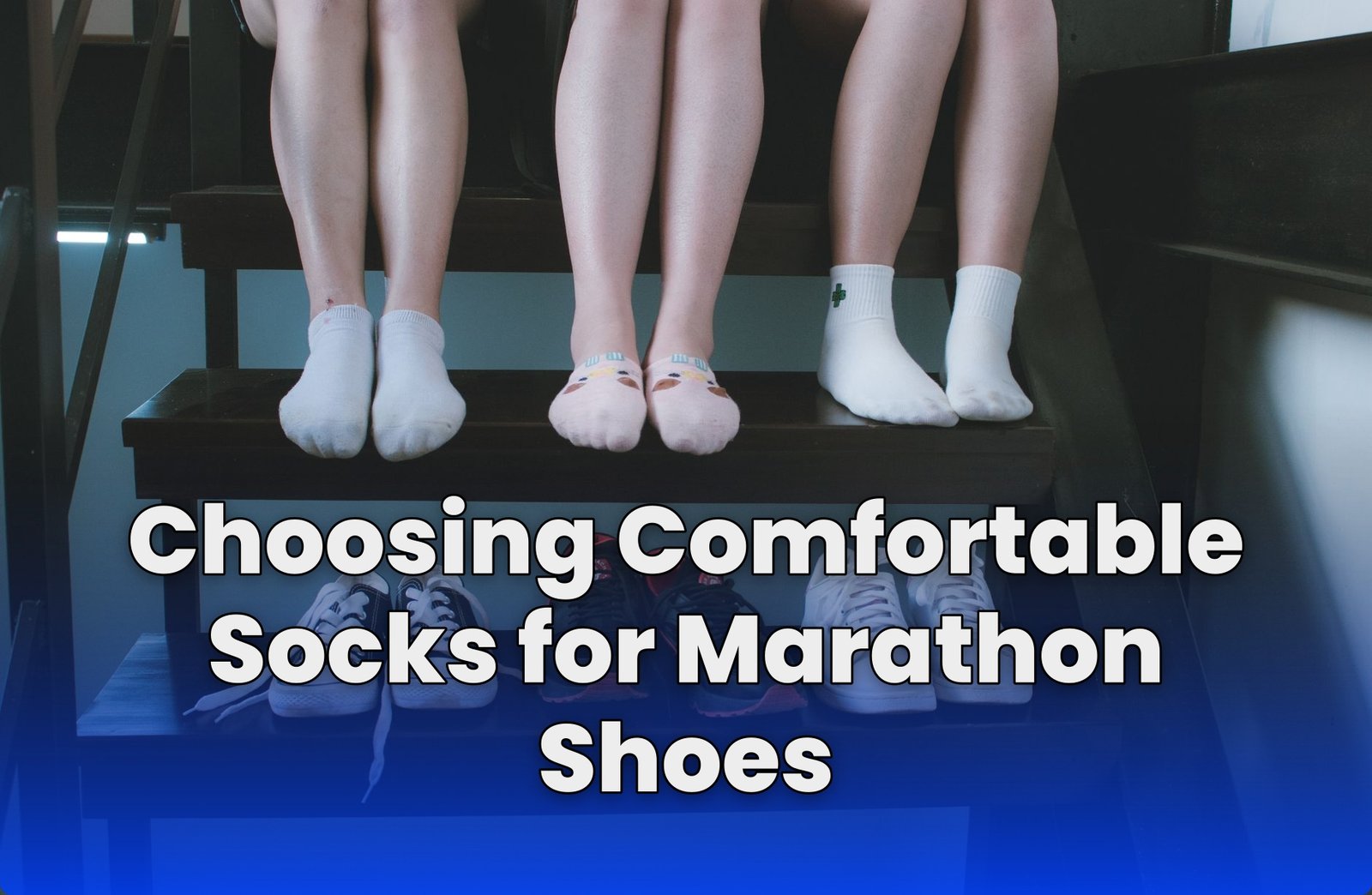
Comfortable socks decide your race comfort long before your first mile. The truth is simple: even great marathon shoes can feel wrong if your socks bunch, slip, trap sweat, or rub the same spot for hours. Most blister problems do not start with shoes. They start with sock choice that ignores fit, friction, and moisture.
Start with fit, because socks that are too loose or too tight create folds at the heel and under the arch, and folds become hotspots. Look for running-specific construction with smooth or seamless areas to reduce chafing, and choose sweat-wicking materials instead of cotton so your feet stay drier and your skin stays calmer. Then match cushioning to your shoe’s space: thicker socks can add protection and durability, but if your shoe feels short on volume, the extra thickness can make your foot feel squished and colder.
Next, adjust for the marathon and the shoe style you wear. Road runners and track days usually feel best with cooler, lower-cut options, while trail or brush-heavy routes justify taller socks for extra coverage. If you are blister-prone, prioritize anti-blister features like double-layer designs that cut down sock-to-skin friction. Pick what keeps moisture moving, prevents rubbing, and lets your shoe fit the way it was meant to.
Heel Fit Is The First Comfort Metric
If you are asking how to choose comfortable socks for different marathon shoes, start with the heel. The heel cup must sit exactly where your heel bone lands, with no slack that lets the sock slide during every stride. How can a sock feel comfortable if it shifts by even a few millimeters over 26.2 miles?
Match your sock size to your shoe size so the heel stays pinned without stretching. Press the sock heel into place and flex your foot. If the fabric wrinkles behind the ankle or pulls tight across the heel, you will feel it late in the race.
Under the arch, the sock should stay supportive and snug. If it sags, the sock-to-skin friction increases each time your foot flexes, especially with marathons that include hills or late-race fatigue.
Seams Should Never Meet Your Foot Under Load
Rubbing is not random. It comes from pressure points, including seams. A sock with a thicker seam at the wrong spot can turn normal movement into a slow abrasion. Do you really want to discover seam irritation at mile 20?
Look for seam placement that stays off high-friction zones like the heel sides, toe box edges, and the area where your shoe upper folds. If you can feel a seam while the sock is on and standing still, it will only get worse once your stride repeats thousands of times.
For runners who wear shoes with aggressive uppers or tight lacing patterns, even small seam differences matter. A sock that feels fine at the start can still produce hotspots once your foot swells and the upper compresses.
Wicking Materials Reduce Friction, Not Just Sweat
Moisture management is the comfort job. When fabric absorbs sweat, it raises friction and keeps skin wet. That is how blisters start: heat builds, friction increases, and the skin barrier fails.
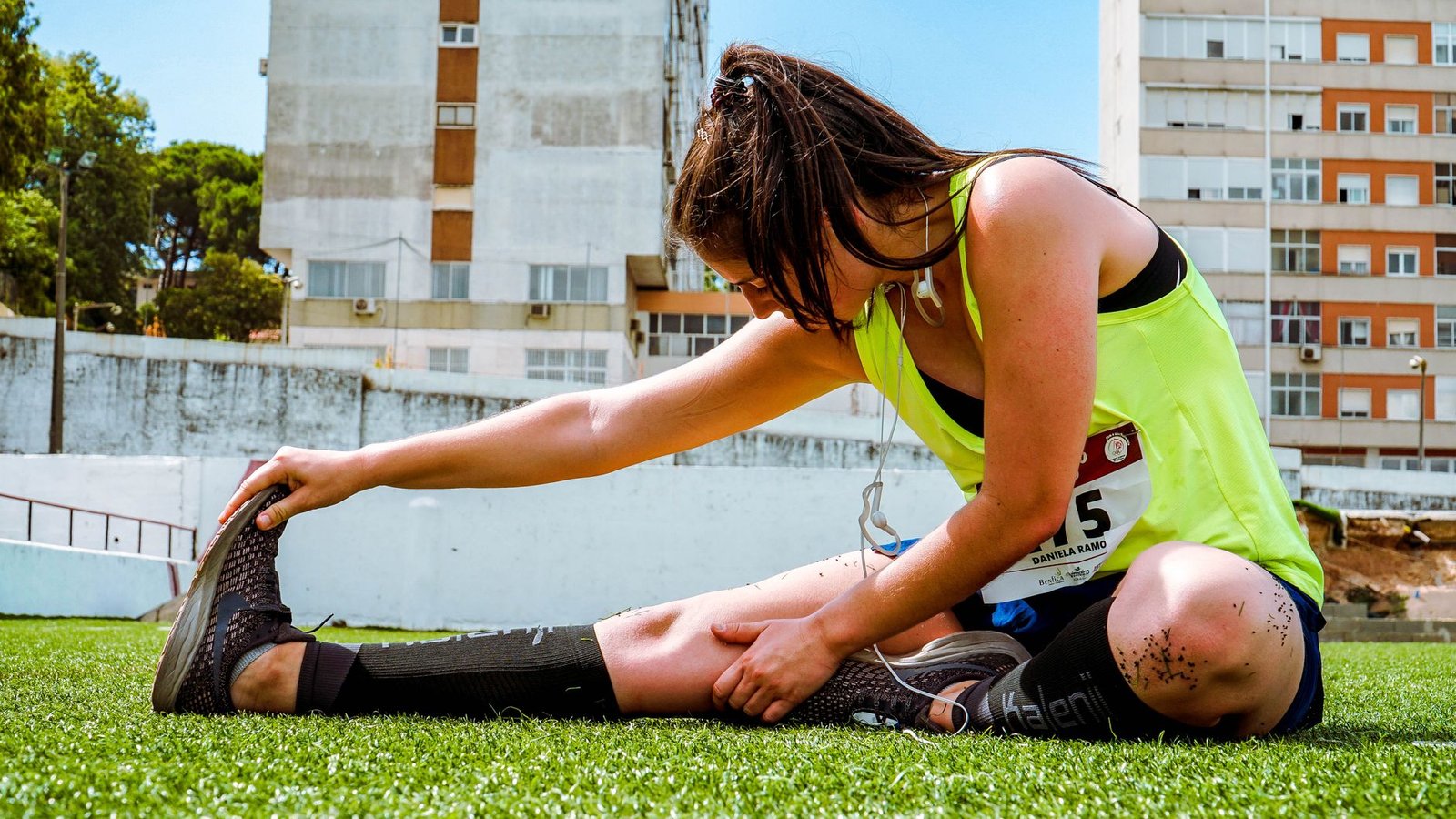
Choose wicking materials designed for running so sweat moves away from your foot surface. Avoid cotton for marathon days. Cotton holds water, stays heavy, and keeps the sock wet against the skin long enough to create hot spots.
Your best sock is the one that keeps skin drier at the exact time your body ramps up effort.
Cushioning Should Match Your Shoe’s Available Space
Cushion feels good, but too much cushion can crowd your shoe. Marathon shoes already control fit through the midsole and upper. If the sock adds extra volume, your toes get less room and pressure spikes in the toe box.
Use cushioning as a tool, not a default. Light cushioning works when your shoe has ample internal space. Medium cushioning suits many mainstream road trainers. Max cushioning can feel plush, but it also increases bulk and can make the foot feel tight, especially in narrower lasts.
Ask a simple question before you buy: does your shoe feel roomy enough with a typical sock? If the shoe feels even slightly tight at baseline, start with lighter cushioning.
Fill The Volume Gap Without Creating Pressure
Some marathon shoes fit a little loose with standard socks. In that case, a slightly thicker sock can take up space and reduce sock movement. Less movement means less friction, and less friction means fewer surprises late in the race.
But thicker is not automatically better. If the sock turns the toe box into a cramped tunnel, you will trade blister prevention for toe pressure. You want contact that is secure, not crushing.
A practical test helps. Wear the shoe with the sock you plan to race in during a short workout. If your toes feel forced upward or your heel slips forward, adjust thickness rather than ignoring the fit mismatch.
Sock Height Should Match Course Threats
Road and track marathons usually reward lower-cut socks because they breathe and avoid bunching. Trail races and brushy routes can require taller coverage to reduce abrasion from vegetation and improve protection from grit.
Choose sock height based on what your route throws at you. If you expect ankle rub from uneven terrain or shoe movement, crew or quarter socks help keep more fabric between skin and debris.
Height also affects comfort through bunching. A sock that is too tall for a low-top shoe can fold at the ankle. That fold becomes a ridge that rubs whenever your gait changes on climbs or fatigued landings.
Thickness Should Follow Temperature And Swelling
Foot volume changes. Heat, effort, and salt can expand your feet, and swelling turns a comfortable sock fit into a pressure cooker. That is why temperature and swelling should drive thickness choices more than preference alone.
Many guides recommend planning sock thickness around expected conditions and running sock guidance that reflect how fit changes across long efforts. You should do the same with your own data. If your feet swell on hot long runs, choose a thickness that remains secure after the first 90 minutes.
| Condition | Cushioning Level | What To Choose |
|---|---|---|
| Cool 0 to 10°C | Medium | Warm wicking blend |
| Mild 10 to 18°C | Light to Medium | Balanced cushioning |
| Warm 18 to 27°C | Light | Breathable and secure |
| Hot 27°C+ | Light or Thin | Maximum wicking focus |
| Swelling-Prone | Adjust thinner | Roomy toe fit |
If you are unsure, err toward a thickness that does not create toe pressure. Cushion can help impact comfort, but swelling pressure causes the kind of discomfort you cannot “run through.”
Double Layer Options Help When Shoes Feel Tight
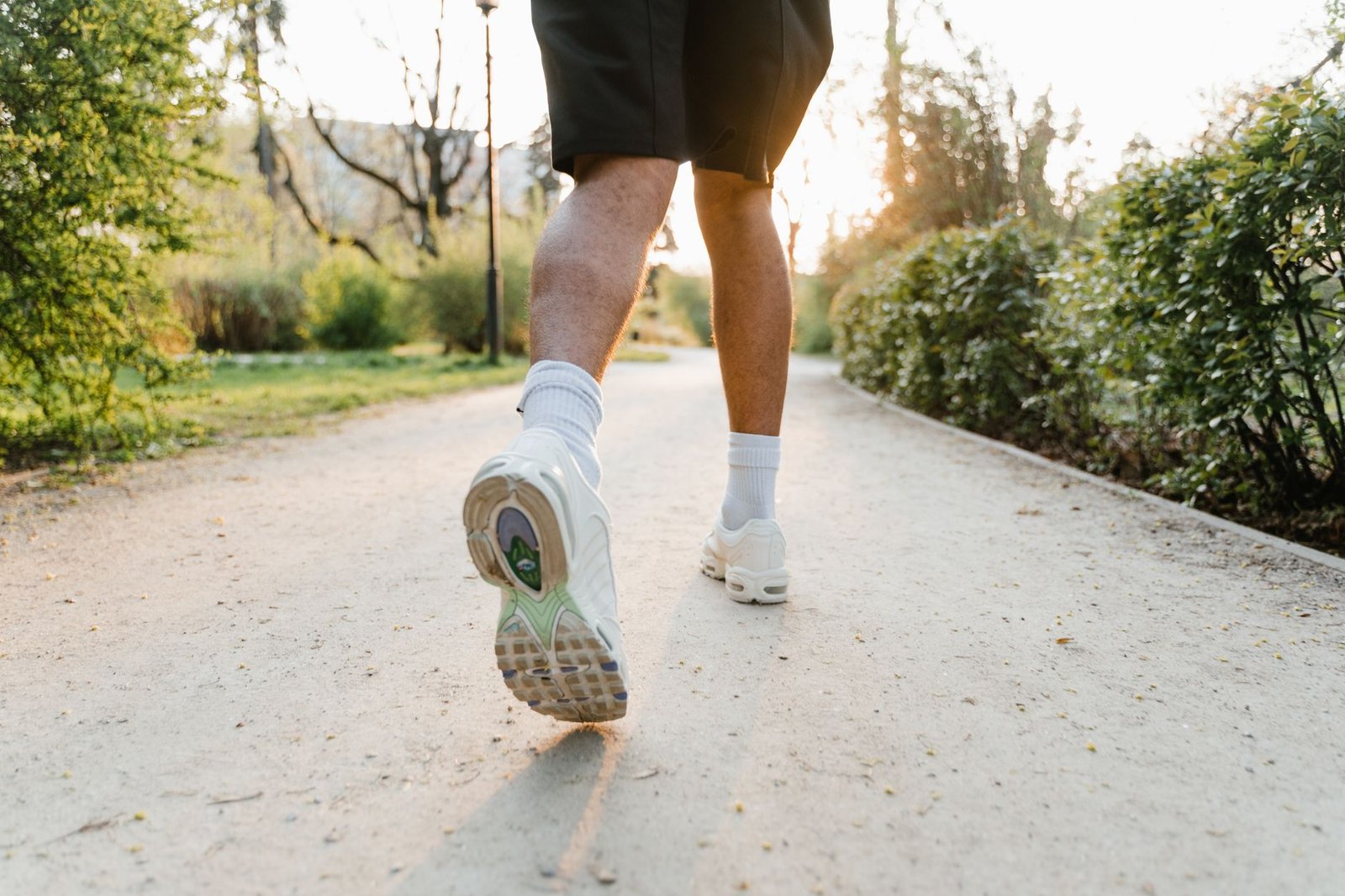
Narrow uppers and low-volume shoe designs create one predictable problem: sock-to-skin friction plus pressure. In that situation, the best sock strategy is friction reduction, not thicker fabric.
Look for anti-blister systems such as double-layer or twin-skin constructions. These designs keep layers from moving against each other, lowering the shear forces that tear down skin under repetitive impact.
Even if you prefer a particular cushioning level, switch to a double layer when your shoes run tight. Comfort becomes a systems problem: shoe fit, sock structure, and foot behavior during fatigue.
Match Socks To Shoe Type, Not Just The Brand
Minimalist shoes expose more surface movement and require socks that stay stable without bulky seams. Stability shoes often have a more structured upper and can benefit from socks that maintain arch comfort and keep the sock from migrating during lateral corrections.
Max-cushion trainers can feel great with medium socks, but the extra stack height can encourage toe sliding if the sock has too little hold. If your heel rises or toes drift forward, adjust sock thickness and fit before you blame your legs.
A sock that “works” in one model can fail in another because the internal shape changes where friction forms.
Arch Support And Compression Need Fit Testing
Some marathoners want compression or structured arch support. That can help comfort, but it can also worsen pressure if sizing is off. Compression that is too tight can create banding and hotspots, especially after swelling begins.
Choose compression carefully. The sock should feel supportive while standing, then remain tolerable once you flex and sweat. If the sock edge presses into the skin line after 60 minutes in training, it will do the same on race day.
When shoes have a strong arch shape, pairing them with an overly supportive sock can create pressure overlap. In that case, a standard support sock often feels smoother than a high-compression option.
Do Practice Runs With Your Actual Race Setup
The only reliable test is the one that includes your marathon shoes, your planned sock, and realistic mileage. Buying a “comfortable” sock based on reviews is guesswork when fit depends on your specific shoe model and your stride.
Wear your race socks on at least one run close to your longest training duration. Pay attention to toe pressure, heel movement, and any seam awareness. If anything feels off early, it will escalate once fatigue reduces your control.
Bring spares for testing. If you find a hotspot, adjust thickness, height, or construction type in your next long run, not on race morning.
Care And Replacement Keep Comfort From Slipping
Worn socks lose structure. Elastic degrades, cushioning flattens, and seams start to shift. A marathon sock that feels fine in your first week can become a friction source after repeated washing and long-run mileage.
Wash with consistent settings and let the sock fully dry. Avoid leaving socks bunched in a hot dryer cycle that can warp the knit. Then replace socks once you see thinning at the heel, fading compression, or stretched areas that allow movement.
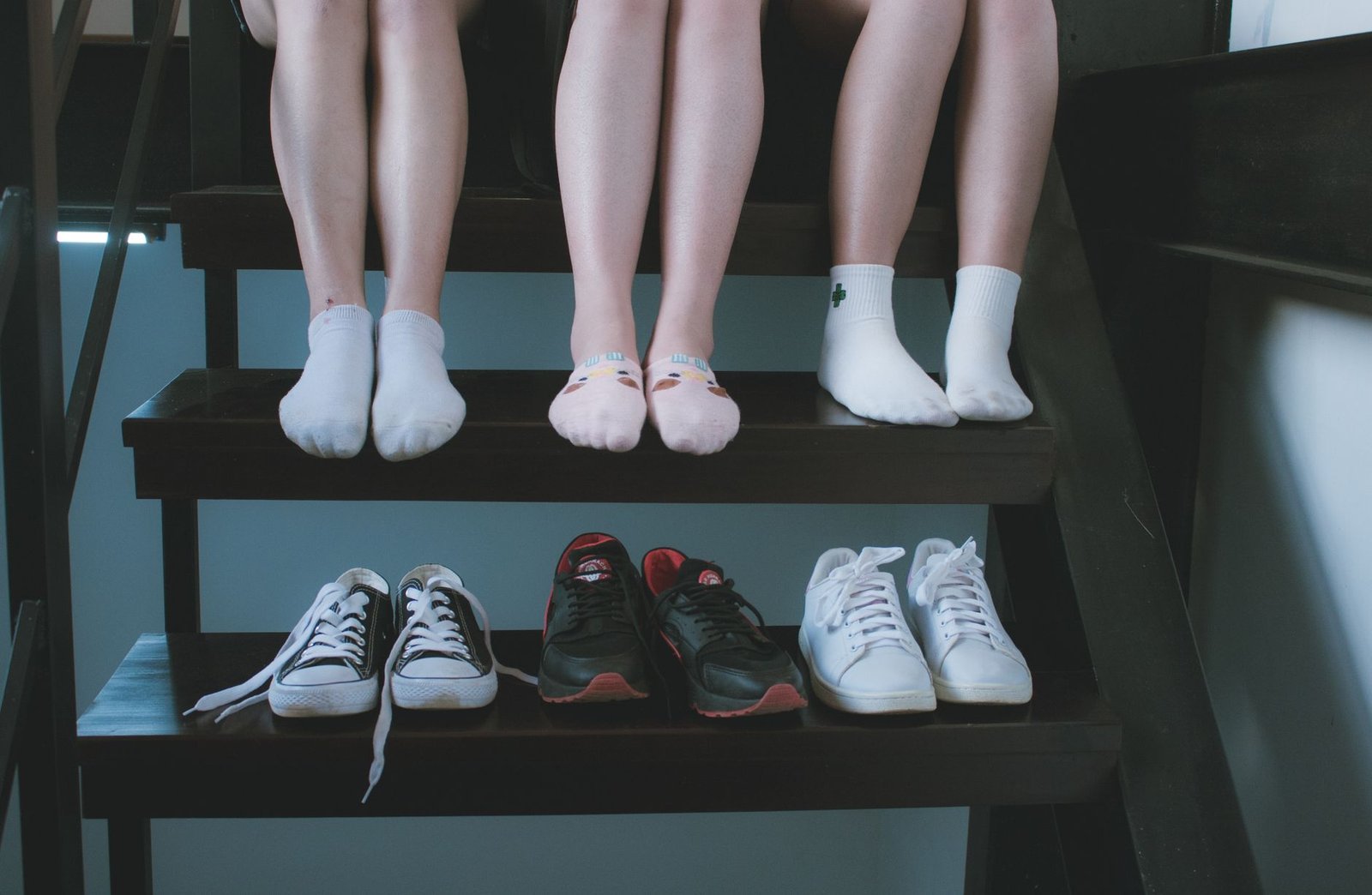
Comfort is cumulative. If you want fewer blister issues, treat socks like performance gear, not disposable extras.
Choose One Goal Per Feature
Stop treating socks like a single item. Each feature has a job: fit reduces sock movement, wicking reduces friction, cushioning improves impact comfort, height protects the course, and anti-blister construction prevents skin failure. When you pick socks by goal, you make fewer tradeoffs.
So ask yourself what your shoe and route demand right now. Is your shoe slightly loose, slightly tight, or uneven on trail sections? Are you blister-prone in the same location every time? Your next sock choice should answer those questions, not imitate someone else’s preference.
The right sock is the one that stays put, stays dry, and keeps pressure predictable from the first mile to the last.
How Do You Choose Comfortable Socks for Different Marathon Shoes?
How Do You Pick the Right Sock Fit for Different Marathon Shoes?
Choose socks that match your shoe size so the heel sits on your heel without stretching, and make sure the sock is snug under the arch and around the heel to reduce rubbing seams over long miles.
Which Sock Materials Help Prevent Blisters in Marathon Shoes?
Look for running socks made with moisture-wicking performance fibers and minimal friction, and avoid cotton because it holds sweat and increases blister risk.
How Should You Choose Cushioning and Thickness for Your Marathon Shoe Type?
Select light, medium, or max cushioning based on how your shoe fits, since thicker socks add padding but can feel bulky or cold if the shoe has limited volume.
What Sock Length Works Best for Road, Track, and Trail Marathon Shoes?
Use taller crew or quarter socks for trail protection where you may brush plants, and choose low-cut or ankle styles for road and track days when you want more breathability.
How Can Anti-Blister Features Improve Comfort for Marathon Running?
If you blister easily, pick socks with anti-blister design like double-layer construction or low-friction seams to reduce sock-to-skin rubbing during the race.
How Do You Match Socks to Shoe Space and Foot Swelling During a Marathon?
If your shoes feel slightly loose, a thicker sock can fill extra space, and if your feet swell during runs, switch to a thinner option so your toes do not get cramped.
Get the Right Socks and You Keep Your Rhythm
Learning how to choose comfortable socks for different marathon shoes comes down to one disciplined idea: match fit, then manage moisture and friction for your specific shoe space. Get the heel to sit right without stretching, pick running socks with low-friction or seamless construction and sweat-wicking fabric, and choose thickness that your shoes can handle as your feet swell. If you do that, blisters and hot spots stop being a gamble and start being preventable.

I am Ozan, a London-focused running writer and marathon enthusiast with a passion for helping people discover the city’s best races, running routes, walking trails, and fitness events. I research and write practical, up-to-date guides covering marathons, race preparation, training tips, running gear, and everything related to staying active in London.
My goal is to create reliable, easy-to-follow content that helps runners and walkers of all experience levels explore London with confidence, whether they’re preparing for their first 5K or their next marathon.