Stiff calves after long miles are not a badge of honor, they are a sign your stretching is too passive. If you only aim for “stretching until it feels good,” you may actually miss the deeper stiffness that builds during race-day pace and downhill grind. The fix is not more suffering. The fix is a smarter sequence.
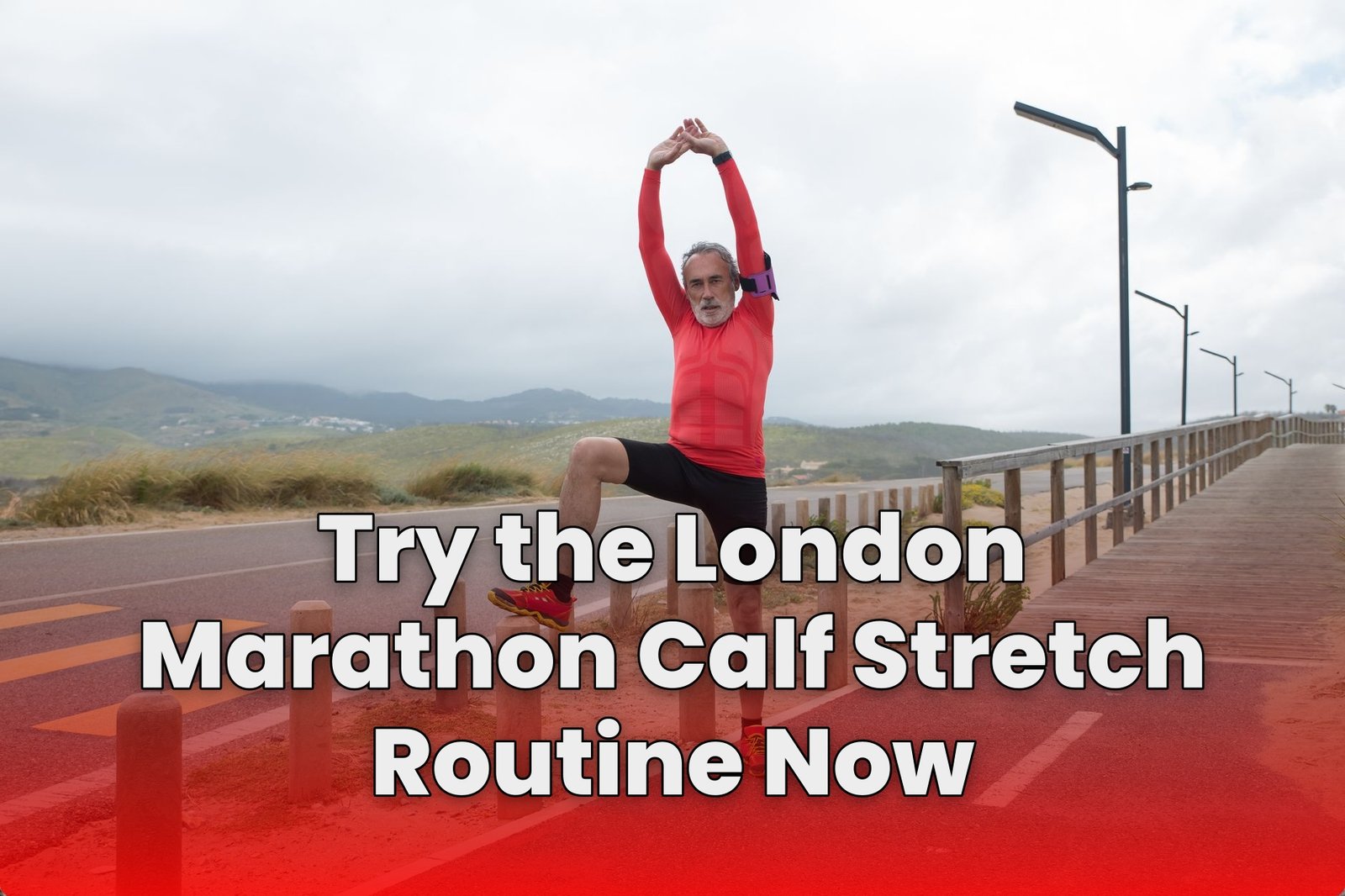
This London Marathon calf stretch routine for stiff calves is built for targeted relief, because marathon mileage tightens both the upper calf (gastrocnemius) and the lower calf (soleus). Instead of holding one position and hoping for the best, you use a controlled lengthening phase first, then add gentle “contract and relax” movement to teach the muscle to change its tone safely.
If you do it right after your run or as a daily reset on heavy-leg days, you can calm that post-mile tightness faster and more reliably. Keep the intensity around a “7 out of 10” stretch, move slowly, switch sides, and finish with the deeper soleus-focused hold when you feel stiffness low in the calf. The goal is relief that lasts, not temporary comfort.
Stiff Calves After Long Miles Is Not A Mystery
Stiff calves after long miles are a predictable consequence of repeat loading, limited rest, and tissue irritation that lingers after you stop running. If your calves feel like they tightened overnight after London Marathon–style mileage, that is your body sending a clear signal, not a personal failure.
Here is the hard truth: most people stretch too randomly and too aggressively. Then they wonder why remote work productivity is the wrong analogy and why their calves keep acting up. What you need is a london marathon stretch routine for stiff calves designed for targeted relief after long miles, not a vague session that tries to fix everything at once.
Good recovery is not “more stretching.” It is the right stimulus at the right dose.
Start With A Proper Setup For Gastroc Stretch
For gastroc or upper calf tightness, begin by elevating the balls of your feet on a yoga block or cushion. Stand tall with both posture and hips aligned, and aim for about a 7 out of 10 stretch where you feel a meaningful pull but you can still control your body.
Keep your heel pressed down and adjust your front and back foot position until the stretch hits the right area. You are not chasing pain. You are hunting for a controlled, repeatable stretch you can reproduce every day.
- Elevate forefoot on a block or cushion
- Posture tall, heel driven down
- Back and front foot spacing set to reach 7 out of 10
Use Active Rocking To Convert Stretch Into Faster Relief
Now switch from passive to active. Slowly rock your hips forward and back in steady reps, almost like a gentle massage through motion. This is contract-relax by feel: you engage without forcing the range, then let the calf settle as you move.
Do several slow reps, switch sides, and keep the tempo controlled. If one side is tighter, do not “punish” it with bigger range. Keep the same tempo and let the calf adapt through repeated, clean reps.
Why does this matter? Because tissue irritation after long miles responds better to controlled loading than to aggressive, static holds that spike discomfort. In fact, clinical guidance often emphasizes gradual, tolerable movement during calf recovery.
Step Forward Or Back To Tune Intensity Without Guesswork
Once you have your baseline stretch, use foot position to modulate intensity. Step the non-elevated foot farther forward to increase the demand, or step it back to reduce it. You get a dial, not a gamble.
This matters after marathon-style fatigue because stiffness is not uniform. Some days your gastroc just needs a lighter stimulus. Other days it needs a stronger one. Your feet positioning choices decide which reality you create.
Soleus Stretch Targets The Deeper Tightness
When tightness sits lower and feels stubborn, you need the soleus-specific stretch. Step into a similar calf position but bend the knee of the stretching leg, lean forward, and aim the pull below the calf where the soleus lives.
Hold each rep for about 30 seconds, aiming for roughly 5 to 6 reps. This is the calf detail people skip, then they wonder why the upper stretch alone never fully fixes the tightness.
Protect The Back Of The Knee During Calf Work
Soleus work can help when stiffness contributes to discomfort behind the knee, but only if you respect tissue sensitivity. Stay in a controlled range and avoid yanking into pain. If you feel sharp, pinpoint, or radiating discomfort, scale back immediately.

Active recovery should calm your legs, not escalate symptoms. Gentle progress beats heroic forcing, especially when your calves are already irritated from long miles.
Down Dog Pedal Adds Contract-Relax Calm
To quiet stiffness quickly, add an “active” down-dog pedal. Get into downward dog, lift your heels, then relax by pedaling: bend one knee while you straighten the other, keeping everything gentle.
You are not trying to crush your heel to the floor. Instead, let the movement do the work through comfort-focused range. Aim for 3 rounds of at least 30 seconds, breathe steadily, and keep the legs responsive, not guarded.
Breathing And Posture Turn Stretching Into Recovery
Most people treat stretching like a solo event: stand, pull, hold, repeat. That approach ignores how tension feeds tension. Breathe slowly, maintain tall posture, and keep your hips and torso aligned so the stretch is coming from the calf, not from collapsing form elsewhere.
If your breathing tightens or your posture collapses, the session turns from therapy into stress. That is when calves start to resist and recovery slows, especially after high-mileage efforts.
Track Sets And Timing With A Simple Calf Relief Plan
The best routine is the one you can repeat without improvising. Decide when you will do it and stick to a consistent dose. After a long run, prioritize relief immediately. On non-running days, use the same structure as a daily stretch when calves feel extra tight.
Use the guide below to keep gastroc and soleus work balanced, and to make sure your calf relief after long miles stays targeted rather than chaotic.
| Step | Target | Time or Reps |
|---|---|---|
| Forefoot Elevated Stand | Upper calf | 7 out of 10 stretch |
| Hip Rocking Reps | Contract relax | Slow reps 2 to 3 sets |
| Foot Position Tuning | Range control | Forward increase, back decrease |
| Knee-Bent Soleus Holds | Lower calf | 30 sec each for 5 to 6 reps |
| Down Dog Pedal | Stiffness calm | 3 rounds x 30 sec |
Repeat on both sides and finish feeling looser, not wrecked. If your calves feel worse after the routine, your dose or tempo is too aggressive, and you should scale back range before you add time.
Common Mistakes That Make Calves Worse
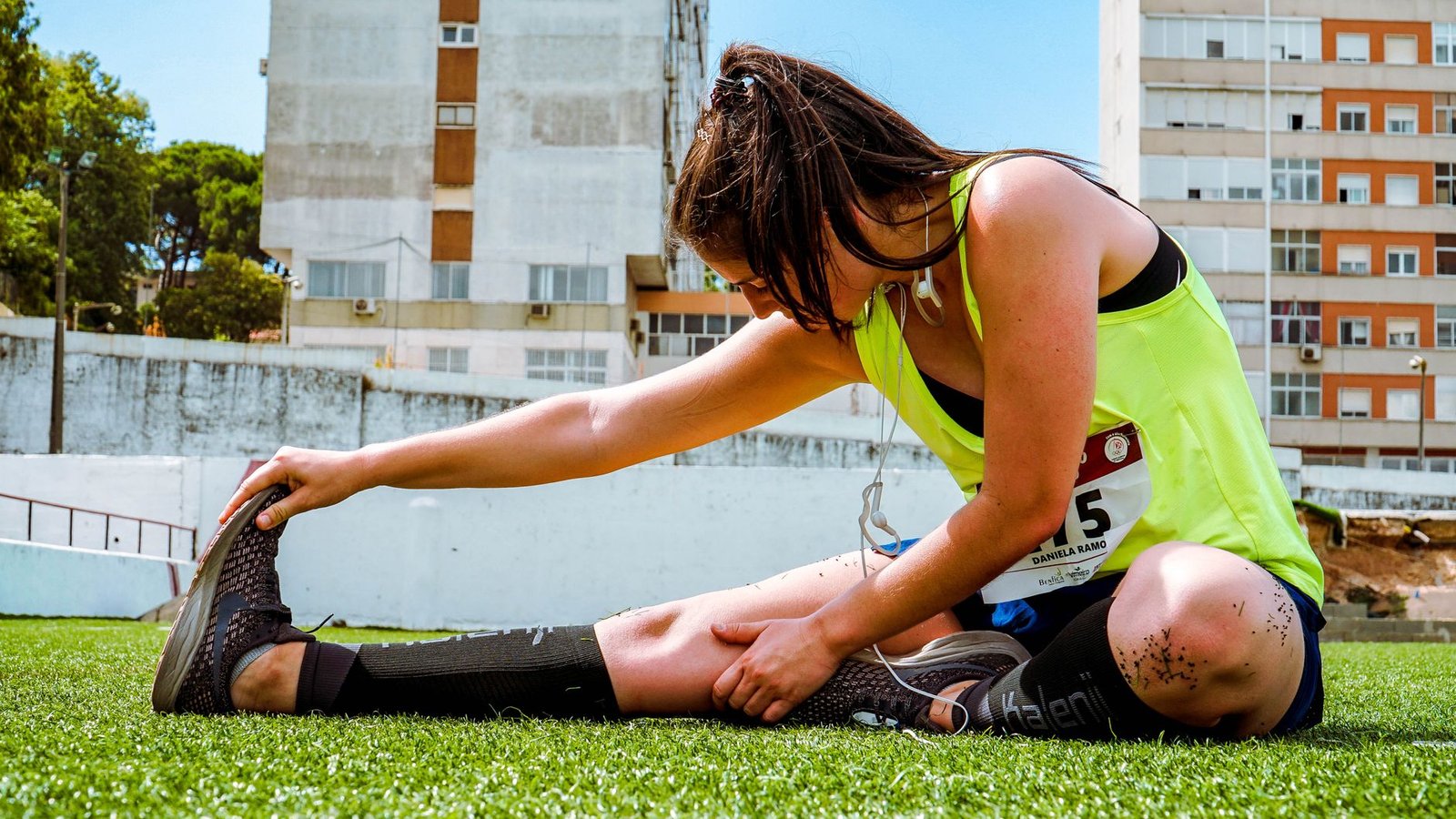
There are predictable errors that sabotage even a good routine. Overreaching into a painful stretch, holding static positions too long, and ignoring soleus-specific work are the big three. Another classic mistake is inconsistent foot placement, which makes the stretch hit a different area every session.
Would you keep changing your stride during a race? Of course not. Then why are you changing your mechanics while trying to recover? Consistency is how you get durable relief.
Skip Stretching When Symptoms Signal Trouble
Targeted relief is great, but not when symptoms are a warning. Avoid this routine and get evaluated if you have severe swelling, bruising, a sudden “pop,” or pain that feels sharp and localized rather than muscular and gradual.
If your discomfort is neurological or persistent in a way that stretches cannot influence, forcing range is not “recovery.” It is risk. When in doubt, err on the side of medical guidance and let professionals sort out whether the issue is strain, tendon irritation, or something else.
Make It A Habit So The London Marathon Stretch Routine Works Again
After long miles, the goal is not to perform a one-time rescue mission. The goal is to condition your calves to tolerate the next workload with less stiffness. Do the gastroc setup, the active rocking, the soleus holds, and the down dog pedal with steady breathing, then stop while you still feel in control.
If you can make this london marathon stretch routine for stiff calves a regular practice, your legs will stop feeling like they belong to a stranger. And yes, just like with any performance system, consistency beats intensity every time.
Use This London Marathon Stretch Routine for Stiff Calves After Long Miles
How can a London Marathon stretch routine help relieve stiff calves after long miles?
This routine targets both the gastrocnemius and soleus by combining a graded calf lengthening stretch with a gentler contract-relax style movement, which can calm tightness and improve calf comfort after marathon-style efforts.
What is the best elevated-foot calf stretch for targeted relief in the upper calf?
Stand with the balls of your feet on a yoga block or cushion, keep your posture tall with the heel pressed down, and adjust your foot position to reach about a 7 out of 10 stretch, then slowly rock your hips forward and back for several controlled reps before switching sides.
How do you modify the stretch to emphasize the soleus when calves feel especially tight?
Use a similar elevated stance but bend the knee of the stretching leg, lean forward to feel a deeper stretch below the calf, and hold each rep for around 30 seconds for about 5 to 6 repetitions to target the soleus when it contributes to back-of-knee discomfort.
How does an active down-dog pedal or contract-relax approach reduce calf stiffness?
In downward dog, lift your heels slightly, then “pedal” by bending one knee and straightening the other while keeping the movement gentle and not forcing heels to the floor, repeating for multiple rounds with steady breathing to help the calf relax.
When should you do this targeted calf relief routine, right after the run or as a daily stretch?
You can use it immediately postrun for quick relief when calves feel reactive, or repeat it as a daily routine when tightness lingers, focusing on comfortable intensity and smooth motion rather than pushing through pain.
How long should each stretch take for stiff calves, and how many reps are recommended?
Aim for short, repeatable sets: use several slow hip-rocking reps on the elevated stretch, hold the soleus-specific stretch for about 30 seconds per rep for roughly 5 to 6 reps, and finish with active down-dog pedaling for about 3 rounds of at least 30 seconds.
Do Targeted Calf Work Right After Long Miles
A good london marathon stretch routine for stiff calves: targeted relief after long miles is simple and specific: combine a gentle gastroc lengthening with active rocking, then hit the soleus with a knee-bent stretch, and finish with a calm contract relax in downward dog to bring stiffness down fast. Do it soon after your run and stay patient with the intensity, and your calves will feel better without turning recovery into another workout.

I am Ozan, a London-focused running writer and marathon enthusiast with a passion for helping people discover the city’s best races, running routes, walking trails, and fitness events. I research and write practical, up-to-date guides covering marathons, race preparation, training tips, running gear, and everything related to staying active in London.
My goal is to create reliable, easy-to-follow content that helps runners and walkers of all experience levels explore London with confidence, whether they’re preparing for their first 5K or their next marathon.