Toenail blackening is avoidable. In London, it is often caused by one boring culprit: shoes that are just a little too tight where the big toe needs space. When the nail repeatedly gets pressed or rubbed, irritation can build up under the nail and turn it dark.
The fix is not luck, it is control over pressure. Start with a proper fit, especially a roomier toe box and cushioning socks, so your toes do not slam forward or grind against the front. If you know a specific pair rubs, toe tape can act like a barrier, reducing friction right where the nail is most vulnerable.
Then lock it in with proper shoe lacing that lifts the forefoot away from the big toe instead of trapping it. Use a “big-toe lift” style lacing pattern, keeping slight slack so the lace does not tighten down over the nail, and finish with tension that pulls up and away rather than straight into the toe cap. If discoloration is painful, spreading, or does not improve, treat it as a medical question, not a shoe-habit problem.
Toe Room Beats Fashion Every Time
Toenail blackening is not a mystery condition. It is usually the predictable result of repeated pressure and friction on the big toe, especially when shoes rub or press too tightly. In London, where you move through crowded trains and frequent walking, tiny contact points add up fast. So why blame your nail when your footwear is doing the damage?
The core fix is simple: choose shoes that leave real space for the toes to move. A snug fit through the midfoot can be fine, but the toe box must give the nail room to avoid micro-trauma. If your toes hit the front or the upper pinches, you are paying for comfort with bruised tissue.
Fit Check in Real London Conditions
“It feels okay in the shop” is not a plan. London days include swelling from standing, rain-soaked socks, and longer walking than you expected. If you try on shoes near midday, then wear them after a full day out, you might discover the toe box is suddenly too tight for your foot volume.
Do the practical test: stand, walk, and check for toe contact. You should be able to wiggle your toes, and there should be at least a thumb-width of space between your longest toe and the front when you are in a normal stance. If the space disappears when you walk uphill or on stairs, that is a warning sign.
Socks Control Friction and Swelling
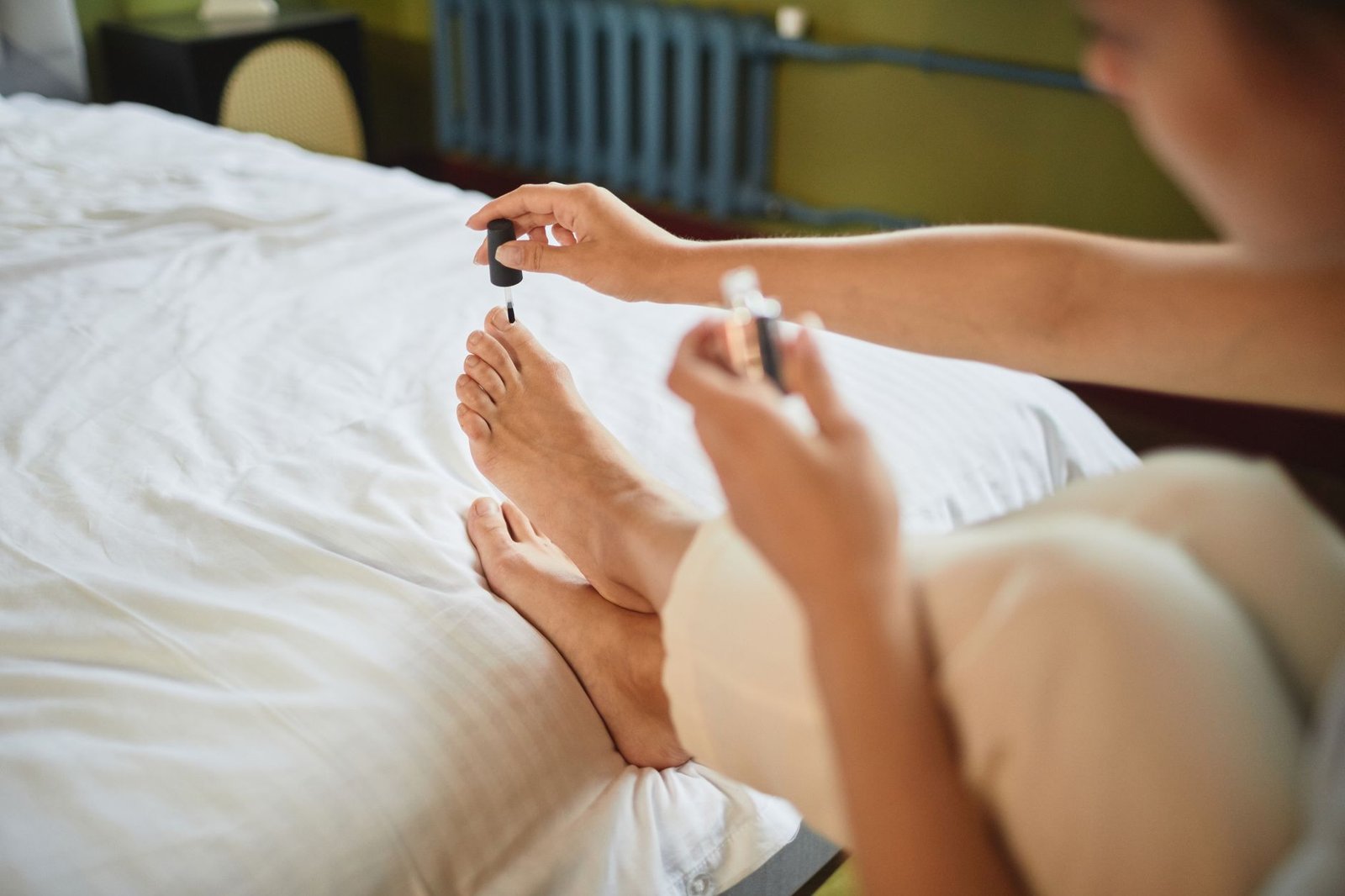
Even well-fitted shoes can cause black toenails if your socks let friction build. Choose cushioning socks with a stable knit that reduces rubbing during long walks. In wet weather, moisture makes skin and fabric move differently, which increases hotspots against the toe.
If you notice dampness or slipping, change socks more often and consider a thinner moisture-wicking liner beneath a cushioned pair. The goal is not bulk. The goal is consistent contact pressure that stays gentle.
Trim Early to Remove the Nail Trap
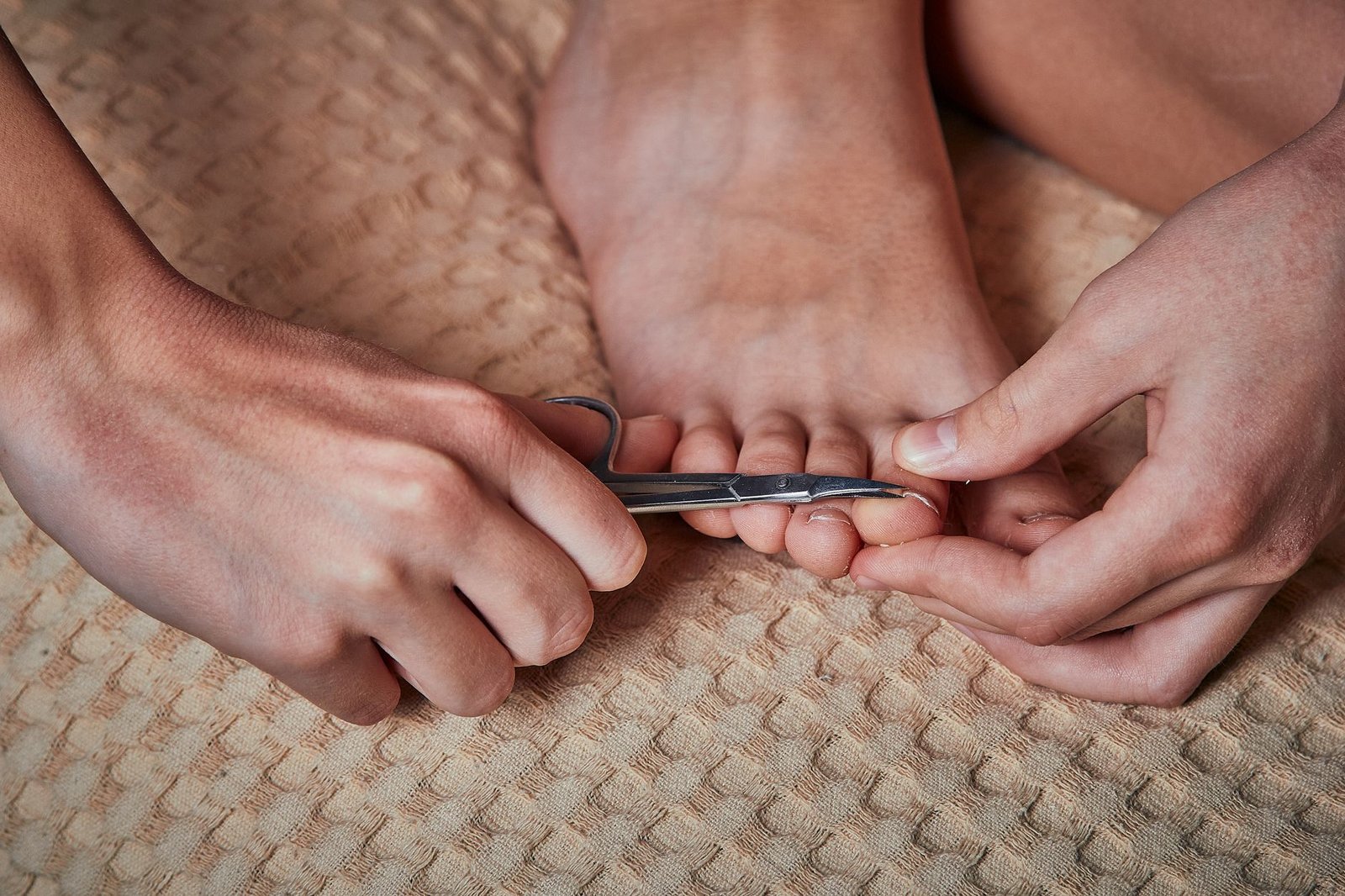
When nails are too long or uneven, they become more exposed to friction and impact. The edge of a nail can catch against the shoe interior, turning a minor pressure event into ongoing damage. Regular trimming reduces the chance that the nail takes the hit first.
Trim straight across, avoid cutting too short at the corners, and keep the surface smooth. If you already see darkening starting, treat it as a signal to reduce trauma immediately, not as something to ignore until it “grows out.”
Tape and Padding Should Be Precise, Not Random
Yes, tape can help. But only when it targets the friction point instead of covering everything and hoping for the best. Protective tape and toe padding work best when you know exactly where the shoe contacts the nail or toe skin.
Use tape to create a barrier over the rubbing area, and consider thin padding to reduce pressure where the big toe meets the toe cap. If you feel pressure without a clear rubbing spot, the shoe may be too narrow or your lacing may be pulling the upper downward onto the nail.
Lace Like the Big Toe Needs Air
Proper shoe lacing is one of the most overlooked tools for how to prevent toenail blackening in London: fit, tape, and proper shoe lacing. The point is to stop the upper from squeezing the toe box forward. When laces pull the forefoot too tight, the big toe loses the space that prevents micro-trauma.
Adopt a “big-toe lift” approach: start lacing in a way that creates lift across the forefoot so the shoe’s material flexes upward and away from the toe rather than pressing into it. Many people copy a standard criss-cross and unknowingly lock the forefoot into contact.
For a visual starting point, toe lacing guidance can help you map the pattern to your shoe’s eyelets.
| Toe Contact Issue | Lacing Adjustment | Measurable Target |
|---|---|---|
| Big Toe Rubbing | Big-toe lift pattern | 0.5–1 cm toe clearance |
| Upper Pinching | Skip pressure eyelets | Slight slack over toe box |
| Forefoot Sinking | Cross-lace midfoot tighter | No heel lift on steps |
| Foot Slides Forward | Lock heel with last-eyelet tension | Toe does not strike front |
| Stitching Hotspots | Relace to avoid seam pull | Redness after 10 minutes max |
Then tighten in a way that pulls the lace up and away from the toe cap. You are training the shoe to support your foot without compressing the big toe nail bed. If you cannot feel a difference after relacing, the problem may be the shoe model itself, not your technique.
Choose Width and Toe Box Shape That Actually Fits
A shoe can feel roomy in the midfoot and still be wrong at the toe box. Black toenails often come from a mismatch between toe shape and the shoe’s internal geometry. If your toes splay naturally or your big toe sits slightly forward, a narrow toe box will manufacture friction no matter how “comfortable” the shoe seems at first.
Look for a wider toe box or a last designed for more toe splay. In practice, that means fewer pinching points, less toe cap impact, and a lower chance of repeated nail trauma during daily London walking.
Stop Ignoring the First Warning Hotspot
Most people wait until they see darkening. That is backwards. Your skin and your nail are telling you before the nail turns black. Burning, redness, or a blister spot at the big toe is an early warning that pressure is already damaging tissue.
Fix it immediately: change lacing tension, add a thin barrier like tape or padding, and consider a different size or width. The nail doesn’t need to “prove” the injury before you act. Prevention is the whole point.
Break-In Should Not Mean Weekly Nail Damage
Some break-in is normal. But weekly black toenails are not. If the shoe only becomes wearable after it has bruised you, then you bought the wrong fit. London’s pace makes slow adaptation a poor strategy because repeated contact continues every day.
Give new shoes controlled test runs. Wear them for shorter walks first. If you still get toe pressure by the second or third outing, return or swap for a better toe box fit rather than accepting damage as part of the process.
Protect During High-Impact City Days
Even if your shoes are fine most days, certain London activities raise risk: running for trains, long stair climbs, weekend events with lots of standing, and unpredictable sidewalk conditions. Impact and quick acceleration can push your foot forward inside the shoe, increasing toe nail contact.
On those days, be proactive. Use supportive socks, consider targeted tape over known hotspots, and make sure lacing is firm at the midfoot while still leaving the toe box space. Your goal is fewer contact events when friction peaks.
When to Get Help Without Waiting
Treat black toenails as a symptom of repeated trauma. In many cases, reducing pressure helps the nail recover. But if you have severe pain, spreading redness, pus, or the nail problem does not improve over time, you should get medical advice.
Do not self-diagnose endlessly. A nail that keeps darkening may be more than friction. A clinician can assess whether there is infection, a larger injury, or another issue that needs different treatment than tape and lacing.
Common Mistakes That Keep the Nail in the Line of Fire
People blame “bad luck” and “bad nails,” but the patterns are predictable. A too-tight lace hold over the forefoot, a toe box that compresses on walking, and socks that bunch and slide are recurring culprits. If your toes rub only when you walk, your initial fit assessment missed something.
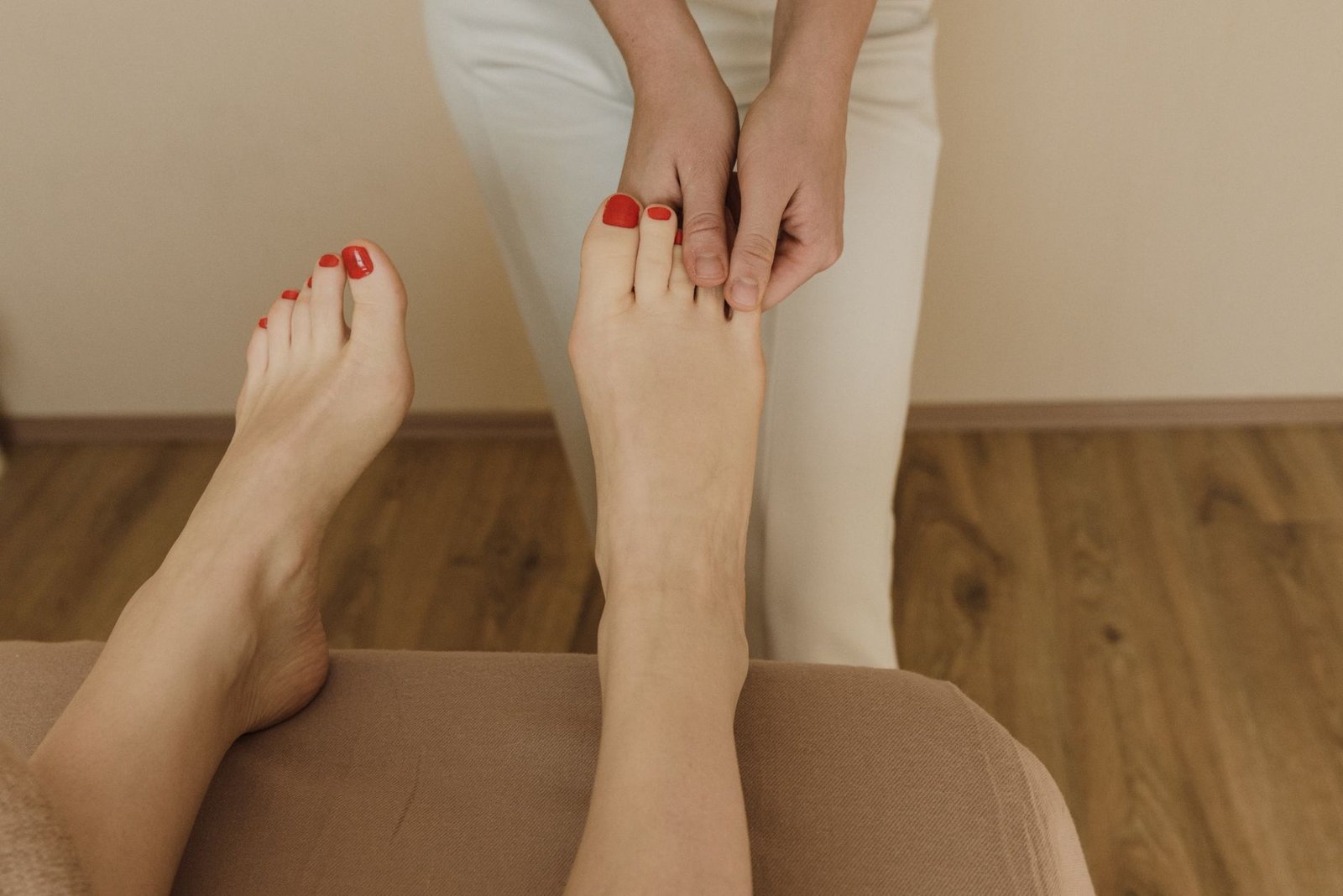
Fix the highest-risk behaviors first: avoid aggressive tightening across the toe box, watch for sock bunching, and stop wearing shoes that create a hotspot within 10 minutes. Small adjustments here prevent the repeated trauma that leads to blackening.
A Simple London Routine That Prevents Blackening
If you want results, use a routine you can repeat. Start with correct fit and toe room, add tape or padding when you have a known hotspot, and lace for a big-toe lift so the forefoot flexes upward rather than pressing down.
Then audit weekly: Did your toe pressure change? Are you seeing new redness, or does your nail edge look healthier? Prevention beats cleanup, because once the nail bed is repeatedly injured, you can only reduce damage and wait for the nail to recover.
How Can You Prevent Toenail Blackening in London With Proper Fit, Tape, and Shoe Lacing?
How Does Proper Shoe Fit Help Prevent Toenail Blackening?
To prevent toenail blackening, choose shoes with enough toe-room so your big toe doesn’t hit the front or get pressed by the upper, ideally with a snug but not tight toe box, good cushioning, and socks that reduce friction.
What Toe Tape or Protective Padding Can Reduce Big-Toe Trauma?
Using toe tape or protective padding can add a barrier between the shoe and the nail area, lowering rubbing and pressure that can cause bruising under the nail and subsequent darkening.
Which Shoe Lacing Technique Helps Lift the Toe Area Away From the Big Toe?
A “big-toe lift” lacing pattern can help by routing laces in a way that reduces forefoot pressure—such as criss-cross or ladder-style lacing that starts near the bottom eyelet closest to the big toe and tightens “up and away” so the upper lifts rather than presses.
How Should You Adjust Lacing When Your Shoes Feel Fine Except at the Toes?
If your shoes feel roomy elsewhere but your toes still rub, adjust lacing to create more upward lift and clearance at the forefoot, and consider a wider toe box model so the big toe isn’t repeatedly compressed during walking.
How Do Regular Nail Trimming and Foot Hygiene Help Stop Toenail Blackening?
Trim toenails straight across, avoid over-short cutting, and keep feet dry and clean to reduce friction and irritation, helping prevent the small injuries that lead to blood under the nail.
When Should You See a Podiatrist in London for a Dark or Painful Toenail?
Seek podiatric care in London if the toenail darkening is painful, spreading, accompanied by swelling or discharge, doesn’t improve after weeks, or you suspect infection or another cause beyond shoe pressure.
Time To Fix Fit And Lacing To Stop Toenail Blackening
Don’t treat toenail blackening as inevitable. If you follow how to prevent toenail blackening in London with fit, tape, and proper shoe lacing, you reduce the friction and pressure that trigger bruising under the nail: choose a toe box that leaves real room, protect the big toe with tape or cushioning when it rubs, and lace with a big toe lift so the shoe stays off the nail rather than pressing into it. Act early, adjust your footwear, and the darkest nail days can be avoided.

I am Ozan, a London-focused running writer and marathon enthusiast with a passion for helping people discover the city’s best races, running routes, walking trails, and fitness events. I research and write practical, up-to-date guides covering marathons, race preparation, training tips, running gear, and everything related to staying active in London.
My goal is to create reliable, easy-to-follow content that helps runners and walkers of all experience levels explore London with confidence, whether they’re preparing for their first 5K or their next marathon.