Most runners don’t need more stretching, they need smarter timing. After you finish a run, your calves and Achilles get stiff because your ankle has been repeatedly loaded, and your tissues respond best to controlled mobility, not aggressive forcing. That is why post-run mobility for calves and achilles: a targeted routine works when it stays focused and deliberate.
A good post-run flow should feel like guided progress, not a one-size-fits-all attempt to “push through.” Start by rocking and opening the hip and ankle connection, then transition into lunging positions that lengthen the posterior chain while keeping movement slow and controlled. From there, add mobility that includes ankle range, trunk control, and calf work so you end the session with tension addressed at the source.
The goal is simple: reduce stiffness, improve dorsiflexion, and lower Achilles and calf tightness with a short routine you can actually repeat. If you move with about a 7 out of 10 intensity, use slow reps, and finish with both straight-knee and bent-knee wall calf stretches, you will train mobility the way tissues prefer, with range, control, and recovery in mind.
Calves And Achilles Tighten For Predictable Reasons
Post-run tightness in the calves and Achilles is not a mystery, and it is not a character flaw in your flexibility. Running loads the ankle in repetitive cycles, especially during push-off and deceleration. Over time, that repetitive demand can leave the tissues less able to tolerate range, even when the “pain” never becomes a sharp injury.
The editorial truth is simple: if your routine ignores the ankle and the posterior chain right after a run, you are reacting to stiffness instead of managing it. Post-run mobility for calves and achilles: a targeted routine focuses on restoring safe range and reducing tension while your system is warm, not after you feel like a robot.
Generic Stretching Fails Because It Targets The Wrong Timing
Most runners stretch whenever they remember. That sounds responsible, until you realize it is strategically backward. The minutes after a run are a short window when tissues are warm and movement can cue better mechanics. If you miss that window, you often end up chasing range that is guarded by fatigue.
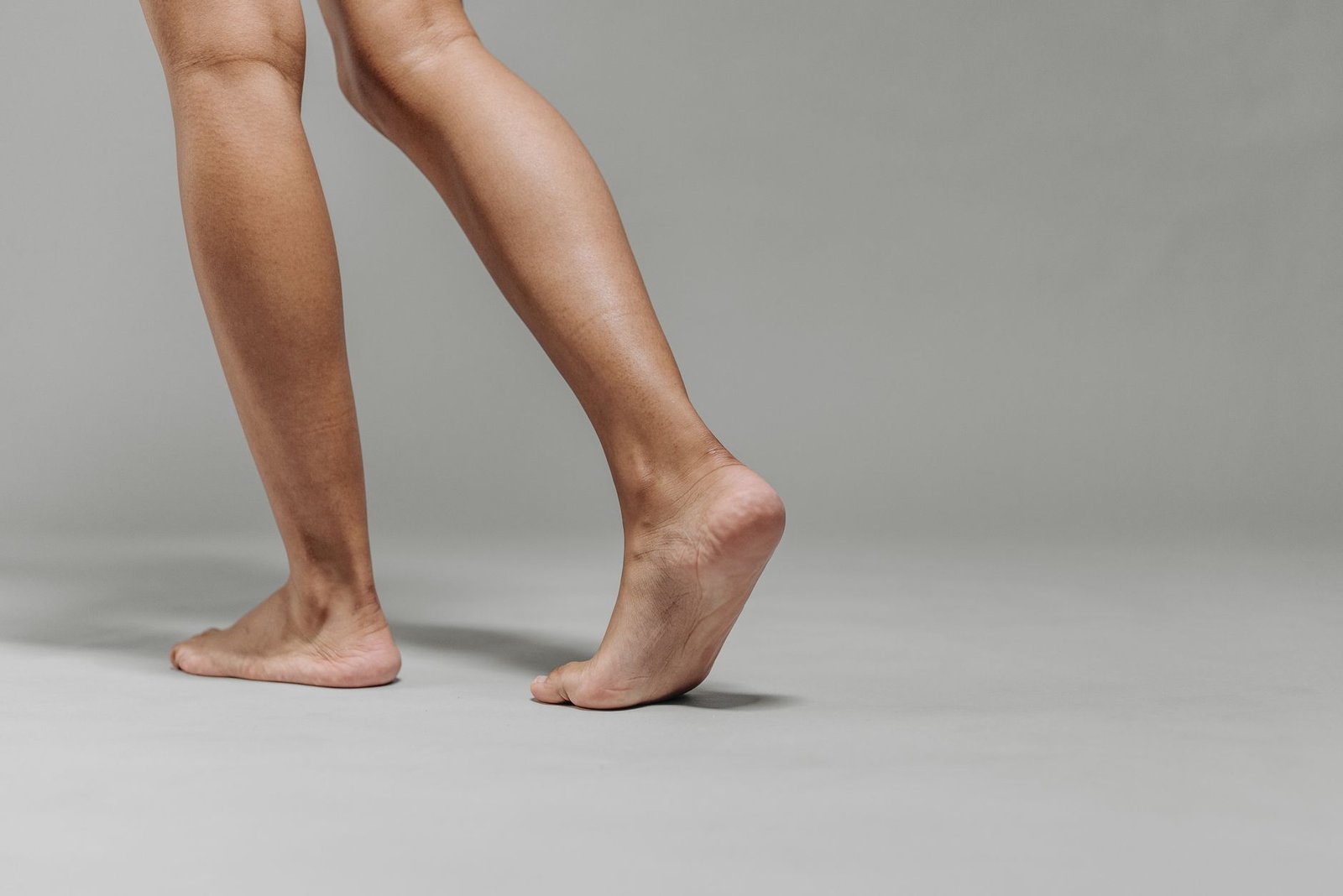
So why do so many people default to long, aggressive calf holds? Because it feels like “doing something.” But aggressive stretching after impact can irritate sensitive tissue. A targeted routine keeps intensity controlled, uses slow rocking and positioning, and prioritizes ankle range without turning the Achilles into the main pain point.
Intensity Should Feel Like Work Not Like Punishment
Your target is not maximal pain. Your target is usable mobility with tendon-friendly control. In this routine, the guiding intensity is about 7 out of 10, with slow movement and no forcing. That means you should feel a meaningful stretch and pressure, but you should still be able to breathe calmly and move with precision.
Let this be your rule: if your body demands you to yank, collapse, or flinch, you overshot. Mobility is training, not torture.
Controlled tension creates capacity; uncontrolled aggression creates setbacks.
Part One Hip Rocking Sets The Tone For Range
Start kneeling with hip rocking, using a half-kneeling position. Place the back foot so the toes turn inward and the heel pushes back, then sit your hips toward the back heel. You are aiming for a controlled hamstring–ankle/calf stretch with about 7/10 intensity, moving slowly and without forcing.
Why does this matter? Because you are not just stretching a calf muscle, you are teaching the ankle and surrounding chain to accept dorsiflexion while the hip stays organized. If you feel only the knee or only the low back, adjust your hip position and keep the stretch aligned.
Part Two Sprinter’s Lunge Uses Thoracic Reach To Stabilize
Transition into a sprinter’s lunge. Push the hips forward into a front knee adductor or groin stretch while reaching an elbow toward the ground. Then rotate through the thoracic spine as you extend the reach.
This is where many routines go wrong. They treat calves and Achilles like isolated targets. But pelvic tilt and trunk control change what happens at the ankle. When you add thoracic rotation and reach, you reduce compensations that can pull tension into the Achilles during push-off.
Part Three Bootstraps Pulse Combines Posterior Chain With Alignment
Move into a deep squat-style “bootstraps” pulse. The goal is to combine posterior-chain stretch with spinal alignment and glute or hip engagement. Keep the motion deliberate, like you are searching for a stable middle position rather than chasing depth at any cost.
Think of the pulse as a controlled “reset” for how your hips connect to your feet. If you want a simple structure for runner-focused mobility routines, use mobility for runners as a reference point for why consistency beats theatrics.
Done right, the bootstraps phase reduces the feeling of sticky stiffness and makes the next ankle work more effective. Done wrong, it turns into wobbling and strain. Keep your spine tall, your hips engaged, and your pulses slow.
Part Four Sky Reaches Improve Ankle Mobility With Posture Work
Progress to sky reaches. These improve ankle mobility while adding trunk rotation and postural muscle work. The ankle still has to move, but your body learns to distribute effort through the chain instead of dumping stress into the calf and Achilles.
Do you really need thoracic and trunk work for calf tightness? Yes, because your body routes tension wherever it has the least control. If you lock the torso and force the ankle, the Achilles becomes the buffer. If you coordinate reach and rotation, the ankle becomes the driver and the tissue load becomes more manageable.
Finish With A Wall Calf Stretch That Separates Gastrocnemius From Soleus
End at the wall. Use slow reps while pressing into the wall to drive deeper dorsiflexion. This is your opportunity to control the direction of stretch and target the tissues that matter, without turning it into a wrestling match.
The point is separation: straight-knee targets gastrocnemius, while bent-knee targets soleus and Achilles tendon emphasis. The table below summarizes the finish so you do not guess under fatigue.
| Variation | Primary Tissue | Rep Target |
|---|---|---|
| Straight Knee | Gastrocnemius | 3 slow reps x 20-40s |
| Bent Knee | Soleus and Achilles | 3 slow reps x 20-40s |
| Press Into Wall | Dorsiflexion | Hold to ~7/10 |
| Rock Forward | Tendon tolerance | 5-7 micro-moves |
| Slow Breathe | Relaxation control | Exhale on easing |
After the straight-knee and bent-knee work, you should feel the ankle open up without lingering irritation. If you get a hot, sharp Achilles sensation, back off the pressure and reduce range while keeping the slow tempo.
Move Slow, Breathe Through It, And Let Stiffness Emerge On Its Own
This routine is built on controlled, non-aggressive holds or rocking. That is the difference between mobility that restores movement and stretching that flares tissue. Slow reps create gradual load, which is what the calf and Achilles can accept after running fatigue.
If your breathing gets forced or your movement becomes jerky, you are no longer training mobility. You are testing pain tolerance. Keep the intensity around 7/10, ease into range, and treat the sensation like useful feedback rather than a scoreboard.
How Often Should You Do It After Runs
Do it consistently, not occasionally. A short targeted flow works best when it is predictable, because your nervous system learns the pattern of relief. For most runners, performing this routine after runs a few times per week is enough to manage post-run stiffness.
If you are in a heavy training block, bump frequency slightly, but do not turn it into a daily overload. Mobility is not an endurance event. Aim for 10 to 15 minutes total so you finish with clarity and calm, not fatigue.
Common Mistakes That Keep Calves Tight
First mistake: forcing end range. If you chase a deep stretch by collapsing the ankle or snapping into position, you teach your Achilles to guard. Second mistake: ignoring hip and trunk control. When the pelvis and thoracic spine do not cooperate, the Achilles compensates and tension lingers.
Fix it with these checks:
- Track your form in every step. Slow tempo should feel smoother over time, not harsher.
- Choose pressure over pain. The stretch should be intense but stable.
Still tight after one session? That is normal. Mobility improves through repeated quality exposure, not one heroic attempt.
Make This Routine A Post-Run Standard, Not A Random Experiment
Here is the real editorial point: stop treating calf and Achilles stiffness like an unpredictable consequence. Build a routine that respects anatomy, movement quality, and tendon-friendly intensity. This targeted post-run mobility flow is short, specific, and structured around what your ankle needs right now.
When you finish, you should feel more mobile, not more sore. Keep it controlled, emphasize ankle range and tissue tolerance, and let your body learn the signal that the run is followed by smart recovery. Your productivity as an athlete depends on your consistency, so do not outsource your stiffness management to luck.
Build a Targeted Post-Run Mobility Routine for Calves and Achilles After Your Runs
What Is a Targeted Post-Run Mobility Routine for Calves and Achilles?
A targeted post-run mobility routine for calves and Achilles uses controlled stretching and joint-mobility work to reduce stiffness, improve ankle range of motion, and lower calf/Achilles tension after running.
How Should You Start Post-Run Mobility With Hip Rocking for Calves and Ankle Range?
Start kneeling in a half-kneeling hip rocking position with the back foot set (toes turned inward) and the heel pushed back; sit the hips toward the back heel for a controlled hamstring–ankle/calf stretch, aiming for about 7/10 intensity, moving slowly, and never forcing pain.
What Comes Next After Hip Rocking: Sprinter’s Lunge With Thoracic Reach for Achilles Support?
Transition into a sprinter’s lunge, push the hips slightly forward into a front-knee adductor/groin stretch, and reach an elbow toward the ground while rotating through the thoracic spine to open the posterior chain without aggressive pulling.
How Do Bootstraps Pulses Improve Post-Run Mobility for Calves, Achilles, and Hips?
Move into a deep squat-style “bootstraps” pulse to combine posterior-chain stretching with spinal alignment and active hip/glute engagement, using slow pulses to feel mobility work while staying stable.
How Do Sky Reaches Help With Ankle Mobility for Calves and Achilles After Running?
Do “sky reaches” to further improve ankle mobility while adding trunk rotation and postural muscle control, using controlled reps to keep your movement smooth from the hips through the torso.
Which Wall Calf Stretch Variations Should You Use to Finish Post-Run Mobility for Calves and Achilles?
Finish at the wall with two versions: straight-knee calf stretch (gastrocnemius emphasis) and bent-knee calf stretch (soleus/Achilles tendon emphasis), pressing into the wall for several slow reps in each variation to deepen dorsiflexion; stop if you feel sharp or worsening Achilles pain.
Stick With The Targeted Routine
Post-run mobility for calves and achilles: a targeted routine works because it respects tissue tolerance and targets the exact joints that get tight after running: calves, ankle dorsiflexion, and Achilles-friendly range. If you commit to the short flow, keep every rep slow, and finish with dedicated wall calf stretching, you will trade post-run stiffness for better mechanics and fewer nagging flare-ups, so the real win is consistency, not intensity.

I am Ozan, a London-focused running writer and marathon enthusiast with a passion for helping people discover the city’s best races, running routes, walking trails, and fitness events. I research and write practical, up-to-date guides covering marathons, race preparation, training tips, running gear, and everything related to staying active in London.
My goal is to create reliable, easy-to-follow content that helps runners and walkers of all experience levels explore London with confidence, whether they’re preparing for their first 5K or their next marathon.