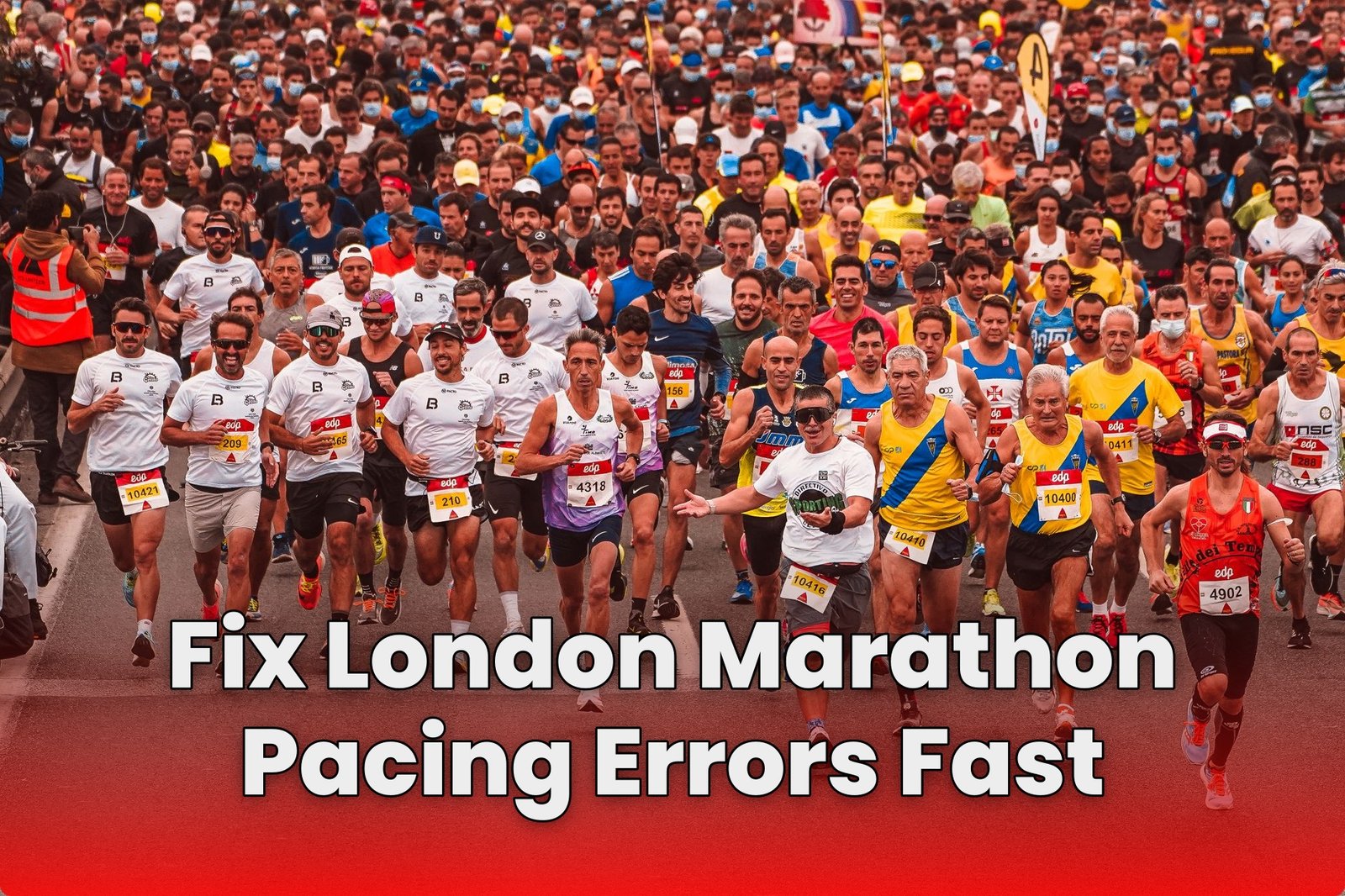
Most runners do not “lose their race” because they lack fitness. They lose it because they pace emotionally, treating adrenaline, crowds, and a hopeful finish time as instructions rather than distractions.
The most common London Marathon pacing errors are predictable: starting too fast, ignoring your plan after a rough early split, and trusting GPS pace in a city that never runs smoothly. When you go out even slightly ahead of target for the first stretch, the bill usually arrives around mile 20, and the late miles turn into damage control instead of controlled effort.
The fix is simple but not comfortable: keep your handbrake on early, run by effort and course cues when GPS wobbles, and reset immediately if you drift behind. If you want to correct pacing errors, you must build a plan you can repeat, fuel it in practice, and hold form through the final push instead of chasing “lost time” that your legs can’t afford.
The Adrenaline Trap That Starts You Too Fast
Most common London Marathon pacing errors and how to correct them begin with one culprit: you feel great at the start, so you run faster than your plan. The clock looks friendly, crowds look contagious, and the first miles quietly become a debt you will repay later.
Starting too fast is not a moral failing. It is a predictable response to adrenaline, music, and the visual thrill of passing other runners. But prediction does not help your legs at mile 20.
Want the uncomfortable truth? The marathon does not care how inspired you felt at mile 3.
Crowds And Ego That Turn A Plan Into A Guess
The start in central London compresses your decision-making. You glance at your watch, feel the surge, and tell yourself you can “thread the needle” between comfort and speed. That is how a target pace becomes a moving target shaped by ego and proximity.
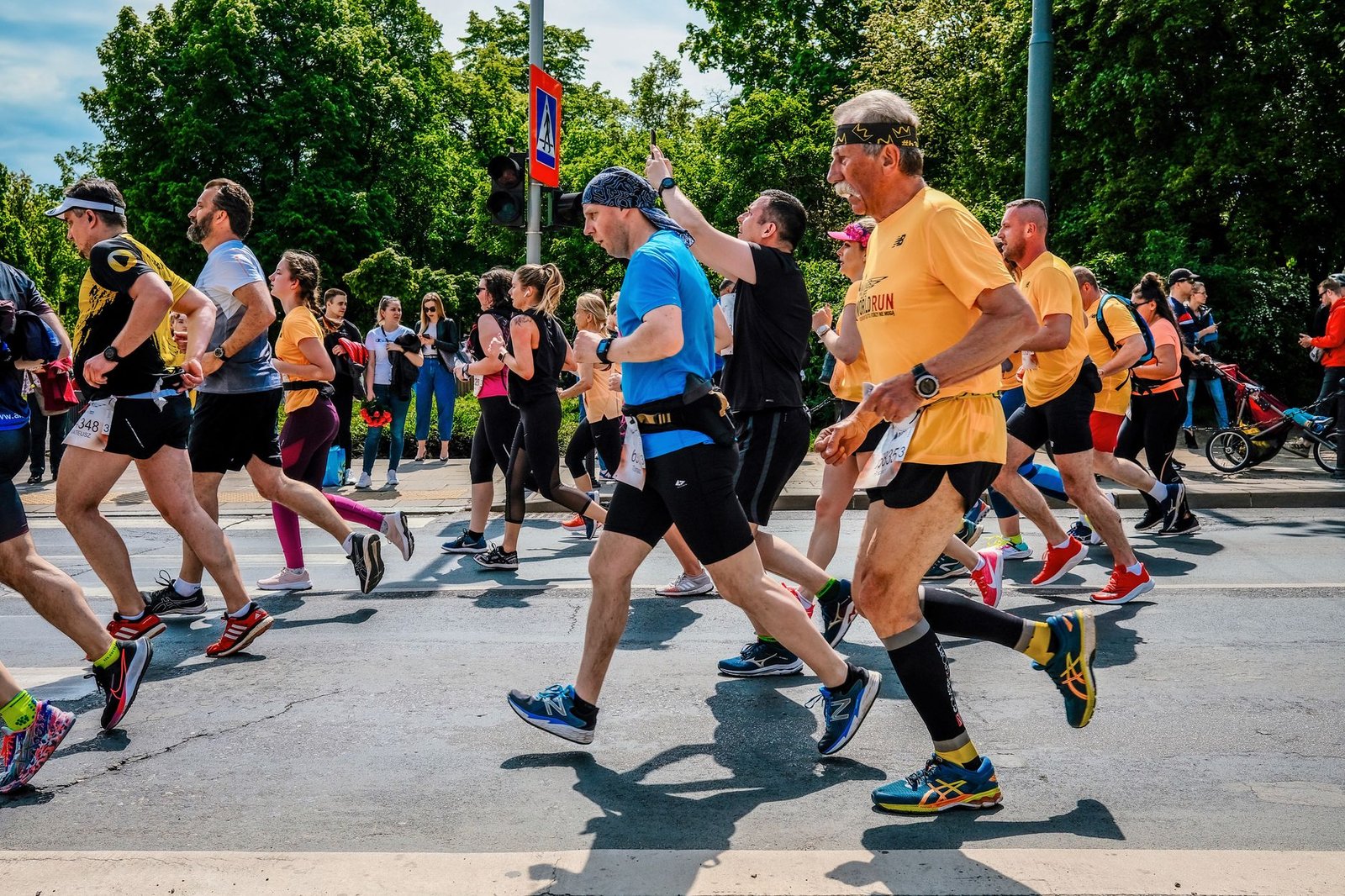
If you have a goal finish time, you already know your pace. The crowd does not add fitness to your body. It only adds noise to your judgment. When you treat noise as information, you pay with form later.
The Mile 20 Wall Is A Pace Choice
The wall around mile 20 is not random. It is the mechanical result of going out roughly 10–15 seconds per mile faster than goal pace and assuming the body will politely refund the difference. It rarely does.
When you overshoot early, glycogen depletion arrives early, stride length shortens, and every step costs more. You do not suddenly “fail.” You simply reach a point where your early mistake becomes your present reality.
Fix the overshoot, and you reduce the odds of that late-race collapse.
The Handbrake Method For The First 15K
Your first job is not to feel fast. Your first job is to stay within reach of your future self. The correction is simple and disciplined: run the early section about 5–10 seconds per mile slower than goal pace, then settle down from around 15K to 32K.
| Race Segment | Primary Aim | Measurable Check |
|---|---|---|
| 0K to 5K | Controlled effort | ~5–10 sec per mile slower |
| 5K to 10K | Stay calm | Breathing steady |
| 10K to 15K | Prepare to settle | Average pace still conservative |
| 15K to 32K | Lock goal rhythm | At goal pace by feel and watch |
| 32K to 35K | Protect form | Shorten nothing, tighten cadence |
From there, you can push or at least hold form. The strongest performances are typically even splits or slight negative splits, with the second half about 1–3 minutes faster. Why gamble when your body responds to consistency?
Even Splits Beat Heroics In London
London rewards runners who resist the temptation to “make up time” mile by mile. Even splits are not boring; they are a strategy for keeping energy systems aligned. When you run smoothly, your cardiovascular stress stays predictable and your muscles stay cooperative.
If your plan says goal pace from around 15K to 32K, treat it like a contract. The marathon is long enough that small deviations compound, and the compounding is rarely in your favor.
When GPS Lies Use Effort Not Digits
In central London, watch and GPS data can mislead you in built-up areas, underpasses, and tight turns. You see a pace spike, panic, and then force an adjustment that you did not need. The fix is to treat GPS as a rough diary, not a referee.
If you want a practical reminder that pacing is more than numbers, note last minute pacing advice and commit to effort cues when satellites get messy.
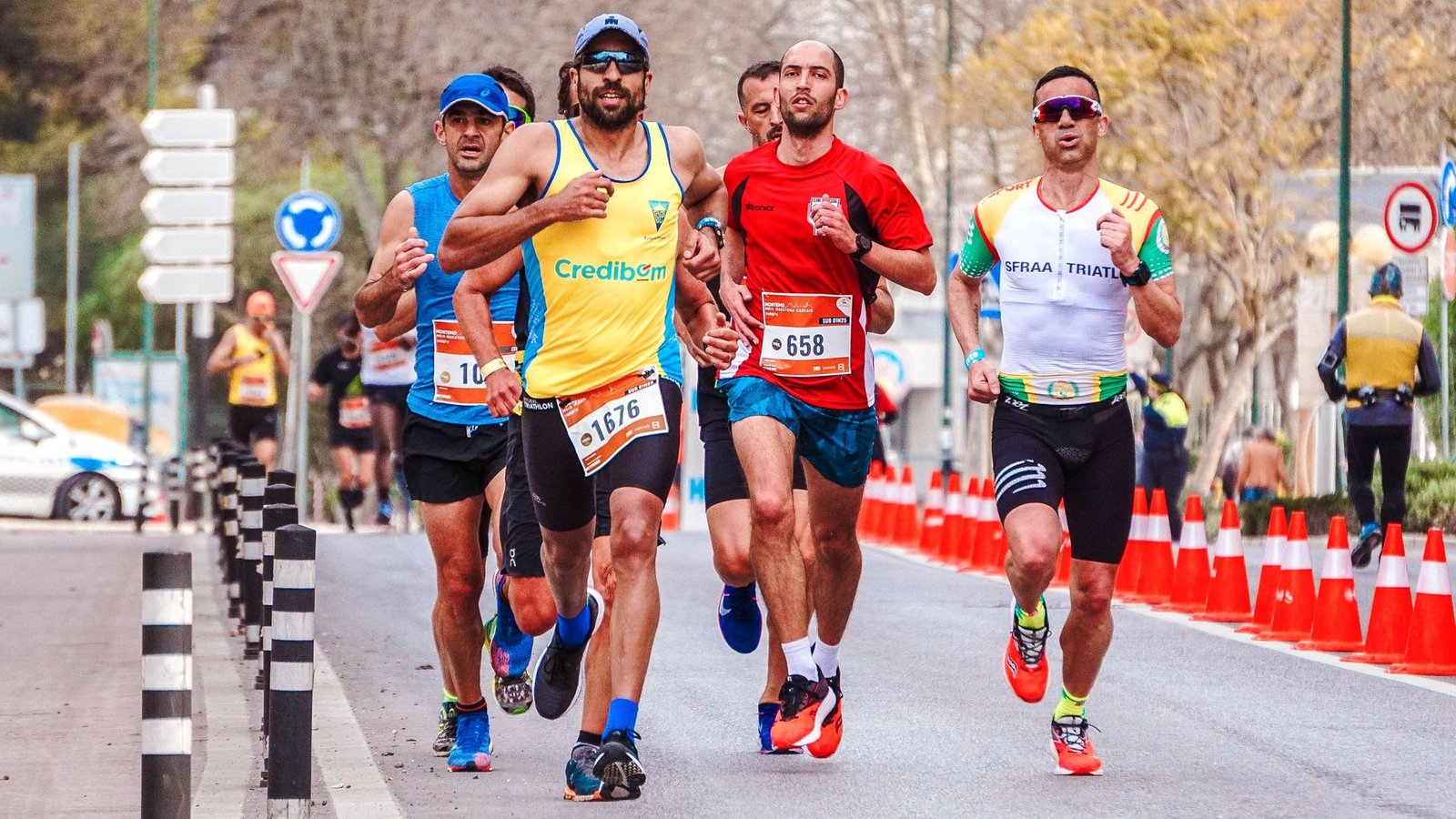
Correct pacing errors early by measuring how the run feels, not only how it looks on a screen.
The Race Plan Is Non Negotiable
Some runners miss their target not because they cannot run it, but because they refuse to follow their own instructions. They “edit” the plan on the move, chasing the version of the race that feels exciting in the moment.
Your plan should include early conservatism, a mid-race rhythm, and a defined response to discomfort. If you have to improvise every time your emotion changes, you will turn pacing into roulette.
Stop Trying To Recover Lost Time
Chasing “lost” time is one of the most expensive instincts on the course. Suppose mile 8 is about 15 seconds slow because of congestion or pacing drift. The correction is not to hammer miles 9 and 10 to “fix it.” That approach usually explodes around mile 22.
Instead, reset and return to your plan. Ask yourself a hard question: Are you trying to win the last third, or win one marker? The marathon is won later.
Fueling Late Is Still Late In Heat
Pacing problems often look like pacing problems because you only notice when your legs feel heavy. But fueling issues show up as fatigue, sluggish turnover, and a creeping drop in speed that you mistake for “the plan failing.”
Warm conditions intensify the risk. If it is warm, treat early fueling as mandatory. Do not wait for symptoms. By the time you feel behind, you are already paying interest.
Drink At Every Aid Station Above 22°C
Hydration errors magnify the same pacing mistake: you start too fast, then your body loses the margin that keeps pace steady. In warmer weather, the correction is not subtle. Above about 22°C, drink at every aid station.
Your goal is to prevent a slow burn of dehydration that turns “comfortable discomfort” into “unrecoverable strain.” Consistency is the theme again, because it works.
Hills Are Not Your Enemy Adjust On Feel
London can include sections that feel tougher than the distance suggests. On hills, the correct response is to slow slightly uphill so you can run more effectively on downs and flats. Treat hills as an energy management problem, not an ego test.
Adjust by effort cues. Your pace will vary naturally, and that variation is not a mistake. A “perfect” constant pace on hilly terrain is often just a constant rate of suffering.
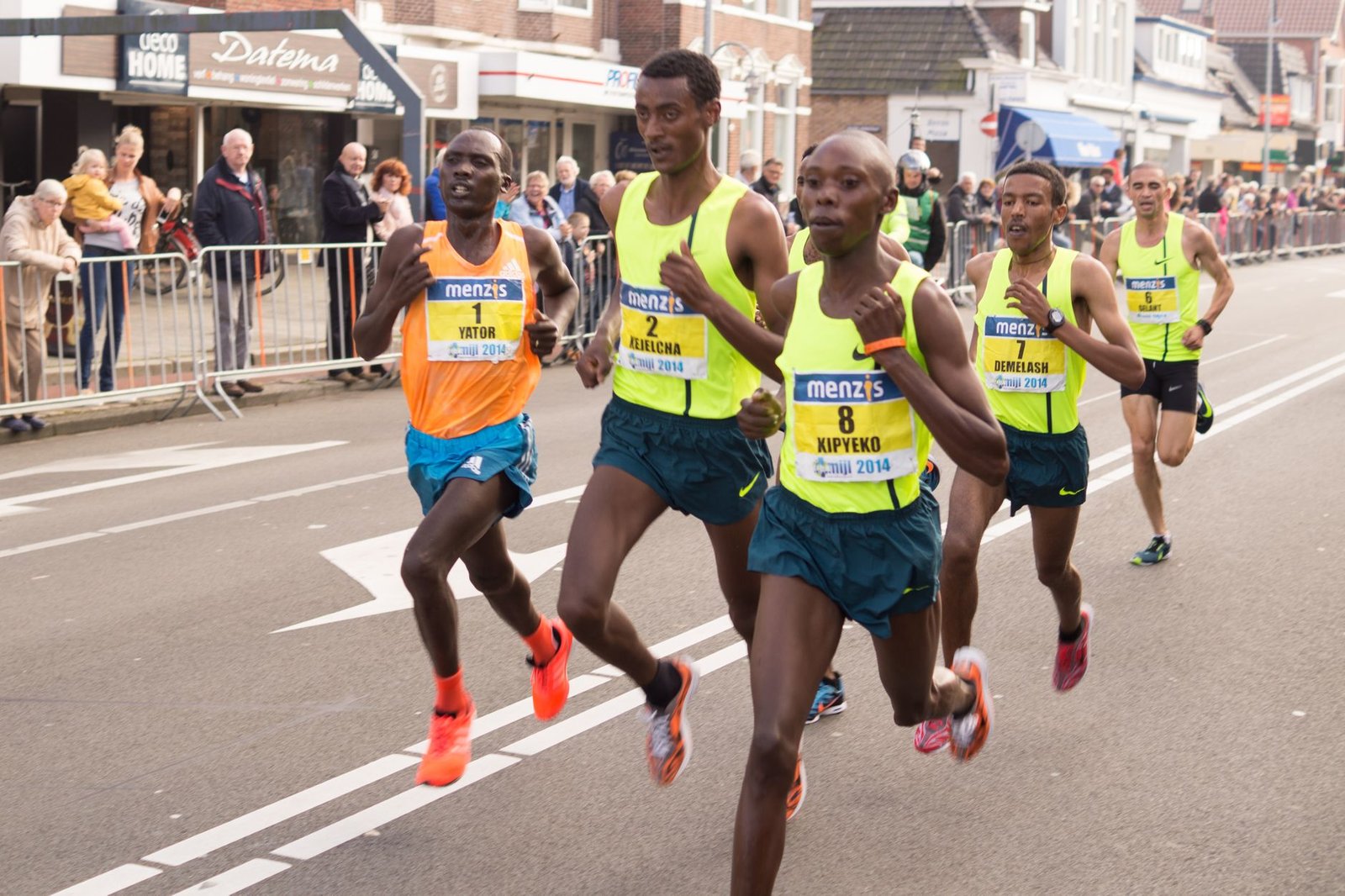
The Final 10K Demands Form And Nerve
In the last 10K, your job is to finish strong through mechanics, not through mythology. Pick a technique you can hold when tired: relaxed shoulders, controlled breathing, and a cadence you do not surrender.
Whether you choose to push or to hold, commit to the same principle: protect form. A late surge is useful only if it does not shatter your stride. The correction for late-race fade is preparation earlier, so the final miles feel like execution instead of damage control.
Common London Marathon Pacing Errors and How to Correct Them
How Do You Avoid Starting Too Fast in the London Marathon?
Starting too fast is one of the most common London Marathon pacing errors, often caused by adrenaline and crowded starts, so aim to run the first 10–15K about 5–10 seconds per mile slower than goal pace, then gradually settle into goal pace from around 15K onward.
What Should You Do If You Chase Lost Time After a Slow Section?
If you’re behind your target after a rough mile, don’t “pay it back” by running the next miles faster than your plan, because it usually backfires near mile 20, so reset mentally, return to your planned effort, and finish strong with steady form.
How Can You Use Effort Instead of GPS Pace in Central London?
In central London, GPS and watch pace can be misleading in built-up areas and underpasses, so base pacing on effort, cadence, terrain cues, and—if you use it—heart rate trends, adjusting faster downhill and slightly slower uphill instead of trusting a flawed display.
How Do Hills and Weather Change Your London Marathon Pacing Strategy?
On a hilly course, pacing by effort prevents early overreach, so slow slightly uphill to protect your pace for downs and flats, and in warm weather start hydrating early, take fluids at every aid station, and consider a small pace reduction to maintain your steady effort.
Why Is Ignoring Your Race Plan One of the Most Common London Marathon Pacing Errors?
Letting ego, emotions, or crowd pressure override your plan leads to uncontrolled early splits, so pre-build a conservative first-half approach, set realistic targets on your watch or by time checkpoints, and commit to them even when you feel unexpectedly good.
What Fueling and Hydration Mistakes Can Wreck Marathon Pacing and How to Fix Them?
Fueling problems can destroy pacing by causing energy dips around mile 20, so practice your race-day nutrition before the marathon, start carbs early, and drink regularly rather than waiting until you feel thirsty.
Fix Your Pacing Before Race Day
These common london marathon pacing errors and how to correct them are straightforward: go out with controlled discipline, recover by resetting to your plan instead of chasing splits, and judge effort over unreliable GPS when London gets busy. If you want a strong finish, you must start a little slower than ego wants, fuel early, and trust a pacing strategy that protects your legs for miles 20 onward.

I am Ozan, a London-focused running writer and marathon enthusiast with a passion for helping people discover the city’s best races, running routes, walking trails, and fitness events. I research and write practical, up-to-date guides covering marathons, race preparation, training tips, running gear, and everything related to staying active in London.
My goal is to create reliable, easy-to-follow content that helps runners and walkers of all experience levels explore London with confidence, whether they’re preparing for their first 5K or their next marathon.