Late-race form fade is a training failure, not a personal flaw. If you have ever felt your stride shorten and your posture crumble in the final miles, you already know the problem is not motivation. It is pacing, fueling, and mechanics breaking at the wrong moment, which is why the idea behind london marathon finishing tactics: how to avoid late-mile form fade matters.
I am firmly in the camp that says you should “bank” easy effort early and earn your rhythm later. Start slightly slower than goal pace, lock into an even tempo guided by effort, and then rehearse a progressive finish so your legs remember what speed feels like when fatigue shows up. Done right, the last miles feel like an extension of your plan, not a surrender.
This article will focus on tactics that protect your form under pressure: how to pace by feel instead of panicking at fluctuations, how to practice accelerations so turnover stays quick when you are tired, and how to time carbs and hydration so your body does not run out of options. You will also get a clear plan for what to do when the fade hits, so you stop guessing and start executing.
Bank Effort Early, Not Confidence
The London Marathon finishing tactics: how to avoid late-mile form fade begins with a blunt truth. If you spend too much effort in the first third, you do not “earn” anything later. You simply trade clean mechanics for a slow breakdown that feels personal on mile 20.
So why do runners gamble early? Because the start is crowded, the weather is a variable, and the adrenaline makes restraint feel like fear. But the opening miles are where you set your odds. Start slightly slower than goal pace, then decide to stay honest until your rhythm arrives.
Early banking is not passive running. It is disciplined energy management: smooth strides, relaxed shoulders, and an effort level you could repeat for another hour if you had to.
Pace By Effort, Ignore The Clock Theater
People chase numbers because numbers feel objective. Yet a GPS screen can tempt you to treat fluctuations as a problem to solve, instead of terrain and wind as conditions to respect. Effort guidance keeps you from turning the marathon into a series of accidental time trials.
Yes, you need a goal pace. No, you do not need to worship it mile by mile. Use effort as the governor. If your breathing is building too fast for the point of the race, you have already left the plan, even if the split looks “on track.”
When you lock in effort, you win something bigger than pace: you keep your stride from tightening, your cadence from falling apart, and your form from starting the fade early.

Even Rhythm Beats Heroics Through The Bridges
The course has famous landmarks, but your body only remembers one thing: whether the rhythm stays repeatable. Bridges, docks, and rolling sections can trick you into surging. That surge steals recovery time from your calves and hips, then asks for repayment in the last miles.
An even rhythm is easier said than done, because crowds and noise reward intensity. You must reward control instead. Hold a steady tempo feel, then let others sprint past on instinct while you maintain the same work rate.
Do you want a finish where you can add speed, or do you want a finish where you beg your body to remain familiar?
Rehearse A Progressive Finish Before Race Week
Late-mile fade is often framed as fitness failure. That is half the story. The other half is pacing unfamiliarity. If you have never practiced accelerating late, your legs do not magically learn the skill on race day. They either resist the change or they collapse under it.
Progressive finishes should feel trained, not improvised. In long runs and tempo sessions, practice picking it up over the final mile(s) so the body expects the demand instead of panicking when it arrives.
The goal is a controlled uptick, not a reckless sprint. When you can add speed without altering posture, you avoid the ugly mechanics that come from frantic trying.
Tempo And Mile Pickups Build Late-Speed Control
If you want London Marathon finishing tactics to protect form late, you need sessions that teach you to run fast while staying technically clean. That means tempo work with a finish acceleration and mile-to-mile pickups that end with a harder last segment.
Think in examples you can repeat. Run a 20-minute tempo at your target effort and add a faster final mile. Or do mile-to-mile pickups and finish with a harder last 200 meters. The point is simple: you practice transitioning from steady to slightly sharp while your body still has coordination.
Opposing view: some runners claim that training faster harms endurance and increases injury risk. The corrective response is training smart. These reps should be short, controlled, and built around mechanics, not chaos.
Fatigue-Proof Form With Long-Run Specificity
Mechanical breakdown is not an accident. It is a response to fatigue that you can anticipate and train for. Long runs that simulate the time-on-feet stress of marathon late miles teach you how form holds when legs feel heavy and thoughts start bargaining.
| Long-Run Element | Numeric Target | Form Cue To Hold |
|---|---|---|
| Gradual pickup | Last 3 to 5 km | Elbows drive straight back |
| Tempo finish | 10 to 20 minutes | Knees lift, relax jaw |
| Fatigue rehearsal | 2 to 3 hours | Shoulders stay down |
| Stride changes | 4 to 8×30 seconds | Increase turnover, shorten stride |
| Simulated race effort | Last 1 mile | Quiet feet, steady rhythm |
When you finish a long run with posture still recognizable, you build confidence that the late-mile fade is a solvable pacing problem, not a sentence. The body learns a script: keep technique, then add speed only when it is available.
And if you are tempted to skip these sessions to “save freshness,” ask yourself a hard question. Freshness without specificity produces a surprise at mile 20. Specificity reduces surprises.
Carbs On Schedule, Not When Willpower Fades
Depletion is the most common hidden driver of late-mile form fade. You might have the fitness, but without carbohydrate timing, your legs go from steady to heavy, and heavy makes you tighten and reach. That is how mechanics turn into damage.

Start carbohydrate intake about 30 to 45 minutes before you feel tired. Then take carbs every 20 to 30 minutes exactly as practiced. Typical intake lands around 30 to 60 g/hour, and it can reach about 90 g on race day if you trained your gut for it.
Why gamble with your stomach when you can practice it? Train the exact product, spacing, and dose so race day becomes routine rather than negotiation.
Drinks, Gels, And Sips That You Practiced
Fuel without hydration turns into a different problem: slower absorption, heavier legs, and a creeping sense that breathing is suddenly harder. That is why your plan should treat fluid and fuel as a single system rather than separate tasks.
When you take a gel, drink a few sips alongside it. Sip in a way that matches course aid stations and the conditions. If it is hot, you will need a more consistent pattern to prevent late-race dehydration from magnifying every mechanical wobble.
Practical rule: rehearse your intake on long runs. If your stomach survives the plan in training, you buy the right to keep form under stress in the London Marathon.
One Mantra, One Next Mile
The mind shapes the stride. When runners panic about the distance left, they often tighten shoulders and clamp hands, and the body follows the emotion with worse mechanics. You need a short mental tactic that keeps you technical when the race turns ugly.
Use a simple redemption-style mantra or any word cue that snaps you back to form. During effort spikes, relax shoulders, soften hands, and keep the jaw loose. Then commit to the smallest actionable unit: run the next mile.
How do you stop the dread at mile 19? You replace the entire marathon in your head with a single decision and a single rhythm.
When The Fade Hits, React Like A Technician
Late-mile fade will happen sometimes, even to prepared runners. The question is whether you respond with control or collapse into frantic compensation. A controlled response protects form and increases your chance of staging a recovery.
As soon as the fade arrives, take fuel immediately if you have not yet. Then back off pace in a controlled way by a few seconds per mile before collapse. Shorten your stride slightly, increase turnover, and keep shoulders from creeping up.
Assess again at the next aid station. You are not “giving up.” You are correcting. Athletes who correct early can still finish with intent.
Use GPS Like A Tool, Not A Dare
GPS is useful when it helps you monitor pacing logistics and effort changes. It is harmful when it pulls you into chasing bouncy virtual splits that vary with crowd density, buildings, and turn sharpness. London offers plenty of moments where virtual pace can lie.
Manual lap splits and effort cues are more reliable than chasing a number through areas like Canary Wharf. If your split swings wildly but your breathing and posture feel steady, trust the feeling. If your legs feel empty, do not interpret a tempting GPS line as permission to push.
For a finish that avoids late-mile form fade, aim for a negative split when you still feel strong, then push confidently only when your mechanics are still intact.
Finish Strong Without Chasing Perfect Splits
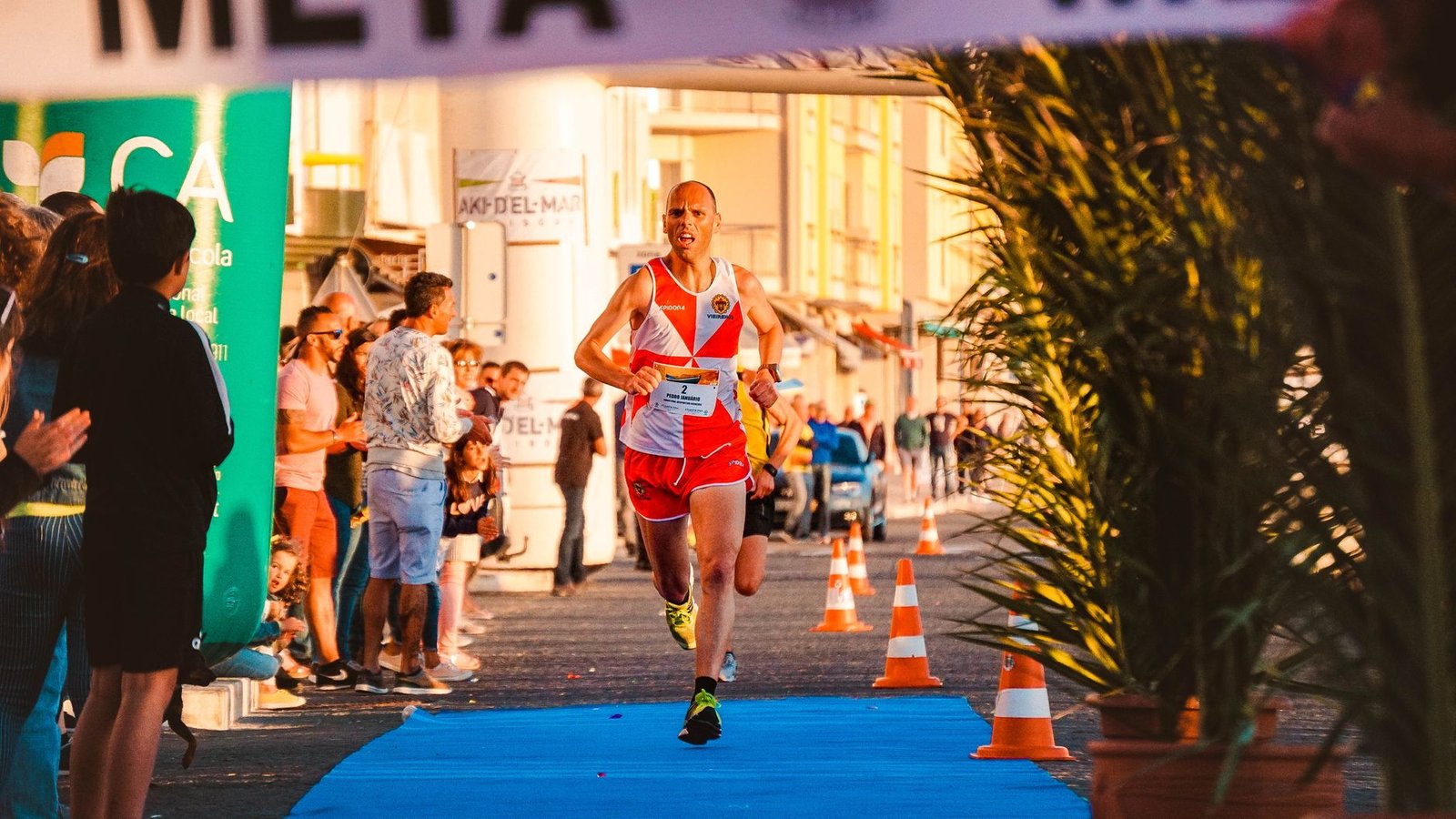
The final miles are where confidence turns into speed, or speed turns into noise. Your job is to make the last push match what you trained: form first, then intensity. A frantic sprint when technique is slipping usually ends in a shorter stride, collapsed posture, and slower progress.
When you have even a little strength left, add speed in the final two miles. If you need a trigger, think about the last surge as a progressive finish rehearsal made real. If you still have legs, accelerate. If you do not, hold technique and keep moving forward without panic.
If you want a clear framing for the sprint approach, see finish kick ideas that match how runners execute the last stretch under pressure.
London Marathon Finishing Tactics: How Do You Avoid Late-Mile Form Fade?
How Do You Bank Easy Effort Early in the London Marathon?
Start the first miles slightly slower than goal pace, then settle into a steady rhythm guided by effort so you save energy for a controlled pick-up later.
What Pacing Plan Helps Prevent Late-Mile Form Fade in London?
Use effort and manual lap checks rather than chasing noisy GPS splits, aim for even effort early, then add speed gradually when you still feel smooth.
Which Training Workouts Teach a Strong Progressive Finish?
Practice progression in tempo runs and pickups, such as accelerating over the last mile, and include short fast reps near mile pace after warm-up to protect mechanics when legs fatigue.
How Should Fuel and Hydration Be Timed to Stop Form Slipping Late?
Take carbohydrates about 30 to 45 minutes before you feel tired, repeat carbs every 20 to 30 minutes as practiced, and drink alongside fuel so dehydration does not drag your form down.
What Running Cues and Mental Tactics Keep Your Form Under Pressure?
Keep cues simple and repeat them during strain, like shoulders relaxed, jaw loose, and elbows driving straight back, then focus on running the next mile instead of the whole race.
What Should You Do When the Fade Hits in the Last Miles of the London Marathon?
React quickly with the next fuel dose, then reduce pace in a controlled way, shorten stride and increase turnover, reassess at the next aid station, and resume a stronger rhythm if you recover.
Own The Final Miles With Clear London Marathon Finishing Tactics
To beat late-mile breakdown, follow the london marathon finishing tactics: how to avoid late-mile form fade by banking easy effort early, settling into an even rhythm you can sustain, and rehearsing a progressive finish so speed comes after fatigue, not because of it. Then protect your mechanics with form cues in fast reps, build durability on long runs that feel like the race, and fuel on schedule before depletion shows up. The last miles will reward the work you practiced and punish the effort you ignored earlier, so plan it, rehearse it, and run the final stretch like it already belongs to you.

I am Ozan, a London-focused running writer and marathon enthusiast with a passion for helping people discover the city’s best races, running routes, walking trails, and fitness events. I research and write practical, up-to-date guides covering marathons, race preparation, training tips, running gear, and everything related to staying active in London.
My goal is to create reliable, easy-to-follow content that helps runners and walkers of all experience levels explore London with confidence, whether they’re preparing for their first 5K or their next marathon.