
Most marathon breakfast advice misses the point. If you show up to the London start line thinking you need “healthy” food, you can end up with a heavy stomach instead of steady fuel. The real goal is simple: a pre-race breakfast that digests easily and tops up your muscles fast.
London morning breakfast for marathoners should lean hard on easy carbohydrates eaten about 2 to 4 hours before the start, when digestion has time to settle. Keep fat, fibre, and heavy protein low, since they tend to slow you down or trigger gut trouble. Think white toast with jam or honey, porridge, rice, cereal, or a banana, and use small amounts of protein only if they have never bothered your stomach.
Once the meal is sorted, hydration and consistency matter just as much. Aim to drink alongside the breakfast, and if solid food feels risky, shift some of your carb intake to something gentler like a sports drink. Most importantly, eat the exact breakfast you practiced in training, then build on it with your planned fueling so the start feels calm, not chaotic.
Stop Treating Race Morning Like a Nutrition Experiment
Let me be blunt about a common mistake in the London morning breakfast for marathoners discussion. Most people do not lose a marathon because they lacked a “perfect” food. They lose it because they tried something new, chased health trends, or overcorrected after a bad training day.
Race day is when your digestive system stops being a hypothesis and becomes a liability. If breakfast is too heavy, too high in fibre, or too different from what you trained, the outcome is predictable: cramps, urgency, and a pace that drops before the first mile clock even settles.
If your breakfast decision is a gamble, why are you spending it on race morning? The only smart strategy is to treat breakfast as performance fuel plus gut insurance.
Timing the First Meal Beats Any Superfood
The best pre-start meal is not the one with the most buzzwords. It is the one that finishes digesting before you line up. Aim for easy-to-digest carbohydrates eaten about 2–4 hours before the start, so digestion is complete and stomach comfort stays steady.
Why that window? Because marathon pace is unforgiving. If gastric emptying lags, you run with discomfort in your abdomen instead of energy in your muscles. And if you eat too early, you may arrive hungry and under-fuelled, then start bargaining with yourself mid-warm-up.
Timing is the first ingredient. Once you lock it in, you can pick foods that behave.
Choose Carbohydrates Because They Spend Faster
Carbs are the fastest route from morning plate to starting gun. They convert into usable energy without asking your gut to do a big, slow job first. That is why race-morning breakfasts that work are mainly easy-to-digest carbohydrates, with minimal fat and fibre.
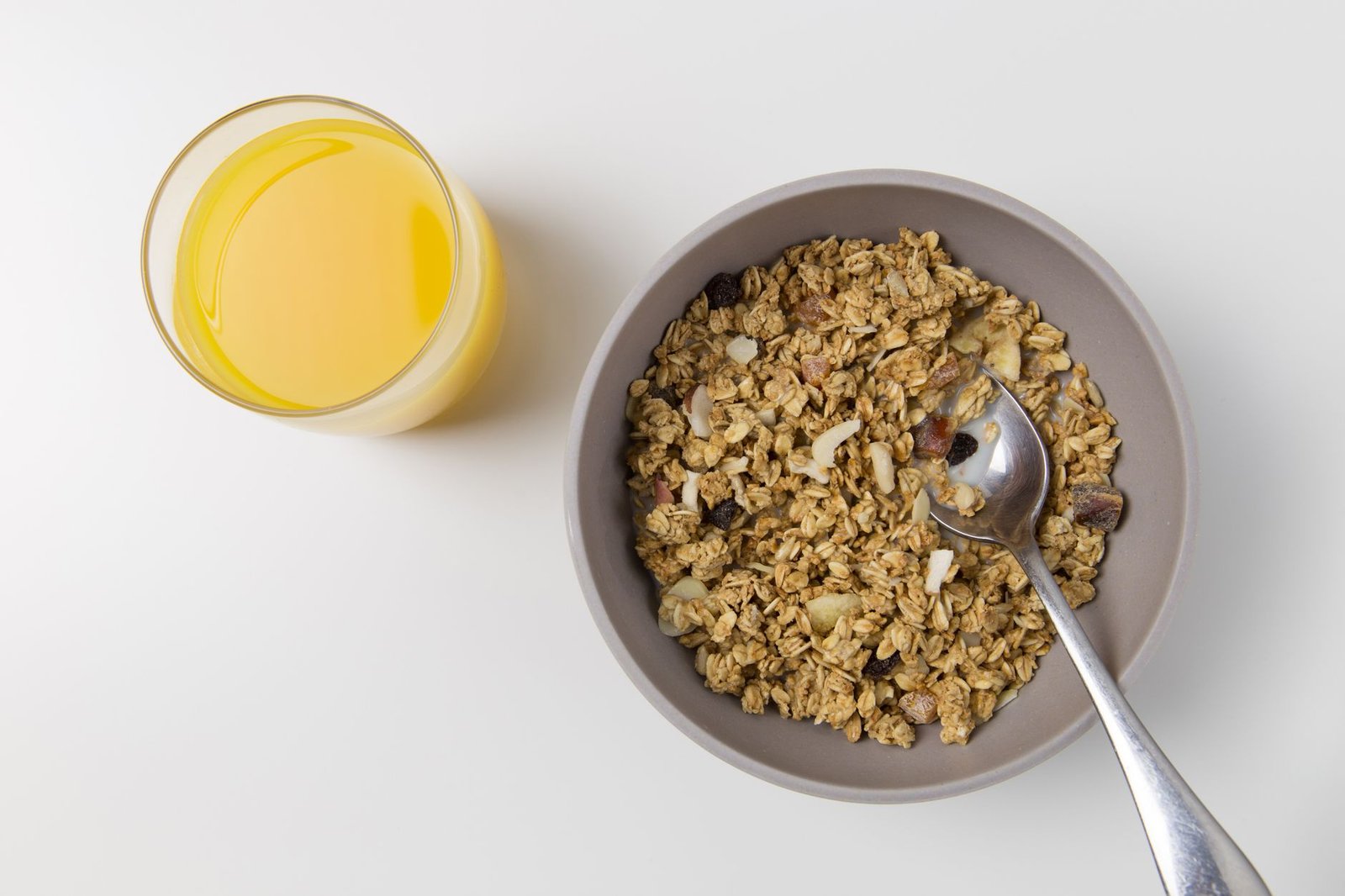
Think of your body like a budget on race day. You need cashflow when the run starts, not a long-term investment plan. A bowl of porridge, a banana, toast with jam, or rice can keep that cashflow reliable because they are familiar, low-friction fuels.
Performance comes from energy that arrives on time, not from meals that take a detour through digestion.
Cut Fibre, Fat, and Heavy Protein for Gut Peace
If you want fewer bathroom stops and fewer “why is my stomach doing that” moments, you must respect the boring basics. High-fibre foods can contribute to bloating and gastrointestinal upset during the race, and heavy fat slows digestion when you need it to move.
Keep heavy protein small, too. Some runners tolerate a bit of yogurt or milk, but large protein portions can drag digestion and leave you feeling sluggish or unsettled. This is not about nutrition purity. It is about race-day mechanics.
- Avoid high-fibre choices on race morning
- Keep fat light and portions modest
- Limit heavy protein unless you have proven tolerance
Practice the Exact Breakfast You Will Eat
The most reliable rule is simple: eat the exact same breakfast you practiced in training. You cannot “research” your way out of stomach chemistry on the day itself. Your gut adapts to routines, and marathon pacing punishes surprises.
In training, you learn two things that matter. First, which carbohydrate sources you tolerate when your heart rate climbs. Second, what portion size actually feels calm at mile 3 and not “fine” only at mile 0.
Why test your stomach under race pressure? If it is not already proven, do not make it your experiment.
Build a London Morning Carb Menu You Can Repeat
Pick a menu that is easy to digest and easy to reproduce under London morning stress. To make this practical, use a simple timing structure that keeps carbs flowing while minimizing gut risk.
| Timing Before Start | Carbohydrate Target | What To Eat |
|---|---|---|
| 3 to 4 hours | 60 to 100 g | White toast with jam or honey |
| 2 to 3 hours | 50 to 80 g | Porridge with honey |
| 2 hours | 40 to 70 g | Bagel with honey |
| 90 minutes | 20 to 30 g | Banana |
| 30 to 60 minutes | 20 to 30 g | Small sports drink or gel |
Notice the pattern: carbs show up early and again close to the start, but the “again” portion is controlled and familiar. That is how you stay fuelled without turning breakfast into an upset stomach.
Use the same choices for race day and key long runs, and you remove uncertainty from your biggest variable.

Hydration Before the Gun Is a Numbers Game
Hydration is not a feeling. It is a plan. In the hours before the start, target roughly 500 ml of water, and if you need a guide based on body size, some guidance suggests 5 to 7 ml per kg about 3 to 4 hours pre-start.
Do not wait for thirst. If you arrive slightly dehydrated, your body tries to borrow water from somewhere else during the run, and that is when people feel heavy and “off.”
For timing and amounts, runners keep finding pre-race nutrition tips useful because they align hydration with comfort, not with guesswork.
Liquid Fuel Saves Nervous Stomachs
If solid food is unpredictable for you, liquid carbohydrates can be gentler while still delivering energy you can use quickly. Smoothies, juices, and sports drinks are often easier on the gut when nerves or stress make chewing feel like a risk.
Liquid does not mean random. Keep fibre low, avoid chunks, and choose flavours you have already tolerated on long runs. If you know you digest better with a drink, then your “London morning breakfast” should be a planned option, not an emergency fix.
Does your stomach tense up when the plate hits the table? Then switch to a liquid strategy and practice it, just like any solid breakfast.
Carb Loading Works When It Starts Two Days Early
Carb loading is useful, but it is not a late-night panic. The goal is to build carbohydrate availability in your body, then arrive at the start ready to use it. A common target used by endurance athletes is about 7 to 12 g carbohydrate per kg per 24 hours for the loading period.
Start it roughly two days out, not the night before, and then top up again after warming up with additional carbs. That approach respects digestion and helps you avoid the “I ate too much, too late” problem.
Fuel is a timeline. Treat it like one.
Your Breakfast Sets Up Race-Day Fueling
Breakfast is not a one-off. It is the first checkpoint in a larger fueling plan. If you eat a high-friction meal, you start the marathon behind, and then you try to catch up while your gut is already stressed.
Once the race begins, continue fuelling with roughly 30 to 60 g of carbohydrate per hour. You are not choosing between breakfast and in-race fuel. You are building momentum with steady intake that matches the work.
And if you are taking a final pre-start carb, aim for around 20 to 30 g in the 30 to 60 minutes before the start, like a gel or about 500 ml of sports drink.
Avoid Experimenting on Race Week
Race week grocery lists should look like a boring routine, not a creative manifesto. If your normal breakfast includes fibre-heavy additions, swap them out early enough that you can test tolerance during training, not during taper week chaos.
It is also worth protecting the things people forget. New coffee brands, high-dose supplements, unfamiliar sauces, and “healthy” cereal experiments can all change digestion timing. You are aiming for repeatability, not novelty.
- Keep the carbs you tolerate
- Keep portions stable
- Keep additives predictable
Comfort Wins Because It Protects Your Pace
Here is the core argument behind every smart London morning breakfast for marathoners plan. Comfort protects pacing, and pacing protects results. A breakfast that triggers bloating, nausea, or urgency steals focus and forces micro-adjustments that add up.
When you eat easy-to-digest carbohydrates 2–4 hours pre-start, limit fibre and fat, keep protein modest, and hydrate with a clear target, you give yourself a calm start. That calm start makes it easier to execute your fueling and pacing decisions later.
So before you ask what is trendy, ask what is repeatable. If you want the best odds, choose the breakfast you have already proven works.
London Morning Breakfast for Marathoners: What Works Before the Start
How Long Before the London Start Should Marathoners Eat Their Breakfast?
Most London marathoners do best eating a mainly easy-to-digest breakfast about 2 to 4 hours before the start so digestion finishes and your gut feels comfortable on race day.
Which Carbohydrate Foods Work Best in a London Morning Breakfast for Marathoners?
Choose quick, gentle carbs such as white toast with jam or honey, bagels with honey, porridge, rice, cereal, or bananas, and keep fat and heavy protein low.
What Should Marathoners Avoid in the Hours Before the London Start?
Avoid high fibre and heavy, high-fat meals, and skip foods like large amounts of bran, nuts, and seeds if they upset your stomach, since fibre can increase bloating during the race.
How Should Marathoners Hydrate With a London Morning Breakfast Before the Start?
Drink alongside your breakfast and aim for roughly 500 ml in the hours before the start, then keep small sips going as needed so you feel hydrated without overfilling your stomach.
Is a Liquid-Carb Option Better Than Solid Food for a Pre-Start Breakfast?
If solid food feels risky, try liquid carbs like a smoothie, juice, or sports drink so you can get fast energy with less gut discomfort, while still keeping fibre and fat low.
How Do Carb Loading and Training Practice Guide Your London Morning Breakfast?
Start carb loading about 2 days before the race, then increase carbs again after warming up, and above all eat the same breakfast you practiced in training to match your digestion and fuel needs.
Time for the Right Pre Race Breakfast
For this london morning breakfast for marathoners: what works before the start, the answer is simple: choose carbs you digest quickly, keep fibre and fat low, and get the timing right so your gut is settled. Eat a familiar option like porridge or white toast with jam about 2–4 hours before the gun, sip water, avoid heavy protein and anything that has caused stomach trouble before, and switch to liquid carbs if solids make you nervous. Practice the exact same breakfast in training because race day rewards preparation, not guesswork.

I am Ozan, a London-focused running writer and marathon enthusiast with a passion for helping people discover the city’s best races, running routes, walking trails, and fitness events. I research and write practical, up-to-date guides covering marathons, race preparation, training tips, running gear, and everything related to staying active in London.
My goal is to create reliable, easy-to-follow content that helps runners and walkers of all experience levels explore London with confidence, whether they’re preparing for their first 5K or their next marathon.