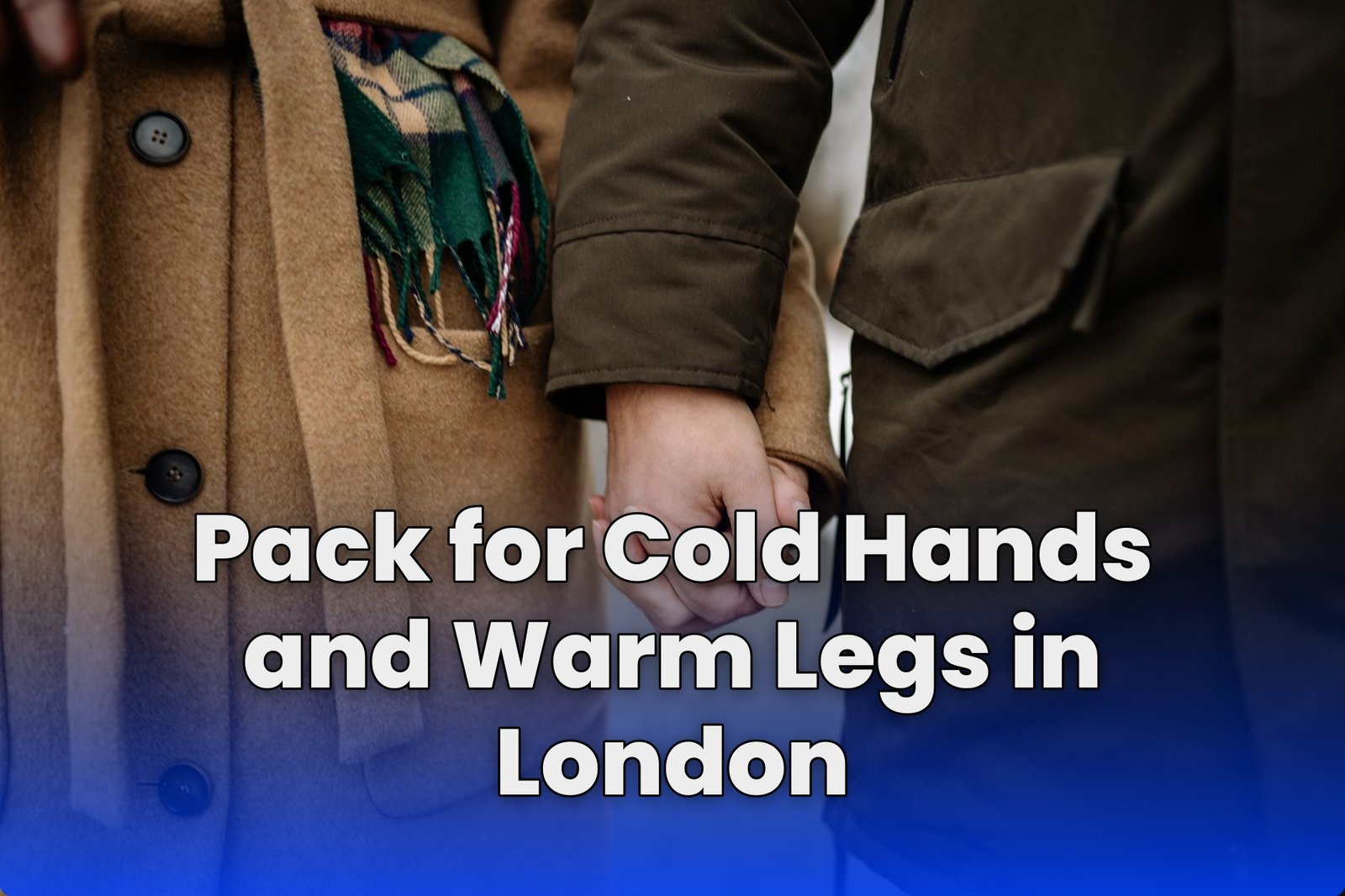
Cold hands and warm legs should be your London packing rule, not an afterthought. London weather swings can turn a “fine” walk into wet misery fast, and thin layers lose the moment the wind hits. I think you should pack for the coldest likely moment and still feel comfortable when the temperature changes.
For warm legs, start with a proper base layer like thermal underwear or a wool-rich base, then add tights or leggings under thicker trousers or jeans. If rain is in the mix, choose quick-drying or water-resistant bottoms so your legs stay warm even when the pavement is damp. Don’t rely on one heavy pair of pants, because the layering is what traps heat.
For cold hands, bring insulated or thermal gloves and a thick scarf you can wrap for extra wind protection. If you expect a true cold snap, hand warmers are worth it, but only if you want steady warmth for long stretches outside. Finish the look with waterproof, insulated boots and thick socks, because cold feet are what usually turns into cold hands anyway.
London Weather Swings Demand Leg-First Planning
If you are asking what to pack for cold hands and warm legs in london weather swings, start with the legs. In London, rain and cold air travel up from the pavement. When your legs are warm and dry, your hands usually feel less threatened by chill.
Warm legs buy you time. Cold hands take it away fast.
Think in layers and barriers, not in single miracles. A good plan covers two risks at once: wetness and wind. Which matters more when you are walking for 20 minutes through drizzle and suddenly hitting a cold snap?
Layering Beats Looking Stylish
Layering is not a compromise. It is a control system for temperature. Choose a thermal or wool base, then add a sweater or jumper, then top it with a warm, hooded coat when the sky turns.
The mistake people make is dressing for one temperature only. London rarely stays put, so you need layers you can tolerate when you are walking, then cool down and re-warm when you step indoors.

Yes, you can still look sharp. The point is that warmth should come from the stack, not from one bulky item that forces you to sweat until you reach your next destination.
Waterproof Is a Strategy, Not a Fashion Claim
Rain in London is rarely a clean, cinematic shower. It is mist, drizzle, and sudden downpours that soak cuffs and hems. Your best defense is waterproof outerwear plus fabrics that dry quickly when you stop.
Look for a hood and sealed seams on your coat. Then pair it with trousers that do not absorb water like a sponge. If your legs stay dry, you feel warmer even when the temperature drops.
A waterproof layer is measurable behavior: water repels, wind slows, and damp does not cling. If a garment “feels” water-resistant but wets through after a short walk, it is not doing the job.
Cold Hands Need Insulation and Grip
Gloves that look warm but lack insulation fail the London test. Your hands lose heat through wind and contact, especially when you are holding a bag strap, gripping a rail, or using your phone with wet fingertips.
Choose insulated or thermal gloves with a good grip surface. If you expect below-freezing periods, pack hand warmers as a backup. They are small insurance for long waits, early mornings, and late-night commutes.
Do you really want to tough it out with thin gloves because you hate bulk? In practice, warm hands keep your attention on what you are doing, not on self-protective shivering.
Warm Legs Start With Fabrics and Fit
Warm legs come from the right materials and the right fit. Start with thicker trousers or jeans, then add tights, leggings, or thermal underwear when the cold snap hits. Wool or thermal bases work well because they retain heat when dampness appears.
Fit matters because gaps let cold air in. If your underlayer bunches or slides, you create cold channels. Smooth, snug coverage around the legs helps your body keep a stable temperature while you walk.
When people complain that they are “cold everywhere,” they often mean their legs are losing heat to wet air and drafts. Fix the bottom first and the rest follows.
Use Numbers to Build a Cold Hands Warm Legs Kit
Build your kit with measurable targets so you are not guessing on day one. Aim for waterproofing you can trust, insulation you can feel, and backup warmth for the worst hour.
Winter packing tips are useful, but your final decision should match your walk time and your tolerance for wet fabric.
| Item | Target Spec | Measurable Benefit |
|---|---|---|
| Waterproof Coat | Hood plus sealed seams | Water resistance 5,000 mm+ |
| Thermal Base | Wool or thermal knit | Retains warmth when damp |
| Insulated Gloves | Wind-block lining | Insulation 100g-class |
| Hand Warmers | Cold snap backup | 6 to 12 hours heat |
| Waterproof Boots | Insulated, preferably mid height | Warm socks plus no seep |
Once you lock these specs in, you stop reacting to every sky shift. You walk, you adapt, and you do not spend the day trying to thaw out your hands at the first coffee shop.
Umbrellas and Shell Pants Catch the Rain Early
In London, an umbrella is not optional if you want dry legs. A compact but sturdy umbrella matters because wind will flip weak frames and cobblestones will soak your lower layers when you move fast.

Pair it with waterproof or quick-drying pants when the forecast threatens sustained rain. If your legs keep drying between stops, you stay comfortable long after everyone else has “just accepted it.”
Here is the real tradeoff: carrying a bit of gear beats replacing a ruined day. Wet trousers ruin warmth, and warmth controls mood.
Pack for Cobblestones and Standing Time
Walking is one thing. Standing still is another. London often forces you into queues, crossings, and stops on platforms where cold air settles and soaks through footwear.
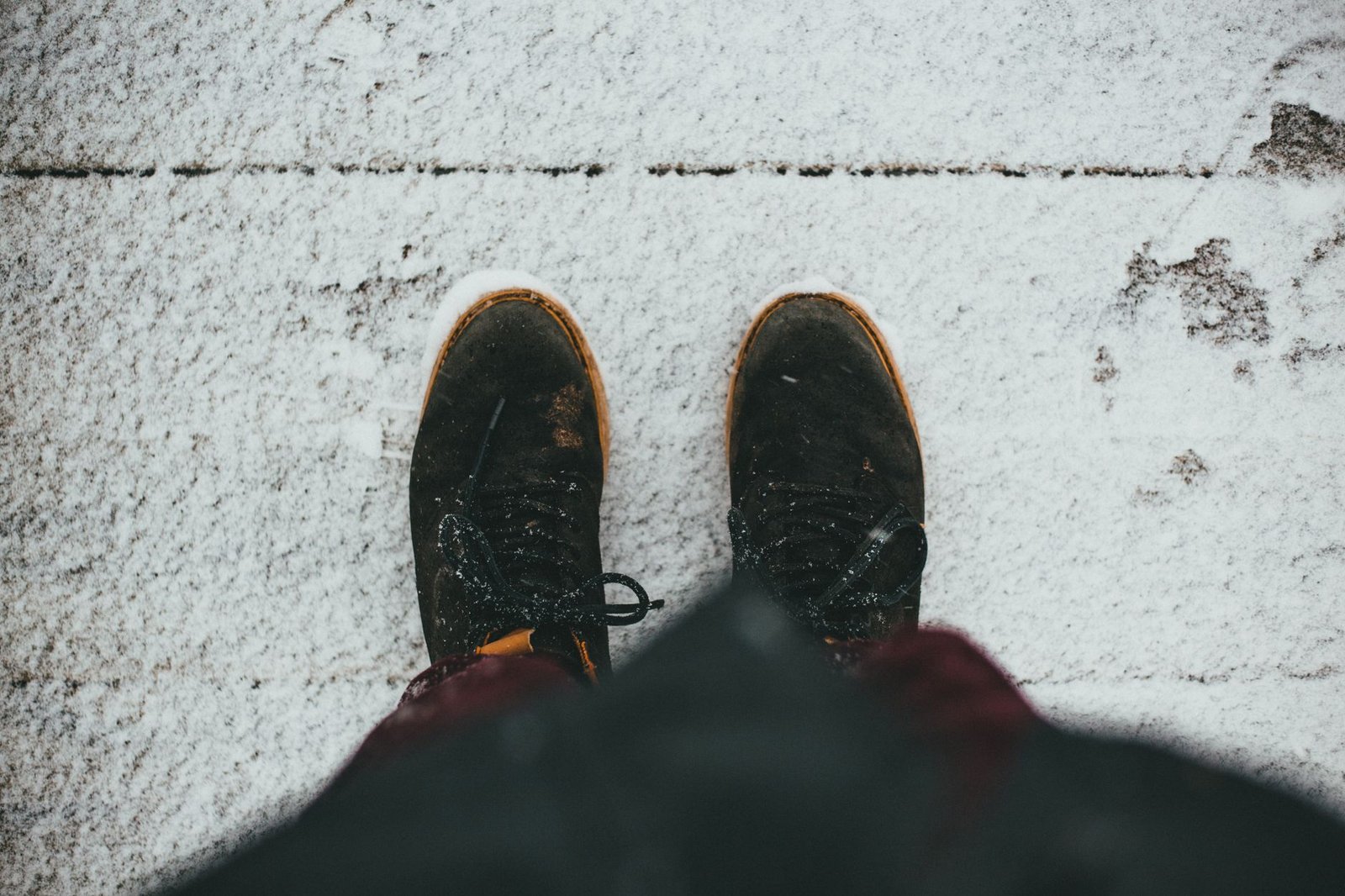
Choose high, waterproof, insulated boots when it is especially cold. Add thick, warm socks and consider thermal long underwear if you expect long outdoor stretches.
If you plan to stand in one place for 30 minutes, build that into your packing. Your kit should not work only for movement. Comfort must hold during stillness.
Check Forecasts, Then Pack for the Worst Hour
Weather swings reward preparation. Check the forecast, but do not pack like the day will be average. London can shift quickly, and the “worst hour” is usually when you are commuting, transferring, or walking longer than planned.
Bring layers that you can add without fuss. When cold hits, you want speed: pull on a layer, secure your hood, adjust your gloves, and keep moving.
This is also where hand warmers earn their space in your bag. They turn a miserable stretch into a manageable one.
Avoid the Classic Mistakes That Soak You
Most “London cold” stories start with predictable failures: thin gloves without wind protection, cotton bases that absorb moisture, and shoes that let water seep even when the uppers look fine.
Another common error is skipping leg insulation. People remember gloves, then forget that wet shoes and damp trousers pull warmth away from your body core. If you warm your legs first, you reduce the domino effect.
- Skip cotton as your thermal base in cold drizzle
- Do not rely on “water-repellent” for wet cobblestones
You deserve a kit that works the moment you step outside, not after you notice your hands are numb.
Spending Smart Wins More Warmth per Pound
You can spend wisely without buying everything new. Prioritize where performance matters most: waterproof outer layers, insulated gloves, and boots that do not leak. These items control whether warmth stays with you or drains away.
For clothing, aim for a system. One solid waterproof coat paired with a thermal base gives better results than chasing novelty pieces that add bulk without solving wetness.
Ask yourself one question before purchase: will this keep your legs dry and your hands responsive when it rains and the wind rises?
Test Your Kit at Home Before You Fly
Do a simple dry run before travel. Wear your base layer, add the jumper, put on the coat, then walk around your home for 15 minutes. If you feel overheated, you need better layering control, not thinner gear.
Test your gloves by gripping your bag strap and tapping your phone. If you feel stiffness or cold pressure in your fingers, switch to insulated gloves with better fit. Try your socks and boots together so you know whether the boot height and sock thickness match your comfort.
When you arrive prepared, you enjoy London instead of bargaining with the weather. Your legs stay warm, your hands stay nimble, and the city becomes something you move through, not something you endure.
How to Pack for Cold Hands and Warm Legs in London Weather Swings
What Should I Pack for Cold Hands and Warm Legs in London Weather Swings?
Pack a warm, waterproof hooded coat, thermal or wool base layers, sweaters, insulated or thick trousers with leggings or tights, and long underwear if needed, plus insulated waterproof boots, warm socks, thermal gloves, and a thick scarf.
Which Clothing Layers Keep Your Legs Warm When London Weather Changes Fast?
Start with a thermal or wool base layer, add a warm mid layer if it is cold, and keep your legs insulated with thicker trousers or jeans plus tights or leggings, using long underwear on colder days and breathable fabric to reduce sweat.
What Gloves, Scarves, and Hats Work Best for Cold Hands in London?
Choose insulated or thermal gloves that still let you move comfortably, bring a thick scarf, and consider a beanie for windier mornings, optionally adding small hand warmers for below-freezing cold snaps.
How Do I Choose Waterproof Boots and Warm Socks for Rainy London Walks?
Pick waterproof, insulated boots with good traction, ideally with a higher shaft when it is very cold, and wear thick warm socks, layering thin liners under thicker socks if your feet get chilly.
Should I Bring a Waterproof Umbrella and Weatherproof Layers for London?
Yes, carry a compact but sturdy umbrella and choose quick-drying or waterproof outerwear so your clothes do not stay wet, with waterproof pants or gaiters if you expect heavy rain or lots of walking on wet sidewalks and cobblestones.
How Can I Stay Warm on Cold and Wet Days in London Without Overheating?
Use layers you can adjust, such as a thermal base under a sweater and a waterproof outer coat, keep airflow with breathable fabrics, and remove a hat or loosen scarf slightly when you warm up indoors or on longer walks.
Pack Smarter For London Weather Swings
If you want cold hands and warm legs in London weather swings, pack layers that actually work together: a warm waterproof hooded coat, a thermal or wool base, cozy jumpers, thicker trousers with tights or leggings, and long underwear if the cold hits hard; add insulated waterproof boots with thick warm socks plus insulated gloves and a thick scarf, and bring a compact sturdy umbrella for the rain. Keep your hands covered and your legs insulated, because the fastest way to ruin a day in London is trying to dress for the forecast instead of the change.

I am Ozan, a London-focused running writer and marathon enthusiast with a passion for helping people discover the city’s best races, running routes, walking trails, and fitness events. I research and write practical, up-to-date guides covering marathons, race preparation, training tips, running gear, and everything related to staying active in London.
My goal is to create reliable, easy-to-follow content that helps runners and walkers of all experience levels explore London with confidence, whether they’re preparing for their first 5K or their next marathon.