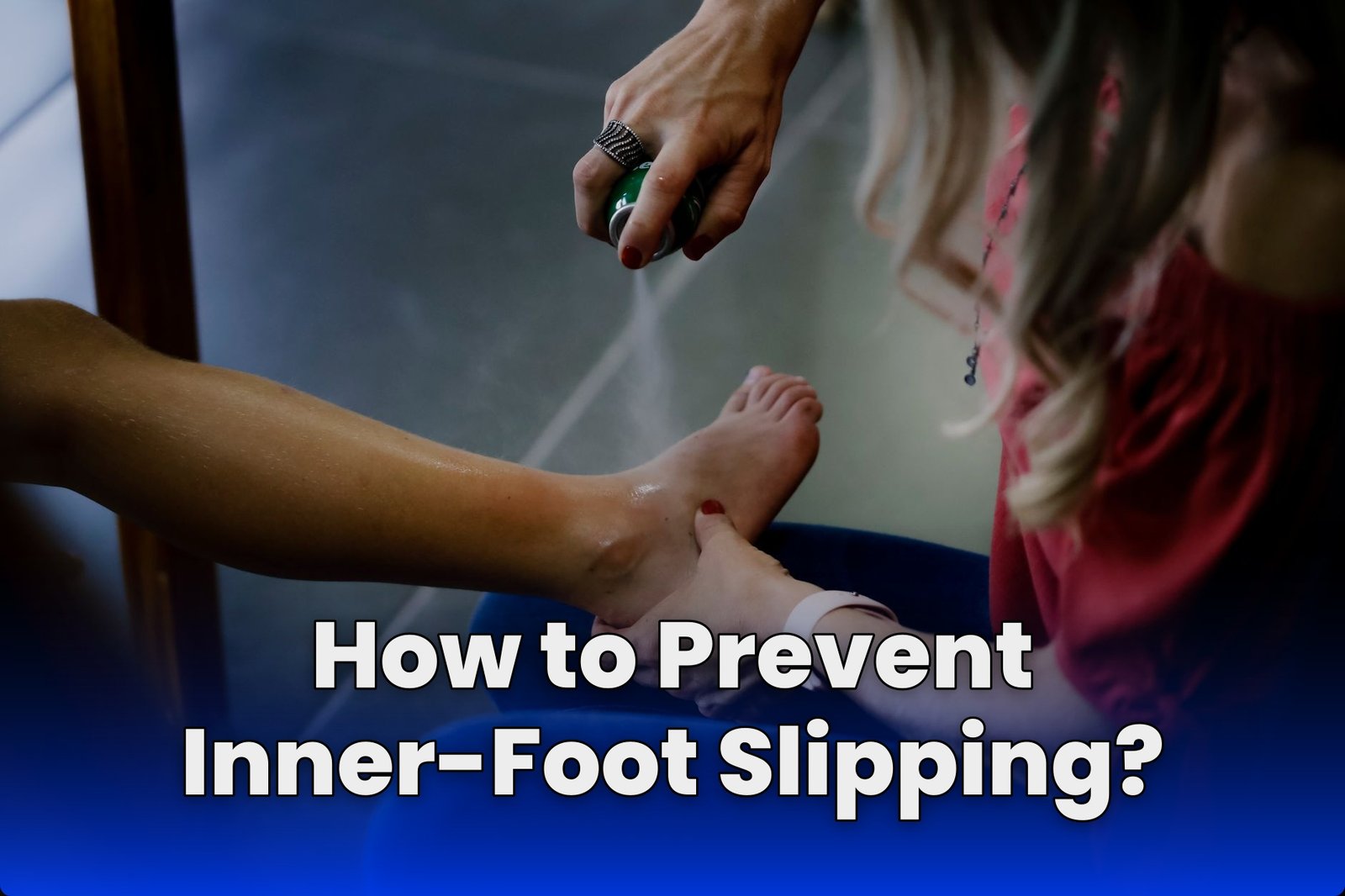
Hot spots are predictable, and most of the time they start with inner-foot slipping. You feel a small hotspot forming and assume you need to tough it out. I disagree, because that “burn” is a mechanical warning, not a character test.
The fastest way to reduce hot spots is to attack the cause: friction created by movement inside your shoe, especially when the fit lets your foot shift with each step. Get the basics right first, meaning your footwear should hold you securely without pinching, give enough room in the toe box, and avoid seams or stiff edges that create constant pressure and rubbing.
Then control the conditions that turn rubbing into damage. Keep moisture under control by swapping out cotton socks for moisture-wicking options, drying your feet well, and using an anti-friction barrier on known trouble spots before you go. And if a hot spot starts, stop and reduce pressure or movement instead of pushing through, because preventing the next step from grinding skin is how you actually stay injury-free.
Fit Beats Hope Every Time
If you are trying to figure out how to prevent inner-foot slipping that causes hot spots, start with the one variable you can control: shoe fit. Hot spots form where the skin is pulled, not where the shoe looks comfortable in the first 30 seconds.
Too tight pinches deform the foot and create pressure points. Too loose lets the heel and forefoot shift, then friction grinds the inside edge until a blister appears. Toe-box space matters because it keeps the toes from crowding forward when you push downhill or accelerate.
The Inner Foot Slides Because the Heel Does Not Lock
Inner-foot slipping is often a heel problem dressed up as a “rubbing” problem. When the heel lifts or the midfoot drifts, the foot migrates sideways and the inner skin becomes the contact surface that loses the most friction battle.
Use lacing patterns that tighten the heel pocket and reduce internal play. If your shoes have a BOA or midfoot strap, adjust for snug contact, not pressure. A properly locked heel should feel stable when you do small lateral shifts while standing still.
Your foot should move with the shoe, not inside the shoe.
Moisture Turns Friction Into a Blister Factory
Warm, wet skin slips more easily and breaks down faster. Cotton holds sweat, then it releases it against the foot in cycles. That cycle increases friction exactly when you need traction and comfort.
Switch to synthetic or merino wool socks that wick, and treat sock changes as part of the plan. If your feet feel damp, you already lost time; change socks before the next hot stretch.
Break In Gradually or You Will Pay Later
New shoes are stiff, uneven, and unpredictable. The first long hike or run is when micro-movements become macro-damage. If you skip the break-in phase, you do not “toughen up” your feet; you stress the exact skin cells that will form hot spots.
Wear new footwear for shorter sessions first, then extend time. If you can feel a hotspot starting, that is not a sign to push through. It is a signal to fix fit or friction immediately.
Anti-Friction Barriers Work Best Before Skin Suffers
A barrier is not a rescue rope you throw after the burn begins. It is a friction reducer you apply when the skin is still intact and the pattern of rubbing is predictable.
In practice, you choose a barrier, apply it to likely inner-foot contact zones, and reapply when the route is long or the sock gets damp. If you want a clear baseline for prevention behavior, see blister prevention tips from a medical education source that focuses on how hot spots form and how to stop them early.
| Barrier Type | Best Use | Measurable Guideline |
|---|---|---|
| Anti-chafe balm | Inner toe and arch rub | Apply 5 to 10 min before |
| Petroleum jelly | Dry-to-dry friction zones | Reapply if socks feel dry |
| Wearable liner | Repeated hotspots | Target 1 known spot |
| Hydrocolloid patch | Hot spots that start brewing | Replace every 24 h |
| Tape or pad | Inner edge pressure | Check every 45 to 60 min |
The rule is simple. Lower friction early, protect the skin, and keep the area dry. If you wait for a blister to declare itself, you are doing the hard work after the damage is already underway.
Stop the Moment You Feel Heat
Hot spots are warning lights. If you feel a “hot” patch, the friction event has already begun and will escalate with every step. Pushing through turns a manageable sore into a torn surface that changes how you walk for days.
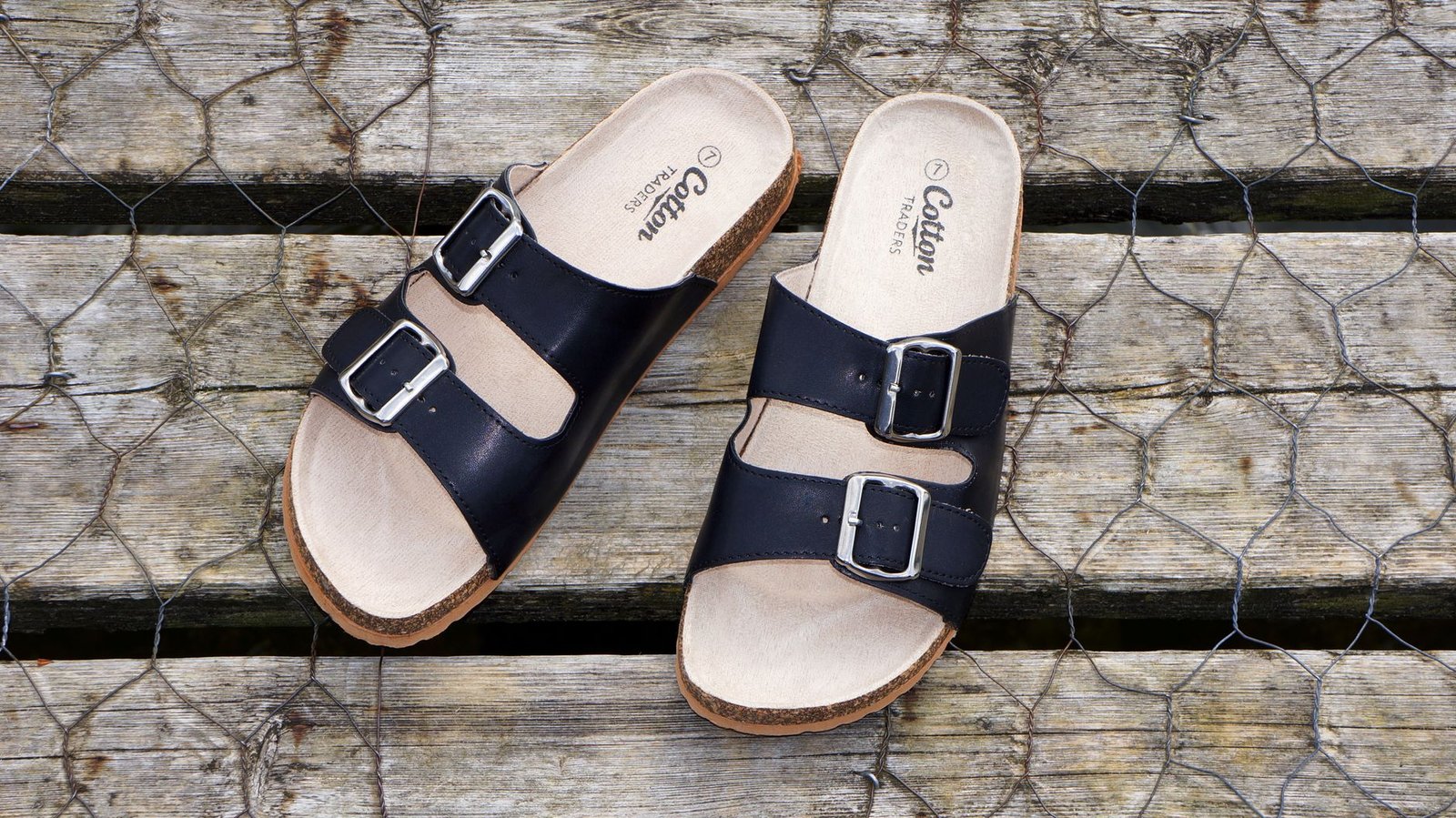
When it starts, stop and remove the immediate pressure. Loosen laces just enough to remove tightness or skew. Dry the spot if it is wet. Then apply a protective layer such as tape, a pad, or a fresh barrier before you continue.
Choose Socks That Reduce Slip, Not Just Sweat
Moisture control is necessary, but socks also affect friction and sliding. The wrong seam placement or a thick cuff that bunches can create shear points on the inside edge.
Look for socks that stay smooth against the foot and maintain a stable fit. If your sock folds when you move, fix the sock choice or sizing. A hotspot that always appears at the same inner spot is often a predictable sock-surface interaction.
Insoles and Arch Support Can Eliminate the Cause
Inner-foot slipping can come from foot mechanics. If your arch collapses under load, your foot pronates and shifts inward. That changes where the inside of your foot contacts the shoe.
Try insoles that match your arch needs and give consistent support across your stride. If the problem is frequent, a better footbed can reduce the foot’s sideways migration enough to prevent friction hotspots altogether.
Rubbing Seams and Stiff Edges Need Targeted Fixes
Sometimes the culprit is not your foot at all. It is the shoe’s internal construction. Seams, overlays, or stiff tongue edges can create a fixed contact line that drags against the inner foot as you step.
Inspect the inside of the shoe in daylight. If you find a seam that aligns with your hotspot location, address it with a fitting change, a different sock style, or a targeted protective pad. Make the contact surface gentler before the skin pays the price.
Manage Skin Like a Performance System
Hot spots get worse when skin is already compromised. Dry, cracked skin increases friction and makes the first shear event more damaging. Athlete’s feet and excess moisture also weaken the skin barrier.
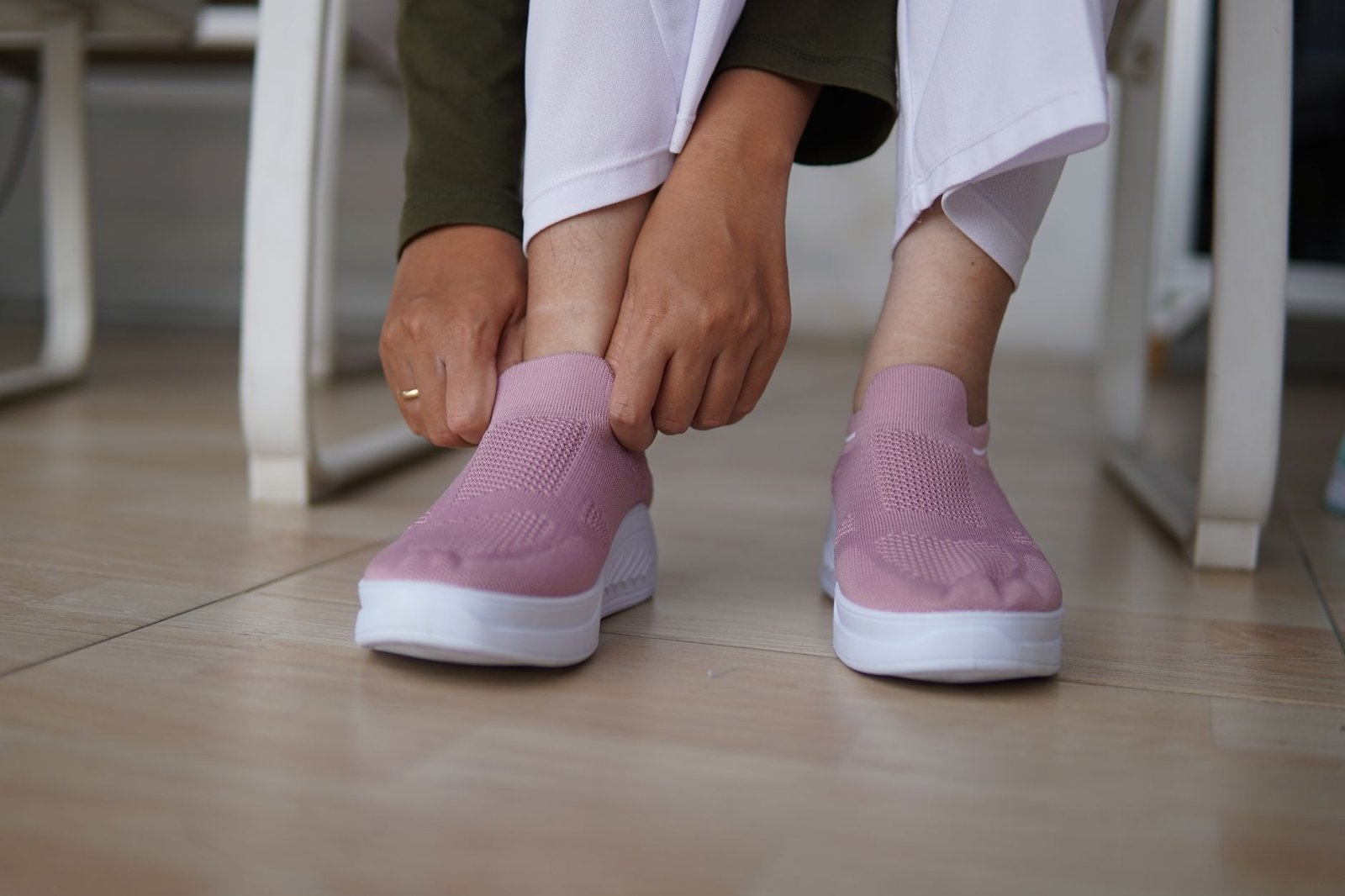
Keep feet clean and dry, dry well after activity, and address recurring skin issues early. Use powder or antiperspirant to reduce clamminess where appropriate, especially during long sessions or humid conditions.
- Dry feet thoroughly after every session.
- Protect known rubbing zones on schedule, not after symptoms appear.
Train Your Hardware and Your Routing Together
Your feet react to slope, pace, and stride. A shoe that works on flat ground can trigger inner-foot slipping on downhill because the foot slides forward and inward. Likewise, faster cadence increases micro-movements that turn into friction.
For new footwear or a new prevention plan, run or hike on routes that match your adaptation phase. Then scale difficulty gradually. If your hotspot pattern changes with terrain, the fix is usually timing plus fit, not tougher skin.
When It Keeps Happening, Get Real Adjustments
If you follow good how to prevent inner-foot slipping that causes hot spots habits and the hotspot returns in the same place every time, you need a fitter or clinician to look at alignment and shoe mechanics. Persistent internal rubbing can signal an ongoing mismatch between foot shape, shoe last, and support.
Some people insist it is “just friction” and accept the pain. That is a costly coping strategy. The better move is a targeted adjustment: different shoe model, better heel lock, revised insoles, or a protective strategy tailored to your exact hotspot location.
How To Prevent Inner-Foot Slipping That Causes Hot Spots
How Can Proper Shoe Fit Prevent Inner-Foot Slipping That Causes Hot Spots?
Choose shoes that do not pinch or let your foot slide, and make sure you have enough toe-box room. Tighten laces or straps to secure the heel and midfoot, and consider a different sock thickness or an insole if you still feel your inner foot moving.
What Footwear Features Reduce Friction and Pressure During Inner-Foot Movement?
Look for a heel that locks in place, stable support under the arch, and a width that matches your foot so skin does not rub as you move. Avoid areas with stiff edges or rubbing seams, and replace worn insoles since they can change pressure points and let the foot slip.
How Do You Manage Moisture to Prevent Hot Spots From Inner-Foot Rubbing?
Moisture increases friction, so wear synthetic or merino wool socks instead of cotton. Change socks if they get wet, dry your feet well during breaks, and use an anti-friction product or foot antiperspirant to reduce clamminess.
How Should You Break In New Shoes to Avoid Inner-Foot Slipping and Hot Spots?
Wear new shoes for short sessions first, then build up gradually so materials soften without your foot repeatedly sliding. During early wears, check for slipping on the inner side, adjust lacing, and swap socks or insoles if you spot the same rubbing spot.
What Should You Do When a Hot Spot Starts From Inner-Foot Friction?
Stop at the first sign of a hot spot rather than pushing through. Loosen laces or straps to remove pressure, dry the area, then apply a protective barrier such as tape, moleskin, or a pad to prevent the same skin from rubbing again.
Which Anti-Chafe Barriers and Pads Help Stop Repeated Inner-Foot Rubbing?
Apply an anti-chafe barrier before your activity, such as anti-chafing balm or petroleum jelly, to reduce skin-to-sock friction. For known hot-spot areas on the inner foot, use pre-cut moleskin, tape, or purpose-made blister pads to protect the skin during movement.
Stop The Slipping Before Hot Spots Start
To prevent inner-foot slipping that causes hot spots, treat the mechanics first: get a secure fit that removes sliding, keep seams and stiff edges from rubbing, manage moisture so sweat does not turn into slippery skin, and use a friction barrier before you move when you know where the problem starts; then, if a spot begins, stop early, remove pressure, dry the area, and cover it so it cannot reopen. If you manage fit, friction, and moisture with discipline, hot spots become an occasional surprise instead of a recurring training tax.

I am Ozan, a London-focused running writer and marathon enthusiast with a passion for helping people discover the city’s best races, running routes, walking trails, and fitness events. I research and write practical, up-to-date guides covering marathons, race preparation, training tips, running gear, and everything related to staying active in London.
My goal is to create reliable, easy-to-follow content that helps runners and walkers of all experience levels explore London with confidence, whether they’re preparing for their first 5K or their next marathon.