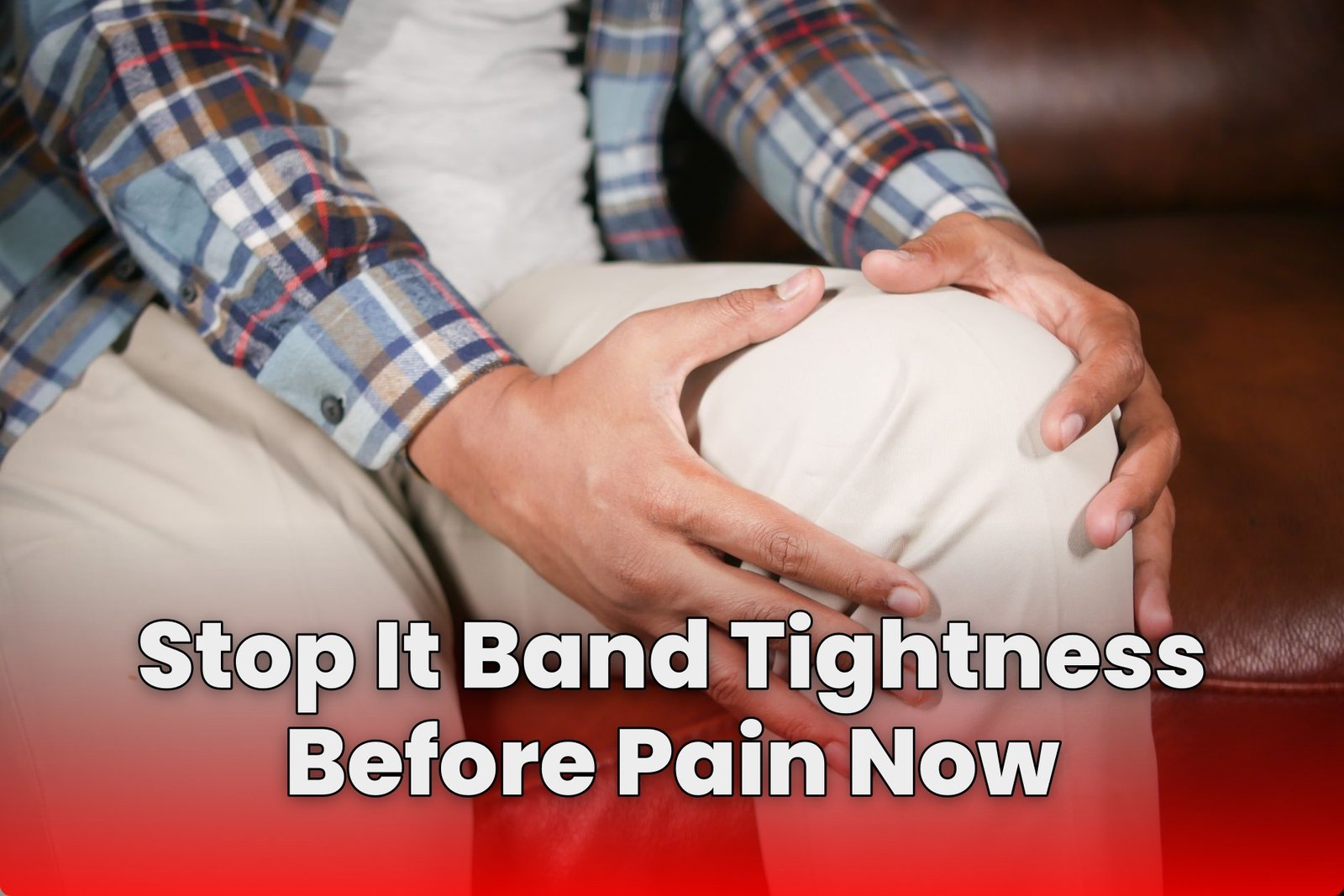
It band tightness is a warning, not a normal part of training. If the outer side of your thigh feels stiff early in runs or workouts, waiting it out is how minor restriction turns into real pain you cannot ignore. The fix starts before you feel symptoms peak.
Prevent it by warming up for 5 to 10 minutes and building training load gradually, especially when mileage, hills, or uneven surfaces creep up. Keep your stride consistent, vary your sessions, and add strength work for your hips, glutes, core, knees, feet, and ankles so your mechanics do not collapse under fatigue.
Support recovery like it is part of the plan: schedule at least one full rest day every 7 to 10 days, use comfortable supportive shoes, and replace running shoes around every 300 miles. Keep outer-thigh stretching and foam rolling consistent, but if the it band “barks” or pain shows up, stop the activity that triggers it and consider a physiotherapist or sports medicine clinician if it persists.
Warm Up So Your IT Band Has No Reason To Tighten
If you want how to prevent it band tightness before it becomes pain, start by respecting friction. The IT band gets irritated when your lateral hip and knee repeat the same motion under load before your tissues are ready. A short warm-up buys you readiness, not just sweat.
Do 5 to 10 minutes of gradual movement before you train. Then add a few easy ramps in intensity. Why gamble with your outer thigh the first mile?
Warm-ups do not feel heroic. They prevent the exact flare you will regret later.
Skip The Sudden Jumps That Turn Tightness Into Pain
Most irritation starts with escalation. Increase training volume and intensity gradually, and keep an eye on the weekly step up. A sudden mileage jump, a new hill routine, or uneven surfaces can overload the tissues that stabilize your knee.
Build your progression like a budget. If you overspend on speed or distance, the outer thigh pays interest in the form of tightness, then pain. Want a simple rule? Change one variable at a time.
Avoid steep hills and long uneven routes during your “tightness-prone” weeks. You can earn the challenge later.
Stop Treating Tightness Like Stretching Fixes Everything
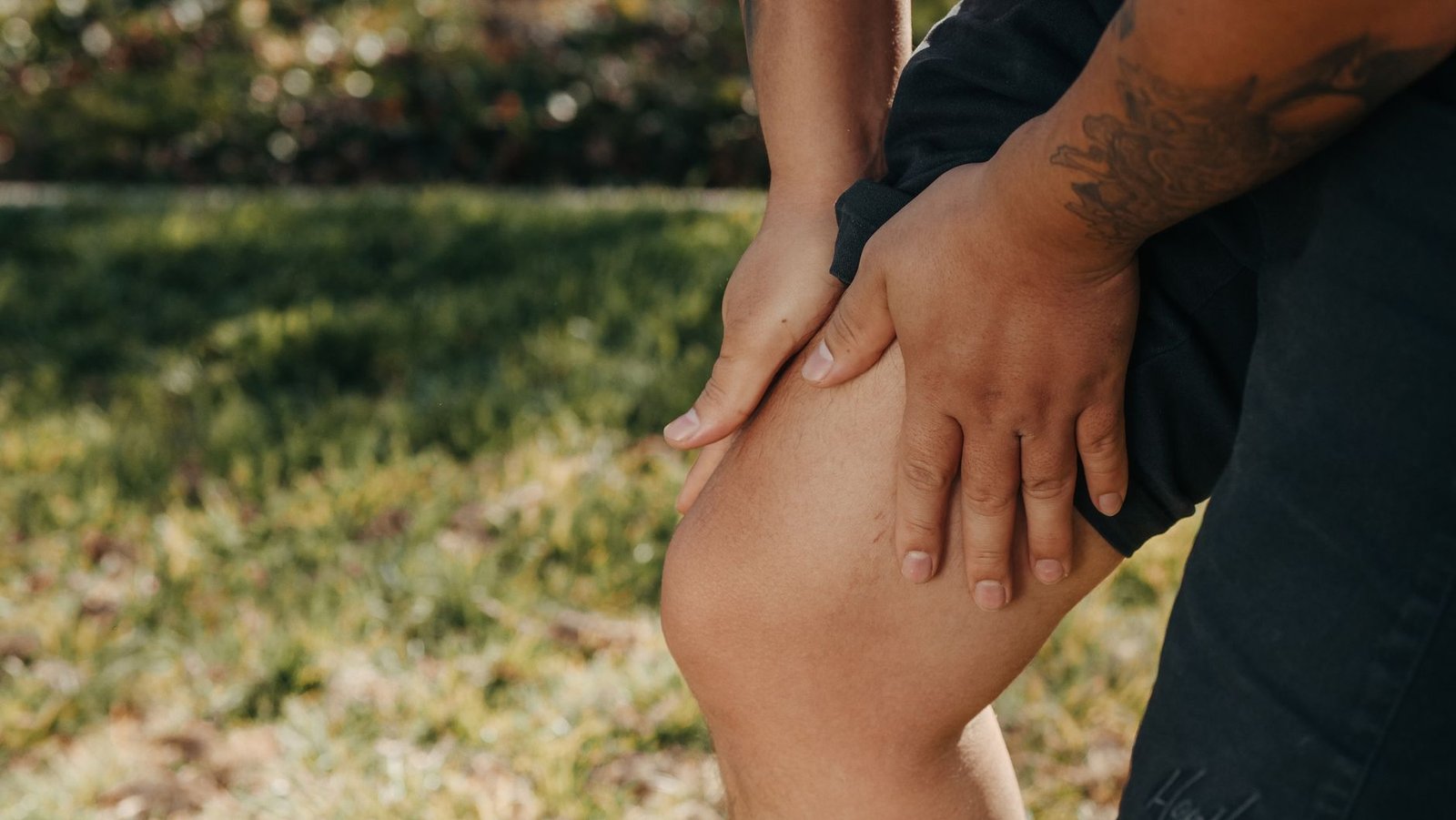
Stretching helps, but it is not a magic eraser. When your IT band tightens, the real issue is usually how your hip and knee move under load. If you stretch aggressively while ignoring strength and form, you can temporarily feel better and then flare again.
So treat tightness as a signal, not a setback. Keep consistent, gentle stretching while you adjust training stress and build support around the hips and knees.
Strength Beats Flexibility When Your Hips Control The Knee
Think of the IT band as a passenger. The driver is hip stability. When your glute and pelvis cannot control motion, stress collects on the outer thigh during running and jumping.
Prioritize strength work that targets core, pelvis or hips, knees, feet, and ankles. Your goal is control, not soreness. If the knee collapses inward on fatigue, tightness will follow.
Include exercises like side-lying hip work, glute activation drills, and controlled single-leg stability. Form is the exercise. Speed is optional.
Footwear Is Part Of Your Prevention Plan
Support matters because worn soles change how you land and how your foot pronates. If your gait shifts, the lateral structures react. That is why footwear is not a side issue in IT band tightness prevention.
Choose comfortable, supportive shoes for your foot type. If you suspect your arch collapses, consider arch-support inserts after you try them with proper guidance.
And yes, replace shoes on schedule. Waiting until they feel “dead” is how you smuggle irritation into your training.
Rest Days Are Not Optional for IT Band Tightness
Continuing through early irritation is how tightness turns into pain. Rest is not punishment. It is the moment your body rebuilds tissue tolerance so your next run is boring again.
Schedule at least 1 full day off every 7 to 10 days, or more if symptoms start. If your outer thigh feels off, listen to that feedback instead of negotiating with it.
A smart rest plan also protects your motivation. You keep training instead of starting a longer layoff after a flare.
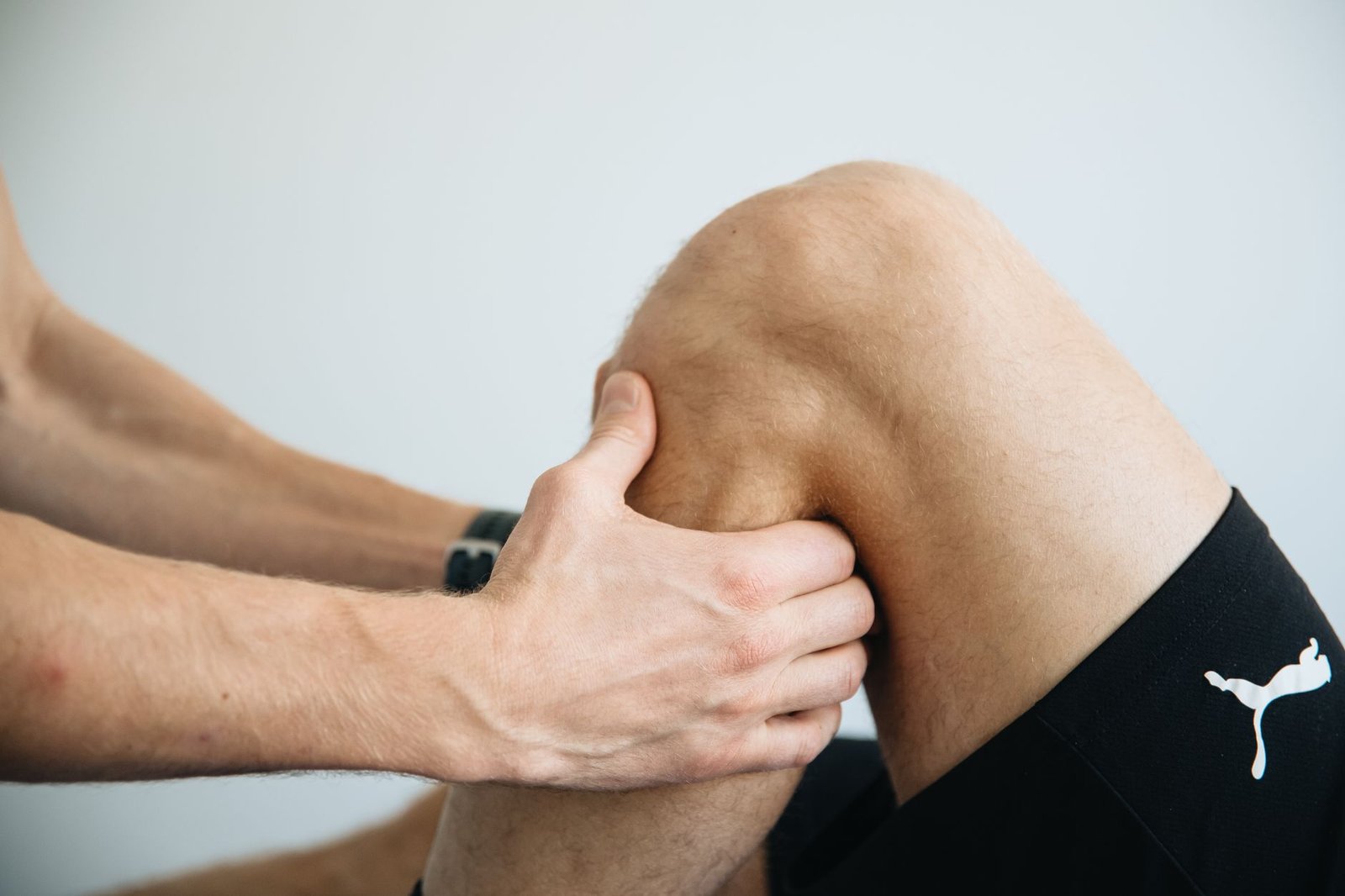
Your Consistency Checklist Keeps The Outer Thigh Calm
Stretching can reduce perceived tightness, but consistency wins over intensity. Aim for regular work on the outer thigh and glutes rather than random marathon sessions. Harvard Health also frames movement strategies in a way that supports pain-free habits for runners, including pain free movement approaches.
Use this checklist as your minimum standard. It is simple on purpose.
| Target Area | Typical Hold Or Duration | Frequency |
|---|---|---|
| IT Band Or Outer Thigh Stretch | 20 to 45 seconds | 3 to 5 days per week |
| Cross-Leg Or Belt Assisted Stretch | 20 to 45 seconds | 3 to 5 days per week |
| Glute Or Figure-Four Stretch | 20 to 45 seconds | 3 to 5 days per week |
| Side-Lying Thigh Stretch | 20 to 45 seconds | 2 to 4 days per week |
| Outer Thigh Foam Rolling | 30 to 60 seconds per pass | 1 to 3 days per week |
For foam rolling, roll from just below the knee toward the outer hip. Keep pressure tolerable and stop if symptoms spike. Stretching and rolling should calm the area, not provoke it.
When The Band Barks, Your Rules Change Immediately
If the IT band “barks” or pain develops, stop the activity causing symptoms right away. This is where prevention becomes triage. Pushing through irritation often locks you into a longer recovery.
Rest the aggravating activity, then keep targeted stretching so you do not lose mobility while you recover. If appropriate for you, ice and anti-inflammatories can help in the early stage, but do not treat them as a pass to continue the same training that caused the flare.
Delay is expensive. A quick stop beats a long rebuild.
Form Tweaks Reduce Stress Where Friction Starts
Sometimes tightness is not about willpower. It is about movement patterns that increase friction around the lateral knee. If you run with excessive inward collapse, overstride, or uneven foot strike, your outer thigh takes the hit.
Film a short session and check basics: knee tracking over the foot, stable hips, and controlled landing. Small corrections can change the load path, which is what you want.
Do not chase speed while your mechanics are shaky. Tightness is your cue to clean up form.
Cross Training Builds Tolerance Without Inflaming
When you want training consistency, cross training is a smart compromise. It lets you build fitness while reducing the repeated lateral stress that can irritate the IT band.
Choose low-impact options like cycling, swimming, or an elliptical that does not spike symptoms. Pair that with strength work so you improve stability, not just endurance.
If symptoms are present, keep impact low and rebuild gradually. You can return to harder runs once the outer thigh stops signaling.
Replace Shoes Before Wear Changes Your Gait
Running shoes do not last forever. Worn soles affect cushioning and support, which can worsen gait and pronation. That shift changes how forces travel through your knee and hip region.
A practical guideline is to replace running shoes at least around 300 miles or sooner if you notice uneven wear or you start feeling new tightness. You do not have to guess. Look at the soles.
If you need help choosing footwear, match the shoe to your foot mechanics and comfort. The best shoe is the one that keeps your landing steady.
Get Targeted Help When Pain Persists Or Mechanics Drive It
If symptoms persist or you suspect a biomechanical cause, consult a physiotherapist or sports medicine specialist for a tailored plan. Prevention fails when the root driver stays unaddressed.
When you meet a clinician, bring specifics: when tightness starts, what surfaces trigger it, how your gait looks, and what stretches or exercises you have already tried. Details speed up the diagnosis.
Ask for a plan that combines load management, strength, mobility, and technique work. That is how you prevent the next flare instead of chasing temporary relief.
How To Prevent IT Band Tightness Before It Becomes Pain?
How Can You Warm Up to Reduce IT Band Tightness Before Training?
Warm up for about 5 to 10 minutes with easy walking or jogging, then gradually increase pace and intensity so your outer thigh and knee can adapt before harder work.
How Should You Adjust Training Volume to Prevent IT Band Tightness From Progressing?
Avoid sudden jumps in mileage or intensity, and limit abrupt changes like new hills, faster intervals, or uneven surfaces until your body tolerates the workload.
What Strength and Stability Exercises Help Prevent IT Band Tightness?
Build control through exercises that train your core, hips, glutes, knees, and lower legs, and keep your form consistent during running or drills so strain does not keep building.
How Can Footwear Changes Help Prevent IT Band Tightness?
Wear supportive shoes that match your gait, and replace running shoes roughly every 300 miles since worn soles can change how your foot lands and can aggravate outer-thigh tightness.
Which Stretching and Foam Rolling Methods Can Help Manage IT Band Tightness?
Do regular outer-thigh stretching such as cross-leg or strap-assisted stretches, holding about 20 to 45 seconds, and consider gentle foam rolling on the outside thigh from just below the knee toward the outer hip.
When Should You Rest or Get Help for IT Band Tightness That Is Becoming Painful?
If pain starts, stop the activity that triggers it and rest while you keep up gentle stretching, and seek a physiotherapist or sports medicine clinician if symptoms persist, worsen, or cause a limp.
Act Now To Prevent IT Band Tightness From Becoming Pain
Knowing how to prevent it band tightness before it becomes pain comes down to simple discipline: warm up, build mileage and intensity slowly, keep your hips and core strong, support your feet with proper shoes, and stretch and foam roll the outside thigh consistently. If you feel the tightness escalating or the “bark” starts, stop the trigger and rest before it turns into a longer problem. Handle it early, and your running stays yours.

I am Ozan, a London-focused running writer and marathon enthusiast with a passion for helping people discover the city’s best races, running routes, walking trails, and fitness events. I research and write practical, up-to-date guides covering marathons, race preparation, training tips, running gear, and everything related to staying active in London.
My goal is to create reliable, easy-to-follow content that helps runners and walkers of all experience levels explore London with confidence, whether they’re preparing for their first 5K or their next marathon.