
Recovery is not some mysterious cooldown ritual, it is straightforward refueling with the right balance at the right time.
For London Marathon recovery fuel within 30 minutes, what truly counts is getting carbohydrates to refill glycogen plus enough protein to restart muscle repair, ideally together as soon as you can tolerate food or a drink. A practical target runners often use is around 1 gram of carbohydrate per kilogram of body weight, paired with about 20 to 30 grams of protein, and you should not ignore fluids and sodium because dehydration and low electrolytes can drag your recovery.
The timing is important, but it is not a trap either. If you miss the first half hour, you are still benefiting as long as you eat and rehydrate soon after, since the most useful window for many runners stretches closer to about two hours. Focus on carbs plus protein, sip fluids right away, and add sodium from sports drinks, electrolytes, or salty foods, then let the rest of your recovery do its job.
The 30-Minute Window Is Real and It Matters
After you cross the line, your body is still deciding what to rebuild. If you want London Marathon recovery fuel within 30 minutes, what counts, it is simple: carbohydrates to refill glycogen and protein to restart muscle repair. That is the deal your recovery system is asking you to pay.
People who skip eating often feel fine for an hour, then pay for it the next day with stiff muscles, heavy legs, and slower adaptation. Your best opportunity is not later. It is during the first stretch where your muscles are most willing to take in what you provide.
So why treat the first meal after the race like an optional afterthought? If you can plan your start-time, you can plan your finish-time.
Carbs Are the Switch for Glycogen
Glycogen is the fuel that turns hard running into repeatable performance. During the race, you deplete it. In the hours after, you have a limited window where replenishing quickly helps you recover faster and train again sooner.
A commonly used target is about 1 g carbohydrate per kg body weight within the first 60 to 90 minutes, with the key action happening early. Even if you eat later due to logistics, getting carbs in within about 2 hours still matters, so do not panic. Just do not delay when you can avoid it.
Carbs do not have to be fancy. They have to be available to your gut and tolerable for you right away. If that means a burrito, pasta, a sports drink plus a snack, or even a carb-heavy finish-line option, then that is what counts.
Protein Starts Muscle Repair So You Should Pair It
Carbohydrates refill the tank. Protein helps repair the engine. Without enough protein, your body can still replenish glycogen, but the rebuild slows down, and the soreness lingers.

That is why the practical target is often 20 to 30 g protein soon after finishing, ideally alongside carbs. Think of this as restarting the muscle repair process while the body is already primed to take in nutrients.
“I will eat protein later” is exactly how runners end up with mediocre recovery. You do not need perfect timing. You need consistent inputs you can deliver early.
Fluid and Sodium Keep Recovery from Stalling
Dehydration and low electrolytes impair recovery more reliably than most runners realize. Your muscles can have the right fuel and still feel wrong if your body is low on fluid and sodium.
Rehydrate over the next 4 to 6 hours and use 125% to 150% of your sweat-weight loss as a practical goal. For sodium, rely on sports drinks, electrolyte drinks, tablets, or salty foods rather than plain water alone, especially after a hard, sweaty London day.
For practical guidance, use marathon nutrition guidance and then execute your plan immediately after the race, not tomorrow.
What Counts When Your Appetite Is Low
Low appetite after a marathon is normal. The mistake is treating that normal feeling as an excuse to do nothing. Your gut may not want a full meal, but it can usually manage a smaller, smarter combination.
A simple recovery formula works for many runners: carbs plus about 25 g protein plus fluids. That can look like a ready-to-eat option at the finish line, a milk-based recovery drink, a yogurt plus banana setup, or a quick carb-and-protein snack.
If you cannot handle a meal, choose a liquid or semi-liquid option and sip steadily. The goal is inputs, not a perfect dining experience.
Timing Is Flexible but Prioritize Early Sips
The recovery window is not a trapdoor that shuts at a precise minute. Most runners benefit from getting started quickly, then continuing to refuel over the following couple of hours.
In practice, you can build this into a realistic routine: aim to consume your first carbs and protein within roughly 60 to 90 minutes, start rehydration immediately, and keep drinking during the 4 to 6 hours after the race. If you are delayed, you have time, but you should not waste the first chance you get.
The real victory is starting early, then finishing the job. Your body responds to momentum.
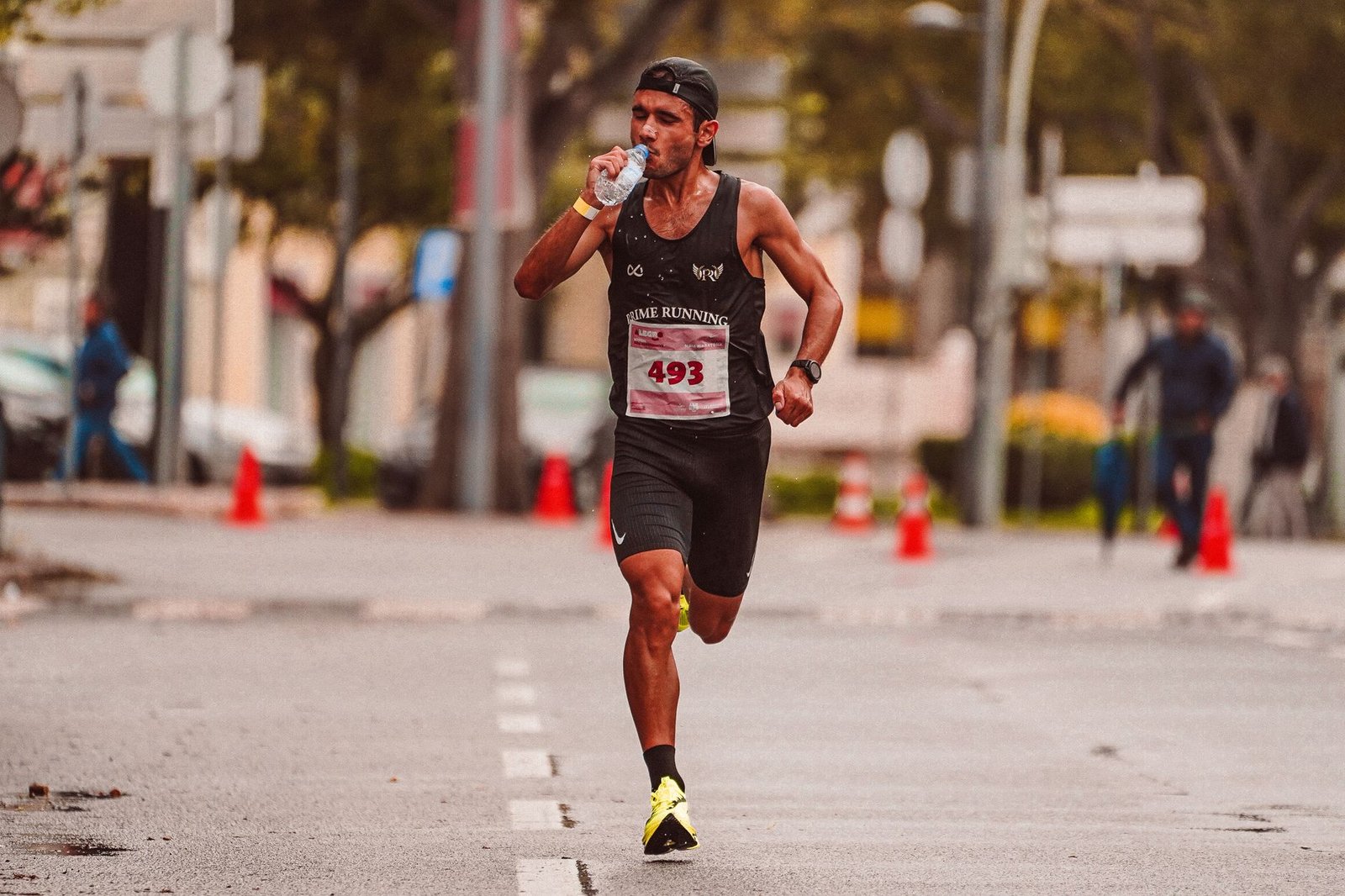
A Simple Checklist for London Marathon Recovery Fuel
Stop guessing and run the recovery like you run your training: with a checklist. This helps you hit the practical targets tied to better remote recovery-style outcomes in the days after, meaning fewer derailments, faster return to normal movement, and steadier readiness.
Use the table below as a quick “what counts” reference when you are standing at the finish area deciding what to grab.
| Recovery Input | Target Amount | When to Take It |
|---|---|---|
| Carbohydrates | ~1 g per kg | Within 60–90 min |
| Protein | 20–30 g | With the first meal |
| Fluids | 125–150% sweat loss | Next 4–6 hours |
| Sodium | From electrolytes | Start immediately |
| Carb and Protein Pair | About 1 combo | As soon as tolerated |
Choose whatever fits your stomach and your access. The targets are guides, but the direction is the point: carbs early, protein early, and fluids with sodium right away.
Remember, the “best” recovery plan is the one you actually execute when you are tired and practical decisions matter most.
Stop Counting Calories Start Counting Inputs
Many runners obsess over total calories post-race, then miss the nutrient priorities that drive recovery. Calories are accounting. Recovery is biology.
If you want muscle repair and glycogen restoration, focus on the inputs that move those processes: carbohydrate quantity, protein dose, and fluid plus sodium. A smaller meal with the right structure beats a larger meal that is mostly the wrong composition.
Ask yourself: did I get carbs and protein together, and did I rehydrate with electrolytes? If the answer is no, the calorie number does not fix it.
Finish-Line Choices Beat Waiting for Home
You might think the “real meal” is waiting in the car. But the first opportunity is usually right where you are. The finish area exists for a reason: it is where your body is ready to accept what you can provide.
If there is food available, grab something that matches the recovery structure. A carb-focused option plus a protein add-on is ideal. If you cannot identify the protein immediately, prioritize a drink or snack that can give you roughly 20 to 30 g protein once you can.
Waiting is not neutral. It trades convenience for a smaller chance to start the recovery ramp.
How to Handle Nausea and a Tight Stomach
Some runners feel sick after finishing because the body is shifting from exertion to digestion. That is not a personal failure. It is a timing and strategy problem.
If you feel nauseated, start smaller. Use a sports drink, diluted juice, a yogurt drink, or milk with whey, and take frequent sips rather than forcing a big plate. Your stomach does not need perfection. It needs a gentle path to accept carbs and protein.
Then build. Once the nausea eases, move toward a real meal. The goal stays the same: carbs plus ~25 g protein and fluid plus sodium promptly.
Rehydration Over 4 to 6 Hours Means Sustained Effort
People often chug water and then stop. That misses the bigger point: recovery hydration is a multi-hour task because sweat loss and electrolyte imbalance do not disappear instantly.
Use the practical target of 125% to 150% of your sweat-weight loss across the next 4 to 6 hours. If you cannot weigh yourself, drink steadily and choose electrolyte options, especially if you are showing signs of dehydration like headache, dry mouth, or dark urine.
Sodium matters because it helps you retain fluid. Plain water alone can leave you underfilled when your electrolytes are low.

Recovery Fueling for Every Runner, Not Just Elite
You do not need to be a professional to benefit from smart post-race fueling. The mechanisms are the same for everyone: glycogen replenishment, muscle repair, and restoration of fluid balance.
What changes is the execution. Some runners need a liquid first, some need salty carbs to settle their stomach, some need a simpler snack plan because of transportation. The structure still holds: carbs early, protein early, and fluids with sodium promptly.
So this is your challenge. Plan your “what counts” before race day, then follow it when your motivation is low. That discipline is the real engine of a faster, stronger recovery.
London Marathon Recovery Fuel: What Counts Within 30 Minutes?
What should you eat within 30 minutes after finishing the London Marathon?
Start recovery fuel as soon as you can, aiming for a mix of carbohydrate to refill glycogen plus enough protein to restart muscle repair, and pair it with fluids so dehydration doesn’t slow recovery.
How much carbohydrate and protein counts as effective London Marathon recovery fuel?
A practical target is about 1 g carbohydrate per kg body weight plus 20–30 g protein, delivered as early as possible (ideally within 60–90 minutes, with flexibility if you’re delayed).
Does fluid and sodium intake matter within the first hour after the London Marathon?
Yes—rehydrate promptly and include sodium, using a sports drink or electrolyte drink (or salty foods) rather than plain water alone, so your body can retain fluids and recover more effectively.
Is it okay if you can’t eat within 30 minutes after the race?
Missing the first 30 minutes isn’t automatically “wrong,” because the useful recovery window is often closer to around 2 hours for most runners, so eat and drink soon after you’re able.
What quick foods or drinks count as London Marathon recovery options right after the finish?
Choose what you can tolerate immediately, such as a real meal (burger, pasta, burrito) once you’re ready, or a simpler combo like milk plus whey with fruit or a carb-and-protein snack from the finish area, plus electrolytes.
How long does the recovery window last after the London Marathon, and when should you keep refueling?
Refuel through the next few hours: get your carbs and protein early, then continue with regular meals and steady sipping of fluids and electrolytes over about 4–6 hours.
Time Your London Marathon Recovery Right
For london marathon recovery fuel within 30 minutes, what counts is simple: get carbs to refill glycogen and about 20 to 30 g of protein to restart muscle repair, then follow up with fluid and sodium so dehydration does not slow you down. You do not need a perfect shake or exact clockwork timing, but you do need to act while your appetite and routine are already in motion, then keep rehydrating over the next few hours. Treat the first bite as part of the race, and the rest of your recovery becomes far easier.

I am Ozan, a London-focused running writer and marathon enthusiast with a passion for helping people discover the city’s best races, running routes, walking trails, and fitness events. I research and write practical, up-to-date guides covering marathons, race preparation, training tips, running gear, and everything related to staying active in London.
My goal is to create reliable, easy-to-follow content that helps runners and walkers of all experience levels explore London with confidence, whether they’re preparing for their first 5K or their next marathon.