Remote work productivity is not the kind of failure you can “wait out,” and neither is a navigation fuel plan that stops working at mile 15. If you are dealing with what to do when your fuel plan stops working at mile 15, treat it like a system data or routing problem, not a driver problem.
The quick logic is simple: the fuel plan usually fails because the route cannot be matched to fuel stations, valid fuel data cannot be generated, or the system is receiving stale or broken inputs. Look for route or fuel error notes like dispatch routing or dispatch fuel errors, and then re-request the solution once you are on an unrestricted road. If you see a fuel stale warning, resend your fuel level and rerun the fuel solution, because old fuel data can break the plan even when the route is fine.
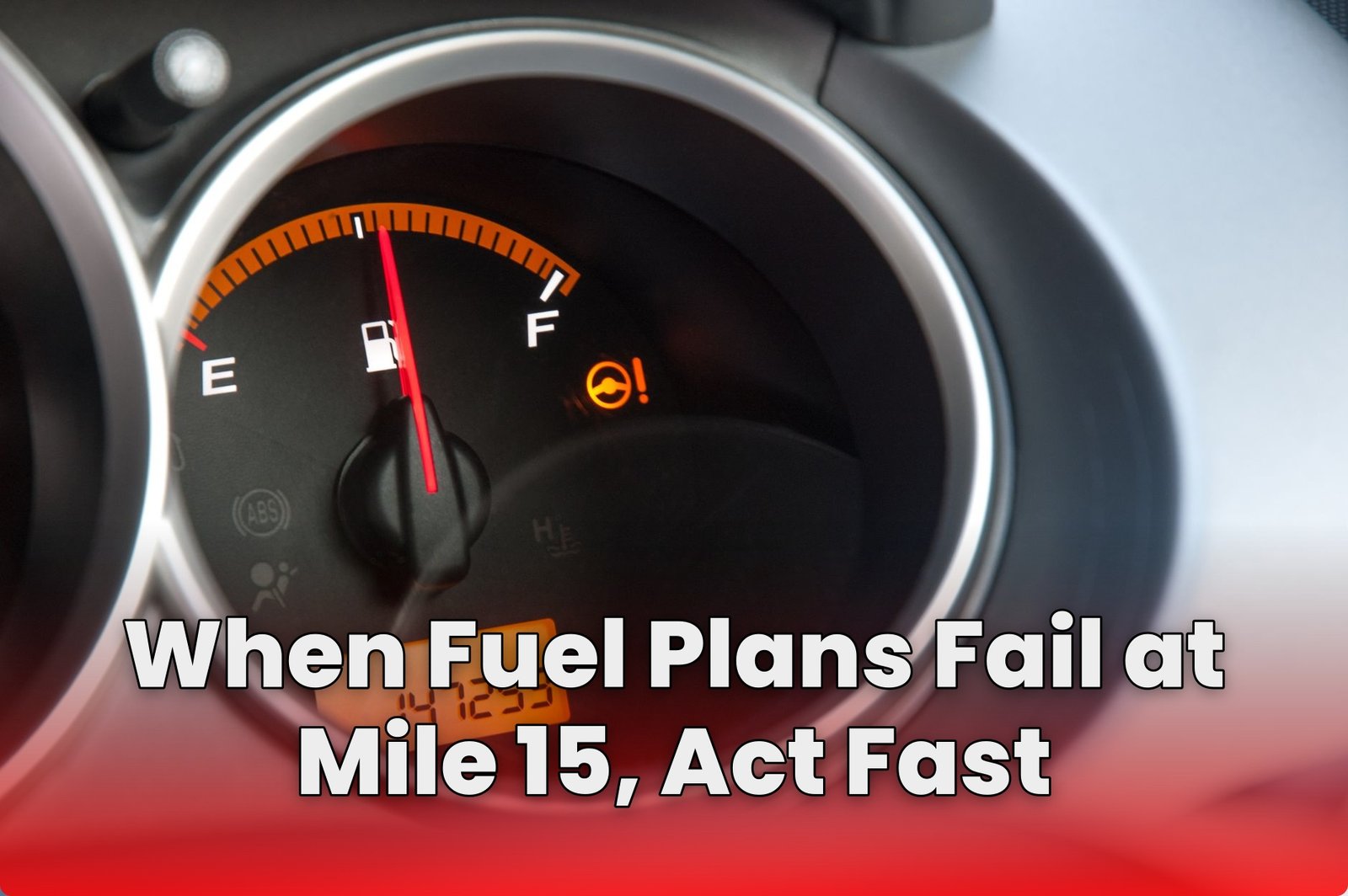
If the dashboard fuel gauge also fails after resets, or briefly works and then stops, stop chasing navigation settings and check the hardware trail. That pattern points to an electrical or sensor issue, so inspect fuses, wiring and grounds, and the fuel sending unit before you assume the fuel plan engine is at fault.
Stop Blaming Drivers When the Fuel Plan Breaks
When your navigation fuel plan stops working at mile 15, the instinct to blame the driver is understandable. But it is usually wrong. A recurring mile marker failure points to system logic or data validity, not to someone’s driving habits.
If the software cannot build a correct fuel solution, what exactly can the driver do except follow it? Your job is to treat this as a diagnostics problem with clear steps, not a morale problem.
Mile Fifteen Signals a Fuel Plan Generation Failure
The most common cause is not “bad luck” at mile 15. It is that the fuel plan cannot be generated because the system lacks valid fuel data or a workable plan structure. In practice, you will see “no fuel solution available,” an abort state, or a placeholder stop with an error message in the FleetNav plan details.
So instead of toggling settings randomly, start by asking a simple question: Did the generator fail because it could not create fuel plan data, or because routing constraints made fuel plan impossible? The answer determines your next move.
Check for Plan Stops That Cannot Be Routed To
One trigger is a plan stop or station that cannot be routed to. That sounds minor until you realize it breaks the whole chain. The fuel plan generator may produce nothing because it cannot attach fuel availability to the actual route geometry.

Look for restrictions tied to specific segments. If the system flags a route that cannot be reached, you do not “fix” it by retrying endlessly. You fix it by correcting the route inputs, removing the problematic stop, or adjusting constraints so the route is truly routable.
Confirm Your Selected Fuel Network Has Valid Stations
A second common failure is a fuel network selection that contains no valid fuel stations for the route. If the selected network does not cover the corridor your trip uses, the system will behave exactly like it has “fuel missing,” even when fuel exists in the real world.
What should you do? Verify that the chosen fuel network includes stations that lie along the possible route paths, not just stations in the same general region. If coverage is thin, consider switching the fuel network or updating configuration so the generator has real options to work with.
Treat Internal System Errors as a Clear Signal
When you see an internal system error, you are not dealing with a driver issue or a vague glitch. The platform itself is telling you it hit an unrecoverable condition during fuel plan generation. Sometimes the output may revert to reporting without a fuel plan, or it may abort with an error.
Use the vendor guidance on fuel plan errors as your baseline checklist, then map the message to a direct action. A placeholder stop with an error is the system’s way of saying “stop guessing and start fixing the input or route context.”
Resetting Without Addressing Restrictions Is Self Sabotage
Route restrictions can trigger fuel and route error notes such as NavigoDispatchRouteErrorNote or NavigoDispatchFuelErrorNote. If the road segment is restricted or otherwise not allowed, the system cannot reliably produce the route with a fuel plan that fits it. A reset will not change the underlying restriction.
Fix the road context first. If you can get onto an unrestricted road segment, request a solution again. Then compare what changes in the plan details. If the errors disappear after the restriction ends, you have your explanation and you can stop wasting time.
Refresh Stale Fuel Data Before You Try Again
Another failure mode is stale fuel data. When you see a NavigoDispatchFuelStaleNote, the fuel information is older than the platform’s acceptable window, often around 90 minutes. The generator may refuse to proceed because it cannot trust the fuel level it is trying to use.
Here is how to translate that warning into action:

| Symptom | Most Likely Cause | Immediate Fix |
|---|---|---|
| Fuel plan fails near mile 15 | Fuel solution cannot generate | Request solution again after valid routing |
| NavigoDispatchFuelStaleNote | Fuel data older than ~90 min | Resend fuel level then rerun solution |
| Placeholder stop with error | Internal generator error | Check plan details and retry after input correction |
| No fuel solution available | Selected network has no valid stations | Switch fuel network or update station coverage |
| Route error note appears | Restriction breaks route with fuel plan | Get onto unrestricted roads and retry |
In other words, when fuel data is stale, your best move is not another reset. It is fresh telemetry and a rerun. Why let the system plan off outdated information?
When the Dashboard Gauge Fails Too, Suspect Hardware
If the dashboard gauge also fails after resets, or it works briefly and then stops, that behavior points away from pure routing logic. It strongly suggests a hardware or electrical issue, such as the fuel sending unit or related wiring and grounds.
Don’t treat this as a software problem until the basics are verified. Inspect fuses, wiring, and ground connections. If the gauge can’t report stable readings, the fuel plan will always be at risk of failing when it relies on that data.
Resend Fuel Level and Re-run the Fuel Solution
Once you have fresh, valid fuel data, the next step should be equally precise: resend the fuel level and rerun the fuel solution. This matters because fuel plan generation depends on the specific fuel state at the moment the plan is computed. Delayed or inconsistent fuel state creates inconsistent plans.
Build a habit around sequence. Update fuel data first. Then request the plan. If you do it in reverse, you are re-running the generator with the same bad assumptions.
Use the Error Notes to Decide Your Next Move
Error text is not decoration. Notes like NavigoDispatchRouteErrorNote and NavigoDispatchFuelErrorNote tell you whether the failure is fundamentally about route feasibility or fuel planning validity. Treating every error the same leads to wasted resets and repeated failures.
So ask: does the note point to route restrictions or to fuel data integrity? If it is route related, changing roads helps. If it is fuel related, changing data freshness or fuel network settings helps. Your troubleshooting should follow the signal, not your frustration.
Time Matters More Than You Think
Fuel plan systems are time sensitive because fuel levels and station availability information can become stale. When the platform expects recent fuel readings, a late request can fail in a way that looks like a “mile 15” anomaly even though the real issue is timing.
Are you asking for the plan at the moment data is outdated? If you are, you will see predictable breakdowns. Align your plan requests with fresh fuel telemetry and stable routing segments, and you reduce “mystery failures” dramatically.
Build a Stepwise Playbook for Teams
If you want fewer disruptions, standardize the response. A playbook prevents random troubleshooting and cuts time to recovery when the fuel plan stops working at mile 15 again. Your process should include checking plan details for generator failure, confirming fuel network stations, verifying routing restrictions, and updating stale fuel data.
Teams that follow a consistent sequence do not just fix problems faster. They also reduce the temptation to blame drivers. When everyone can explain why a fuel plan failed and what fixes it, the system becomes manageable.

Prevent Repeat Failures by Improving Data Quality
Prevention beats repeated incident response. The fastest way to stop mile-marker failures is to ensure fuel telemetry stays current, fuel network configurations match your real corridors, and route inputs avoid unroutable stops. If fuel data arrives sporadically or gauges are unstable, plan generation will keep hitting refusal conditions.
Invest in monitoring for stale fuel warnings and in proactive checks on hardware reliability. When data is trustworthy and routing constraints are handled before the trip, remote fuel planning becomes reliable instead of theatrical.
What Should You Do When Your Fuel Plan Stops Working Around Mile 15?
Why Does My Fuel Plan Stop Working Around Mile 15?
It usually stops because the system cannot generate the plan or cannot obtain valid fuel data, such as an unroutable plan stop, an empty fuel network with no valid stations, a plan generator failure, or stale/invalid fuel inputs.
How Do Route Restrictions Affect Fuel Plan Generation?
If you see route or fuel error notes like NavigoDispatchRouteErrorNote or NavigoDispatchFuelErrorNote, the plan may not be computable on restricted roads; move onto an unrestricted road and request the solution again.
What Should You Check If the Selected Fuel Network Has No Valid Fuel Stations?
If the selected fuel network contains no valid stations for your route, the fuel plan cannot be created; switch to a network that includes reachable stations and rerun the fuel solution.
What If I See an Internal Fuel Plan Error or Reverted Plan Message?
If the system aborts with an error or “reverts” to route-without-fuel-plan (for example showing “No fuel solution available”), treat it as an internal generation issue—review any error details in the plan output, then retry once you are on a normal, routable segment.
What Should You Do When Fuel Data Becomes Stale Near Mile 15?
If you see NavigoDispatchFuelStaleNote (fuel data older than roughly 90 minutes), resend your current fuel level and rerun the fuel solution so the plan uses fresh data.
What Should You Check If the Dashboard Fuel Gauge Fails Too?
If the dashboard fuel gauge also fails after resets, or briefly works and then stops, the issue is likely hardware or an electrical problem; inspect relevant fuses, wiring/ground connections, and the fuel sending unit.
Act Fast When Your Fuel Plan Fails at Mile 15
What to do when your fuel plan stops working at mile 15 is straightforward: treat it as a data or routing fault first, not a mystery. Verify the route allows fuel planning, clear any restriction that triggers fuel or route errors, then resend your fuel level and rerun the fuel solution if you see stale or outdated fuel data. If the dashboard gauge also misbehaves after resets, that is a hardware issue, so check fuses, wiring or grounds, and the fuel sending unit before you keep driving on hope.

I am Ozan, a London-focused running writer and marathon enthusiast with a passion for helping people discover the city’s best races, running routes, walking trails, and fitness events. I research and write practical, up-to-date guides covering marathons, race preparation, training tips, running gear, and everything related to staying active in London.
My goal is to create reliable, easy-to-follow content that helps runners and walkers of all experience levels explore London with confidence, whether they’re preparing for their first 5K or their next marathon.