Shared paths in London do not forgive guesswork, and that is why london running etiquette and safety on shared paths: what to know should be treated like basic safety gear, not optional manners.
Running “normally” is not normal for everyone, so your job is to be predictable and defensively aware. In London, the local rhythm is to keep to the left on shared paths, stay compact in busy stretches, and give people real room to pass. If you are overtaking, warn clearly and move only when it is genuinely safe, because cyclists and pedestrians do not have the same timing expectations.
Safety is also about road sense beyond the path: follow the Highway Code, run on the pavement where possible, and if you are on the road, keep to the right so you can face oncoming traffic. Use crossings properly, watch for turning vehicles and driveways, and be extra cautious under canal bridges where bikes can appear fast. In low light, you should be highly visible and avoid distractions that mute hazards, especially if you run alone.
Shared Paths Have Local Norms
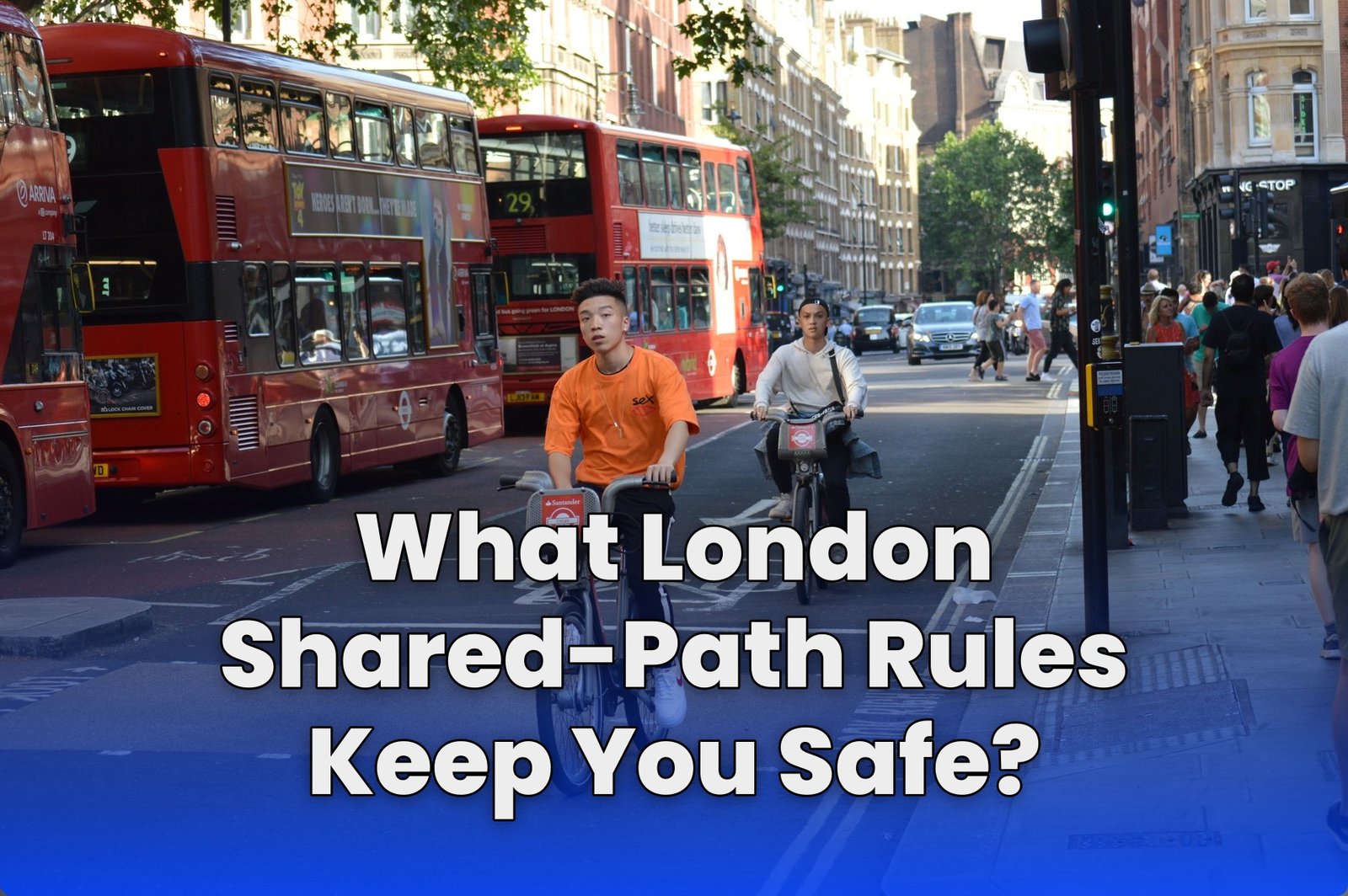
London shared paths work because runners predict each other. That means you follow the local shared-path norm even when it feels slower. If everyone expects you to stay left, drifting right turns a routine jog into a near-miss.
Start with position. In busy sections, staying single file reduces collisions and creates space for pedestrians, pushchairs, and cyclists to move cleanly. Why gamble with momentum when etiquette is simple?
Some people argue that “I run however I want” is freedom. On shared paths, freedom without predictability becomes danger.
Two Abreast Is Fine Until It Is Not
Running two abreast is acceptable when the path is wide enough and traffic is light. The moment the crowd thickens, two abreast becomes a bottleneck that forces others to squeeze past. Shared paths are not private tracks.
Ask yourself a basic question. Can a slower runner, a walker with a dog, or a wheelbarrow rider still pass with room? If the answer is no, you switch to single file. That is not weakness. It is good seamanship in a dense city.
Give Space Before You Pass
Overtaking is not a right. It is a controlled interaction. Give other runners a wide berth, and maintain a safe stopping distance. A stopping distance of around 5 m is a sensible target when you have people ahead and limited escape routes.
Passing too close turns small mistakes into accidents. Wind, a stumble, a sudden glance, or a dog veering can happen faster than your reaction time.
On shared paths, your speed is negotiable; other people’s balance is not.
Never Cut Through Cycling Territory
If the route is dual-use, treat cyclists as fast-moving stakeholders with their own lane discipline. Stay on the pedestrian side of the route when space is shared. Yield when space is tight. Do not cross into a bicycle lane or cut across designated cycling space.
When you do overtake slower runners, do it on the right only when it is truly safe, and check for oncoming cyclists first. The most common failure is assuming that “I don’t see a cyclist” means “no cyclist exists.” Dense London routes prove otherwise.
The Pavement Is Preferred, The Road Is Negotiated
For safety, follow the Highway Code habits that fit running. Run on the pavement where possible. Where you must be on the road, keep to the right-hand side so you are facing oncoming traffic, and use crossings. Make eye contact where it works, and regroup before crossing.

Some runners shrug and say, “Road safety slows me down.” But what is the real cost of speed if you end up forced into the path of turning vehicles? Etiquette is how you stay fast without paying for it in injuries.
Stop Disagreements With Clear Communication
Communication prevents the most avoidable conflict on shared paths. A calm heads-up before you pass helps people make a single correct move instead of a frantic guess. If you need a reminder of what “good” looks like, running etiquette guidance can help you rehearse your approach.
Use short, predictable cues. Do not rely on shouting across distance. Announce early enough to matter, pass with plenty of room, and then disappear back into your lane of travel.
| Situation | Action to Take | Measurable Aim |
|---|---|---|
| Busy shared path | Use single file | 1 row |
| Approaching runners | Give wide berth | 5 m stopping distance |
| Overtaking on shared route | Give clear heads-up | Early cue before passing |
| Dual-use path with cyclists | Stay pedestrian side | Do not enter bike space |
| Low-speed crowding | Yield and regroup | Pass when room appears |
Clear communication is also how you protect yourself. A runner who expects a smooth pass will keep stride; a runner who is surprised will swerve. If you want harmony on shared paths, speak first with your movement, then with your voice.
Low Light Turns Courtesy Into Visibility
In low light, etiquette is safety. Reflective or light clothing matters because other road users need time to react. If you have a headtorch or small lights, use them. Make yourself easy to identify at a glance.
Pick routes that are well lit and populated. Avoid isolated dark stretches where you will be harder to see and harder to assist if something goes wrong. In twilight, “I can see fine” is not enough.
Headphones Quiet Your Ears and Your Warning System
Distractions are a hazard on shared paths. Headphones and MP3 players can prevent you from hearing hazards like footsteps, cyclists, and sudden calls. That is not a moral judgment. It is a simple shift in your sensory toolkit.
On club runs, the risk is worse because you are packed with others. If you want to reduce friction and improve safety, keep your audio level low or use alternatives that allow you to hear what is happening around you.
Crossings Demand Eye Contact and Regrouping
Crossings are where running etiquette meets traffic behavior. Use crossings, look for drivers who may be turning or emerging, and make eye contact where it can work. Then regroup before you cross so your group behaves like a unit instead of scatter-shot pedestrians.
Do not assume drivers will interpret a runner’s intentions correctly at the first second. A runner who stops thinking and focuses on timing reduces uncertainty for everyone.

Turning Vehicles and Driveways Are Hidden Traps
Turning vehicles and driveways create sudden geometry changes. A car that looks stationary can pivot into your space. A driveway entrance can hide cyclists, scooters, or pedestrians who appear at the last moment.
Watch closely, slow down at interaction points, and stay alert even when you think you have the line. “I had priority” does not fix a cracked knee or a hospital visit. Safety and courtesy mean you expect the worst and prepare the best.
Canal Bridges Need Extra Calculation
Canal bridges are a special danger spot because oncoming bikes can appear from angles and shadows that change your perception. The lighting shifts, the sound carries differently, and your reaction window shrinks.
Be extra careful under canal bridges. Slow slightly, scan for movement, and keep your line predictable so cyclists can track your path. Etiquette here is not politeness. It is engineering your own predictability.
Trust Instincts and Plan the Return
Solo runs require more than fitness. Carry identification and a mobile phone, share your route and expected return time, and know the hazards on your route. If something feels unsafe, change direction or turn back.
Why push through discomfort in a place where others rely on shared norms? London can be busy, but it can still be safe when you treat etiquette and safety on shared paths as a standard of care, not optional style.
London Running Etiquette And Safety On Shared Paths: What To Know
How Should You Run In London On Shared Paths To Be Predictable?
Run predictably and stay aware of people around you by keeping to the local shared-path norm, generally moving in a compact line and not spreading out, and leaving a safe stopping distance from others so you can react quickly.
Where Should You Position Yourself On A Pedestrian Side When The Path Is Dual-Use?
If the path is dual-use, stay on the pedestrian side, yield when space is tight, and avoid crossing into a bicycle lane or cutting through designated cycling space.
How Do You Overtake Slower Runners Safely On Shared London Paths?
Give a clear heads-up before passing, keep plenty of room, and overtake only when it is truly safe with a quick check for oncoming cyclists or other fast users first.
Which Highway Code Rules Apply When Running On Pavements And Roads In London?
Follow the Highway Code by running on the pavement where you can, or otherwise keeping to the right-hand side of the road so you face oncoming traffic, using crossings and making eye contact with drivers while watching for turning vehicles and driveways.
What Visibility And Distraction Habits Improve Safety During Low-Light Runs?
Wear reflective or light-colour clothing in low light and consider a headtorch or small lights, and avoid distractions like headphones or MP3 players so you can hear hazards coming and choose well-lit routes with people around.
What Should You Do If You Are Running Alone Or Unsure About Route Safety?
If you run alone, carry identification and a mobile phone, share your route and expected return time, know the key hazards on your route, and change direction or turn back if something feels unsafe.
Run Smart and Stay Safe On London Shared Paths
London running etiquette and safety on shared paths: what to know boils down to one rule set you can follow every time: run predictably, give space, and stay alert to bikes, pedestrians, and turning vehicles. Choose the side that matches the local norm, keep your line steady, signal before you pass, and stay visible when light fades. If you do that, you protect yourself and everyone around you, and you turn a shared path into a place you can trust.

I am Ozan, a London-focused running writer and marathon enthusiast with a passion for helping people discover the city’s best races, running routes, walking trails, and fitness events. I research and write practical, up-to-date guides covering marathons, race preparation, training tips, running gear, and everything related to staying active in London.
My goal is to create reliable, easy-to-follow content that helps runners and walkers of all experience levels explore London with confidence, whether they’re preparing for their first 5K or their next marathon.