Most warm ups fail because they over-stress the calves while leaving the feet and ankles under-prepared. That is why how to warm up your feet without overworking your calves should be your starting point, not an afterthought. The goal is simple: raise temperature, wake up the ankle and foot, and build control without turning a warm up into a calf workout.
Overworking calves usually happens when people do heavy heel raises, aggressive bouncing, or long static stretching before they move. That may feel “looser,” but it often trades mobility for fatigue and irritation, especially around the Achilles and plantar fascia. If you instead use light whole-body movement first and then focus on ankle mobility, foot activation, and balance, you get a smoother, more durable readiness for walking, running, or training.
Try a short 5 to 8 minute circuit: march in place for 1 to 2 minutes, do ankle circles for about 30 seconds each direction per side, then heel raises and toe raises as controlled “wake up” reps for about 1 minute total. Add simple stability like single-leg balance with a gentle arm reach for about 1 minute, and then finish with low-intensity leg prep such as shallow walking or step-back lunges for 1 to 2 minutes. Save long calf or hamstring stretching for after activity, and scale range if anything causes sharp or worsening pain.
Start With Temperature, Not Stretching
If you want to know how to warm up your feet without overworking your calves, the first rule is simple: raise temperature before you chase range of motion. Long holds and aggressive stretching early in your session recruit the very tissues you are trying to protect, especially the Achilles and calf complex.
Think about what warm-up is meant to do. It is not a flexibility test. It is a preparation period that increases tissue readiness so your next steps feel smoother, not heavier. Start with light whole-body movement like marching in place for 1–2 minutes to get circulation going.
Why stretch when you have not even asked your body to move? Move first, then mobilize. That order turns warm-up into performance instead of a calf-loading gamble.
Use Foot Activation Before Calf Load
Many people jump straight into calf work because it feels targeted. But when your feet are stiff or your arch is not activating, your calves compensate. That is how “warming up” turns into overworking.
Foot activation should come first: controlled heel raises and toe raises as a short wake-up set, plus drills that build awareness in the ankle and the small foot joints. Keep these reps light and controlled, aiming for smooth motion rather than fatigue. About 1 minute total is enough for a true warm-up phase.
Activation works because it changes how force travels. When the foot helps carry load, the calf does less of the emergency work.

Ankles Circles And Controlled Raises Win
Ankles circles are one of the most efficient ways to restore mobility without loading your calves. Spend about 30 seconds in each direction on each side and treat it like steering, not stretching. Smooth circles encourage synovial movement and joint tolerance while keeping calf tension low.
Then add controlled heel raises and toe raises as “wake-up” reps, not a workout set. If you feel your calves burning, you have turned a warm-up into an early burn. Keep it brief and crisp, targeting foot and ankle control.
This is the difference between preparing your tissues and challenging them too soon. Your goal is readiness, not exhaustion.
Stability Work Prepares The Arch
Warm feet are not only about mobility. They are about stability. When balance and proprioception improve, the arch can function as intended rather than collapsing under every step.
Use a simple single-leg balance with a gentle arm reach. Aim for about 1 minute per side. You are teaching your nervous system where your foot is in space, and that reduces wobble when you start walking, running, or lifting.
Stiff ankles and unstable feet make calves do the work. Stable feet make calves optional.
Low-Intensity Lunges Can Help Or Hurt
Some people benefit from a brief leg-prep add-on such as shallow walking or step-back lunges for 1–2 minutes. Done correctly, these drills keep momentum moving and gently wake up hip and lower-leg coordination.
But if your stride is too long or your range is forced, you will load the calf and stress the back chain before you are ready. Stay shallow, keep your torso tall, and avoid bouncing. This is preparation, not proving toughness.
Use the minimum effective dose. If your ankles feel better afterward and your calves feel calm, you are doing it right.
Own The Motion On One Leg
At some point in your warm-up, you should test control. That does not require intensity. It requires clean mechanics under a lighter, safer load so your body can organize movement before it ramps up.
A compact one-leg progression helps connect ankle mobility, foot activation, and balance into a single chain. Here is a simple reference you can follow for how to warm up your feet without overworking your calves.
| Warm-Up Step | Time Or Reps | Main Benefit |
|---|---|---|
| March In Place | 1–2 minutes | Raises tissue temperature |
| Ankle Circles | 30 seconds per direction | Restores ankle mobility |
| Heel And Toe Raises | ~1 minute total | Activates foot and ankle |
| Shallow Step-Back Lunges | 1–2 minutes | Practices lower-leg coordination |
| Single-Leg Balance | ~1 minute per side | Improves proprioception |
After that, keep your movements small and controlled for the rest of the circuit. If you feel tightness that escalates into sharp discomfort, shorten the range and slow down. The best warm-up is the one you can repeat without paying for it later.
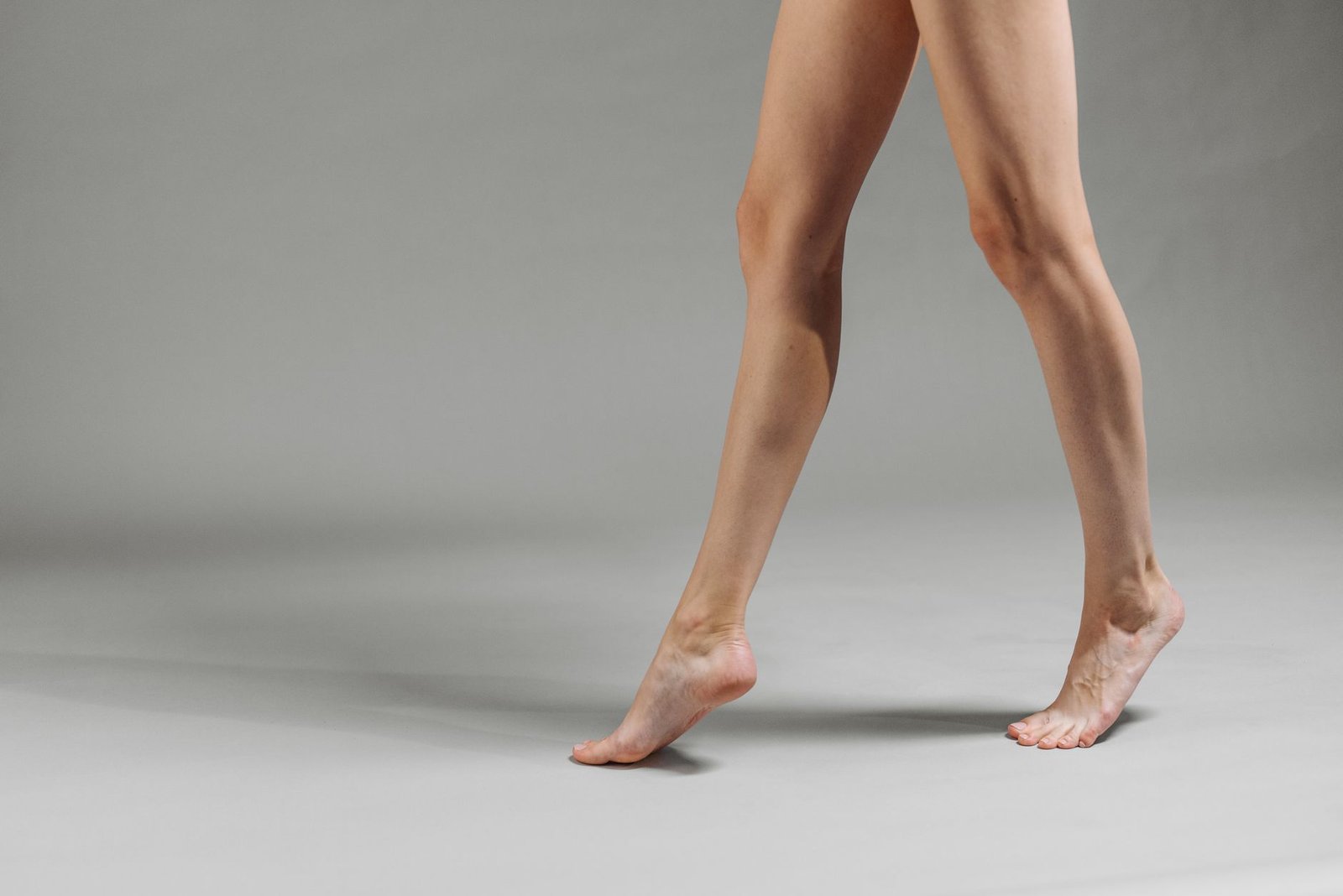
Finally, remember that good one-leg control builds confidence. When your foot is steady, your calf does not need to overcontract to stabilize you.
Save Calf And Hamstring Stretch For After
Long calf and hamstring stretching belongs after your activity or in separate recovery sessions. Early stretching can increase sensitivity in already-irritable tissues and can leave you feeling “loose” while you are actually less springy.
Dynamic warm-up and light mobility come first. If you want a practical guide to keeping foot preparation gentle, foot health exercises can support the idea that preparation should be movement-based, not a sudden stretching session.
Why ask your tissues for a maximal range when your session has not started yet? Make stretching a reward after you have earned it with warm, controlled motion.
Two-Minute Mini-Reset For Hard-Floor Stiffness
Stiff feet are common after standing on hard floors. You do not need a long routine to fix it. A 2–3 minute mini-reset can improve comfort and help your ankles feel more responsive.
Try ankle circles, calf raises, and toe curls or rocking while staying in shoes if that is more comfortable. Warm socks and supportive footwear also reduce stress on the plantar fascia and small foot joints, which often contributes to that first-step stiffness.
Small resets beat big routines when you are busy. Use them before discomfort becomes a problem.
Footwear Matters More Than Most People Admit
Warm-ups fail when footwear undermines foot mechanics. If your shoes are unsupportive or overly rigid, your warm-up drills will be fighting the environment instead of preparing you for motion.
Supportive footwear and, when appropriate, insoles can reduce stress across the plantar fascia and Achilles while improving how your small foot joints distribute load. That matters because your calves rarely work in isolation. They react to what your foot allows.
Make your warm-up match your real-world conditions. If you train in your everyday shoes, do your prep in similar support so the movement carryover is genuine.
When Pain Shows Up, Scale The Warm-Up
Pain is not a motivational speaker. If movement causes sharp, worsening, or clearly different pain, stop or scale the warm-up immediately. Warm-up should prepare you, not provoke symptoms you then try to “walk off.”
Reduce range of motion, shorten time, and remove any drill that triggers the problem. Gentle controlled motions are enough to maintain readiness without pushing injured or irritated structures.
Is it discomfort from effort, or pain from strain? Learn to tell the difference, and you will protect your calves while still keeping your feet ready.
A 5–8 Minute Circuit Beats Random Fidgeting
Consistency beats chaos. A simple 5–8 minute circuit keeps you from doing too much of the wrong thing. It also ensures the order stays correct: temperature, then ankle and foot activation, then light stability and coordination.
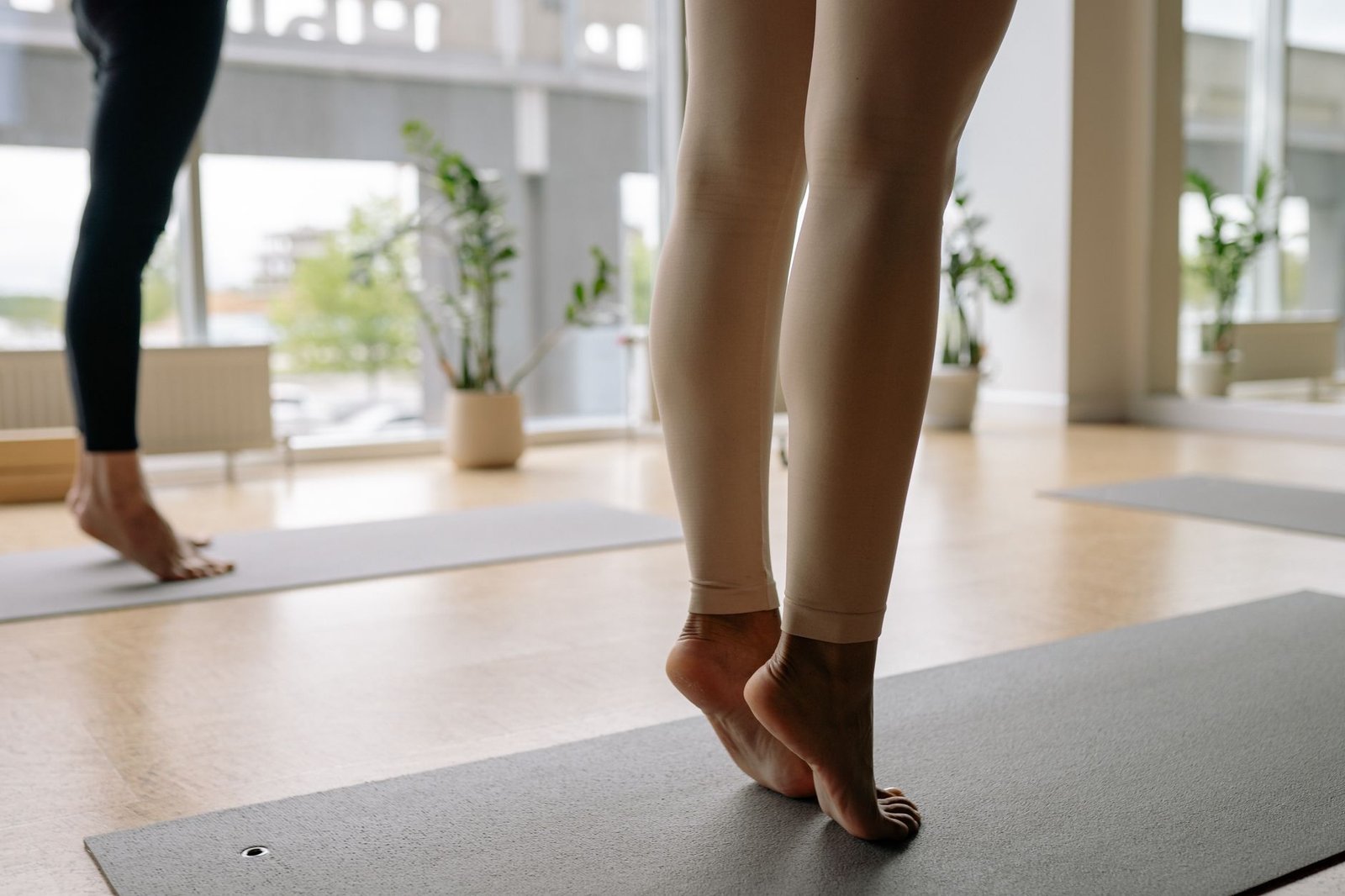
Use this order as a baseline: march in place → ankle circles → heel/toe raises → walking or step-back lunges → dynamic calf/hamstring sweep → single-leg balance. Keep the dynamic sweep controlled and avoid forcing range or bouncing.
When the sequence is reliable, the outcome is predictable. Your calves stay quieter, and your feet feel ready instead of borrowed from stiffness.
Consistency Turns Warm-Up Into Injury Insurance
Warm-up is not a one-time fix. It is a habit that reduces risk over weeks and months by improving tissue readiness and movement quality. When you routinely prepare your feet properly, you lower the odds that your calves become the default stabilizer.
As your ankle mobility, foot activation, and balance improve, your steps become more efficient. That efficiency reduces unnecessary calf load during the early minutes of your walk, run, or training session.
So commit to the simple framework. If you can repeat the circuit without calf overload, you have built practical injury insurance. Your body rewards preparation.
How to Warm Up Your Feet Without Overworking Your Calves?
What quick routine can warm up your feet without overworking your calves?
Start with 1–2 minutes of light whole-body movement (like marching in place) to raise temperature, then do ankle/foot activation such as ankle circles (about 30 seconds each direction), controlled heel and toe raises for about 1 minute total, and a brief single-leg balance drill with gentle reach (about 1 minute); finish with optional low-intensity prep such as shallow walking or step-back lunges for 1–2 minutes and a hip-hinge “sweep” for about 1 minute, while avoiding forced range or bouncing.
Which foot and ankle drills warm up your feet while minimizing calf load?
Choose motions that feel “waking up” rather than stretching hard: ankle circles, toe lifts/foot doming, and short controlled heel/toe raises with good form; for stability, use single-leg balance or light reach work so the ankle and foot activate without turning every step into a calf-dominant effort.
Should you stretch your calves and hamstrings, and when is it safest?
To avoid overworking your calves, postpone longer calf/hamstring stretching until after your walk/run or save it for a separate recovery session; during warm-up, rely on activation and mobility that doesn’t require heavy calf tension, then add longer static stretching only after you’re moving and tissues are warmed.
How can a short mini-reset warm up your feet if you feel stiff from hard floors?
Take 2–3 minutes to repeat gentle foot and ankle movements such as ankle circles, light calf raises, and toe curls or rocking, often while still wearing your shoes; this kind of low-intensity reset can reduce stiffness without demanding a deep calf load.
Do socks, shoes, or insoles help you warm up your feet without overworking your calves?
Yes—warm socks and supportive footwear help maintain comfort and reduce unnecessary strain on the foot’s small joints; if recommended, insoles can also lessen stress through the plantar fascia and Achilles, making your warm-up feel more efficient and less calf-dominant.
When should you scale back or stop warming up your feet to prevent calf overuse or pain?
If any movement causes sharp, worsening, or lingering pain, stop and choose a smaller range, slower tempo, or less loading; scale based on your situation, especially if you have calf/Achilles issues or conditions like plantar fasciitis, and prioritize controlled ankle/foot activation over aggressive stretching.
Warm Feet Without Wrecking Your Calves
How to warm up your feet without overworking your calves comes down to smart timing and the right targets: raise body temperature with easy movement, then use ankle mobility, foot activation, and light balance work before you ever consider calf loading, and save long calf and hamstring stretching for after you move or for a separate recovery session. Treat this as a short activation routine, not a workout, and your feet will feel ready while your calves stay fresh.

I am Ozan, a London-focused running writer and marathon enthusiast with a passion for helping people discover the city’s best races, running routes, walking trails, and fitness events. I research and write practical, up-to-date guides covering marathons, race preparation, training tips, running gear, and everything related to staying active in London.
My goal is to create reliable, easy-to-follow content that helps runners and walkers of all experience levels explore London with confidence, whether they’re preparing for their first 5K or their next marathon.