
Run-walk strategies are a smart tool in London long races, but they fail when you treat them like a cheat code. Used early and on purpose, they can steady your pace, reduce the burn in your legs, and help you finish with less self-reported muscle fatigue, especially if you are newer to long distances, running slower than you want, or racing in harsher conditions. The key is planning real walking breaks before you are fully cooked, not improvising them when you are already falling apart.
Run-walk strategies do not help much when your goal is to run close to your limit, because continuous running is usually more energy-efficient when you are already capable of holding that rhythm. They also do not come with a guarantee against injury, even if the idea sounds reassuring, since the evidence for injury prevention is not clear-cut. On top of that, London’s atmosphere can hijack your timing, so sticking to the ratio you chose matters more than the crowd noise and the temporary adrenaline.
If you want this strategy to work, pick a run-walk pattern that fits your target pace and confidence level, then test it on long runs where you can refine the rhythm. A common starting point is a simple run 2 minutes, walk 1 minute approach, with shorter runs and longer walks for beginners, and hill adjustments on the day of the race like reducing the run length when climbs get steep. Treat run-walk as pacing training, not a rescue plan, and you will get the benefit without paying for it in confusion and missed discipline.
Run-Walk Is A Pacing Tool, Not A Miracle
Run-walk strategies for London long distances work when you use them to manage effort, not when you use them to chase a guarantee. The best case is simple: planned walking breaks can reduce muscle soreness and help many recreational runners finish at broadly similar times to continuous running.
But the fantasy persists. People hear “breaks” and imagine effortless speed. That is how you waste race-day focus. If your plan promises more than the method can deliver, you are setting yourself up for disappointment.
Start Planned Walks Before Fatigue Hits
The timing matters. Run-walk helps mainly when you begin the pattern from the start, before you are fully fatigued. Waiting until your legs feel wrecked turns the walk into damage control, not pacing.
Ask yourself this: what is the point of a strategy if it arrives only after your effort has already spiraled? When you pre-decide the rhythm, you keep form steadier and pacing more honest, which is where the soreness benefit often comes from.
Why Slower Runners Benefit More
For slower or recreational runners, the cost of staying purely continuous can compound. You spend more total time on the move, so the late-race muscle pain risk rises, even when training is solid.
Run-walk is attractive because it interrupts that slide. Research summarized from marathon settings often shows similar finishing times for many recreational marathoners while reducing self-reported muscle pain or fatigue. That is not magic. It is a pacing intervention.
Beginners Gain Rhythm And Confidence
Beginners do not lack courage. They lack regulation. A timer-based run-walk method gives a structure that replaces guesswork with a repeatable plan.
“I should just push through” sounds brave, but what it usually means is you overshoot early and then negotiate with pain later. When walk breaks are built in from the start, you learn how to finish without sprinting your whole plan away.
Older Runners Need Strategy, Not Stoicism
Older runners often feel the difference in recovery faster. Even when fitness is good, muscle stiffness and perceived effort can build sooner, especially on long days when the body accumulates load mile by mile.
Run-walk can help older runners manage that load. The goal is not to “slow down to save yourself.” The goal is to keep effort within a sustainable range so you can complete the distance while reducing the chance of getting crushed by the last third.

Heat And Hills Reward Controlled Breaks
Heat and steep climbs change everything. Hot conditions raise perceived exertion and can make breathing feel harder even at the same pace. Hills also disrupt mechanics, and the longer the climb, the more “running” becomes a repeated push.
So choose a pattern that matches the environment. Here is a practical menu for typical race stressors.
| Condition | Run Walk Pattern | Measured Aim |
|---|---|---|
| Hot Weather | 4 min run 30 s walk | Lower perceived exertion |
| Steep Hill | 1 min run 1 min walk | Protect form under strain |
| Long Climb | 2 min run 30 s walk | Delay muscle stall |
| Windy Sections | 3 min run 20 s walk | Keep effort steady |
| Cooling Miles Later | Resume 4 min run 30 s walk | Rebuild rhythm |
The point is consistency. Short walk breaks can reduce how bad the next minute feels, which helps on climbs and in heat. But if you repeatedly walk so long that you lose rhythm, you trade comfort for extra re-acceleration and higher overall energy cost.
The Performance Cost When You Race Your Limit
Run-walk is not a free lunch. If your goal is to run close to your limit, continuous running is typically more economical. Every walk forces you to restart, and that re-acceleration has a real cost.
Supporters sometimes claim run-walk improves performance for all runners. That is wishful thinking. For faster goals, the method can slightly hurt time because you keep breaking your own mechanical flow.
Continuous Running Is More Economical At The Edge
At high effort, your body depends on sustained mechanics and steady energy demand. Walking interrupts stride frequency and posture, and the transition back to running can feel like constant gear changes.
- Re-acceleration after each walk costs energy
- Rhythm disruption can raise effort even when pacing looks “controlled”
So if you are chasing the kind of pace where you are already counting down, the extra transitions can be the wrong trade.
Injury Prevention Claims Lack Proof
Here is the claim that needs a reality check. Evidence does not clearly establish that run-walk prevents injuries in a dependable way. Controlled trials do not show an injury-prevention guarantee.
Some people report fewer injuries or less soreness, and that may be true for them. Still, feeling better is not the same as proving prevention. Injury risk also depends on training load, strength, footwear, recovery, and weekly consistency. Run-walk can be a pacing aid. It is not a medical shield.
Choose A Run Walk Ratio That Matches Target Time
Pick a ratio based on your goal pace and fitness, then rehearse it. Common starting templates are built around real marathon expectations, not internet vibes.
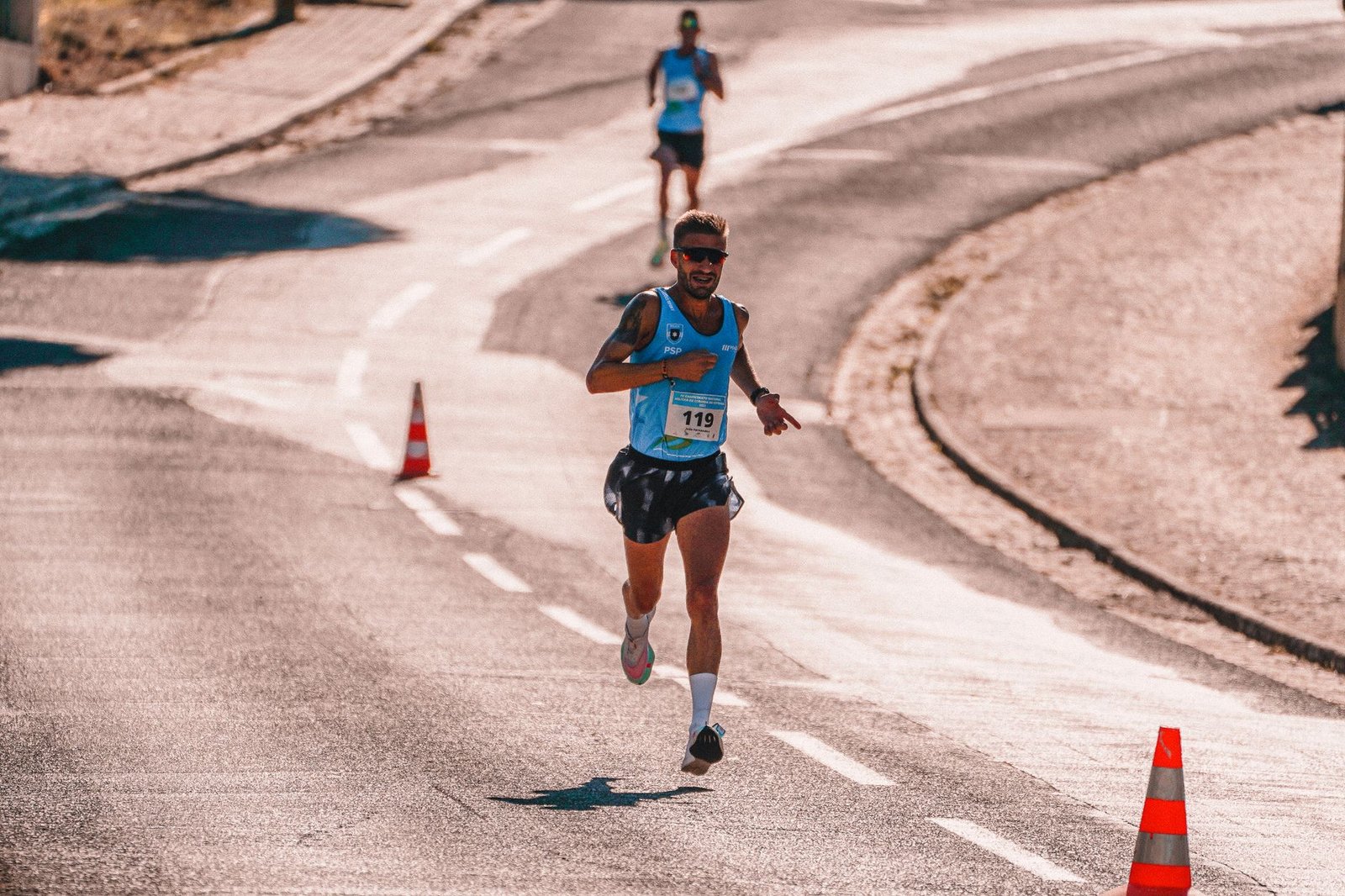
Examples include run 4 minutes plus walk 30 seconds for about a 3:30 marathon target, and run 30 seconds plus walk 30 seconds for roughly 5 to 6 hours. A classic starting point is 2 minutes run and 1 minute walk. Newer runners often do better with shorter runs and longer walks, such as 15 to 30 seconds run with 30 to 60 seconds walk. If you need run-walk method guidance for setting those reps, treat it as a starting template, not a substitute for practice.
Training With Timers Wins Race Day
The main risk on race day is behavioral, not physiological. Crowds can make planned effort feel “too easy” early, and a walk becomes a decision you want to ignore. That is exactly when the strategy fails.
Pre-decide the timer-based run-walk ratio and rehearse it on long runs, not by improvising every workout. Then fine-tune your feel for the day before you test it under pressure.
Decide Your Goal First Then Pick The Method
If your objective is endurance completion with reduced muscle pain and a steadier effort, run-walk can be a smart tool, especially for slower or recreational runners, beginners, returning runners, older runners, and in hot conditions or on climbs. Use it early, follow the plan, and expect similar finishing times for many recreational athletes.
If your objective is to race near your limit, continuous running usually wins on economy. And if someone sells you a run-walk “injury prevention” guarantee, they are selling certainty the evidence does not support. So what are you really trying to buy on race day: comfort and finish, or maximum speed at the edge?
Run-Walk Strategies for London Long Distances: When They Help and When They Don’t
In London long-distance races, when do run-walk strategies help most?
They help most when your race goal is steady completion rather than pushing near your limit, because planned walking breaks taken early can manage pacing and reduce the repeated strain that builds late in the event.
Do run-walk strategies help beginners, returning runners, and older runners in London?
Yes, they often help those groups because a consistent run-walk pattern can lower how hard each segment feels, support better breathing control, and make it easier to stay patient during the early miles.
How should you choose a run-walk ratio for your target pace in London Marathon training?
Pick a ratio that matches your goal and fitness, then practice it on long runs; many people start with 2 minutes running and 1 minute walking, then shorten the run or extend the walk if you struggle to hold the target effort.
When do planned walking breaks reduce muscle soreness more than continuous running?
Planned breaks can reduce self-reported soreness when you use them before full fatigue, since you repeatedly restore form and movement quality instead of trying to fight deterioration for the entire distance.
When do run-walk plans not help, or feel harder for race performance in London?
They are less helpful when you plan to run very close to your maximal sustainable effort, because the repeated re-acceleration after each walk can cost time and make the overall effort feel less smooth.
Can run-walk strategies in London reduce injury risk, and how should you judge that?
You should not expect injury prevention as a guarantee, because the evidence for injury reduction is not consistent, so use run-walk mainly for pacing control and adjust volume and intensity based on how your body tolerates long sessions.
Run Walk For London, Or Don’t
Run-walk strategies for london long distances: when they help and when they don’t boils down to one decision, start the plan early and keep it aligned with your target effort, because scheduled walking breaks can steady pacing and reduce that drained, sore feeling that slows recreational runners. They do not deliver a real edge when you are trying to run close to your limit, where the repeated re-acceleration costs more than it saves. Pre-decide your timer ratio, practice it on long runs, and let your goal pace, heat, and hills pick the method, not the mood of race day.

I am Ozan, a London-focused running writer and marathon enthusiast with a passion for helping people discover the city’s best races, running routes, walking trails, and fitness events. I research and write practical, up-to-date guides covering marathons, race preparation, training tips, running gear, and everything related to staying active in London.
My goal is to create reliable, easy-to-follow content that helps runners and walkers of all experience levels explore London with confidence, whether they’re preparing for their first 5K or their next marathon.