
Race-week stretching is usually the wrong lever. If your calves feel tight as race day nears, you do not need endless holds, you need the right workload at the right time. The mistake most runners make is treating calf tightness like a flexibility problem instead of a readiness problem.
The timing matters because your calves respond to training stress long before they respond to distance-day miracles. Early in the week, use short “micro-dose” strength work to keep the tissue awake, then taper volume as the race approaches so you arrive fresh. Technique matters too, because controlled calf raises off a step with a deliberate pause train strength through the range without creating unnecessary soreness.
That is why this approach favors brief, specific mobility and quick self-care over deep tissue work and aggressive stretching. Keep everything familiar, protect next-day recovery, and do a simple race-morning warm-up that rehearses ankle readiness. If tightness does not noticeably improve after about two weeks, getting a physiotherapist assessment is the most efficient way to turn stubborn symptoms into a plan you can trust.
Race Week Should Be About Readiness, Not Stretching
To nail how to prevent calf tightness on race week: timing and technique, stop treating calf discomfort as a problem you can “fix” with more stretching. Tightness often signals under-recovered capacity in the calf and ankle complex, not a lack of flexibility. Stretching can temporarily change sensation while leaving strength and tendon readiness behind.
Race week is when you need your legs to feel predictable. If the calf is already irritable, long or aggressive stretching can backfire by adding stress right before you ask for speed. Ask yourself: do you want a looser feeling, or do you want stable mechanics under load?
The goal is not “less tightness.” The goal is enough calf/ankle readiness to run the race without paying for it afterward.
Micro-Dose Calf Strength Early So You Do Not Chase Tightness
The best prevention is boring and early. During the first part of race week, use short, controlled strength work to keep the calf, tendon, and ankle patterning responsive. Think micro-doses, not sessions that leave you sore.
A practical approach is 2–3 times per week before the taper steepens: 10–15 minutes total, with controlled calf raises off a step. Use 2–3 sets of 8–12 reps, and pause at the bottom and at the top to control depth and timing.
- Lower under control for 1–2 seconds
- Hold briefly at the bottom without forcing pain
- Push back up smoothly and pause at the top
Taper Volume, Not Effort, As Race Day Approaches
Calf tightness often spikes when athletes try to “feel better” by changing everything in the last week. Instead, taper volume while keeping the intensity familiar enough that your body stays confident. That means fewer total steps, not a sudden drop into complete inactivity.
Within about the final 10 days, cut strength and intensity by roughly 30–50%. The technique stays the same, but the dose shrinks. Deep work is the enemy in the last stretch because it creates delayed soreness when you want freshness.

If your calves are under-recovered, the fix is still dosing, not punishment. Keep training close to what your tissues expect, then let recovery do its job.
Calf Raises From A Step With Pause Technique
Here is the technique that matters most: do not turn calf raises into a bounce. Controlled reps are a stability drill for your Achilles, calf muscle-tendon unit, and foot position. Use a step so you can reach a controlled stretch without yanking the range.
Pause technique should be consistent. For each rep, aim to pause briefly at the bottom (deep but not painful) and pause at the top (full extension) before the next repetition. That control reduces the “random spikes” that happen when you run with a tight, reactive calf.
Also, keep your body mechanics clean. If your heels collapse, if you roll inward, or if your knee stance changes mid-set, the exercise stops being calf-specific and starts being form insurance for your next injury.
Ankle Mobility Drills Should Be Brief And Testable
Mobility has a place in race week, but it must be short and purposeful. The best drills are the ones you can test: do you gain range while keeping heel position stable, and does your running feel smoother right after?
Use ankle mobility as a brief mobility drill, not a long session. A simple wall drill can work: perform a calf test where you keep the heel down, then move through a controlled range without grinding into pain. If it helps, do a small dose daily. If it irritates the calf, back off immediately.
Comfort is not a victory if it comes with next-day tightness. Mobility should assist readiness, not replace strength and recovery.
A Simple Timing Map For Race-Week Dosage
You do not need complex spreadsheets. You need a predictable sequence that protects calf tissue while keeping your legs sharp. Use this timing map to guide timing and technique decisions across the final stretch.
Match your sessions to the week’s job. Then use the smallest effective dose that keeps you moving well.
| Race-Week Window | Main Goal | Calf/Ankle Dose |
|---|---|---|
| 7–10 Days Out | Deload support | Supportive hands-on only |
| 5–7 Days Out | Maintenance | Micro-dose strength 30–50% |
| 3–5 Days Out | Keep fresh | Maintenance, no deep work |
| 48–72 Hours Out | Avoid soreness | Skip calf/quads intensity |
| Race Day | Warm and run | Dynamic prep 5–10 minutes |
Notice what is missing: long stretching, heavy massage, and deep calf work right before race day. That is not caution for its own sake. It is smart timing for a tissue that needs to respond, not recover from yesterday’s aggression.
If you want a baseline on what typically helps tight calves, you can lean on tight calves advice while still tailoring your dose to your own recovery signals.
Final Ten Days Use Supportive Work Only
Once you enter the final 10 days, treat your calf like a performance component. Supportive work can help you feel freer, but it should not be deep or aggressive enough to create delayed soreness. The body needs readiness, not a fresh workout for your calves.
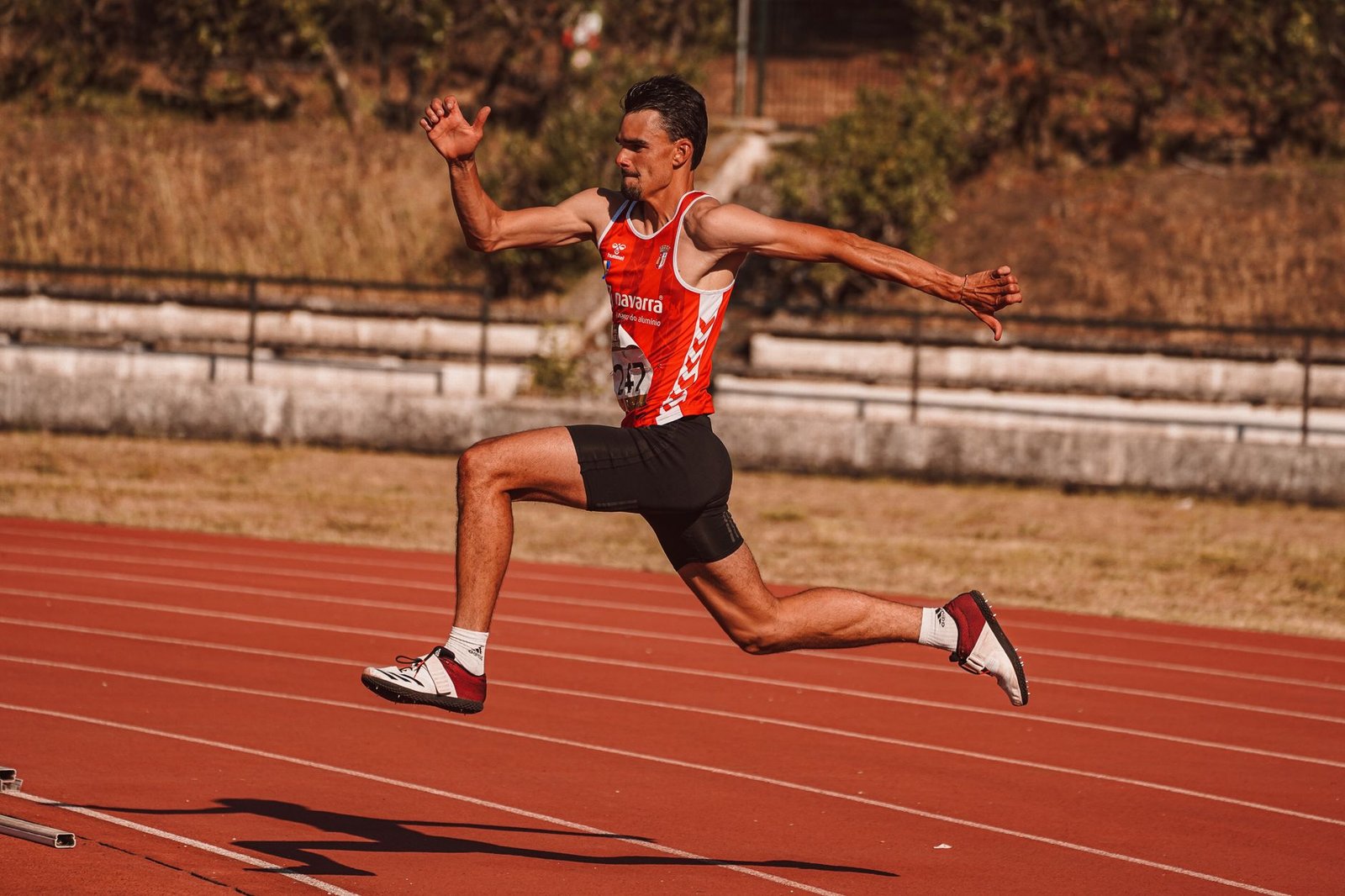
At about 7–10 days out, do deload or supportive hands-on only. Avoid deep tissue work. If you use tools like massage or foam rolling, keep it brief and post-run rather than replacing strength.
The irony is that many athletes do deep work because they fear stiffness. But stiffness right before a race is a cue to reduce stress, not to add it.
Three To Five Days Out Keep Everything Familiar
Three to five days out, aim for maintenance. Your job is to keep the neuromuscular pattern of running intact while removing anything that could cause next-day soreness. That includes both training stress and “helpful” bodywork that feels intense.
Stick to what has worked for you earlier in the season: familiar warm-up, familiar surface, familiar shoe setup. If you do not want variability in your stride, do not introduce it with new insoles or big changes to footwear right now.
Familiarity is a form of training. It reduces uncertainty, and uncertainty increases muscle guarding, which often shows up as calf tightness.
Avoid Next-Day Soreness In The Last 72 Hours
In the last 48–72 hours, deep calf work is a gamble you cannot afford. You want your calf tissue to be quiet by race morning. Any activity that creates soreness typically increases guarding and changes mechanics under load.
This is where many runners make their biggest mistake. They try to “loosen up” with hard massage or aggressive mobility that leaves the calf reactive. The next day feels tight, the day after feels worse, and race day becomes damage control.
Choose maintenance over improvement. If you feel tight, it is better to run gently, mobilize briefly, and trust that the taper period plus proper dosing will do the heavy lifting.
Race Morning Warm-Up That Moves The Ankle
Your race-day warm-up should create readiness without fatigue. Start with 5–10 minutes easy jog or brisk walk to raise temperature and get your tissues responsive. Then add dynamic ankle prep that suits the calf’s job during running.
Use movements like circles and leg swings, plus 2–4 short strides that progress smoothly. Keep the strides controlled and smooth, not explosive. You are rehearsing mechanics, not testing limits.
Some runners also benefit from 1–2 minutes of slow nasal breathing to reduce pre-race tension. Lower tension can mean fewer protective contractions in the calves. Why fight tightness with your mind?
Daily Micro-Mobility That Respects Recovery
Throughout the week, add small daily mobility doses that do not accumulate stress. A good rule is “short and repeatable.” For example, do 2 sets of 8–10 slow calf or ankle rocks at a wall, keeping the motion controlled and the heel position stable.
This kind of micro-mobility helps maintain ankle range and calf activation without turning the exercise into a workout. Pair it with an honest check: do you feel better immediately, and do you stay better the next morning?
If your calf is under-recovered, do not chase mobility range through pain. Use mobility to guide movement, then use strength and recovery to create actual capacity.
If Your Calves Are Under-Recovered Use Blood-Flow And Light Care
When calves are irritable or tight because they are under-recovered, your first priority is improving circulation and reducing protective guarding, not stretching harder. Light self-care after runs can be enough to restore comfort and keep your gait stable.
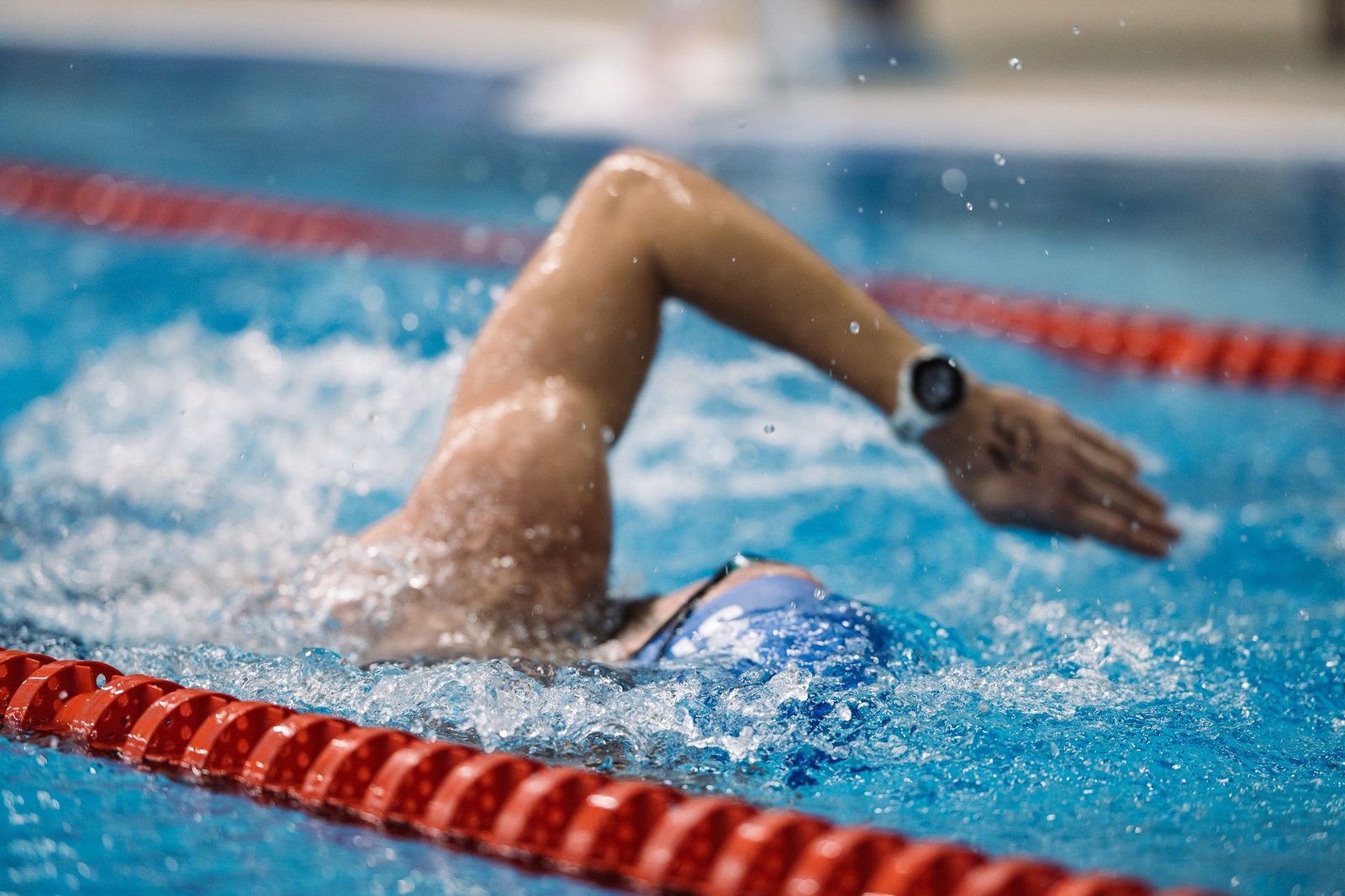
Use foam roll or lacrosse ball work for about ~2 minutes. Optionally, consider gentle ice or ice-ball rolling under the foot for 2–3 minutes at most, up to 2×/day. Keep it gentle and stop if it increases sensitivity.
Think “support,” not “punishment.” This approach helps you train in the correct days rather than paying for aggressive recovery tactics.
Rehearse On A Dress-Run And Get Help When It Worsens
Prevention is also preparation. Rehearse your warm-up and fueling on a dress-rehearsal run so race day is a performance, not an experiment. When pacing, hydration, and gut comfort are predictable, you are less likely to tense up and overwork the calves.
Also, do not “run through” persistent pain. If tightness does not improve after about 2 weeks or stays troublesome, get a physiotherapist for a structured rehab plan. That is not a failure. It is the fastest way to protect your training with targeted work.
The real win in how to prevent calf tightness on race week: timing and technique is consistency. Strength micro-doses early, taper the dose late, keep technique calm and controlled, and let recovery be the final coach.
How to Prevent Calf Tightness on Race Week: Timing and Technique
When Should You Start Using Micro-Doses to Prevent Calf Tightness on Race Week?
Start early in the week with short, repeatable calf and ankle strength sessions (about 10–15 minutes, 2–3 times per week) so the tissue stays ready, then taper by reducing volume and intensity as race day approaches and avoid adding new stress late in the week.
What Calf Raises Technique Helps Prevent Tightness While Timing Your Strength Volume?
Use controlled calf raises off a step: perform 2–3 sets of 8–12 reps, pause at the bottom and at the top, and stop well before form breaks to avoid soreness that could linger into the next day.
Should You Stretch or Use Quick Mobility Work for Calf Tightness on Race Week?
Choose brief mobility drills over long stretching sessions, such as short wall ankle work or a heel-down calf stretch for a few minutes, and treat mobility as “activation” rather than a deep treatment while you preserve strength work earlier in the week.
How Do Blood-Flow Self-Care and Light Recovery Help During Race Week?
After easy runs, use light self-care for blood flow like foam rolling or a lacrosse ball for about 2 minutes, and optionally do gentle ice-ball rolling under the foot for 2–3 minutes at most up to 2 times per day if it helps you feel better without increasing sensitivity.
What Should You Do During the Final 10 Days to Avoid Next-Day Soreness?
Cut strength and intensity by roughly 30–50% in the final 10 days, keep training familiar, and avoid deep calf work in the last 48–72 hours; 7–10 days out, limit to supportive hands-on only (no deep tissue), and 3–5 days out, use maintenance-only while keeping shoes and insoles unchanged.
How Should You Warm Up on Race Morning, and When Is It Time to See a Physiotherapist?
On race morning, do 5–10 minutes of easy jog or brisk walking, then dynamic ankle prep (circles, leg swings, and 2–4 short strides) and optionally 1–2 minutes of slow nasal breathing; if tightness persists or doesn’t improve after about two weeks, or if pain is limiting, consult a physiotherapist for a structured plan.
Race Week Calves Need a Plan
Forget random stretching and reactiveness and commit to how to prevent calf tightness on race week: timing and technique, meaning you build calf and ankle readiness early with short, controlled strength work, keep mobility brief and specific, and then taper volume while avoiding anything that can trigger next-day soreness as race day nears. If your warm-up and final days are low-risk and consistent, your calves show up ready, and that is the only real advantage that matters.

I am Ozan, a London-focused running writer and marathon enthusiast with a passion for helping people discover the city’s best races, running routes, walking trails, and fitness events. I research and write practical, up-to-date guides covering marathons, race preparation, training tips, running gear, and everything related to staying active in London.
My goal is to create reliable, easy-to-follow content that helps runners and walkers of all experience levels explore London with confidence, whether they’re preparing for their first 5K or their next marathon.