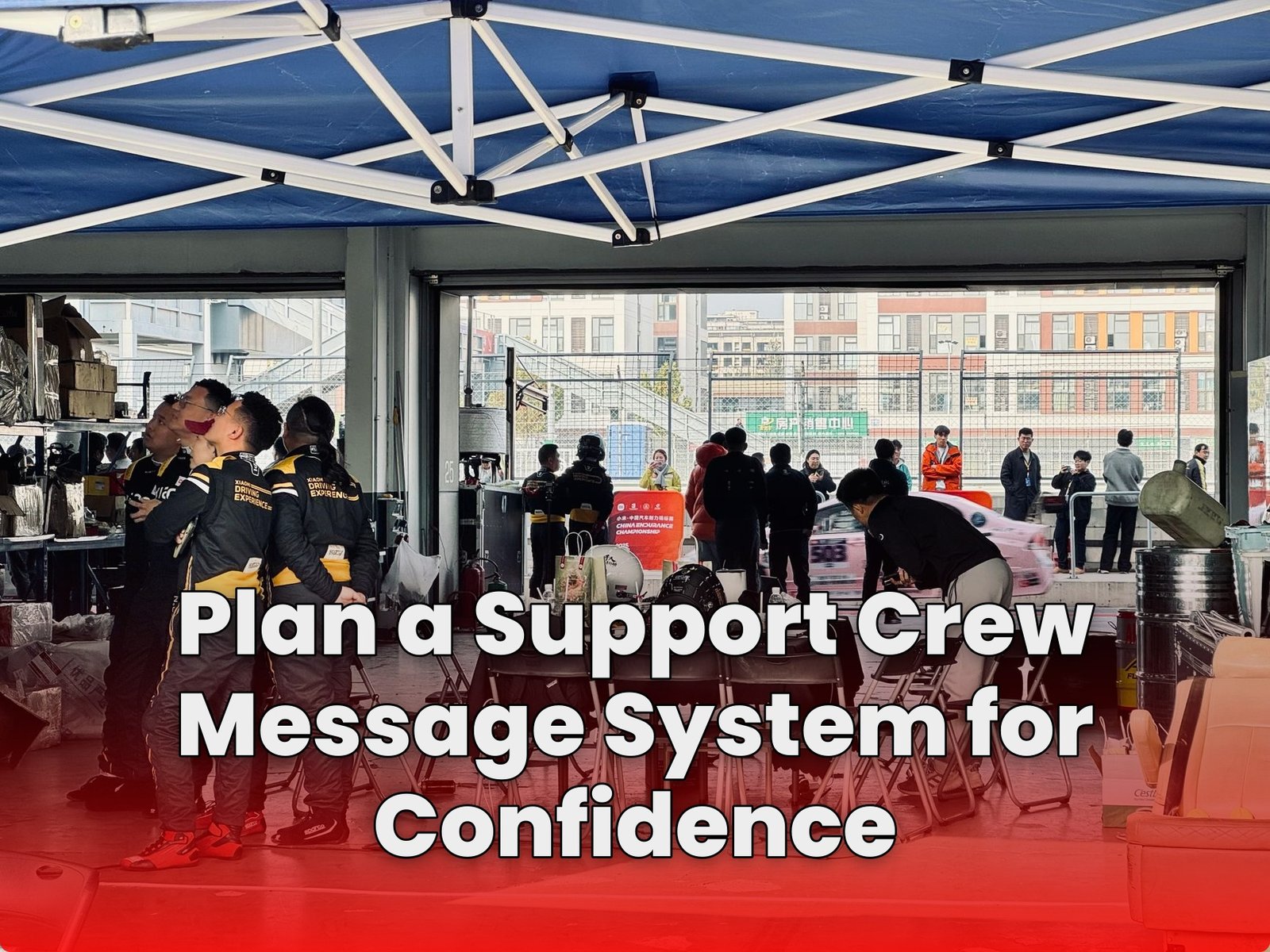
Race-day confidence is built before the first pedal turns, not in the moment. If your support crew is improvising texts and calls, you are effectively choosing chaos. A well-designed how to plan a support crew message system for race-day confidence gives your rider something simple to trust: updates happen on schedule, handoffs are rehearsed, and help is triggered instantly when something goes wrong.
Start with fixed check-ins and structured handoffs, because rhythm beats panic. Set clear status messages at predetermined intervals and course points, for example “Status OK” at hourly timing and/or at specific locations. If the rider misses a scheduled message, the crew should immediately attempt contact and escalate through the plan. Before every meet-up, require a scheduled update that includes current status plus exact nutrition and hydration needs, so supplies can be staged instead of guessed.
Then make communication actionable under pressure, not just informative. Use short reason-specific alerts for unscheduled meet-ups like “Need Hydration ASAP” or “Mechanical Issue, Delayed,” and send hazard or weather observations back with approximate location and time. If the rider sends an emergency signal, such as “EMERGENCY Assistance Needed,” the crew navigates to the rider’s position while the rider provides any extra details. Finally, assign one primary communicator to prevent overlapping voices, keep a time-stamped message log for continuity, and brief every role and contingency plan so everyone knows what to do even when conditions change.
Why Confidence Needs a Script Not Vibes
If you want race-day confidence, you cannot rely on hope, mood, or improvisation. A support crew message system works when it behaves like a predefined protocol that the rider and crew can trust under pressure.
Think about the real enemy on race day. It is not only fatigue. It is uncertainty. When the rider cannot confirm status, crew decisions stall. When crew cannot anticipate needs, staging fails. That is why the system must be planned with the same seriousness as fueling or bike setup.
Would you rather send messages you feel like sending, or messages that remove doubt every time? The difference between a smooth day and a chaotic day is mostly communication discipline.
Time-Stamped Check-ins That Eliminate Guesswork
To plan a support crew message system for race-day confidence, start with one rule: every check-in must have a timestamp and a simple status outcome. Make it consistent enough that nobody has to interpret context while they are stressed.
Schedule status updates at fixed intervals such as every 60 minutes and at specific course points. Require one short format like “Status OK” plus current location reference. If a message is missed, treat it as data, not drama: the crew immediately attempts contact using the same primary channel.
When messages are time-stamped, you do not argue about whether something is late. You act based on a clock. Confidence follows clarity.
Structured Handoffs With Exact Nutrition and Hydration
Handoffs should not be a conversation about what might be needed later. They should be a handoff of exact current requirements now. Before each planned meet-up, the rider sends a scheduled update that includes status plus the precise nutrition and hydration needs.
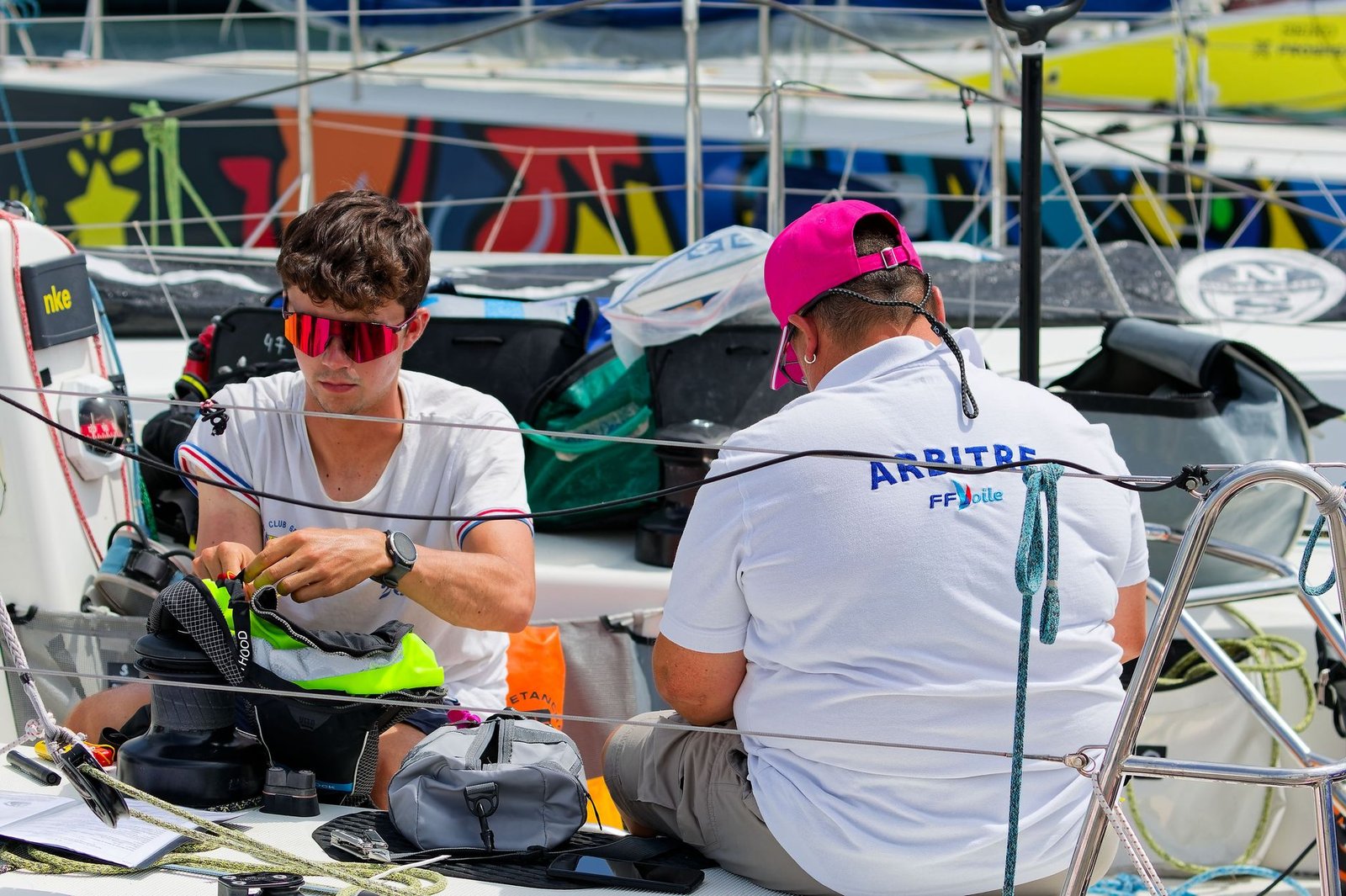
That message must be actionable for staging. If the rider says they need specific bottles and supplies, the crew should already have those items staged at that location. During the handoff, confirm needs with a brief face-to-face or radio exchange, then confirm whether to proceed to the next stop or move earlier based on real conditions.
In endurance races, “close enough” becomes “too late.” Exact inputs reduce risk at every transition.
Predefined Messages for Missed Signals and Emergencies
Missing a scheduled message is one of the most frightening moments for a rider and a crew. So plan for it in advance with response steps. Define what “no message received” triggers: how fast the crew calls back, who initiates contact, and when to escalate.
Use message types that remove interpretation. Examples include “Need Hydration ASAP,” “Mechanical Issue Delayed,” and “EMERGENCY Assistance Needed.” If the rider sends the emergency message, the crew navigates to the rider’s position and updates based on what they observe while the rider provides any additional emergency details.
What happens when you freeze because the message was not specific? You lose minutes. With predefined messages, you gain motion.
Course Hazards Feedback Loop With Location Discipline
Unexpected road conditions can wreck a day even when fueling is perfect. So the system must capture hazards with repeatable location discipline. When the crew sees course problems or weather shifts, they should report back with a time and approximate location, tied to course landmarks the rider can understand.
The rider, in turn, can adjust pacing, clothing, and fueling strategy based on credible observations. That is race-day confidence: not just knowing where you are, but knowing what is coming next.
Use a simple standard like “Observed at [time] near [location relative to SAG stop].” The format matters because it reduces back-and-forth while hands are busy and attention is limited.
Building a Crew Radio Protocol That Prevents Overlap
Radio failures and overlapping voices create confusion fast, especially when teams are moving through junctions and partial coverage areas. The fix is straightforward: assign a single primary communicator, keep message formats consistent, and begin transmitting as early as possible on approach to maximize real-time time within effective range.
If you want practical structure that teams can actually follow, use crew communication guidance as a baseline, then tailor it to your course and your roles.
| Message Type | When To Send | Crew Action |
|---|---|---|
| Status OK | Every 60 minutes | Log, stage next stop |
| Missed Check-in | Within 2 minutes of timeout | Attempt contact immediately |
| Pre-Handoff Nutrition | 10 minutes before arrival | Stage exact bottles and gear |
| Hazard Observed | Instant after sighting | Flag route adjustment needs |
| Emergency Assistance Needed | Immediately | Turn around, navigate to rider |
Finally, decide how you will handle group coordination. If you use multiple crew vehicles, you do not let radio traffic become a free-for-all. You prevent overlap by keeping one voice primary and by using time-stamped messages as the ground truth.
Reason-Specific Messages for Unscheduled Meetups
Unscheduled meetups should not trigger improvisation about what to say next. They should use reason-specific messages that prep the crew automatically. When the rider needs something urgent, the message must state the category clearly: “Need Hydration ASAP” is different from “Mechanical Issue Delayed.”
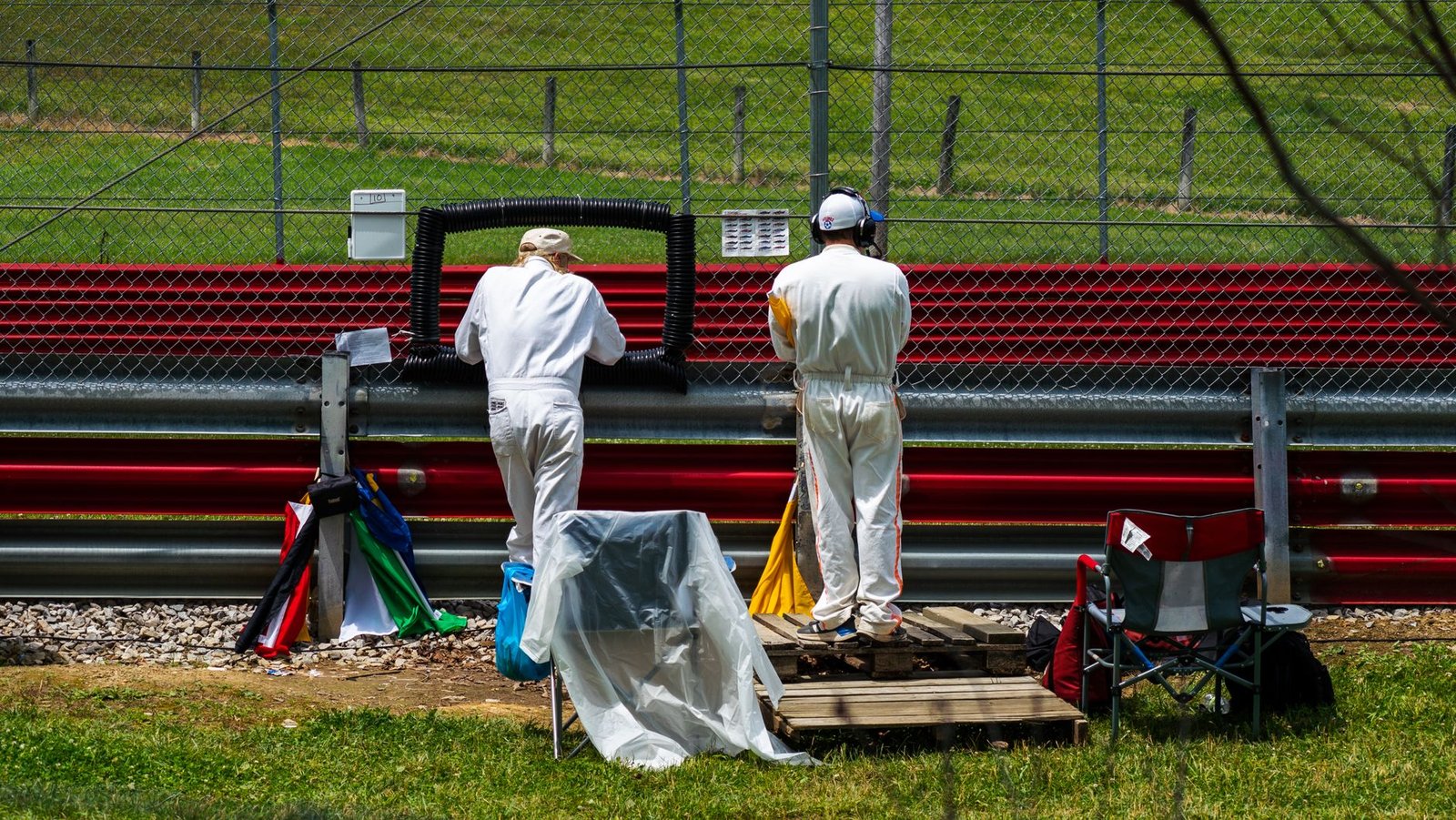
For the crew, that clarity is operational. It determines whether to prioritize a bottle handoff, a tool kit retrieval, or a route adjustment. If the rider observes issues on their end, the crew can prepare without waiting for a longer explanation.
Confidence comes from compression. A short reason label plus a timestamp is often better than a long description under stress.
Logging Every Message For Continuity and Accountability
A message system is only as strong as its memory. So keep a written log of messages and actions for continuity. When coverage gaps happen, logs prevent you from relying on what someone “thinks” they heard.
Record message type, timestamp, location reference, and the crew action taken. Over time, those logs also reveal which parts of the plan fail under real conditions, so you improve your system for future races.
If you have never reviewed your last race log, how do you know what you missed? Write it down and treat it like equipment.
Role Briefs and Contingencies When the Rider Deviates
Before the race begins, brief every crew role and contingency plan. Who is the primary communicator? Who stages supplies? Who drives navigation? Who records the log? You cannot assign these tasks in real time when decisions are urgent.
Also plan what happens if the rider deviates from the nutrition or hydration plan. If the rider changes needs due to illness, cramps, or a mechanical delay, require them to send an updated, categorized message that triggers immediate changes in staging and next-stop decisions.
When the plan includes deviations, the rider does not panic and the crew does not improvise.
Supply Staging Based on Forecasted Needs
Your system should treat message content as a staging blueprint, not a request for later action. When the rider sends scheduled updates describing exact nutrition and hydration needs, the crew can prepare supplies before the meet-up and avoid last-second rummaging.
This matters because staging is physical labor. If you wait to interpret messages until the last minute, you risk incorrect bottles, wrong quantities, or missing items at the exact moment the rider needs them most.
Staging discipline is where confidence becomes tangible. The rider feels it when the right gear appears on time.
Choosing Between Radio and Chat When Coverage Fails
Limited-range radio is not a design flaw. It is a reality. Plan for it by initiating communication as early as possible on approach and by keeping formats consistent so that partial coverage still yields meaning.
Consider a group chat only for coordination between multiple crew teams. Do not use it as the primary source of truth in the places where signal is unreliable. The backbone should be time-stamped, standardized messages that survive weak connections and partial reception.
When the system works in low coverage, you stop chasing updates and start executing decisions.
Testing the System Before Race Day and During Warmups
Race-day confidence is built in rehearsal. Test the message formats, confirm that every crew member knows how to send and log messages, and practice the missed-check-in escalation steps.
Run a short simulation during warmups. Have the rider send a “Status OK,” then intentionally miss a scheduled message to verify that the crew attempts contact and records actions correctly. Do a dry handoff: nutrition needs, hydration quantities, and the go-forward decision trigger.
If you can run the protocol once with calm nerves, you can run it with adrenaline. That is the point.
Training Yourself to Think in Triggers and Timestamps
The final advantage of a predefined message system is mental. It turns a chaotic race moment into a set of triggers. Instead of asking, “What should we do now?” you ask, “What does our protocol require at this timestamp and location reference?”
When you treat location and ETA consistently, such as “Ready to Provide Support at Current Location” with relative course markers, coordination becomes easier across vehicles and roles. You reduce friction and increase responsiveness, which protects both performance and safety.
Plan the system to produce action, not messages that merely communicate. If your protocol leads to faster decisions and cleaner handoffs, you have achieved the goal of how to plan a support crew message system for race-day confidence.
How to Plan a Support Crew Message System for Race-Day Confidence?
How do you set up scheduled two-way check-ins for your support crew message system?
Create a simple timetable of fixed check-ins (for example hourly and at specific course points) where the rider sends a short “Status OK” and the crew acknowledges contact; if a scheduled message is missed, the crew immediately attempts to reach the rider and proceeds to the last known location plan without waiting.
What predefined rider status and handoff messages build reliability on race day?
Use consistent, reason-specific templates so the crew can act instantly, such as “Status OK,” “Need Hydration ASAP,” “Mechanical Issue / Delayed,” and “Emergency Assistance Needed,” plus a standard handoff message that includes exact nutrition and hydration needs for the next stop.
How should you transmit nutrition and hydration needs before each planned meetup?
Before each meet-up or handoff, have the rider send a scheduled update that lists current supplies used and the exact next requirements (food types/amounts and hydration needs), so the crew can stage items correctly and confirm whether to proceed to the next stop or adjust timing based on current conditions.
How can you use limited-range radio effectively with time-stamped crew coordination?
Start calling as early as possible on approach to maximize real-time overlap within range, designate one primary communicator/crew chief to avoid overlapping voices, and rely on a consistent log with timestamps and location/ETA formats so everyone understands who is en route, where the rider is, and what actions were taken.
How do you handle unscheduled meetups, hazards, and unexpected weather with your message system?
For unscheduled situations, trigger predefined messages tied to clear actions (for example “Need Hydration ASAP” or “Mechanical Issue / Delayed”); if crew members observe course hazards or weather changes, send the observation back with time and approximate location so the rider can decide whether to continue, shift timing, or change the next planned stop.
What emergency workflow should your support crew follow when the rider cannot continue?
If the rider sends “EMERGENCY Assistance Needed,” the crew should navigate to the rider’s last known position (turning around if the vehicle has passed) while the rider sends any critical details available; assign roles in advance (driver, communicator, supply staging) and keep backup plans ready for deviations from the nutrition/hydration schedule.
Make Every Check-In Count
Use a clear, two-way structure for how to plan a support crew message system for race-day confidence: fixed check-ins, predefined reason-based texts, tight location and time stamps, and rapid follow-up if a message is missed. When your rider’s next move is guided by scheduled status updates and staged supplies, your crew can act instantly instead of guessing, and race day stops being stressful uncertainty and becomes controlled momentum.

I am Ozan, a London-focused running writer and marathon enthusiast with a passion for helping people discover the city’s best races, running routes, walking trails, and fitness events. I research and write practical, up-to-date guides covering marathons, race preparation, training tips, running gear, and everything related to staying active in London.
My goal is to create reliable, easy-to-follow content that helps runners and walkers of all experience levels explore London with confidence, whether they’re preparing for their first 5K or their next marathon.