Between-run snacking should be boring, not complicated. When you are training in London, you have little time and a nervous stomach is the last thing you need. That is why London runner nutrition on the move: simple snack choices between sessions beats fancy “performance” food, every time.
The biggest mistake runners make is loading up on fat and fibre right before they run again. It sounds “healthy,” but it is often the reason energy feels flat or your gut starts to protest. For the stretch between sessions, the right move is small, easy-to-digest carbohydrate choices, timed so you top up before the next effort and then recover quickly after.
If you keep it simple, you can stay consistent. For example, a quick pre-run snack like a banana with fruit yoghurt or a slice of toast is usually gentler than heavy meals, and if solid food sits badly you can go liquid with a diluted sports drink. Then aim to eat again soon after, pairing carbs with protein so you actually bounce back for the next session.
Between Sessions You Need Carbs, Not Willpower
If you are training in London and you have back-to-back sessions, the biggest mistake is treating fuel like an optional extra. It is not. Remote work productivity is a separate debate, but your body does not care about deadlines or spreadsheets. It cares about carbohydrate availability when your next run is hours away.
On-the-move fueling is about keeping your legs ready, not proving discipline. That means planning easy-to-digest carbohydrate between sessions so you can start the next effort without feeling flat. Why gamble with energy when simple snacks can keep your pace honest?
Use the logic you already follow in training. If you do not show up rested, you do not magically perform anyway. Fuel works the same way. London runner nutrition on the move should be consistent, not heroic.
The Only Pre-Run Rule Is Easy Digestion
The gut is the limiting factor in most “I ate right but still felt awful” stories. Right before running, you want minimal fat and fibre because they slow gastric emptying and can trigger GI discomfort, especially when intensity rises.
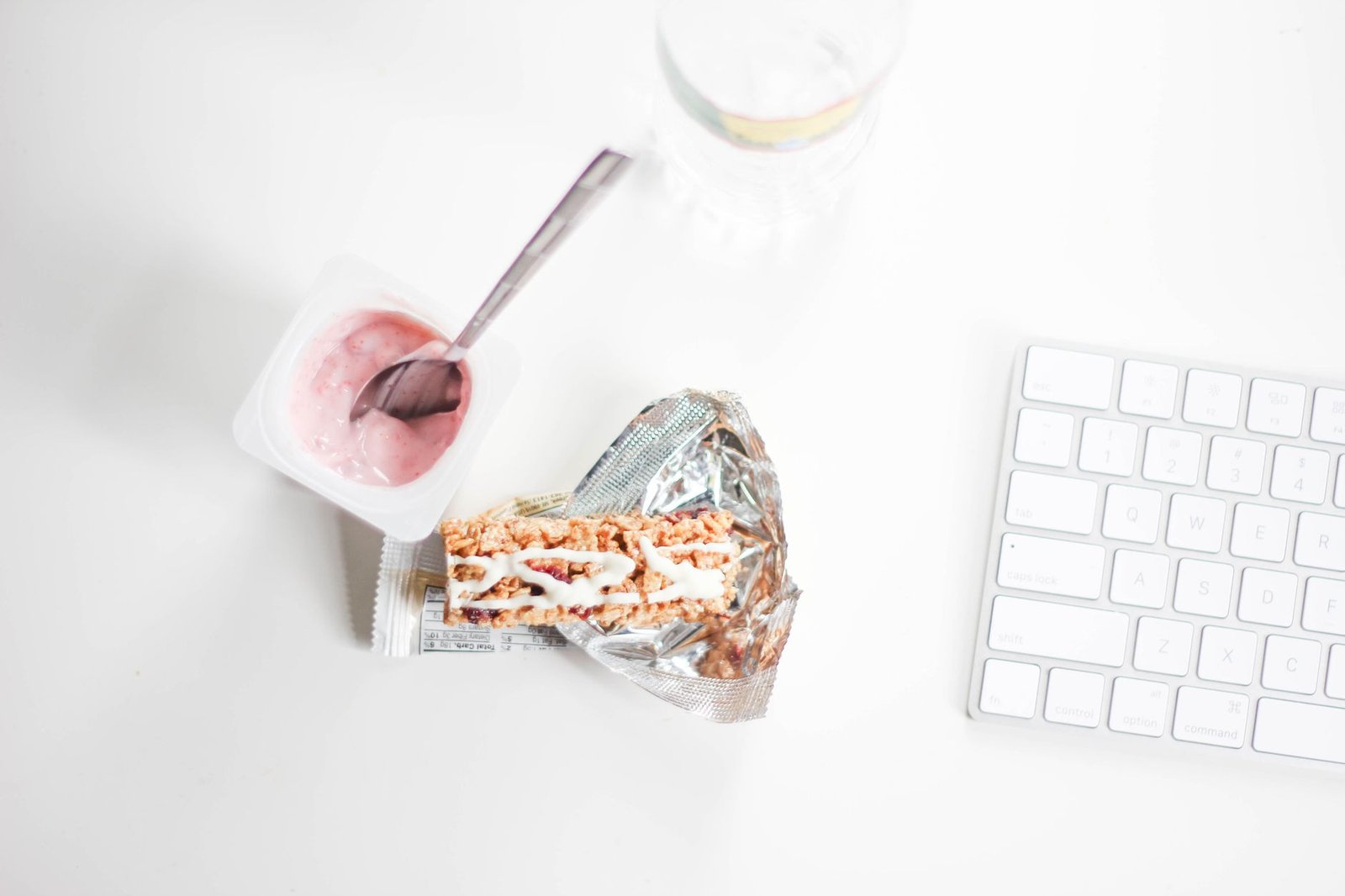
That is why the go-to choices are simple: toast, hot cross buns, Scotch pancakes, a banana, or fruit yoghurt. They deliver carbohydrate with less friction. If your stomach turns it into a fight, your workout turns into a problem.
Carbs power the run, but digestion controls whether you get the power.
Timing Beats Perfection
You do not need a perfect meal plan. You need a workable timing plan. For morning runs under an hour, aim for about 1–1.2 g carbohydrate per kg body weight, then keep food light enough to feel comfortable.
If your session is not immediate, you have a wider window. Practice “small and often” when you are close to the start, or wait longer after a full meal so your stomach settles. The point is simple: your schedule should match your digestion, not the other way around.
Runners who obsess over specific brands miss the real lever. Timing moves the needle more reliably than novelty.
Small And Often Stops Cramp Before It Starts
“Between sessions” often means you have a short gap and you still want to perform. In that situation, choose 15–30 g carbohydrate in the hour before a run. You are topping up, not rebuilding an entire day’s nutrition.
When the gap is longer, you have fewer reasons to rush. A common approach is to eat about 1–2 hours after a snack or small meal and 3–4 hours after a larger meal. That spacing reduces the odds of cramp, indigestion, and the bloated feeling that kills rhythm.
Liquid Fuel Is A Real Option In London Weather
Solid food can sit badly when nerves, cold air, or nerves again interfere with your appetite. If that happens, treat liquid fuel as a legitimate strategy, not a backup plan.
Sports drink or diluted homemade juice works well. Take sips before you set off and keep drinking while you run. If you sweat heavily, add about 1/4 tsp salt to your homemade mix so you replace what you are losing.
Liquid options also help when you need “on-the-move” calories but do not have time for chewing. Your goal is carbohydrate delivery you can tolerate at speed.
Your Grab Bag Should Match Carbs Per Hour
Nutrition on the move becomes easy when you match snack choices to the time you have. In other words, your bag should not be full of everything. It should be full of the few items that fit the next hour of work.
For practical guidance on fast snack timing, runner snack timing, keep portions small before you start and scale up as the session demands.
| Snack Choice | Typical Carbs | Best Timing |
|---|---|---|
| Banana | 15–25 g | 15–60 min before |
| Toast | 20–35 g | 60–120 min before |
| Hot Cross Bun | 30–45 g | 60–150 min before |
| Low-fat fruit yoghurt | 15–30 g | 15–90 min before |
| Sports drink | 15–30 g per bottle | Sips while running |
This is why simple snack choices beat complicated plans. If you can name the carbs and the timing, you can repeat the strategy on tired mornings.
Between sessions, the right grab bag keeps your next effort from starting with a deficit you will only feel later.
Sodium And Salt Make Sweaty Runs Make Sense
Carbohydrate gets the headlines, but sweat steals more than water. If you are a heavy sweater, include electrolytes and sodium so you stay functional when conditions push you harder than expected.
Use salt strategically when you mix homemade drinks, and consider electrolyte options during longer or hotter runs. This is not about chasing a “sports science” identity. It is about reducing the chance that fatigue arrives early and forces you to slow down.
Carry Carbs When Your Route Gets Long
When the session stretches, you cannot rely on pre-run food alone. Your plan needs portable carbohydrate-first snacks such as gels, chews, or energy bites.
Think of carry capacity like training load management. If you do not bring carbs, you cap your ceiling. If you bring carbs, you can keep your pace steady when London’s hills, junctions, and wind refuse to cooperate.
Recovery Starts Within 15 Minutes
Many runners treat recovery like an afterthought because the hard part is over. That is backwards. Eating within 15 minutes to 1 hour after training helps you refuel with purpose.
The winning combo is carbohydrate plus protein. Examples include flavoured milk with a cereal bar, Greek yoghurt with granola, or a dairy or oat protein shake. Choose what you can actually eat soon after you finish.
If your post-run snack is vague, your next run will be vague too.
The Second Meal Builds What the First One Cannot
The recovery snack is a jump start, not the whole rebuild. Follow up with a substantial balanced meal within about two hours to support repair and restore energy for the next session.
This is where many people fall off the plan. They nail the snack, then drift into late dinner and empty calories. The result is a delayed reset that shows up as slower legs and lower motivation.
Keep the second meal simple, steady, and carb-forward enough to close the gap.
Measure Intensity With Simple Prompts, Not Guesswork
You do not need a lab. You need prompts that tell you whether you should raise or lower your fueling focus. Going hard changes how quickly you burn through stored carbohydrate, so your “on-the-move” snacks should reflect intensity, not routine.
That is why the earlier guideline matters for morning runs under an hour: 1–1.2 g carbohydrate per kg body weight, adjusted for how hard you will run. If your session is sharper, your intake should be sharper too.
Practice Fueling Until Your Gut Trusts You
Fueling feels easy on race day until it does not. The fix is practice. Try the same snack choices, the same portion sizes, and the same timing during training so your gut learns what to expect.
London runners are busy, but you still have time to run a few “fuel rehearsals” between sessions. Small tests prevent big surprises, and confidence matters when the pace rises.
If you cannot eat it comfortably during training, do not bet your next race on hope.
How Can London Runners Choose Simple On-the-Move Snacks Between Sessions?
When Should a London Runner Eat Nutrition on the Move Fuel Between Sessions?
For most runs, aim for small and often, using about 15 to 30 g of carbohydrate in the hour before a run, or wait 1 to 2 hours after a snack or small meal and 3 to 4 hours after a larger meal to reduce the risk of GI upset.
What Snacks Are Best for London Runner Nutrition on the Move Right Before a Run?
Choose easy-to-digest carbohydrate with minimal fat and fibre, such as toast, hot cross buns, a banana, or fruit yoghurt, and keep it light if you are eating within 15 to 30 minutes of starting.
How Much Carbohydrate Should a London Runner Aim for as On-the-Move Fuel?
For morning runs under an hour, aim for about 1 to 1.2 g carbohydrate per kilogram of body weight and adjust for intensity, then practice your timing so your stomach feels comfortable.
Are Liquid Options Like Sports Drinks a Good Choice for London Runner Nutrition on the Move?
If solid food sits badly, use a quick liquid option such as a sports drink or diluted homemade juice, take small sips before you set off, and keep drinking while you run, adding about a quarter teaspoon of salt if you are a heavy sweater.
What Is a Smart Recovery Snack Choice for London Runner Nutrition After Training?
Eat a recovery snack within 15 minutes to 1 hour after training that includes both carbohydrate and protein, for example flavoured milk with a cereal bar, Greek yoghurt with granola, or a dairy and oat protein shake, then follow with a larger balanced meal within two hours.
How Can London Runners Plan Portable Carbohydrate and Electrolytes for Longer Efforts?
Carry carbohydrate-first snacks such as gels, chews, or energy bites during longer sessions, and use electrolytes or sodium if you sweat heavily, so you can keep intake steady without upsetting your stomach.
Simple Between Session Fuel Wins Every Time
London runner nutrition on the move: simple snack choices between sessions comes down to timing and easy digestion. Go for a small, carbohydrate-forward bite soon before you run, keep fat and fibre low, then hit a recovery snack with carbs and protein shortly after so you can train again faster. If you practice these simple options and portion sizes, your energy stays steady and your next session starts on purpose.

I am Ozan, a London-focused running writer and marathon enthusiast with a passion for helping people discover the city’s best races, running routes, walking trails, and fitness events. I research and write practical, up-to-date guides covering marathons, race preparation, training tips, running gear, and everything related to staying active in London.
My goal is to create reliable, easy-to-follow content that helps runners and walkers of all experience levels explore London with confidence, whether they’re preparing for their first 5K or their next marathon.